Addition 0–20: teaching, slides and exercises for grades 1–2 (ages 7–8)
Addition 0–20 on the number line and by crossing ten: slides, explanations and exercises for grades 1–2. Ready to show to the class as they are.
Addition tells how much there is in total when two amounts are put together. In this article, pupils practise addition in the range 0–20: first on the number line, then with pairs that make ten and finally by crossing ten.
The article is made for grades 1–2, and every step is ready to show to the class as a slide. By the end, pupils can work out a sum on the number line and by crossing ten, and check their answer.
Key concepts
- addition
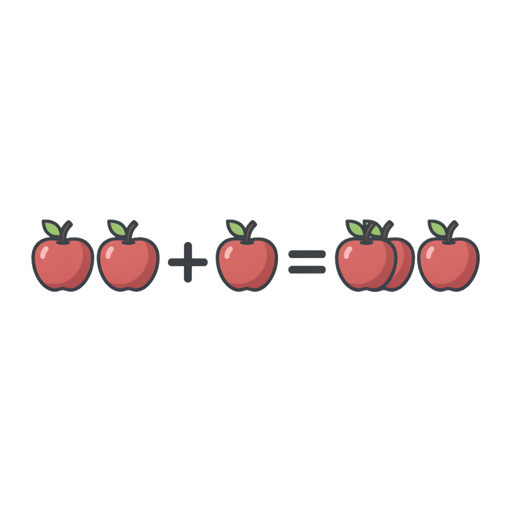 Adding numbers together, for example 3 + 2 = 5.
- sum
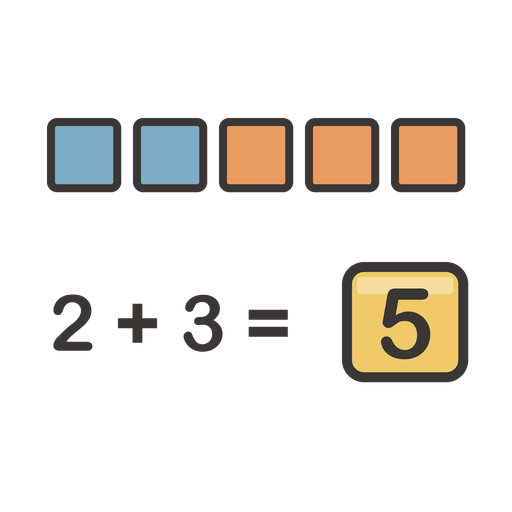 The answer to an addition. The sum of 3 and 2 is 5.
- number line
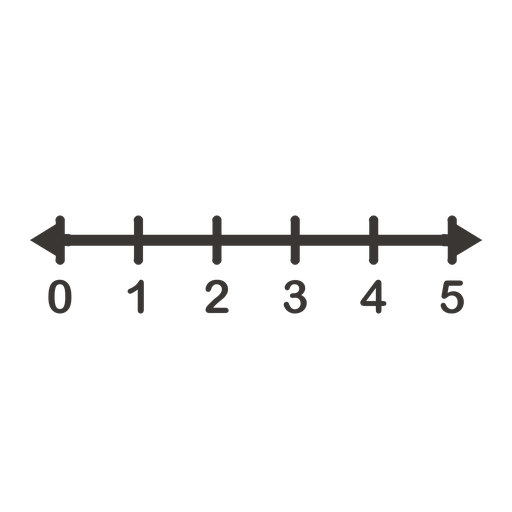 A straight line with numbers marked in order at equal spaces.
- equals sign
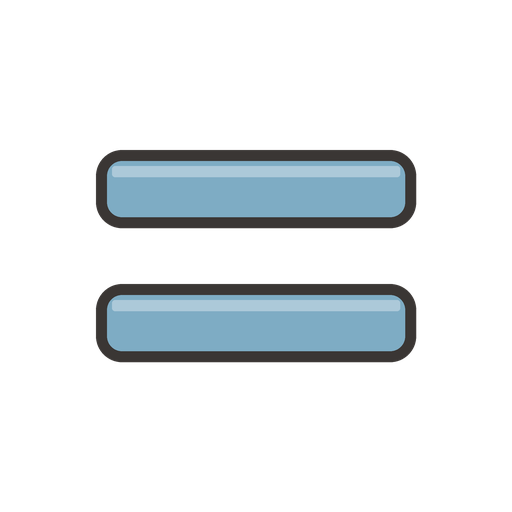 The sign = that shows both sides are worth the same.
- mental arithmetic
 Working out sums in your head, without pen, paper or calculator.
1. Putting two amounts together
Three children play football. Two more children join in. How many children are there in total?
The amounts are put together with addition: 3 + 2 = 5.
2. Addition and sum
Addition puts two amounts together. The sign for addition is +.
The answer to an addition is called the sum. In 3 + 2 = 5, the sum is 5.
The equals sign = tells that both sides have the same amount.
3. Count on the number line
Let us work out 7 + 4.
Start at 7.
Move 4 steps to the right: 8, 9, 10, 11.
So 7 + 4 = 11.4. Pairs that make ten
Pairs that make ten are two numbers whose sum is 10.
For example 6 + 4 = 10. When you know the pairs that make ten by heart, crossing ten works as mental arithmetic.
5. Crossing ten
Let us work out 8 + 5.
First make up the ten: 8 + 2 = 10.
Five splits into two and three: 5 = 2 + 3.
Add the rest: 10 + 3 = 13.
So 8 + 5 = 13.6. Start with the bigger number
The sum stays the same when the order of the numbers changes: 3 + 8 = 8 + 3 = 11.
Start with the bigger number, and there are fewer steps.
3 + 8: eight steps 8 + 3: three steps 7. Discuss in class
1. How can you check that 9 + 6 = 15?
2. Why is it a good idea to start with the bigger number?
3. Make up your own addition that crosses ten.
Summary
Addition puts two amounts together, and its answer is called the sum. On the number line, you start at the first number and move to the right by the second number. Pairs that make ten help with crossing ten: first make up the ten and then add the rest. The sum stays the same when the order of the numbers changes, so start with the bigger number.
Frequently asked questions
What is a sum?
The sum is the answer to an addition. In 8 + 5 = 13, the sum is 13.
What is crossing ten?
In crossing ten, the sum is greater than 10, for example 8 + 5. You can do the calculation by making up the ten first: 8 + 2 = 10 and 10 + 3 = 13.
How can an addition be checked?
Add the numbers in the other order: 5 + 8 = 13. If the sum is the same, the calculation is probably right.