
Ancient China: teaching, slides and questions
The Yellow River, dynasties, the first emperor, terracotta warriors, the Great Wall and the Silk Road, with pictures and maps, for grades 4–6.
The ancient Chinese civilization arose along the Yellow River and the Yangtze. The article looks at the time from about 1600 BCE to 220 CE. It suits history in grades 4–6, and every step can be shown to the class as a slide.
By the end, pupils can tell where and when ancient China was, what a dynasty is and why Qin Shi Huang is important. They know the words dynasty, emperor, millet, rice, silk and Silk Road.
Key concepts
- ancient Chinese civilization
 Ancient Chinese civilization arose along the Yellow River more than 3,000 years ago. The writing used under the Shang dynasty is an early form of today's Chinese script. China later gave the world inventions such as paper and gunpowder.
- river valley civilization
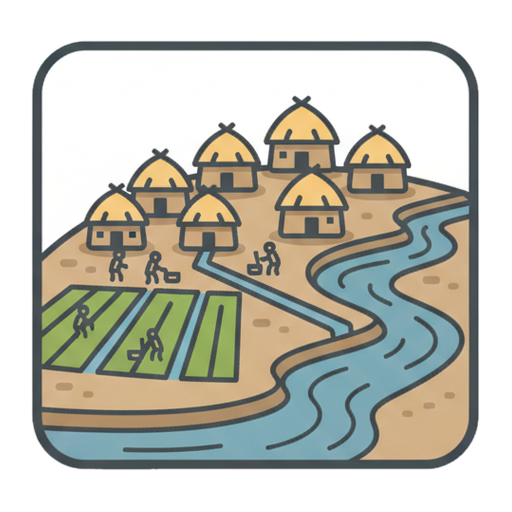 A river valley civilization is an early civilization that grew up along a large river. Such civilizations arose by the Nile, the Euphrates and Tigris, the Indus and the Yellow River. Fertile land and irrigation produced plenty of food, so populations grew and cities could form.
- dynasty
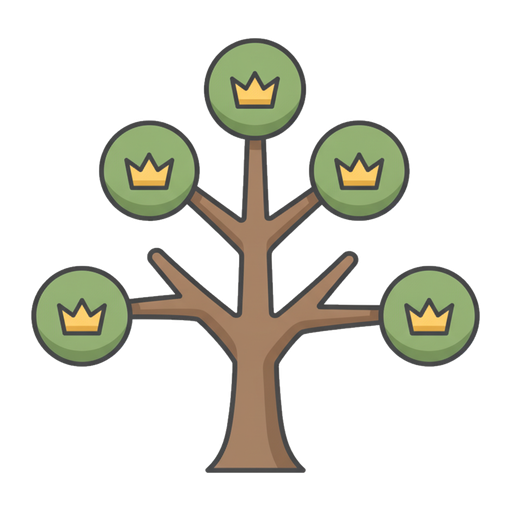 A dynasty is a family whose members rule a country one after another, with power often passing from parent to child. For example, the Ming dynasty ruled China for centuries and the House of Vasa ruled Sweden. History is often divided according to dynasties.
- millet
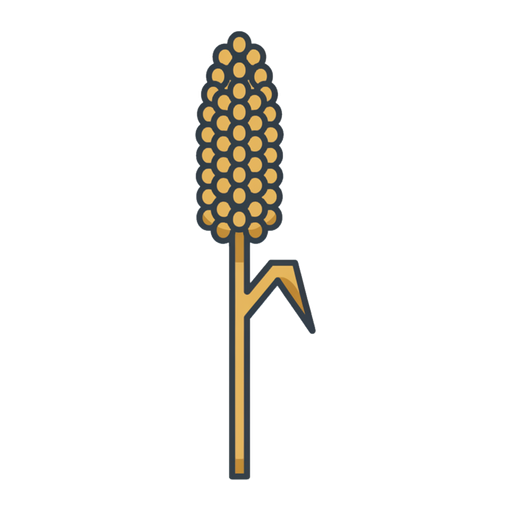 Millet is a cereal plant with tiny round grains. It can stand drought and is an important food in parts of Africa and Asia, for example.
- rice
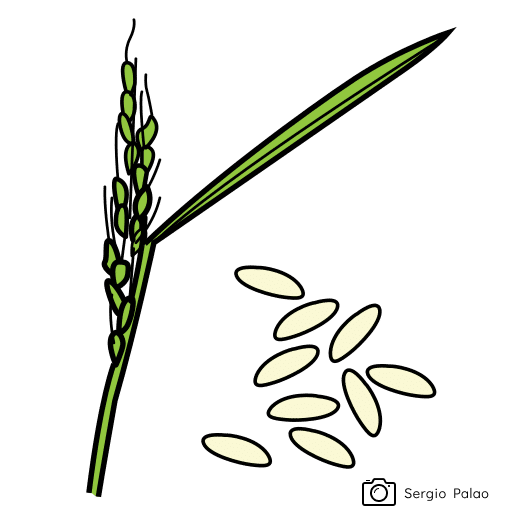 Small white grains that are cooked to make food.
- coin
 A small, round piece of metal money.
- paper
 A writing material invented in China. Paper was made in the Islamic world from the 700s, and from there the skill spread through Spain to Europe. Paper was cheaper than parchment, so more books could be made.
- compass
 An instrument whose magnetic needle always points north. The compass was invented in China, and in Europe it came into use at sea in the 1200s. With it, sailors dared to sail far out into the open sea.
Related exercises
There is no exercise for this topic yet
Teacher or creator: make the first exercise with Puro Editor and choose Ancient China as its topic. It will appear here as soon as it is published.
1. What do you know about China?
What kind of rivers flow in China?
Who was the first emperor of China?
Why was the Great Wall built?
What was carried from China along the Silk Road?2. Two rivers and two grains
Ancient China arose along two rivers. In the north flows the Yellow River, also called the Huang He, and in the south the Yangtze. In the north people grew millet, and in the damp south rice. Fertile land made China a river valley civilization.
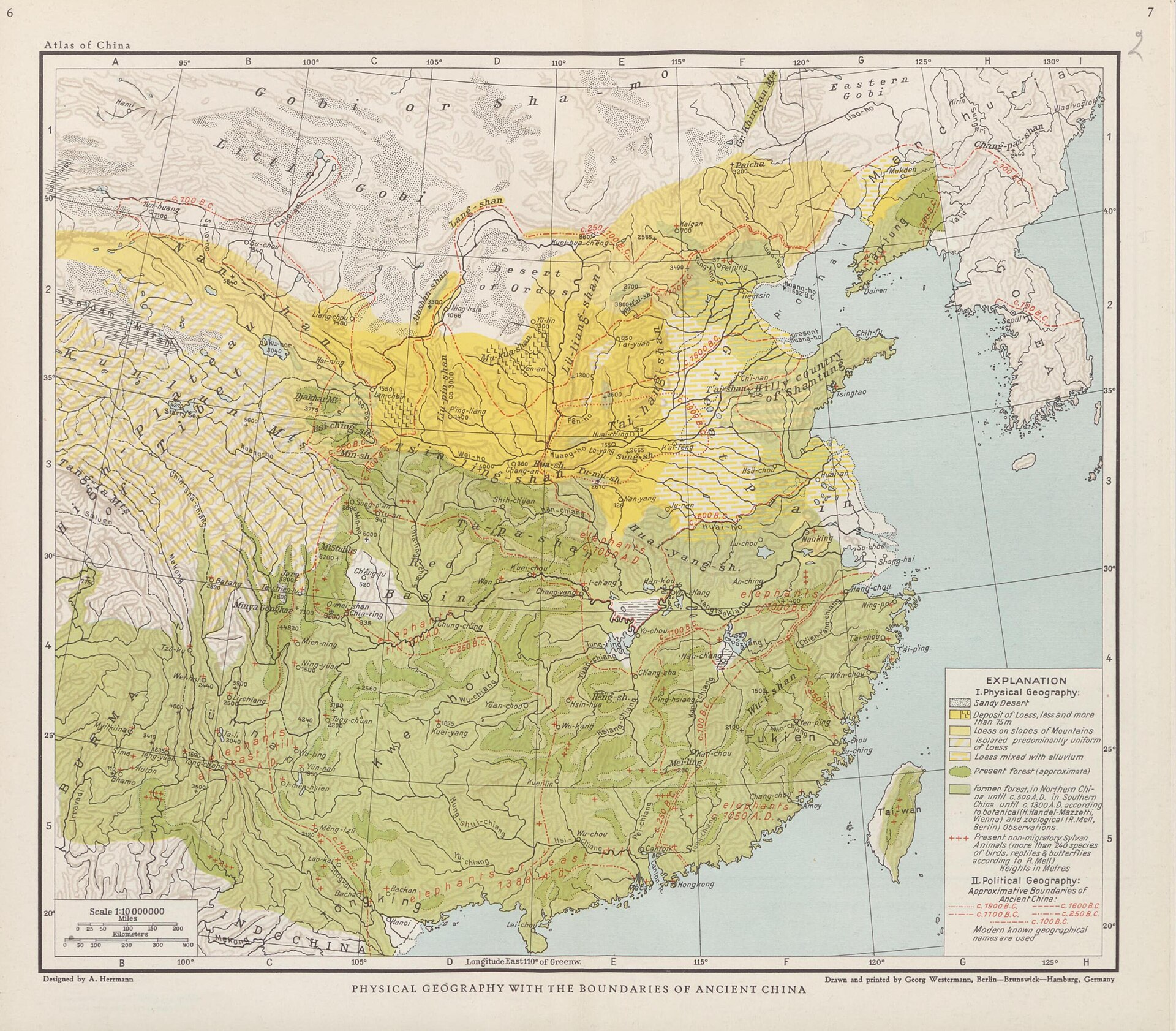
An old map of the heartland of China. Yellow is wind-blown loess soil. The names are in English and in an old spelling.. Photo: Physical Geography with the Boundaries of Ancient China, Albert Herrmann ja Georg Westermann, Public domain, modified: reduced in size 3. Dynasties rule
A dynasty is a family whose members rule a country one after another. The history of China is divided into dynasties. The years are estimates by researchers. From the Shang period we have bronzes and early writing.
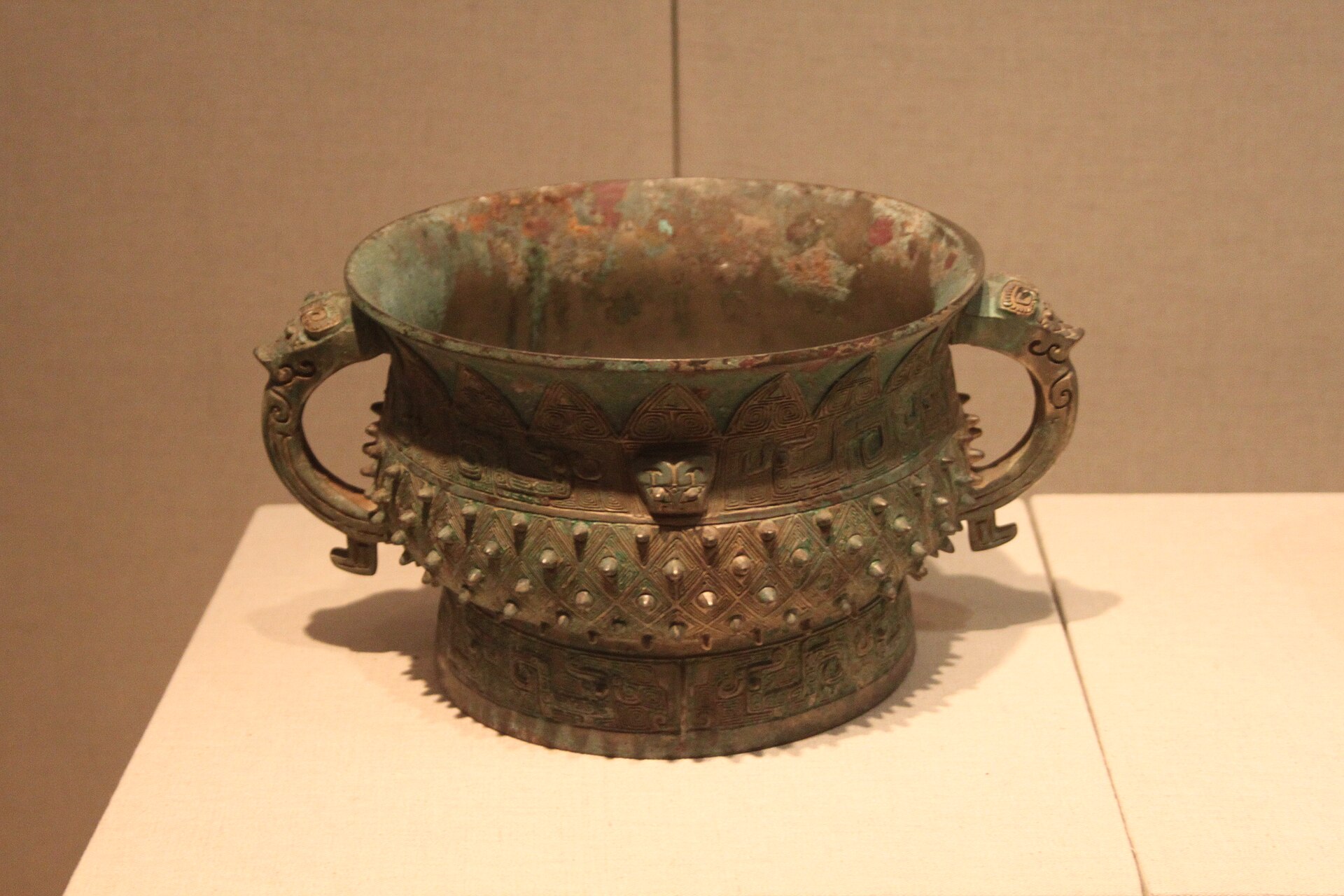
A bronze vessel from the Shang period. Vessels like this were used in rituals of offering.. Photo: Late Shang Bronze Gui 01, Gary Todd, CC0, modified: reduced in size 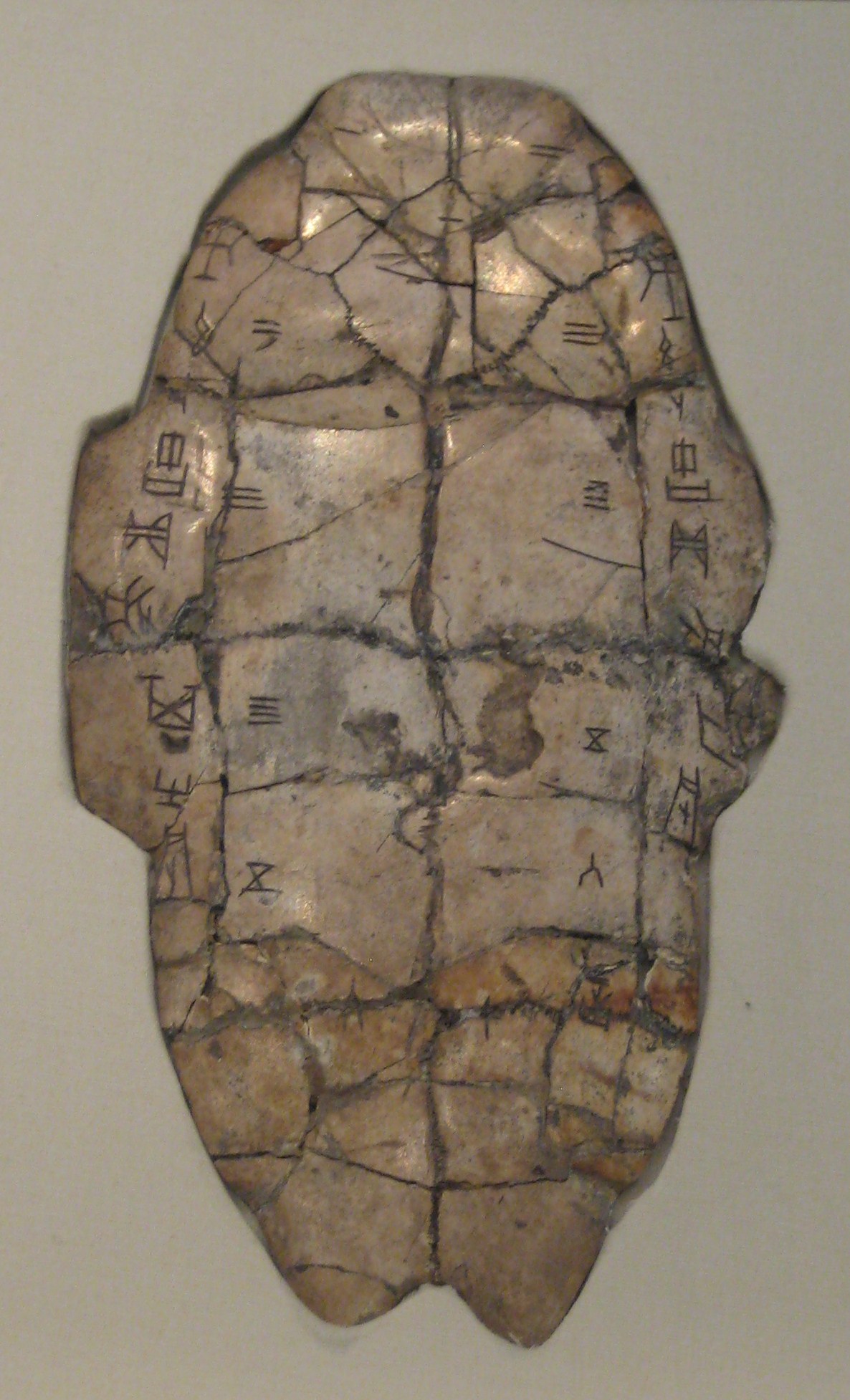
An oracle bone, a turtle shell with signs carved into it. They are among the oldest known Chinese writing.. Photo: Shang dynasty inscribed tortoise plastron, BabelStone, CC BY-SA 3.0, modified: reduced in size 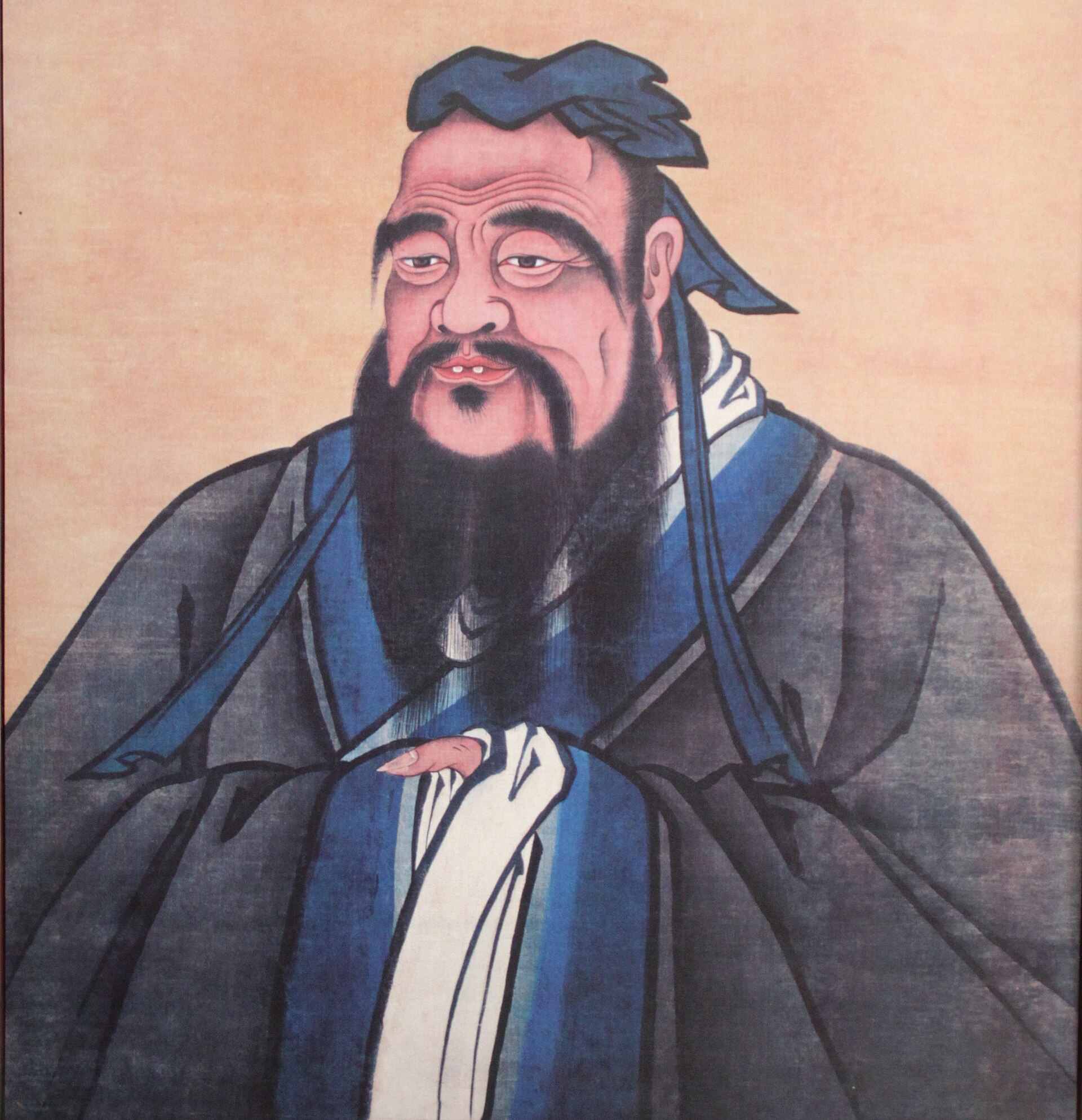
A portrait of Confucius in Qufu. There is no true likeness of him; the portraits are later.. Photo: Portrait of Confucius at Leisure (Kongzi Family Mansion, Qufu), tuntematon taiteilija, Public domain, modified: reduced in size 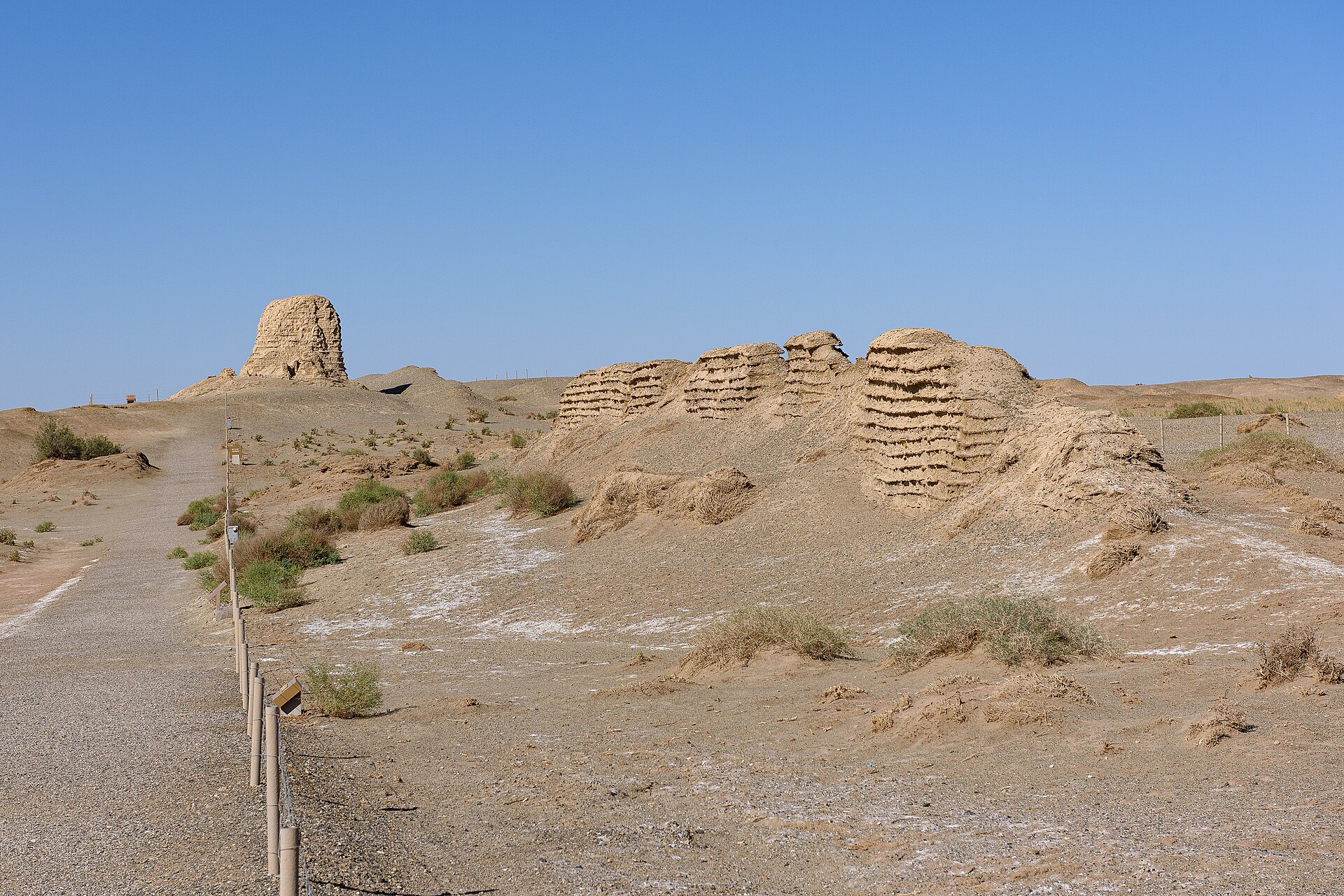
Remains of a Han-period wall near Yumenguan in the desert. The wall is made of packed earth.. Photo: Site of Han Dynasty Great Wall at Yumenguan (20230917105206), N509FZ, CC BY-SA 4.0, modified: reduced in size - about 1600 BCE The Shang dynasty rules. Bronze vessels are made.
- about 1200 BCE Priests carve questions into bones and shells
- about 1046 BCE The Zhou dynasty overthrows the Shang
- about 551 BCE Confucius is born and teaches respect
- 221 BCE Qin unites China, and the country has an emperor
- 206 BCE The Han dynasty begins and extends the wall to the west
4. Qin Shi Huang: the first emperor
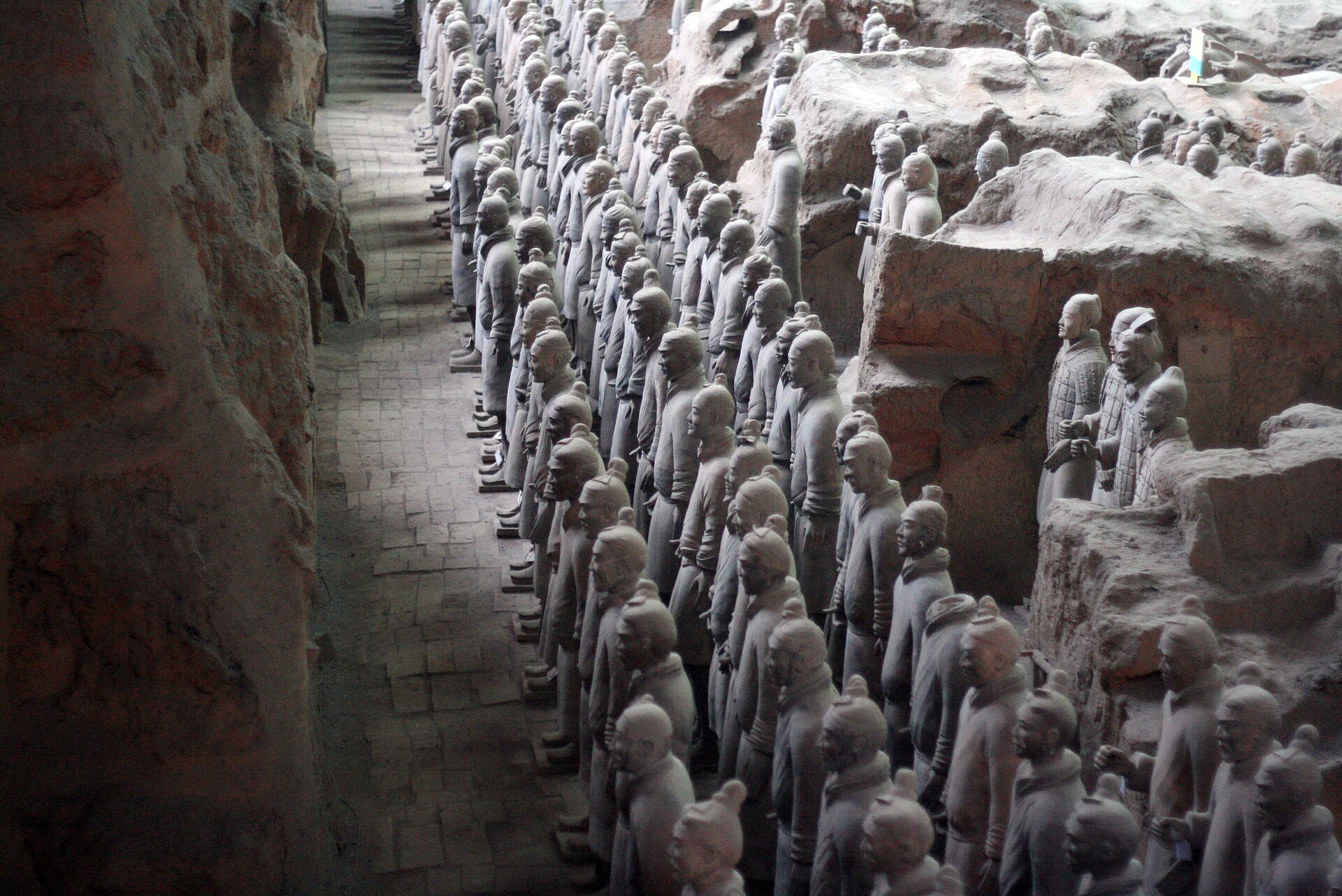
The king of the state of Qin united China in 221 BCE and became the first emperor. He ordered the same writing, the same measures and the same coins for the whole country. Thousands of terracotta warriors were made for his tomb. Farmers found them in 1974.
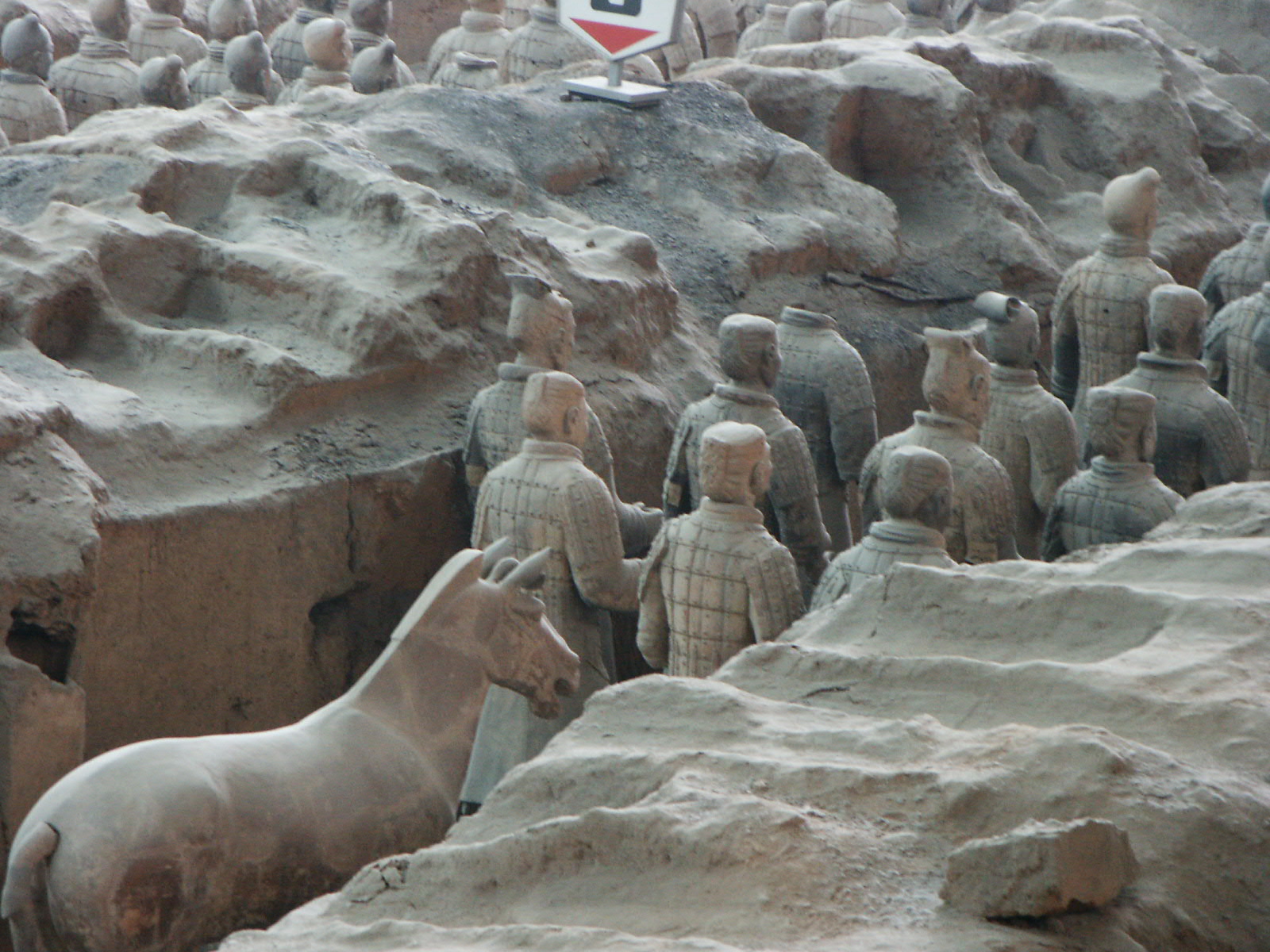
Terracotta warriors and a clay horse at the excavation. The soldiers have different clothes and hairstyles.. Photo: Qin Shihuang Terracotta Army, Pit 1, Gary Todd, CC0, modified: reduced in size 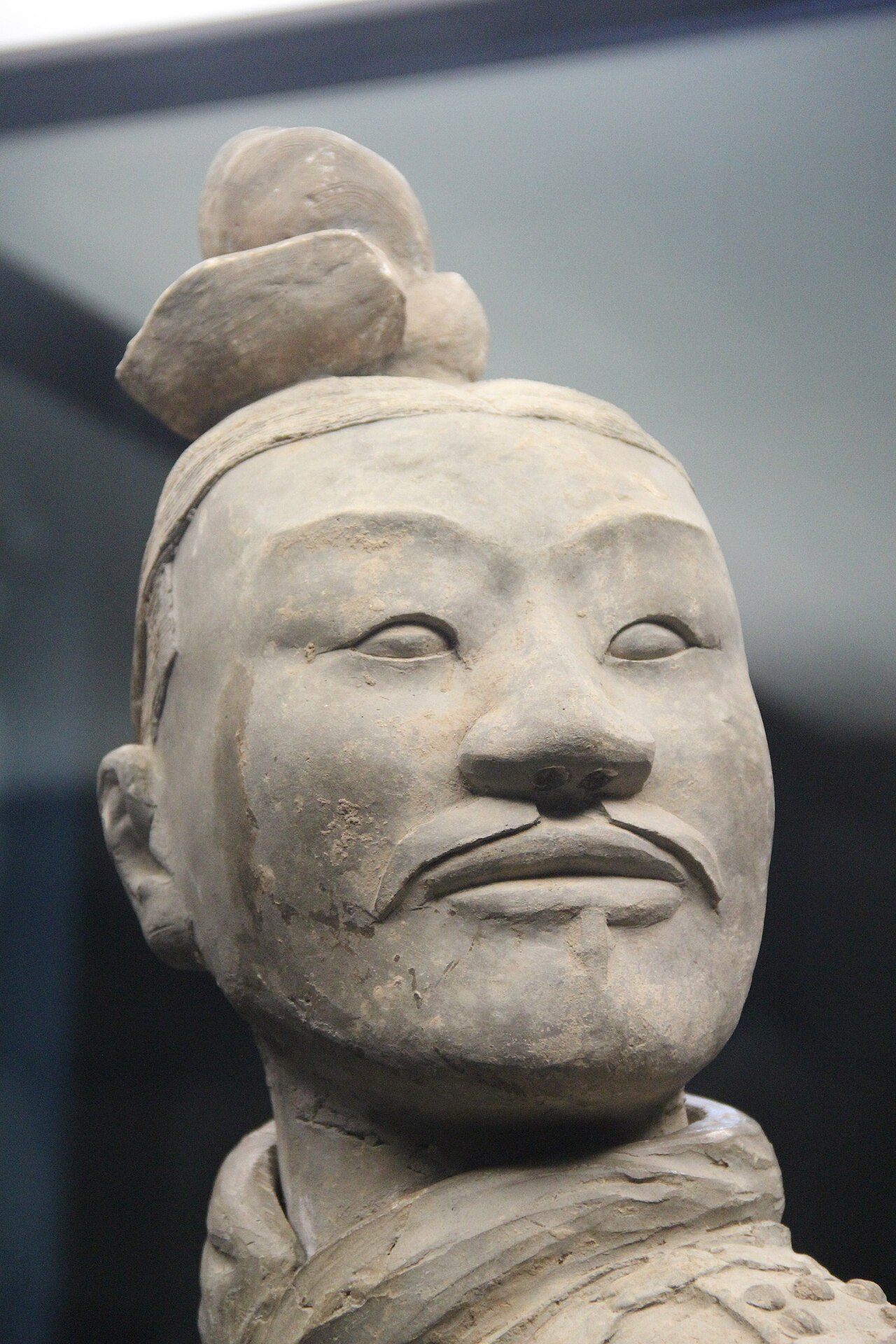
A close-up of the head of a terracotta warrior. The soldiers were made of clay and painted.. Photo: 2011 Qin Terracotta Kneeling Archer, Gary Todd, CC0, modified: reduced in size 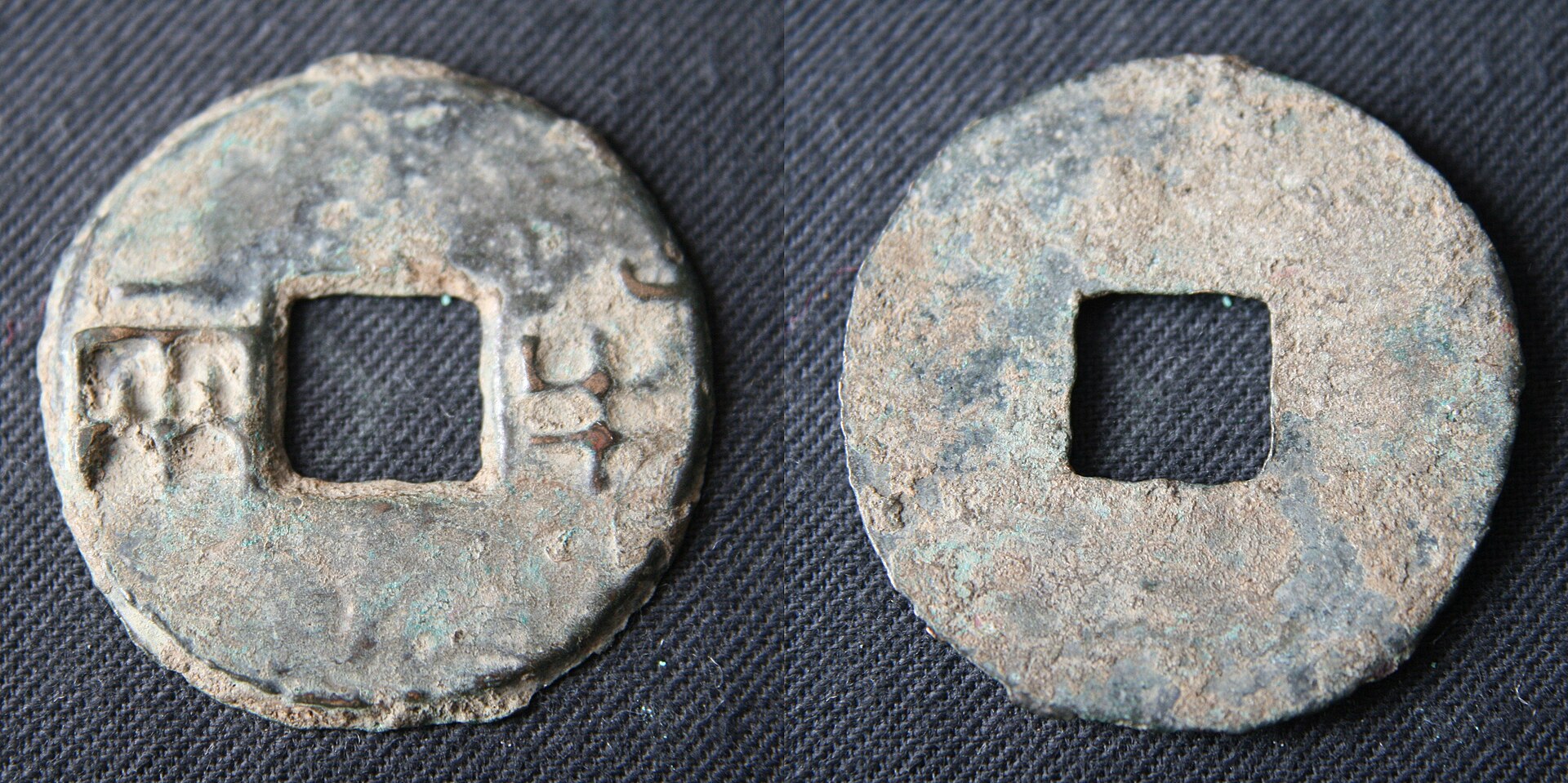
A coin from the Qin period. The coin has a square hole, and similar ones were used all over the country.. Photo: 027 S-83 Qin Ban Liang, 221-208, 30mm, Gary Lee Todd, Ph.D., CC0, modified: reduced in size 5. The Great Wall
Different states built walls even before the Qin emperor. Qin joined old walls in the north. Most of the stone wall known today was built by the Ming dynasty (1368–1644). The wall consists of many parts from different periods.
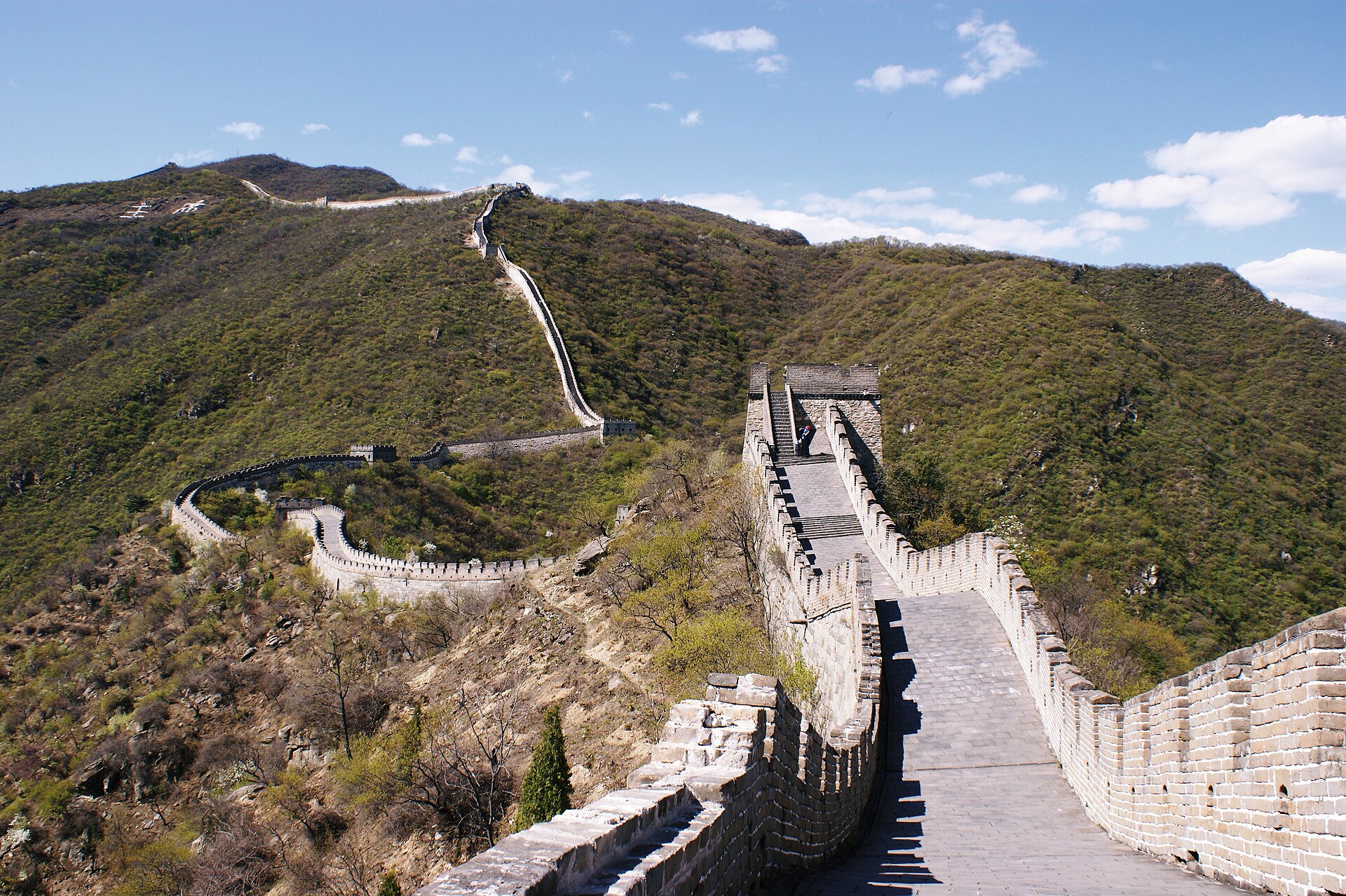
The Great Wall at Mutianyu near Beijing. This stone wall and its towers were mostly built in the Ming period.. Photo: The Great Wall of China (50603737088), Hugh Llewelyn from Keynsham, UK, CC BY-SA 2.0, modified: reduced in size 6. The Silk Road and inventions
In the Han period, silk was carried from China to the west along the Silk Road. For a long time, silk could only be made in China. Paper is one of China's inventions. Printing and the compass also developed in China.
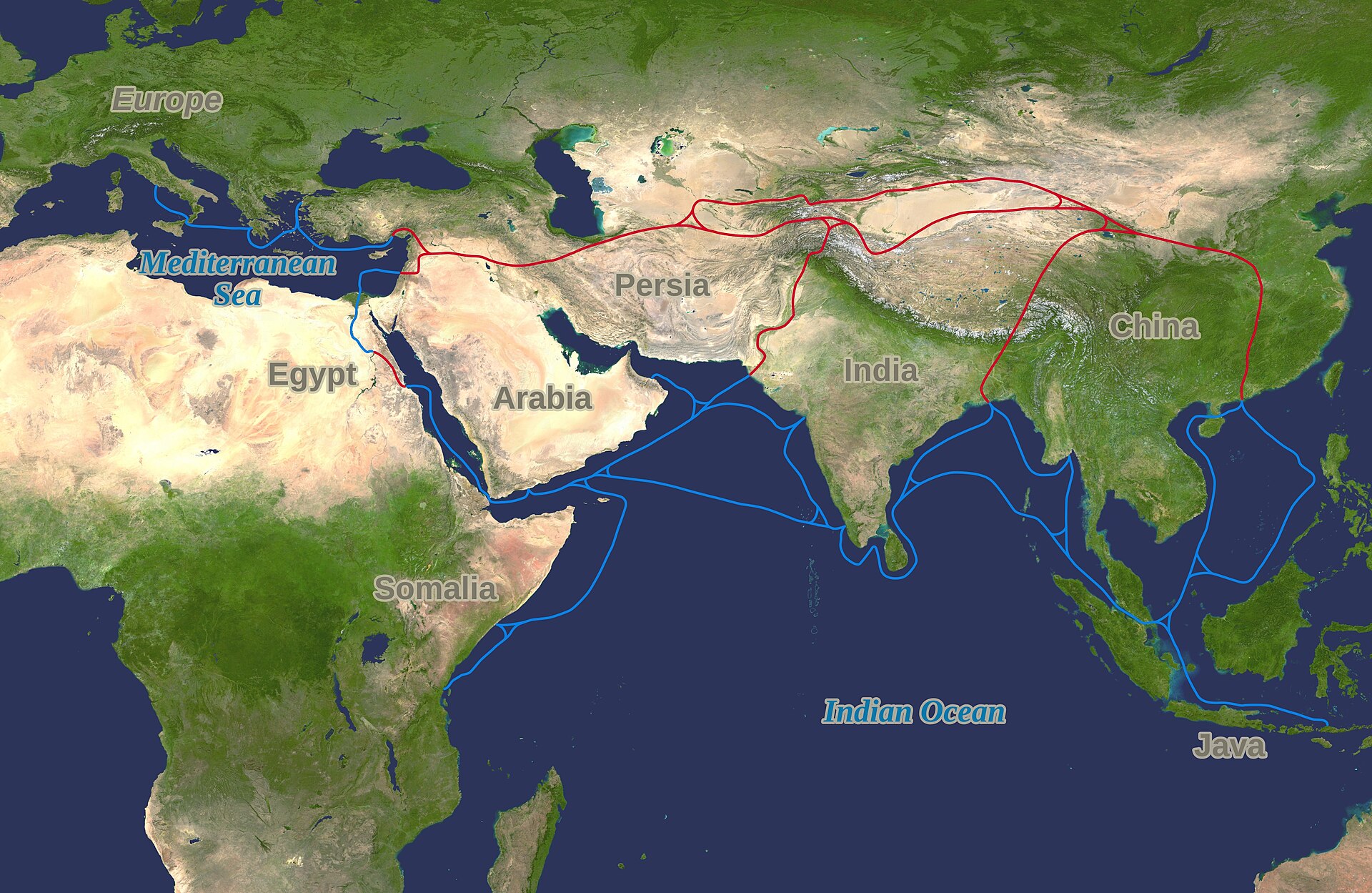
The Silk Road in red (land route) and sea routes in blue. The routes are approximate. The names are in English.. Photo: Silk route, NASA/Goddard Space Flight Center (pohjakuva), Splette (muokkaus), Public domain, modified: reduced in size 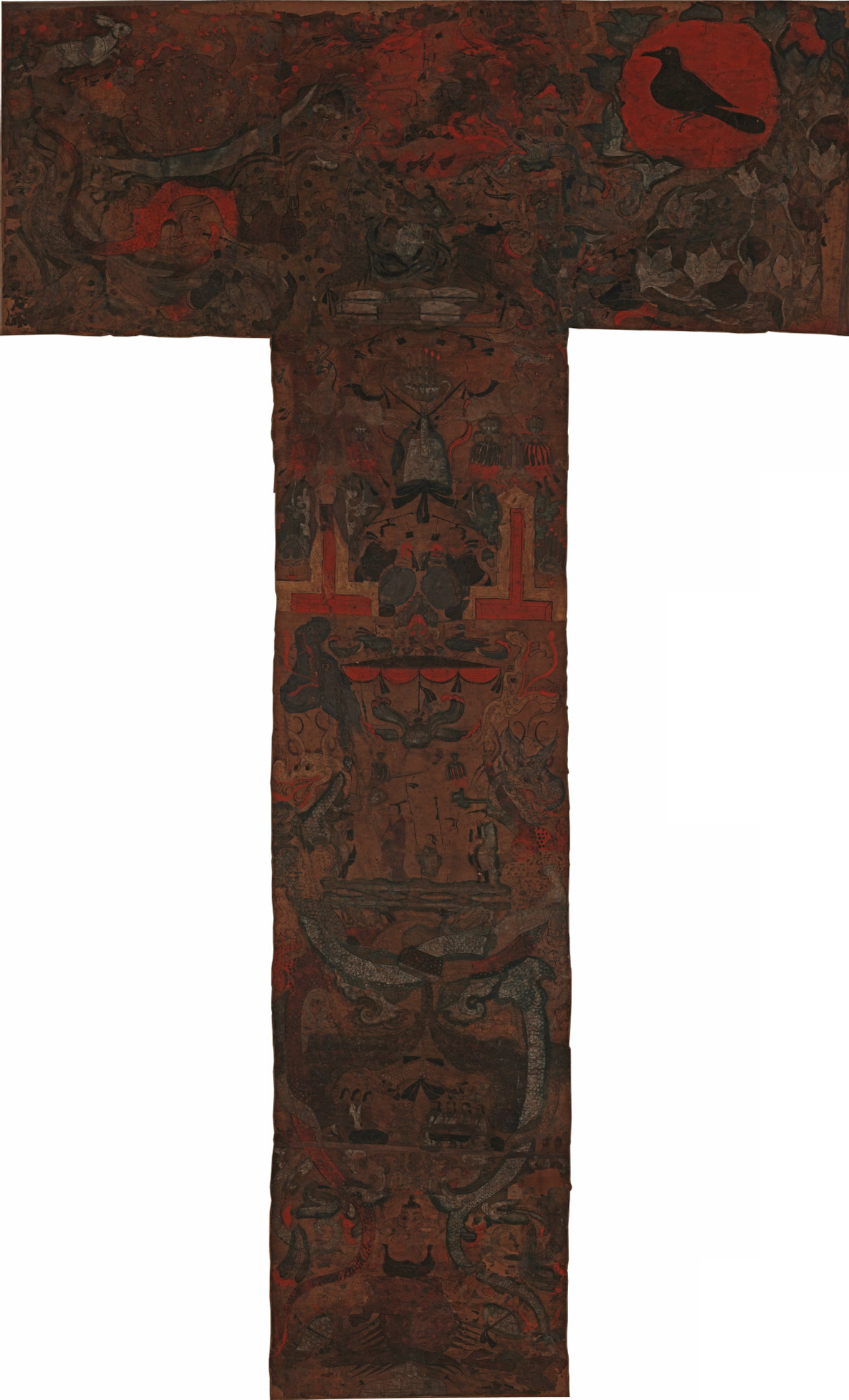
A banner painted on silk from a Han-period tomb at Mawangdui (about the 100s BCE). Silk was a valuable cloth.. Photo: Mawangdui silk banner from tomb no3, tuntematon Han-ajan taiteilija (kuva: Hunanin maakuntamuseon digitaalinen näyttely), Public domain, modified: reduced in size 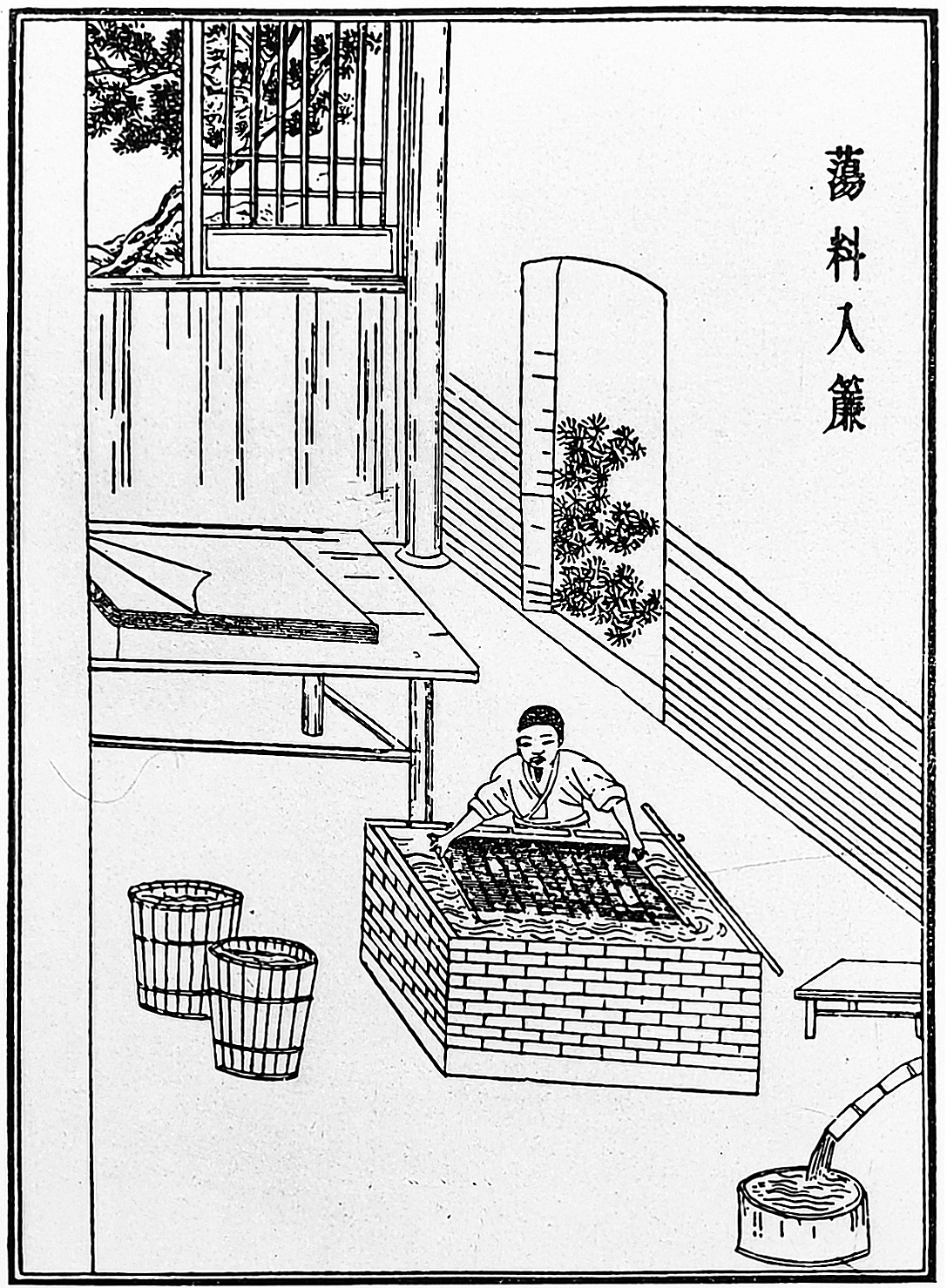
Making paper, in a drawing from the Ming period. The invention of paper is traditionally credited to Cai Lun in 105 CE.. Photo: Five Steps of Papermaking - Step 3 - Casting the Paper Pulp - As described by Cai Lun in 105 CE, tuntematon Ming-ajan taiteilija, Public domain, modified: reduced in size 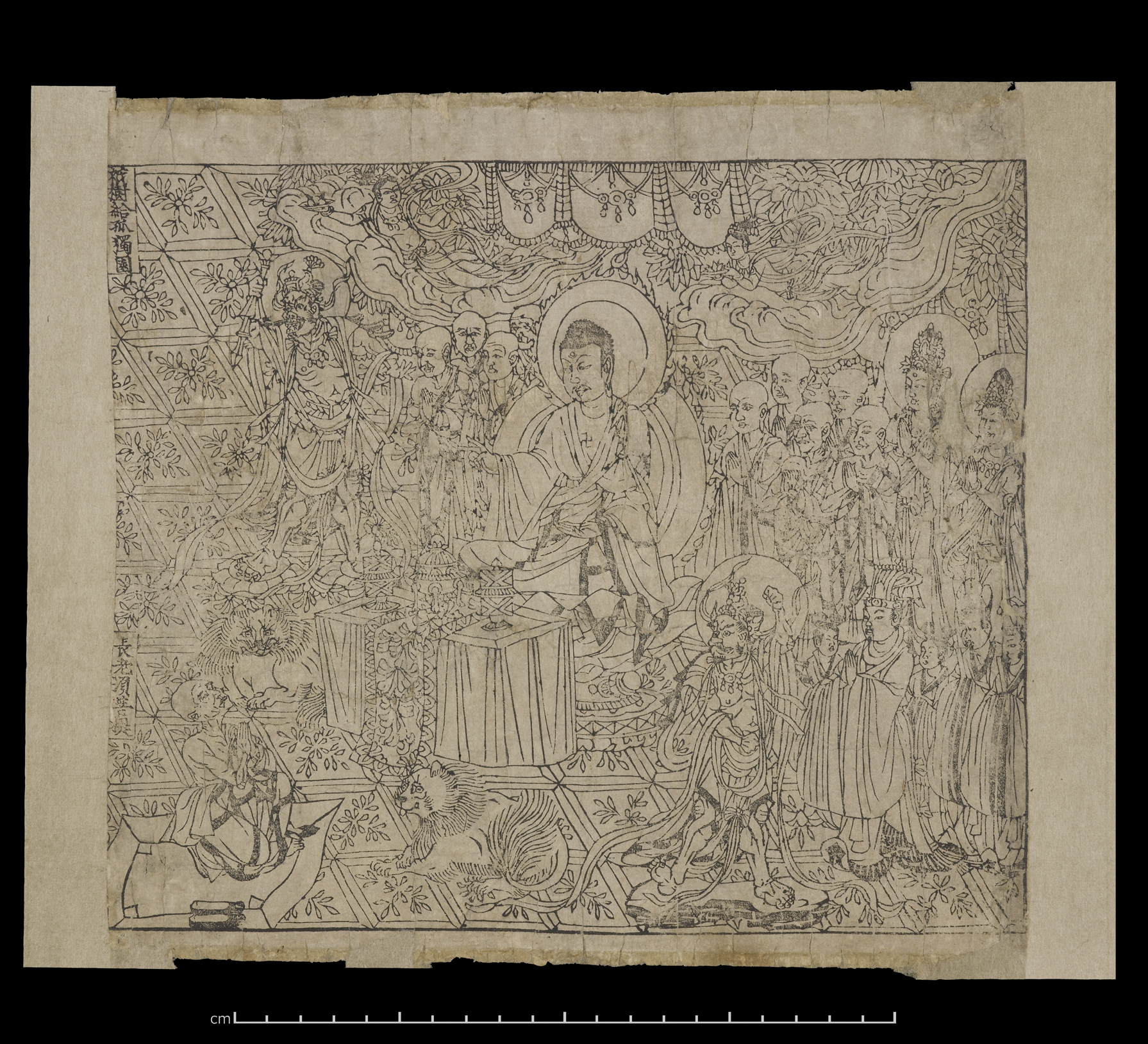
The Diamond Sutra from 868 CE. It is the oldest known dated printed book, and its picture is printed with a woodcut.. Photo: Diamond sutra, International Dunhuang Project, Public domain, modified: reduced in size 7. Think in pairs
Why were rivers important for ancient China?
Why did the emperor want the same coins and measures for the whole country?
What do the terracotta warriors tell us about the past?
Why is the Great Wall not one wall but many parts from different periods?


Summary
Ancient China arose along the Yellow River and the Yangtze, where people grew millet and rice. A dynasty is a family that rules a country one after another, such as the Shang, Zhou, Qin and Han. The Shang oracle bones carry some of the oldest Chinese writing. Qin Shi Huang united China in 221 BCE, and thousands of terracotta warriors stand by his tomb. Most of today's Great Wall is from the Ming period. In the Han period, the Silk Road connected China with the west.
Frequently asked questions
Was the Great Wall built all at once?
No. Different states and dynasties built walls over more than a thousand years. Qin joined old walls in the north. Most of the stone wall today is from the Ming period, from the late 1300s to the 1600s.
What does dynasty mean?
A dynasty is a family whose members rule a country one after another. Power was often passed from parent to child. The history of China is divided by dynasty, for example the Shang, Zhou, Qin and Han.
Why were the terracotta warriors made?
They were made for the tomb of Emperor Qin Shi Huang. According to researchers, the soldiers were the emperor's guards after death. Farmers found the soldiers in 1974, and archaeologists have been digging them out ever since.