
The Olympic Games of ancient Greece: slides and questions
Where and when did the ancient Olympic Games begin, what was the sacred truce and what was the winner's prize? Pictures and questions for grades 4–6.
The Olympic Games began in ancient Greece, at the sacred site of Olympia. The article suits history in grades 4–6, and every step can be shown to the class as a slide.
By the end, pupils know where and when the Games began, what the sacred truce was, what events there were at the Games and what the winner's prize was.
Key concepts
- Olympic Games
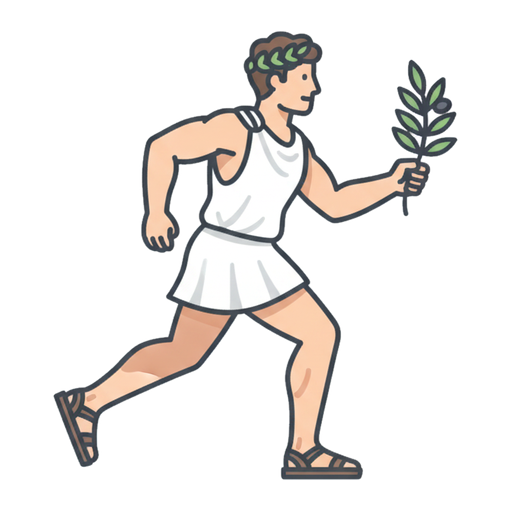 Sports games held at Olympia every four years in honour of Zeus, first in 776 BC. The events included running, wrestling and chariot racing. The winner was given a wreath woven from olive branches.
- column
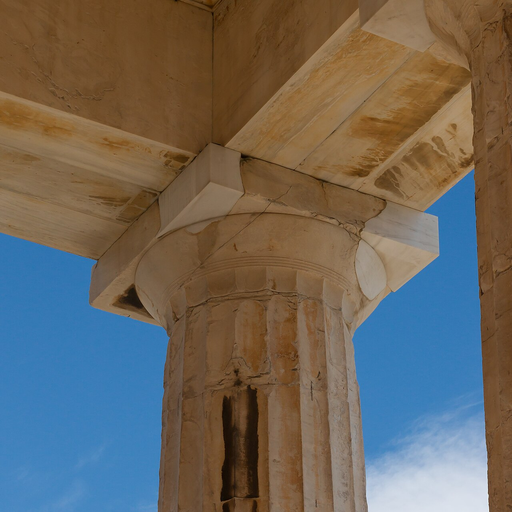 A tall round stone post that holds up a roof. The Greeks had three orders of column: the plain Doric, the Ionic with scrolls, and the Corinthian decorated with leaves. The same styles are still used in buildings today.
- amphora
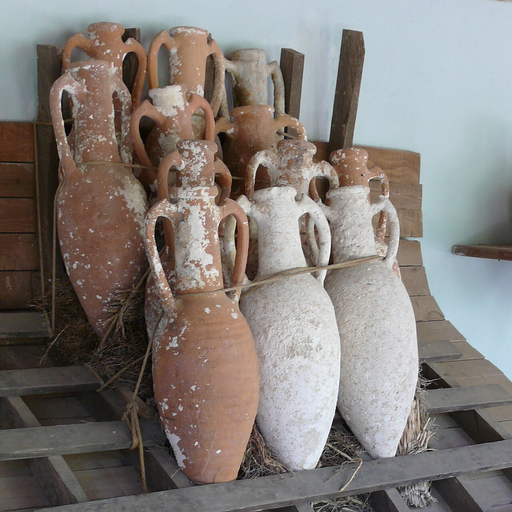 A clay jar with two handles, used to store and carry olive oil, wine and grain. Pictures of gods, heroes and athletes were often painted on amphorae. Winners of the Panathenaic Games in Athens were given amphorae full of olive oil as prizes.
- hoplite
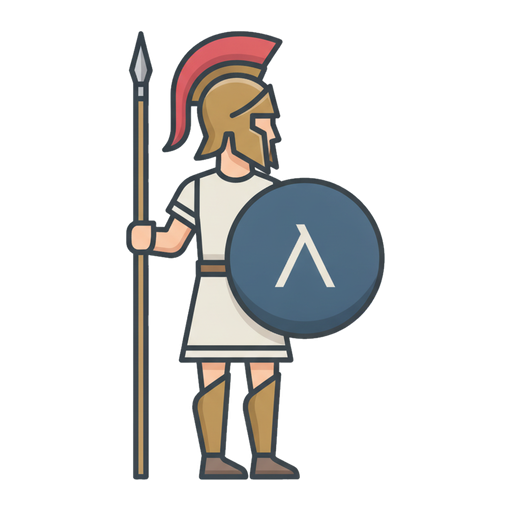 A Greek foot soldier with a bronze helmet, a large round shield and a spear. Hoplites fought in a tight formation, the phalanx, where each man's shield also protected his neighbour. They were ordinary citizens who bought their own equipment.
Related exercises
There is no exercise for this topic yet
Teacher or creator: make the first exercise with Puro Editor and choose Ancient Greece as its topic. It will appear here as soon as it is published.
1. The Greece of city-states
Ancient Greece was not one state but many city-states, such as Athens and Sparta. The cities competed with each other, but the Greeks had a common language, common gods and common games.
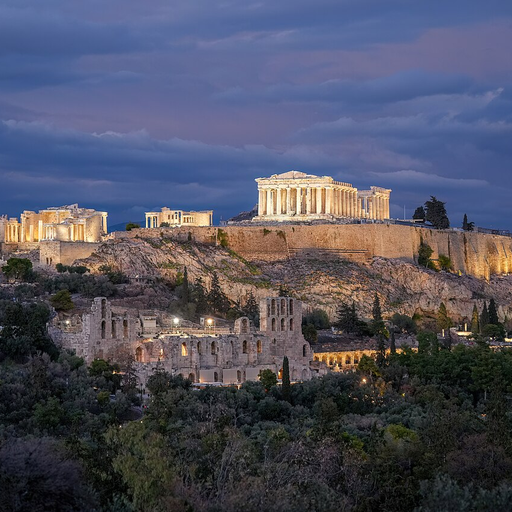
The Acropolis in Athens. Photo: 1029 Acropolis of Athens in Greece at night Photo by Giles Laurent, Giles Laurent, CC BY-SA 4.0, modified: cropped to 512 × 512 px 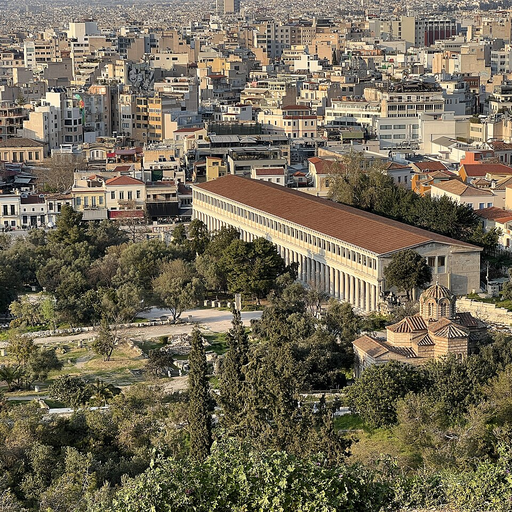
The agora, the marketplace of the city of Athens. Photo: Agora - Athènes (GRA1) - 2022-03-26 - 97, Chabe01, CC BY-SA 4.0, modified: cropped to 512 × 512 px 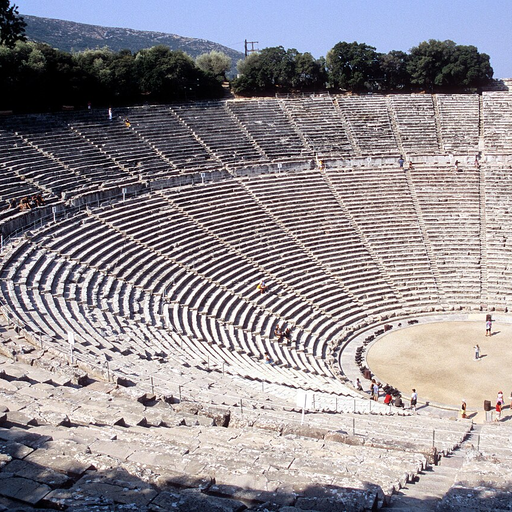
The ancient theatre of Epidaurus. Photo: Theatre of Epidaurus OLC, Olecorre, CC BY-SA 3.0, modified: cropped to 512 × 512 px 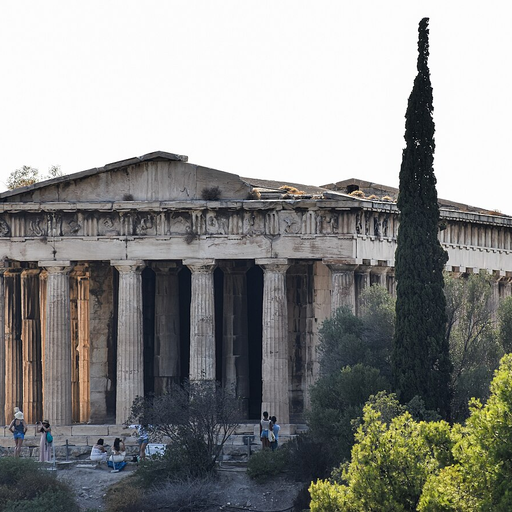
The Temple of Hephaestus in Athens. Photo: Temple of Hephaestus viewed from the Stoa of Attalos in Athens, Greece, Julian Lupyan, CC0, modified: cropped to 512 × 512 px 2. Olympia: the sacred place of Zeus
Olympia was a sacred place in ancient Greece where the king of the gods, Zeus, was honoured. Sports games were held there every four years. The Games came to be called the Olympic Games after the place.
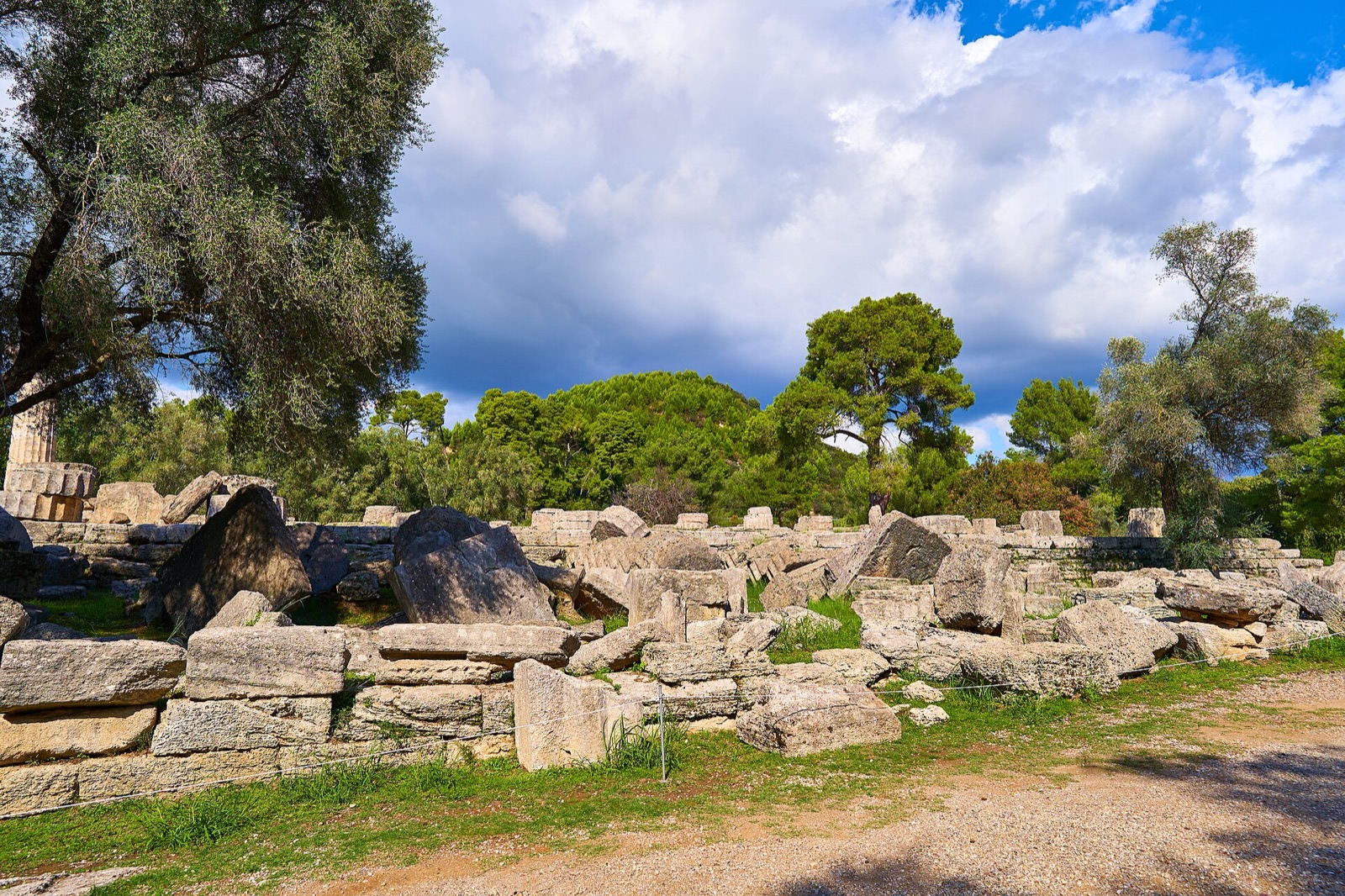
Ruins of the Temple of Zeus in Olympia. Photo: The ruins of the Temple of Zeus (Olympia) on October 14, 2020, George E. Koronaios, CC BY-SA 4.0, modified: reduced in size 3. Where is Olympia?
Olympia was in the western part of the Peloponnese. Athletes came to the Games from many city-states, for example from Athens and Sparta.
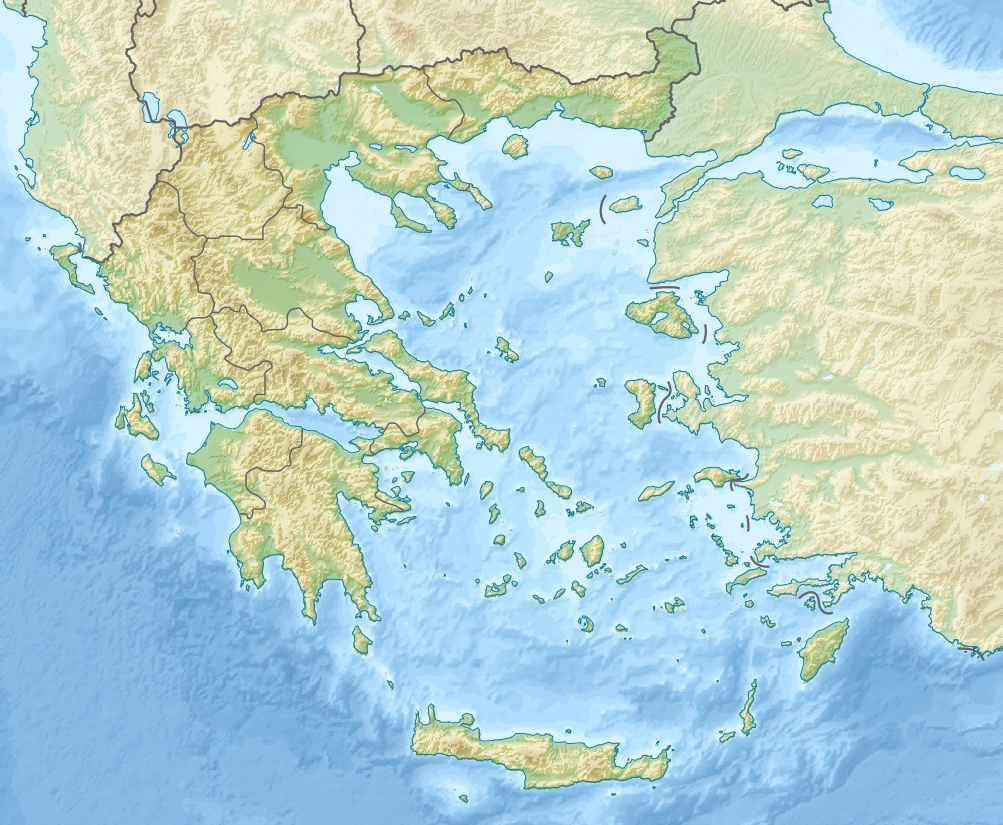
Photo: Greece relief location map.jpg, Lencer / Uwe Dedering, CC BY-SA 3.0 4. Altis: the sacred grove of Zeus
In the middle of Olympia was the sacred area Altis. In it were the temples of Zeus and Hera, held up by columns, and the altar of Zeus. The sites for the Games, such as the stadium and the training ground, were next to the area.
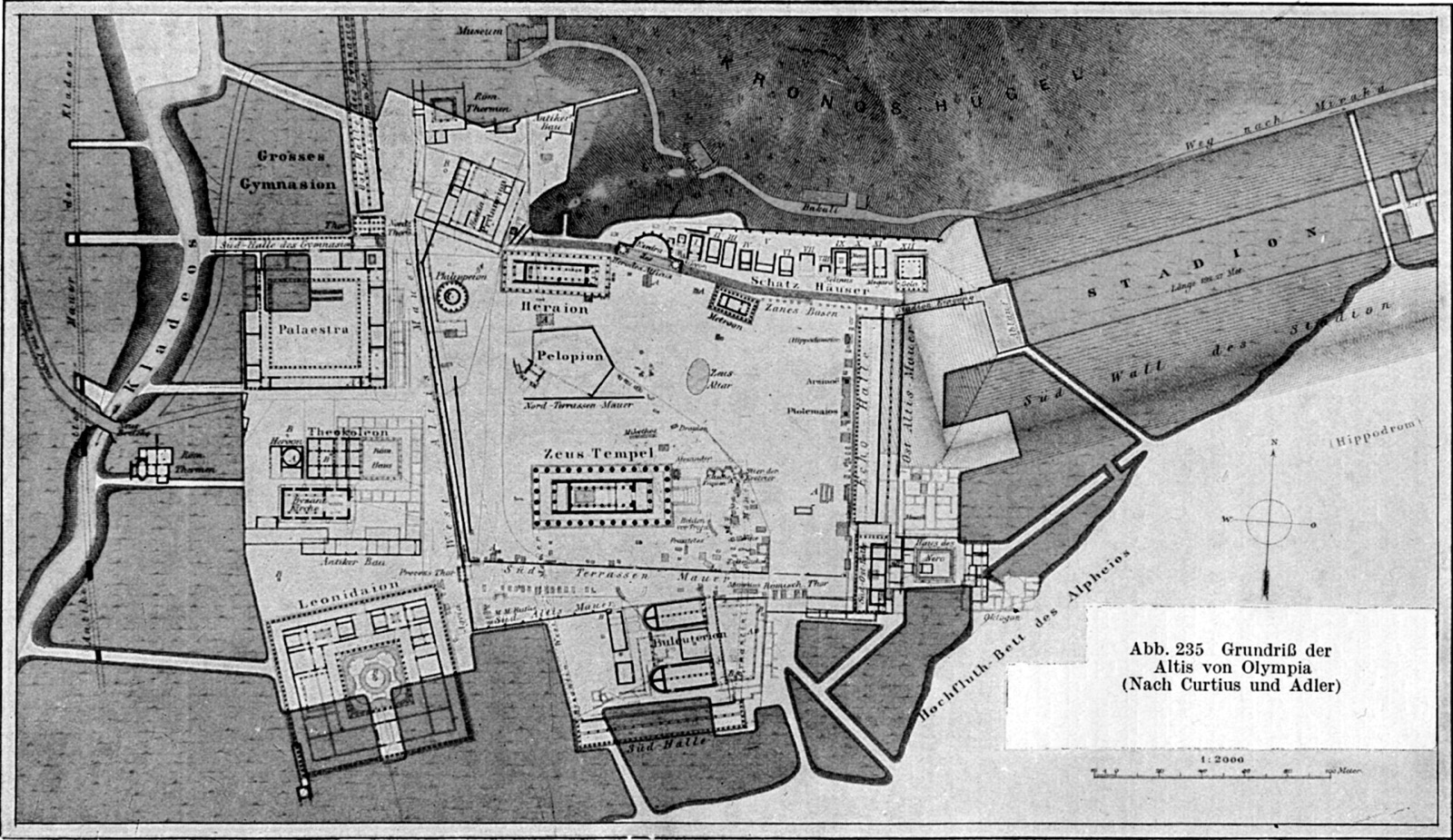
Ground plan of the sacred area Altis (names on the map in German). Photo: Grundriß der Altis von Olympia (Olympia-2.jpg), Curtius ja Adler; julkaistu teoksessa Lübke–Semrau, Grundriß der Kunstgeschichte, Public domain, modified: reduced in size 5. The statue of Zeus by Phidias
In the Temple of Zeus stood a giant statue made by the sculptor Phidias. The seated Zeus was about 12–13 metres tall and made of gold and ivory. The statue has been lost, and the picture is a later reconstruction.
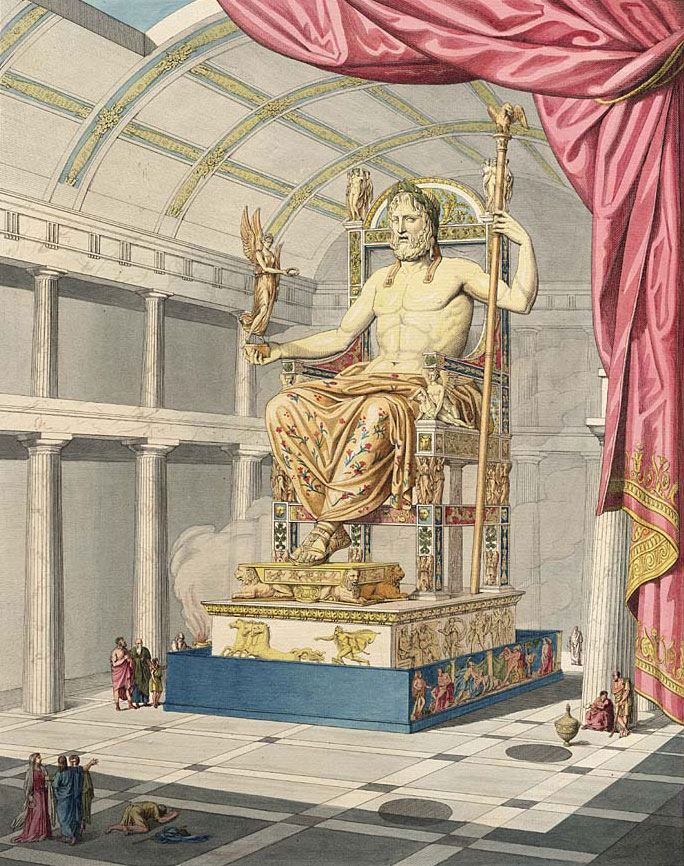
The statue of Zeus at Olympia, an artist's reconstruction from 1815. Photo: Le Jupiter Olympien ou l'art de la sculpture antique, Antoine Quatremère de Quincy, Public domain 6. The story of the Games
See how the ancient Games began and ended. The years are traditional: the exact beginning and end are not known.
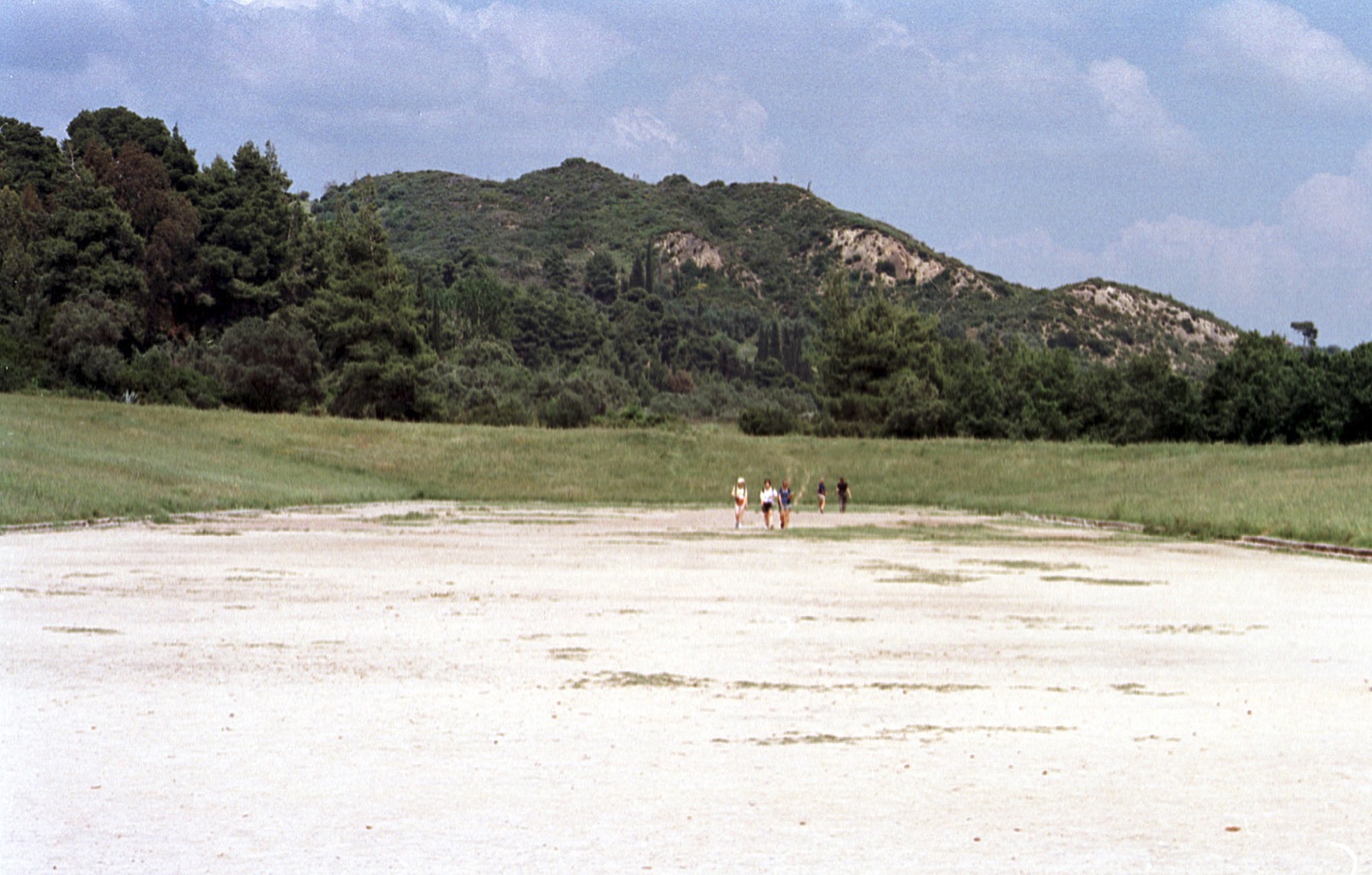
Photo: Stadium at Olympia (II), Institute for the Study of the Ancient World, CC BY 2.0, modified: reduced in size 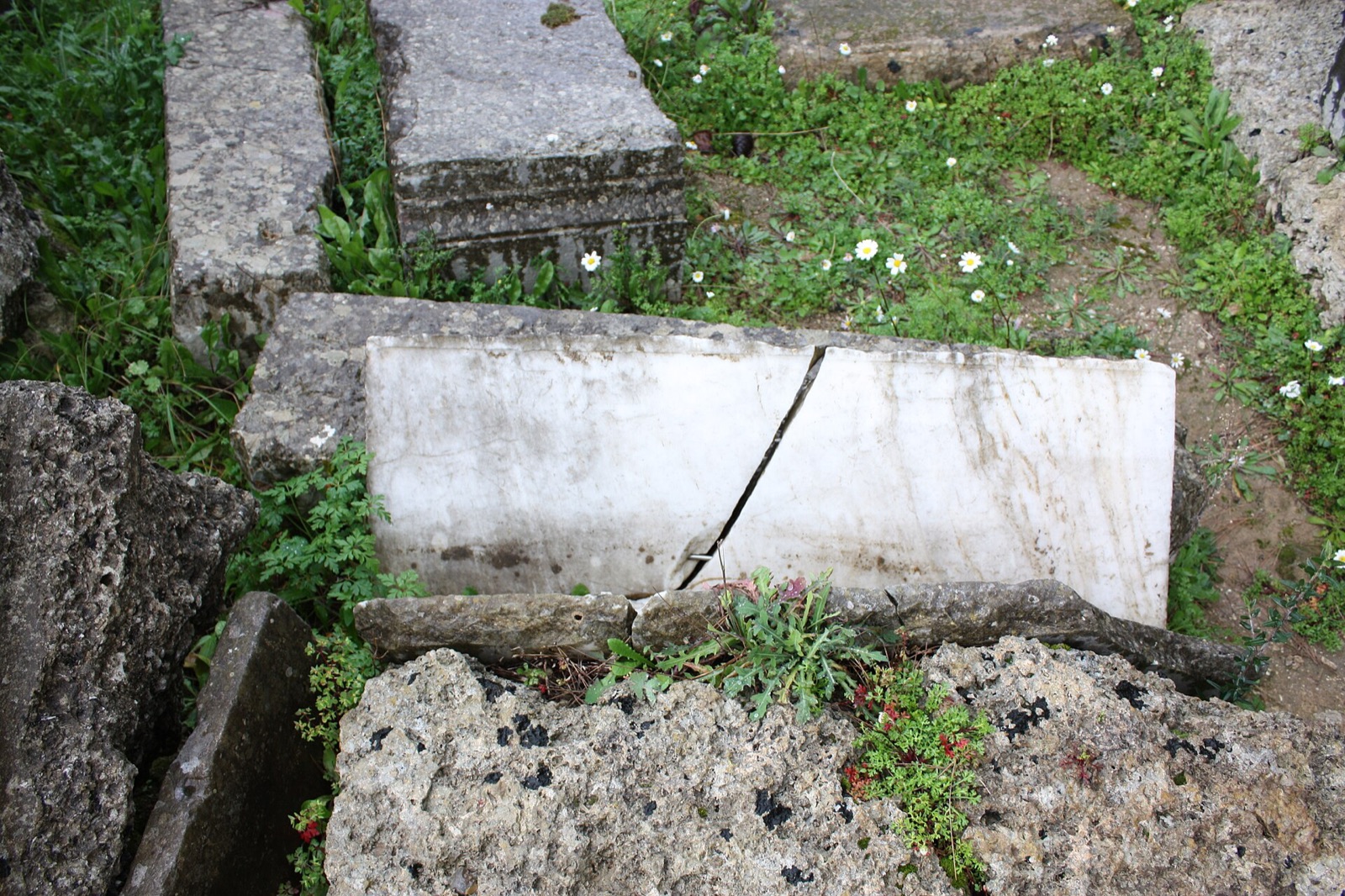
Photo: Olympia ruins near the Temple of Zeus 3, Wknight94, CC BY-SA 3.0, modified: reduced in size - 776 BCE The traditional year of the first recorded Games at Olympia
- 5th century BCE The Temple of Zeus is completed at Olympia, and the statue of Zeus by Phidias is placed inside it
- 393 CE The last known Games (the end is uncertain)
7. The sacred truce
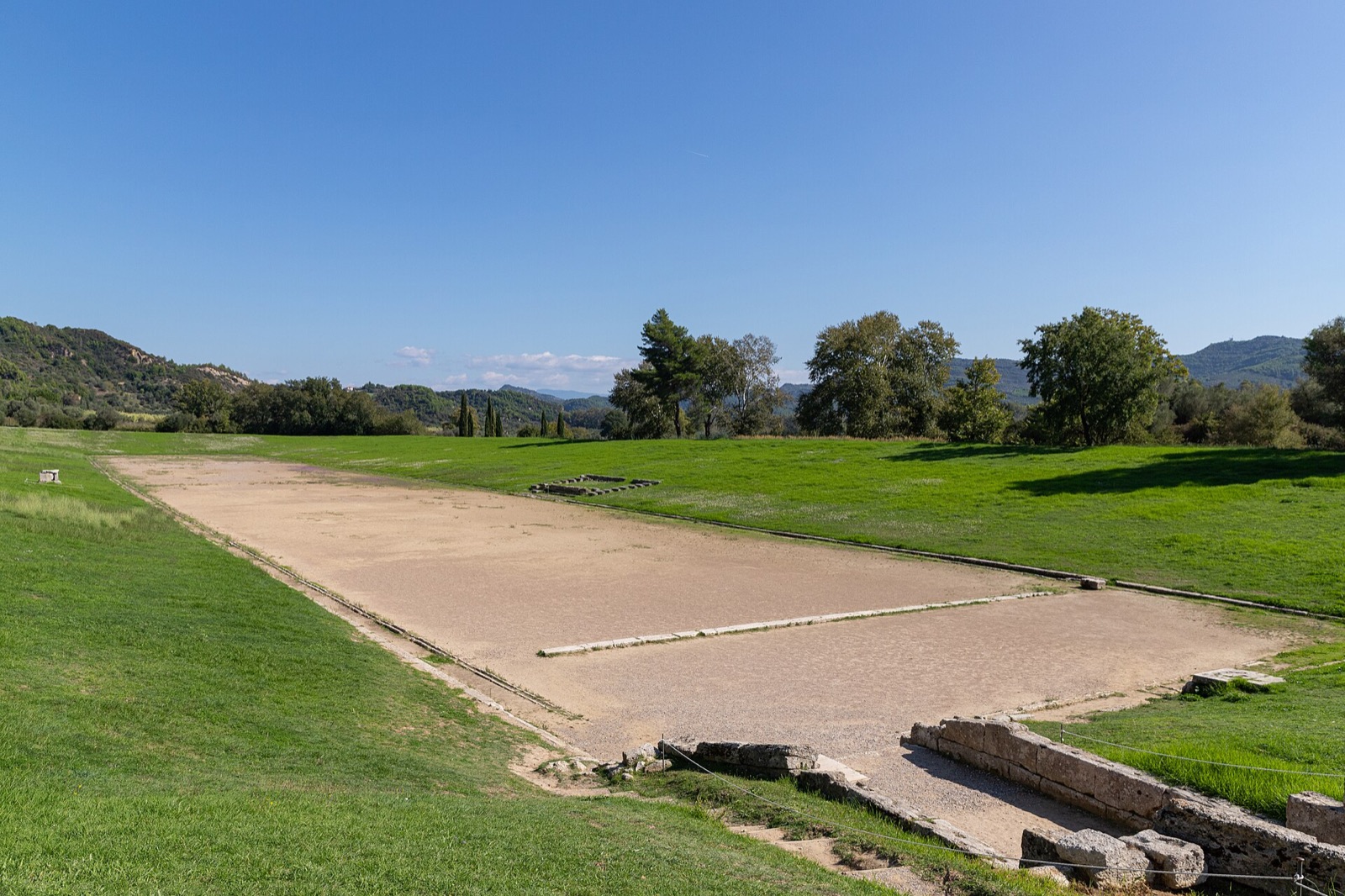
For the time of the Games, a sacred truce was declared. Athletes and spectators travelling to Olympia were not to be harmed, and armed troops were not allowed into Olympia. The truce was mostly kept.
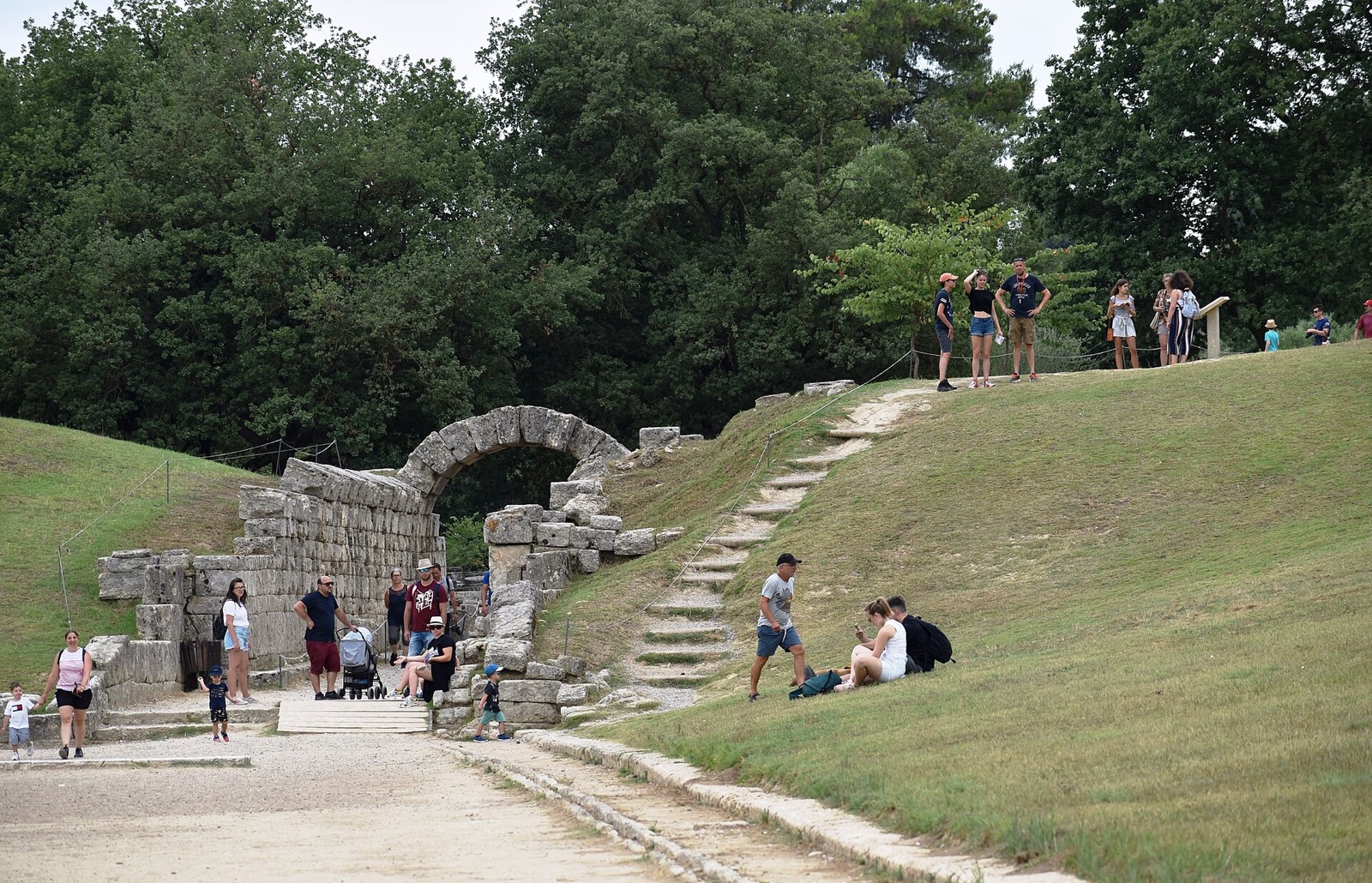
The entrance and running track of the ancient stadium. Photo: Olympia - Stadium - 4.jpg, Annatsach, CC BY-SA 4.0, modified: reduced in size 8. Events at Olympia
At first there was only one event at the Games, the stadion race, which was one length of the stadium track. Later, for example, the pentathlon, the pankration and the race in armour were added. In the race in armour, the competitors ran in the equipment of a hoplite.
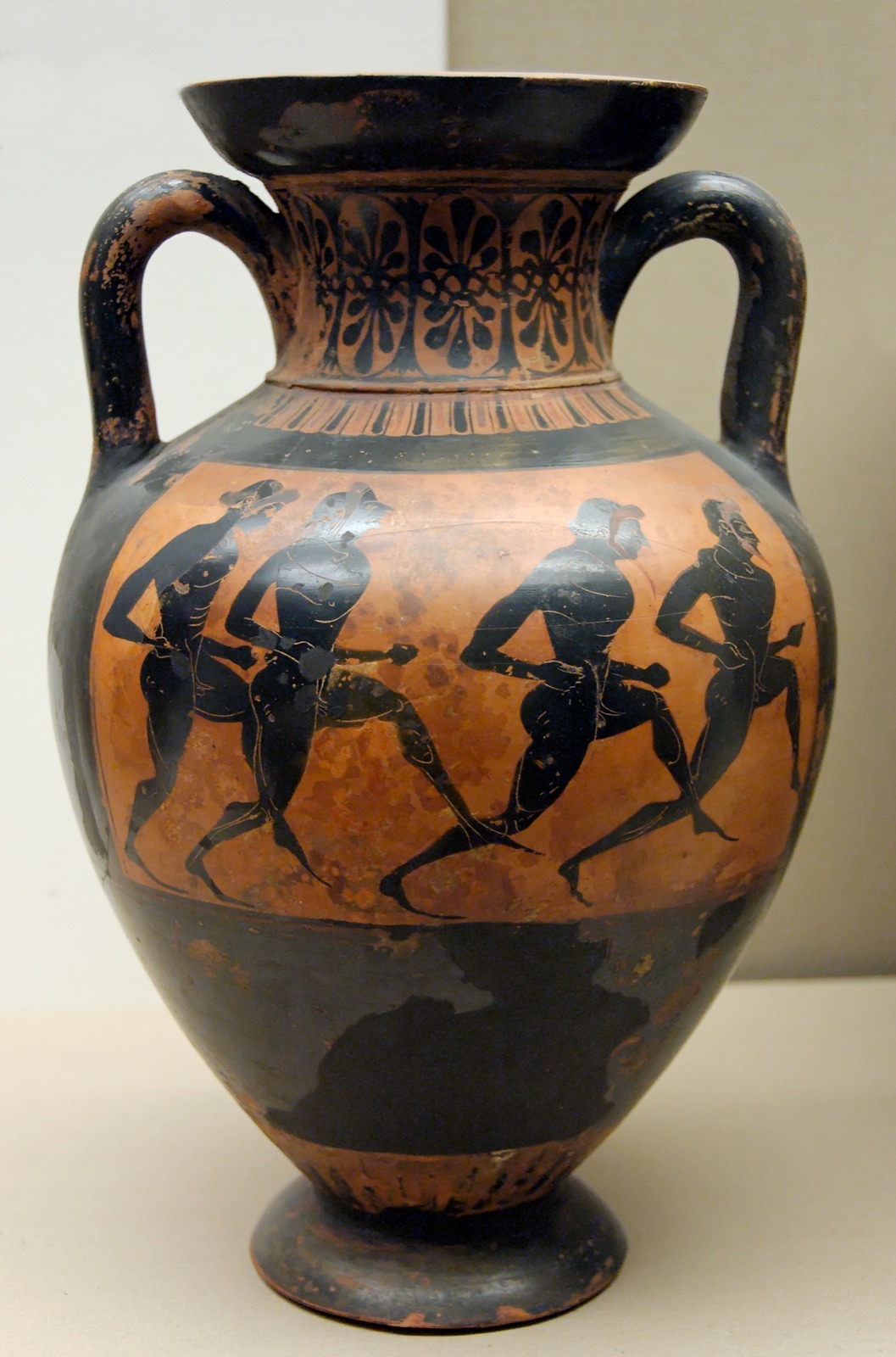
Runners in a vase painting. Photo: Panathenaic amphora BM B137, Euphiletos-maalarin työpaja; valokuva Jastrow, Public domain, modified: reduced in size 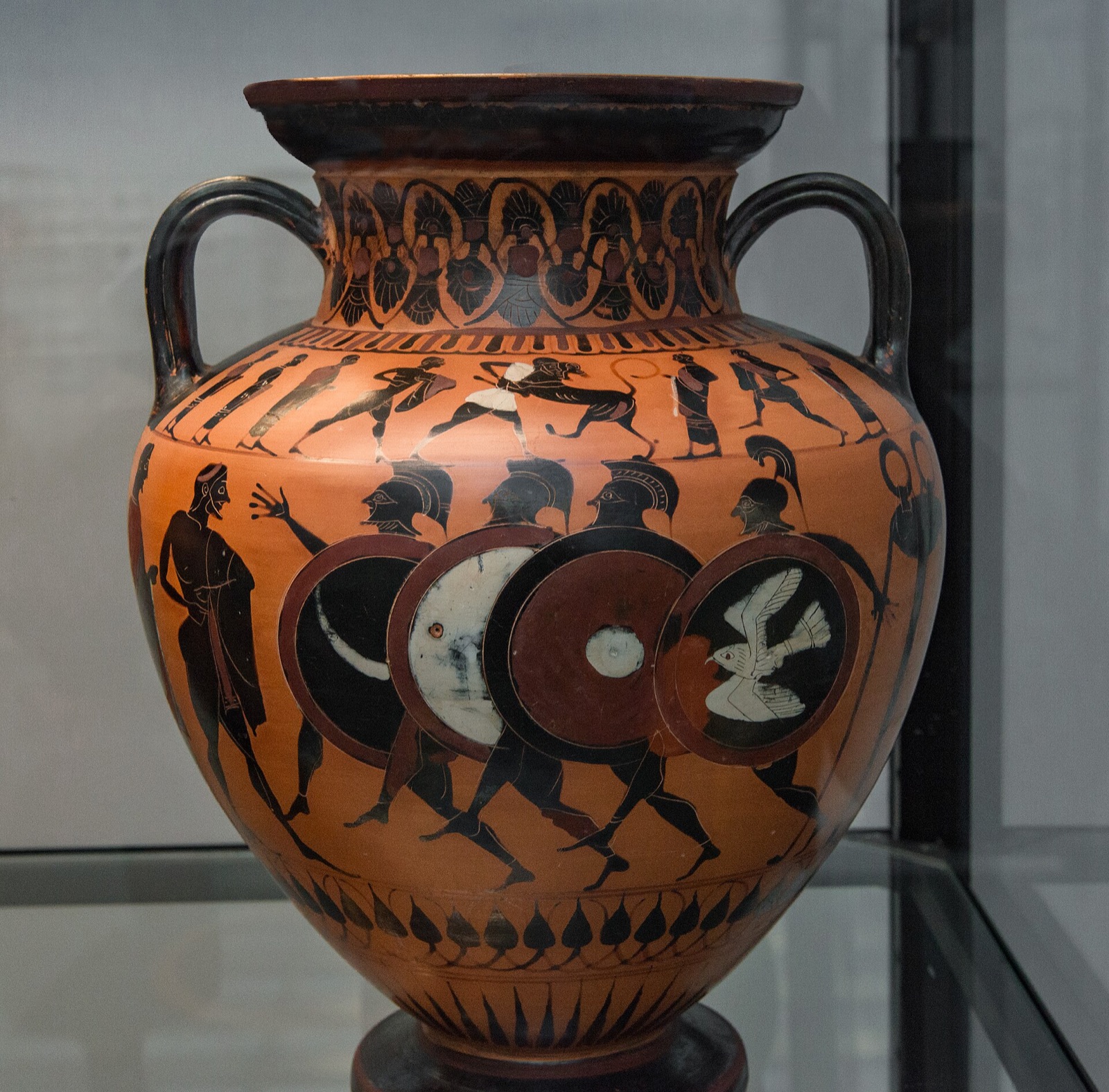
The race in armour: helmet and shield. Photo: Athletes XVI- Hoplitodromoi, Egisto Sani, CC BY-SA 2.0, modified: reduced in size 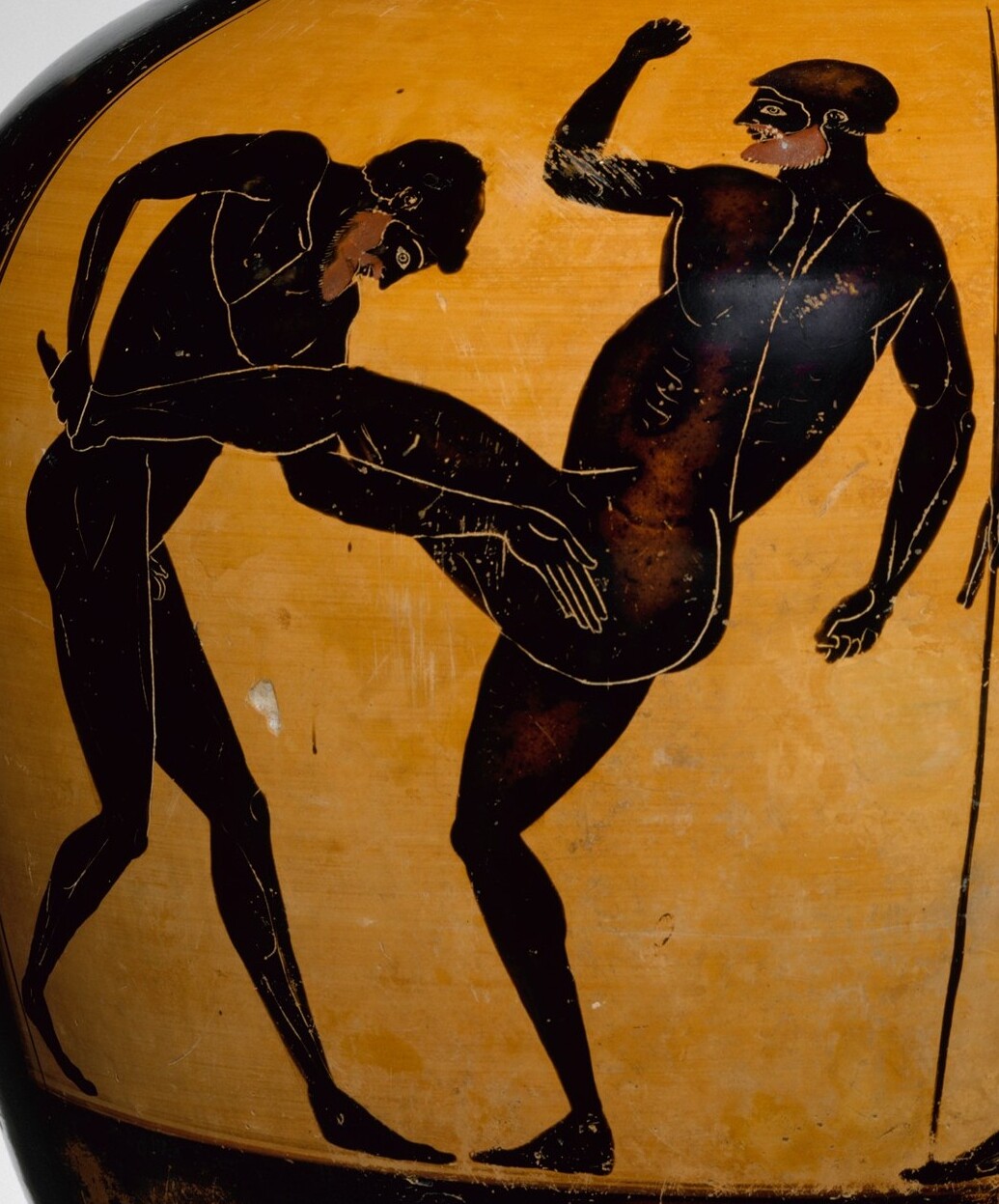
Pankration: wrestling and boxing together. Photo: Pankration, black-figure Panathenaic prize amphora, Kleophrades-maalarin työpaja, The Metropolitan Museum of Art, CC0 1.0, modified: reduced in size 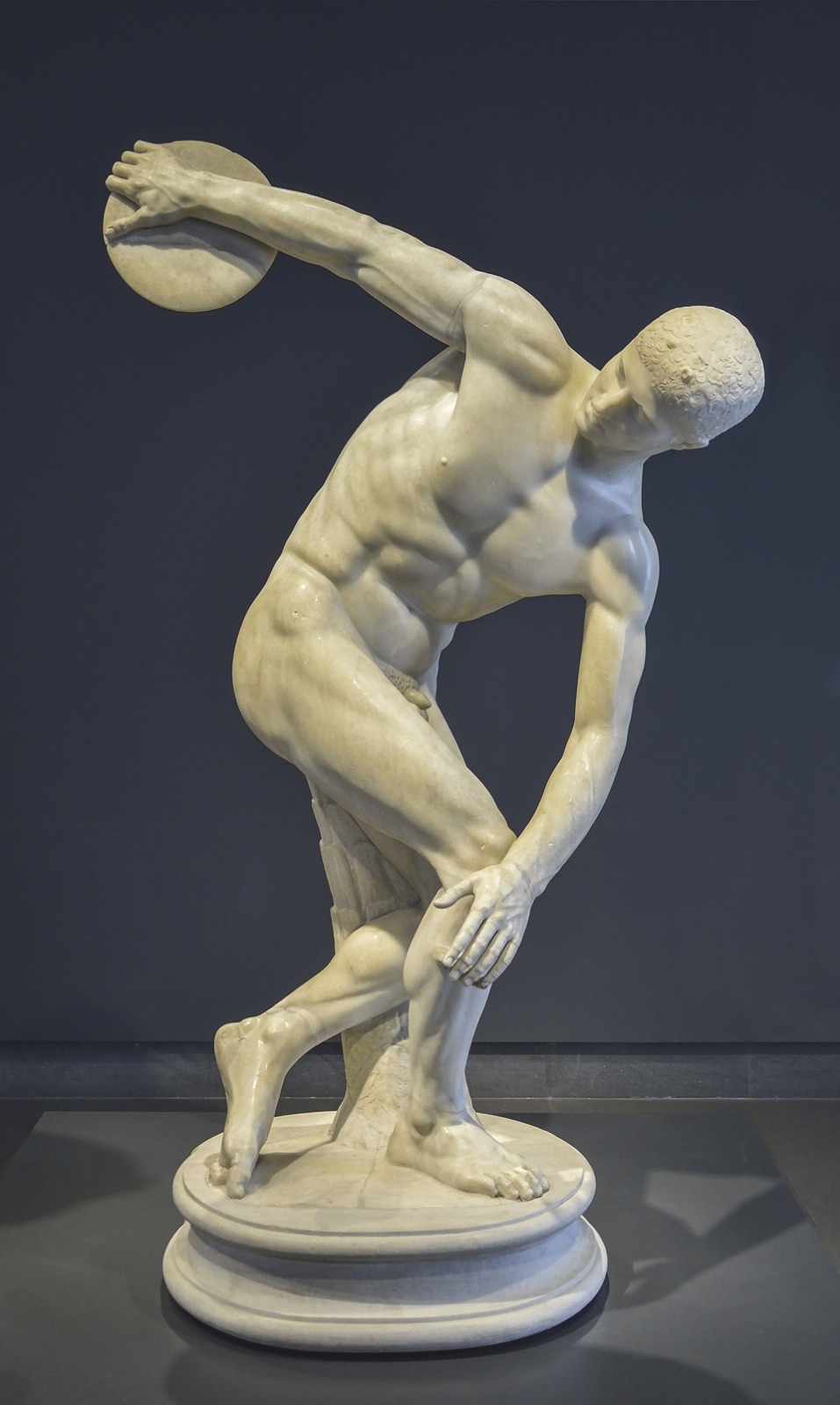
The discus thrower, a Roman copy of an ancient statue. Photo: Discobolus in National Roman Museum Palazzo Massimo alle Terme, Livioandronico2013, CC BY-SA 4.0, modified: reduced in size 9. An object tells: a Greek amphora
The Greeks decorated clay vases with pictures of stories. Here Heracles wrestles with a lion. According to a myth told by the poet Pindar, Heracles founded the Games at Olympia.
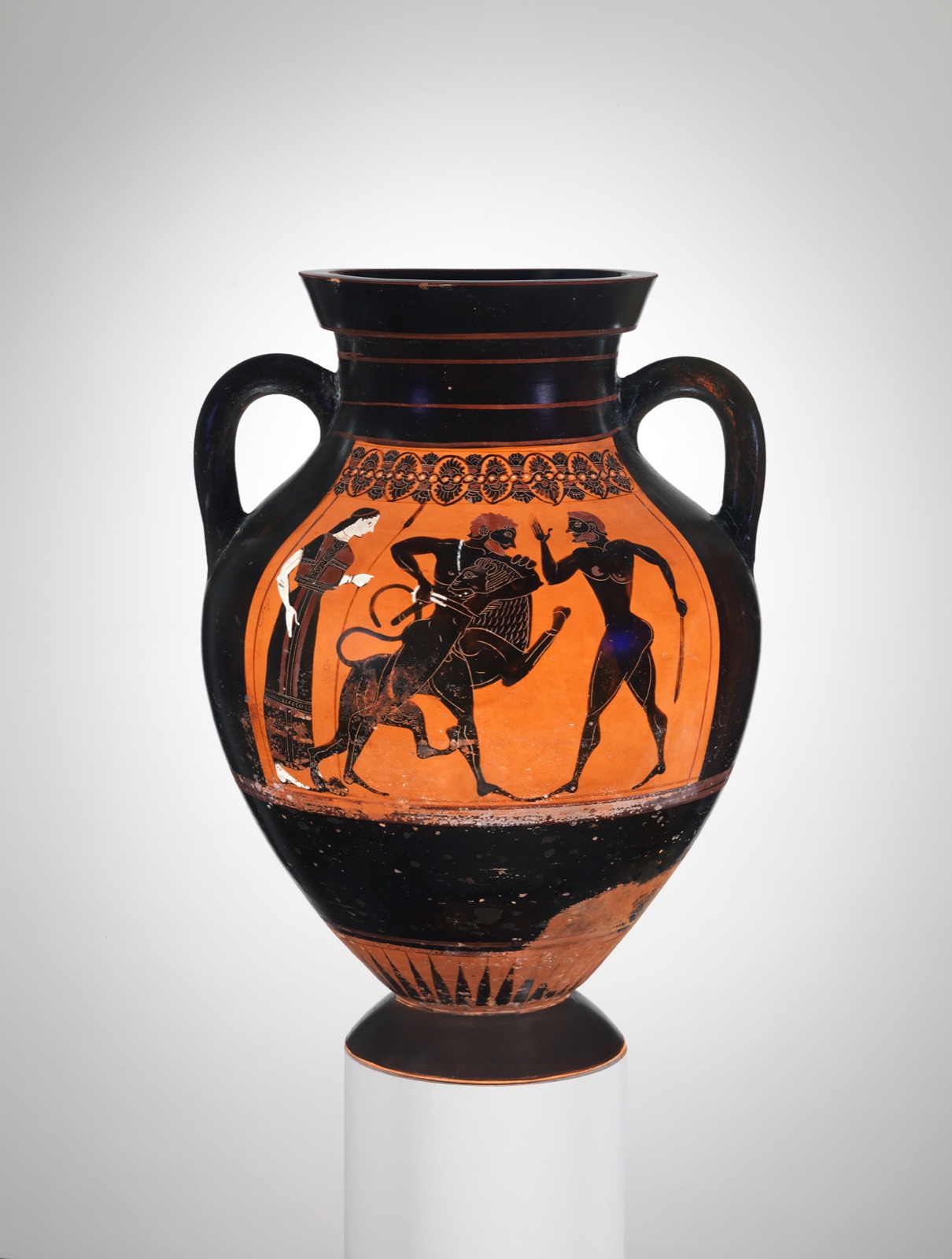
Photo: Terracotta amphora (jar), Attic black-figure, Group E, The Metropolitan Museum of Art, CC0 1.0, modified: reduced in size 10. The winner's prize
The winner received a wreath made of olive branches cut from a sacred tree in the Altis. The winner's home city celebrated him, and a statue might be put up for him.
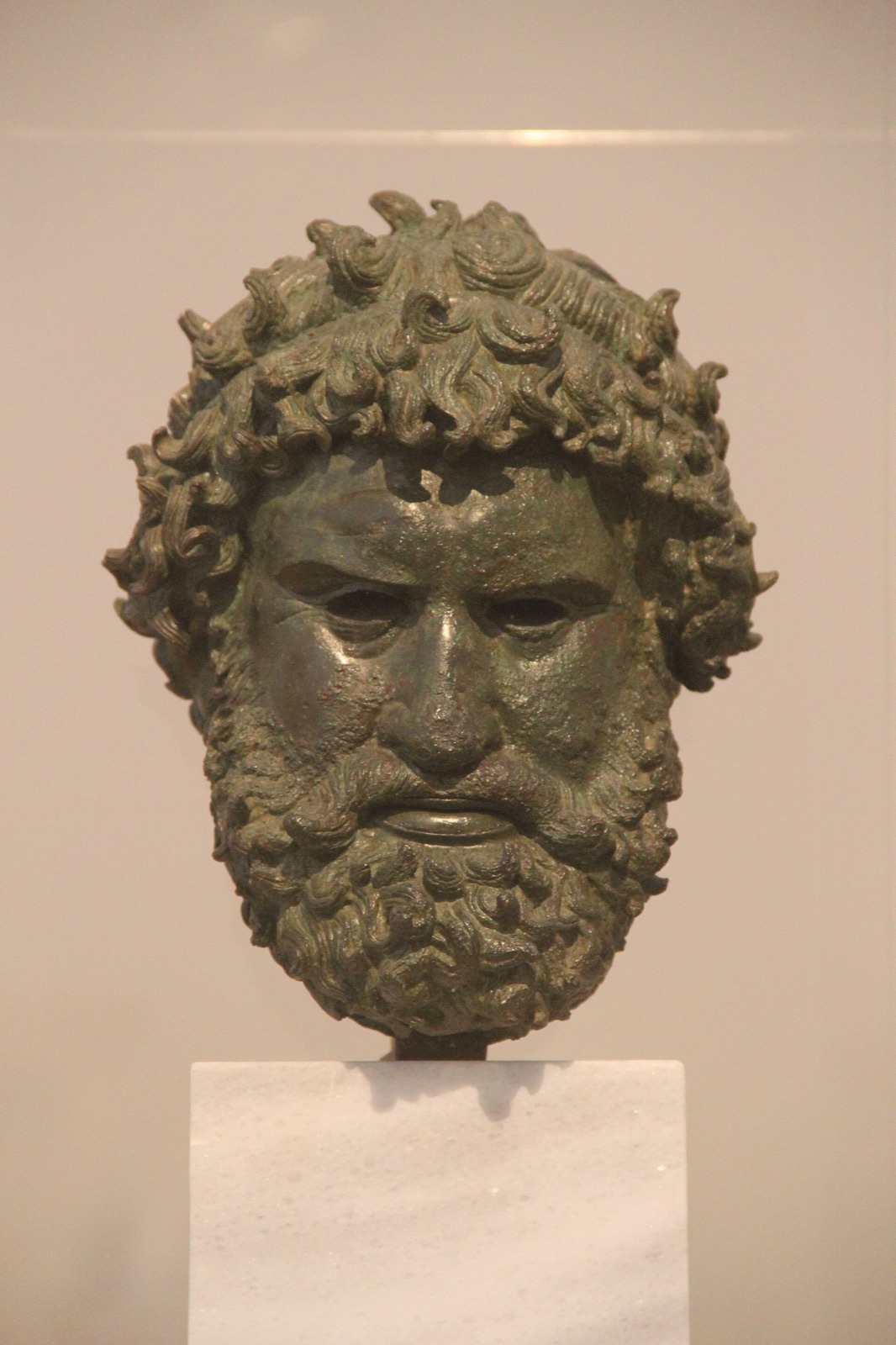
A bronze head of a boxer, found at Olympia (about 330–320 BCE). Photo: Bronze Head of Boxer Satyros of Elis, Found at Olympia, c. 330-320 BC, Gary Todd, CC0 1.0, modified: reduced in size 11. Heraia: the women's running race
The great Games of Olympia were for free Greek men. Women had a running race of their own, the Heraia, in honour of the goddess Hera. The Temple of Hera was one of the oldest in Greece.
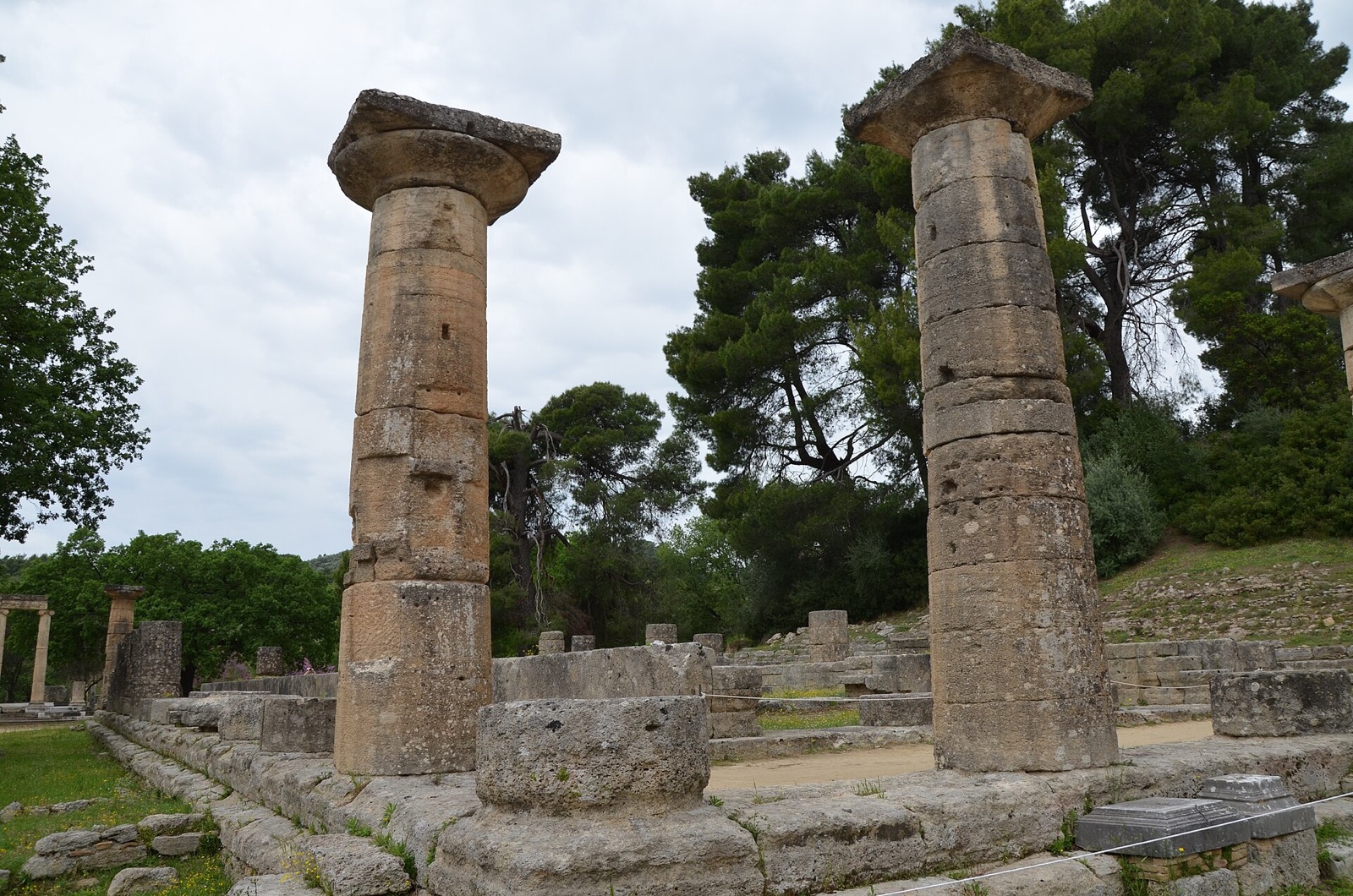
Columns of the Temple of Hera at Olympia. Photo: Restored ruins of the Temple of Hera, ancient Doric Greek temple at Olympia, Greece, Carole Raddato, CC BY-SA 2.0, modified: reduced in size 12. Discuss in pairs
1. Why were wars stopped for the time of the Games?
2. What is the difference between the ancient Games and the modern Olympic Games?
3. Why was a winner's glory important to the ancient Greeks?


Summary
The ancient Olympic Games were held at Olympia every four years in honour of Zeus. Traditionally, the first recorded Games are from 776 BCE. A sacred truce was declared for the time of the Games. Free Greek men took part in the great Games, and the winner received an olive wreath. The year 393 CE is traditionally given as the last known Games.
Frequently asked questions
Where were the ancient Olympic Games held?
At Olympia in the Peloponnese, in honour of Zeus.
Could women compete?
Free Greek men competed in the Games at Olympia. Women did not compete in them as athletes, but at Olympia a running race of their own for young women was held, the Hera festival (Heraia).
What was the winner's prize?
A wreath made of olive branches.