
Ancient India: teaching, slides and questions
The Indus Valley civilization, Ashoka, zero and the Silk Road trade, with pictures and maps for grades 4–6.
Ancient India is one of the oldest advanced civilizations in the world. The article looks at the period from about 2600 BCE to 550 CE. It suits history in grades 4–6, and each step can be shown to the class as a slide.
At the end, students can tell where the cities of the Indus Valley civilization were, who Ashoka was and what India gave to the rest of the world, for example zero. They know the words river valley civilization, seal, stupa and trade route.
Key concepts
- Indus Valley civilization
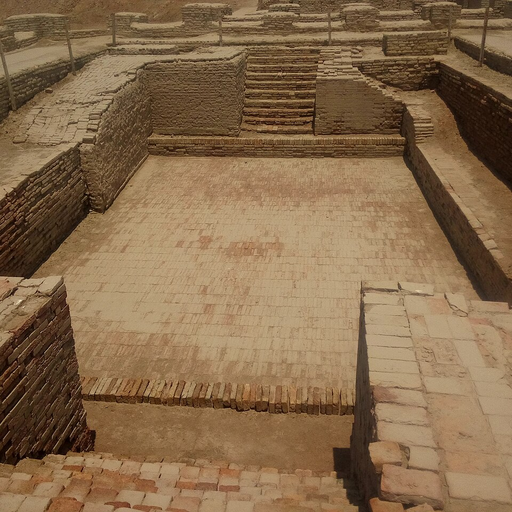 The Indus Valley civilization flourished from about 2600 to 1900 BCE in what is now Pakistan and northwestern India. Its cities, such as Mohenjo-daro and Harappa, had straight streets and drains. Its writing has not yet been deciphered.
- river valley civilization
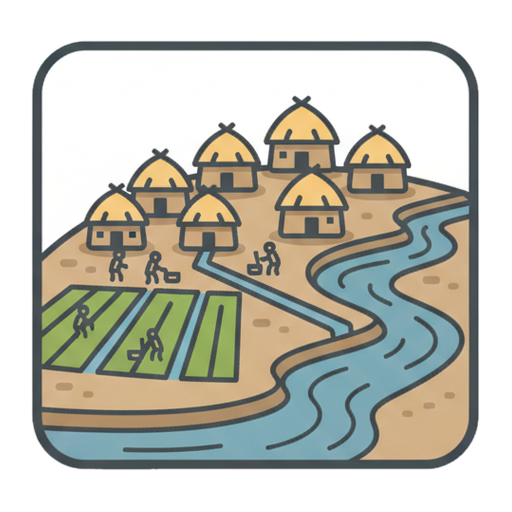 A river valley civilization is an early civilization that grew up along a large river. Such civilizations arose by the Nile, the Euphrates and Tigris, the Indus and the Yellow River. Fertile land and irrigation produced plenty of food, so populations grew and cities could form.
- religion
 A religion is a whole made up of beliefs, practices and a community, often connected with divine beings or the sacred. It gives many people answers to life's big questions and guidance for living. The world's largest religions include Christianity, Islam and Hinduism.
- Hinduism
 Hinduism is a religious tradition that arose in India and has no single founder. It includes many gods and holy texts such as the Vedas, as well as belief in karma and rebirth. It is the world's third-largest religion, and most Hindus live in India.
- Buddhism
- Buddhism is a religion and life philosophy that arose in northern India about 2,500 years ago, based on the teachings of Siddhartha Gautama, known as the Buddha. It teaches that life includes suffering, from which one can be freed by letting go of attachment. Buddhism has spread widely across Asia.
- zero
 The number that means none at all.
- decimal system
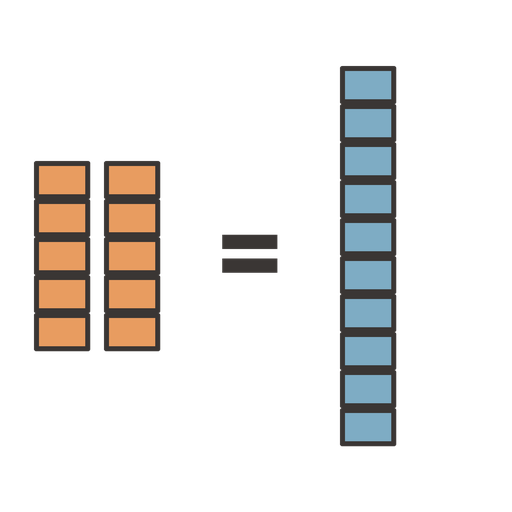 A number system in which ten of one unit make one of the next bigger unit, for example ten ones make one ten. It uses the ten digits 0 to 9.
- Arabic numerals
 The digits 0 to 9 we still use today. They were invented in India, and Arab scholars brought them to Europe. The zero in particular made calculating much easier than with Roman numerals.
Related exercises
There is no exercise for this topic yet
Teacher or creator: make the first exercise with Puro Editor and choose Ancient India as its topic. It will appear here as soon as it is published.
1. What do you know about India?
Where is India, and which rivers flow there?
Where do the numbers 0–9 come from?
Which spices are brought from India?
What do you know about the religions that began in India?2. Two rivers: the Indus and the Ganges
The history of ancient India began along two rivers. Around 2600–1900 BCE the Indus Valley civilization flourished in the valley of the Indus, in what is now Pakistan and north-west India. Later the Ganges plain became important. Both were home to river valley civilizations.
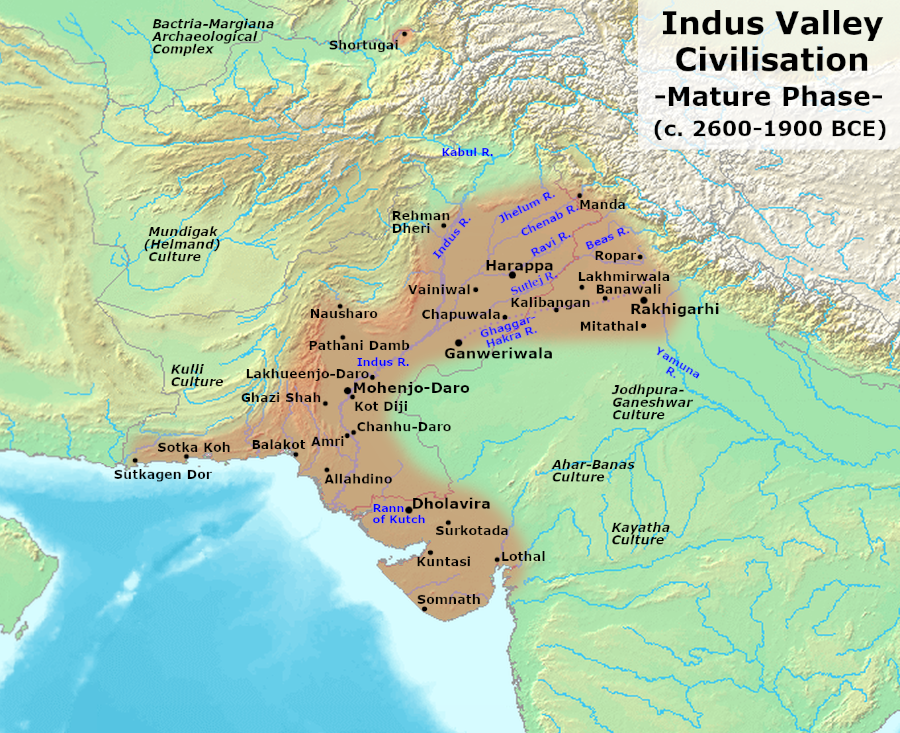
The area of the Indus Valley civilization around 2600–1900 BCE (brown). The names are in English.. Photo: Indus Valley Civilization, Mature Phase (2600-1900 BCE), Avantiputra7, CC BY-SA 3.0, modified: reduced in size 3. Harappa and Mohenjo-daro: planned cities
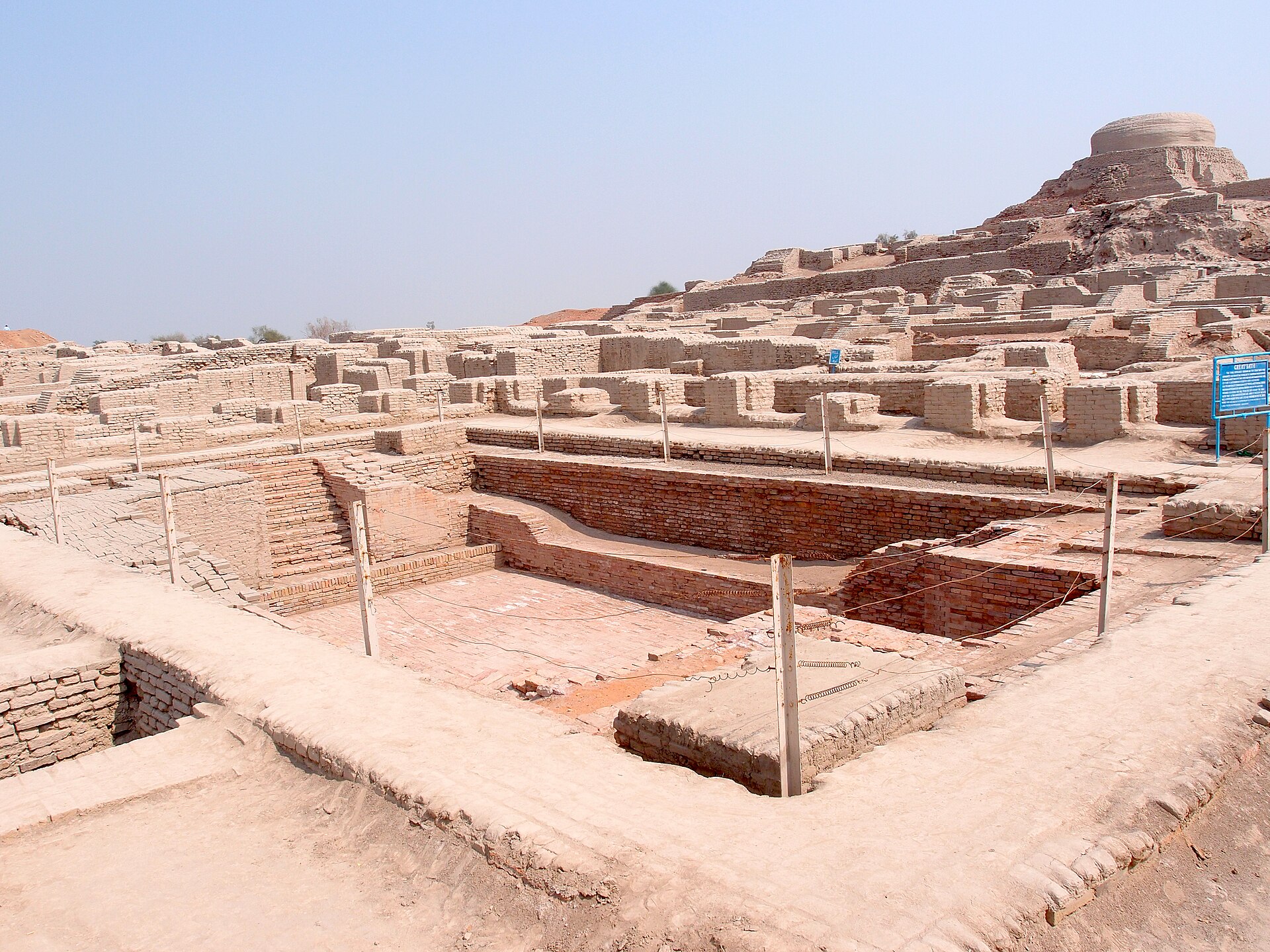
Harappa and Mohenjo-daro were great cities of the Indus Valley civilization. Houses were built of fired bricks, the streets were straight and wastewater flowed in drains. The cities used seals with writing on them. Nobody has been able to read it. Seals have been found even in Mesopotamia.
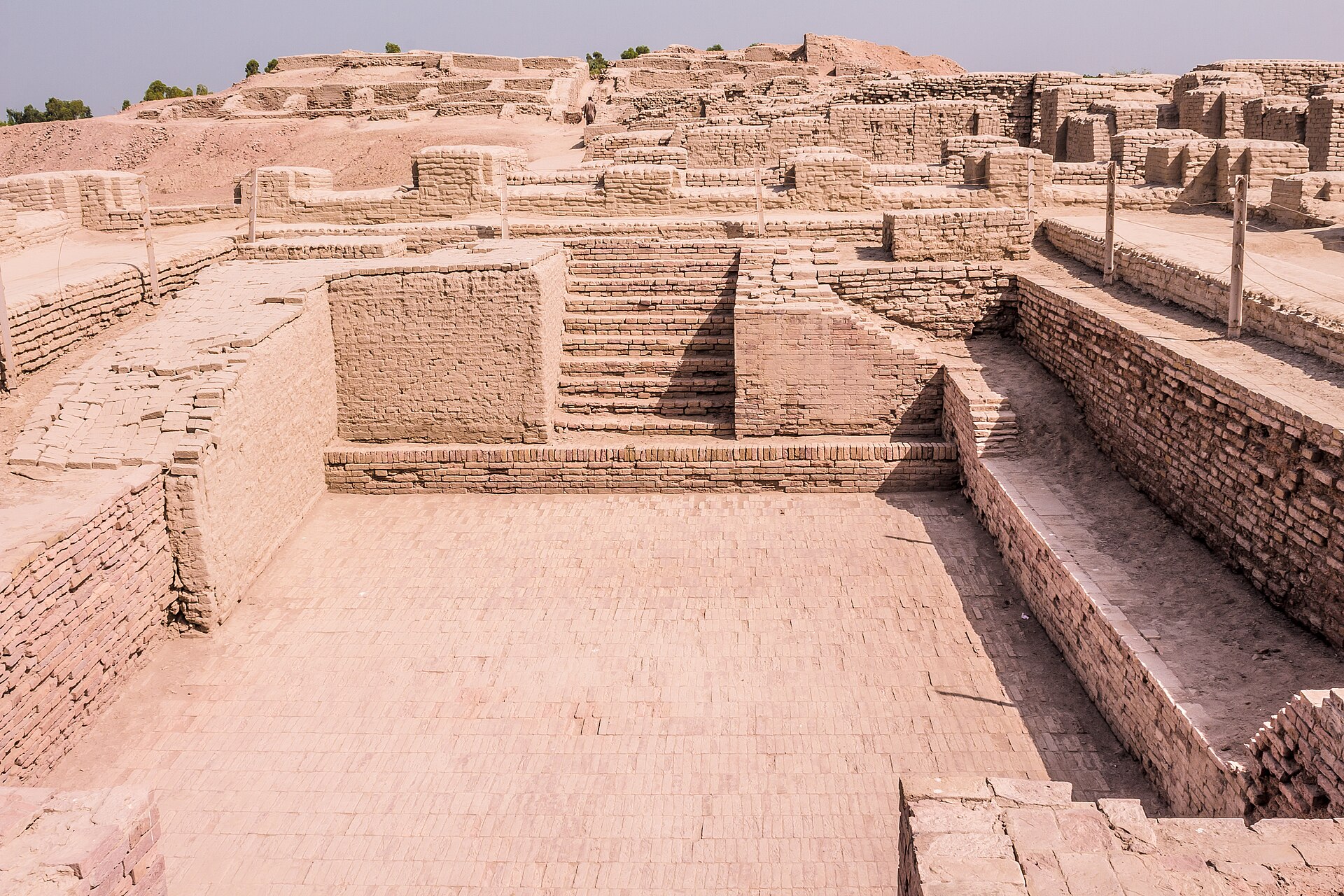
The Great Bath at Mohenjo-daro. The purpose of the brick pool is not certain, but it was probably an important shared space.. Photo: Great Bath of Mohenjo-daro, Soban, CC BY-SA 3.0, modified: reduced in size 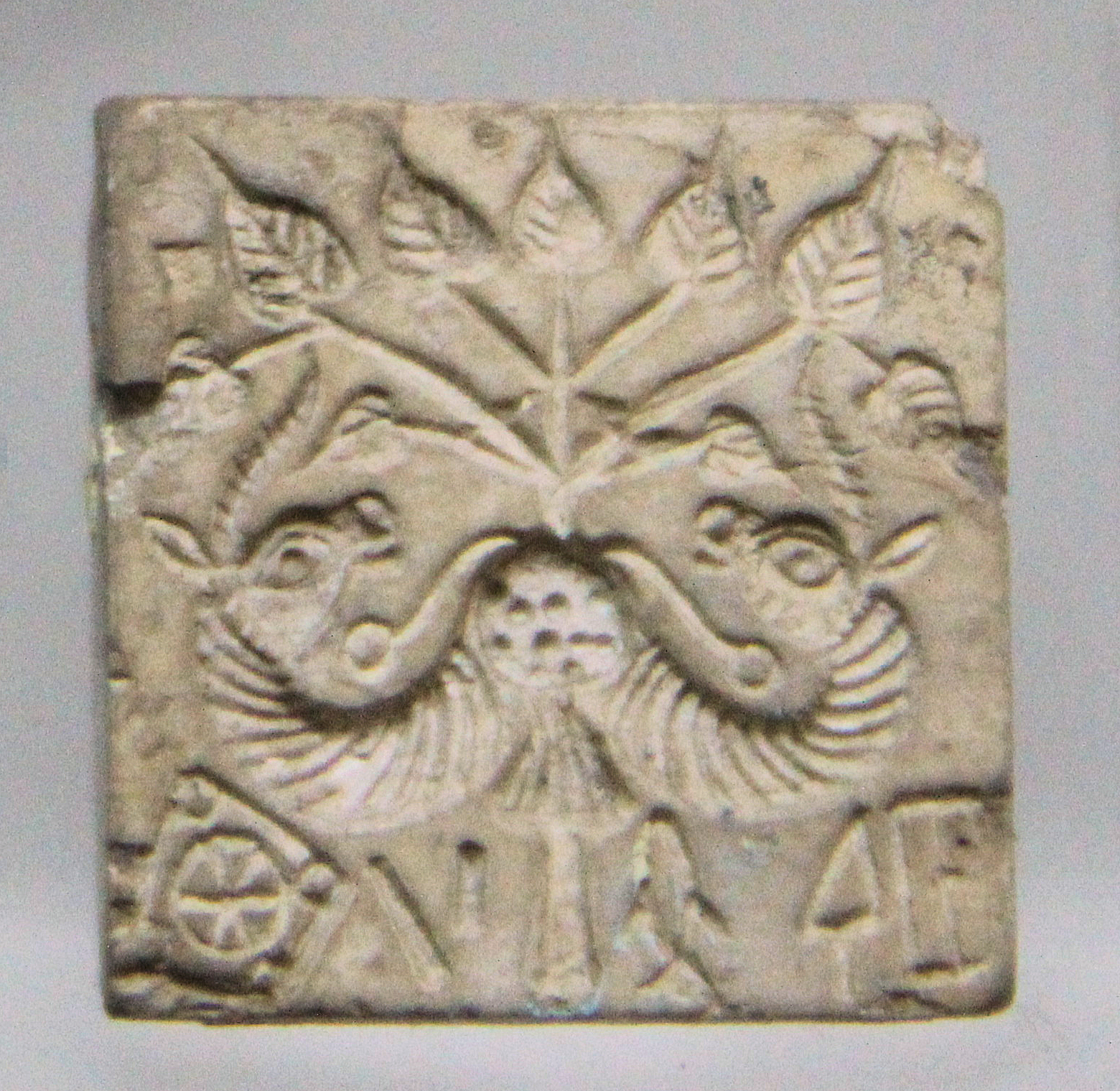
An Indus Valley seal: two animals, leaves and writing signs along the bottom edge.. Photo: Indus Valley Twin Unicorns, Gary Todd, CC0, modified: reduced in size 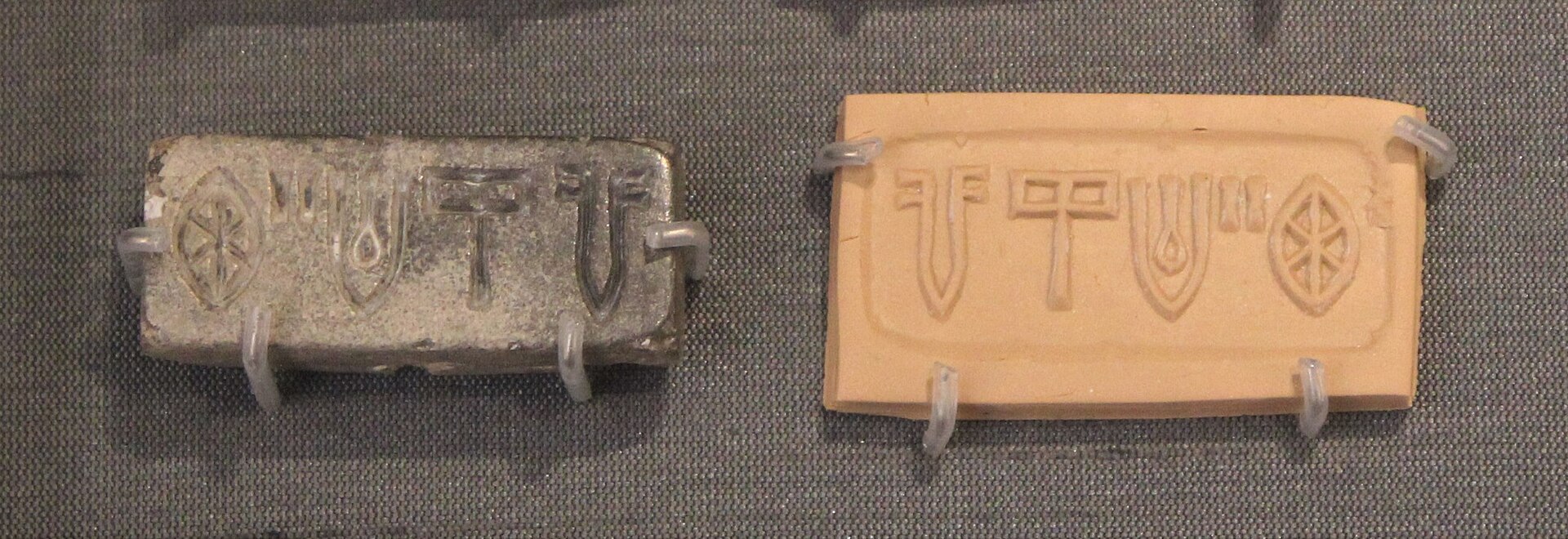
A stone seal (left) and its impression (right) in the British Museum. The signs have not been read.. Photo: Steatite stamp seal Indus script - BM 1912 0629 1, Zunkir, CC BY-SA 4.0, modified: reduced in size 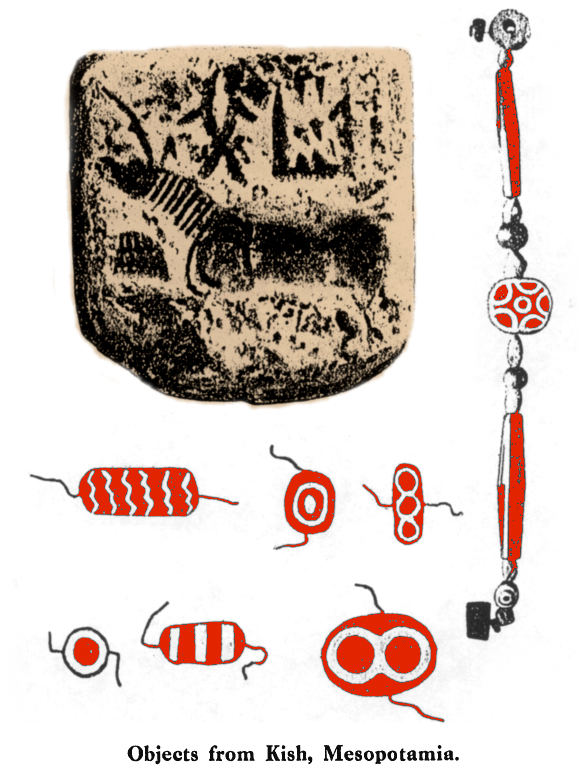
Drawing: an Indus Valley seal and beads found in the city of Kish in Mesopotamia. The labels are in English.. Photo: Indus Valley unicorn seal and etched carnelian beads found in Kish, Mesopotamia, Ernest John Henry Mackay, Public domain, modified: reduced in size 4. From the Indus to the Guptas
After the Indus Valley civilization, new kingdoms arose in India. Hinduism and Buddhism began in India. Hinduism developed gradually over centuries, and Buddhism is based on the teachings of the Buddha. The dates are estimates.
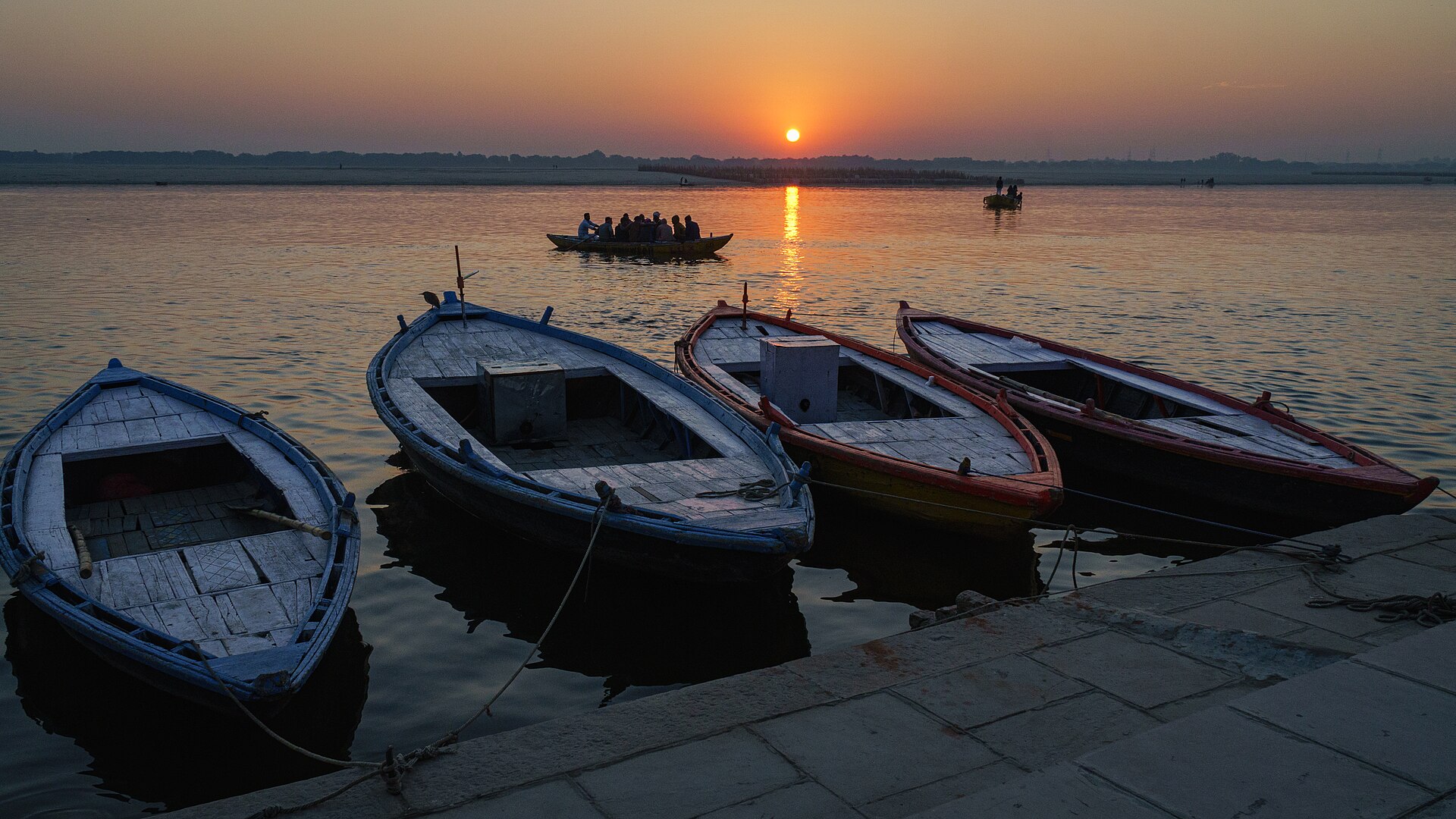
The Ganges at Varanasi today. The river has been important to the people of northern India for thousands of years.. Photo: Boats at sunrise Ganges River Varanasi Uttar Pradesh Schwiki, Schwiki, CC BY-SA 4.0, modified: reduced in size 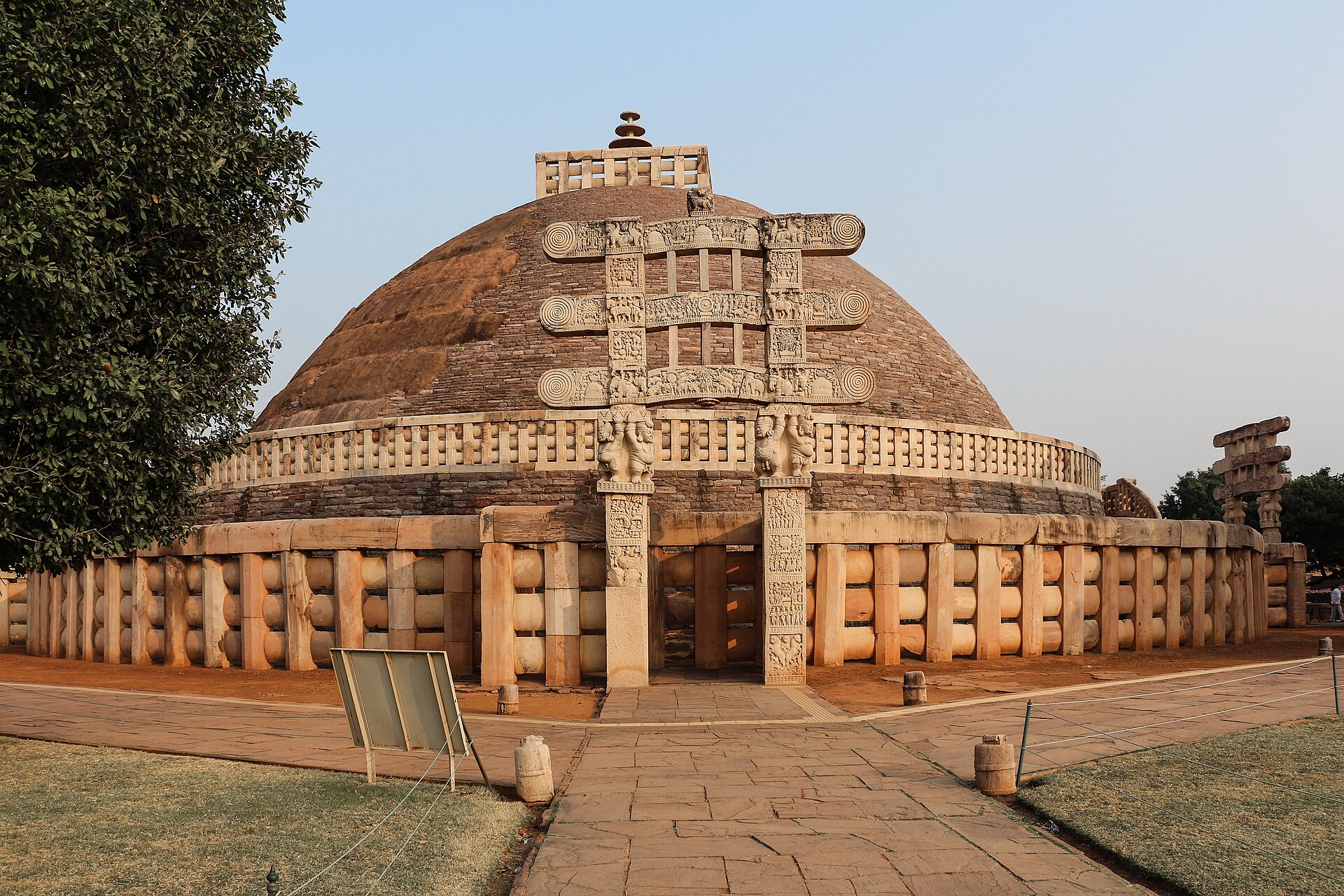
The Great Stupa at Sanchi. According to tradition, its building began in Ashoka's time; its present form is later.. Photo: Stupa 1, Sanchi 02, Bernard Gagnon, CC BY-SA 3.0, modified: reduced in size 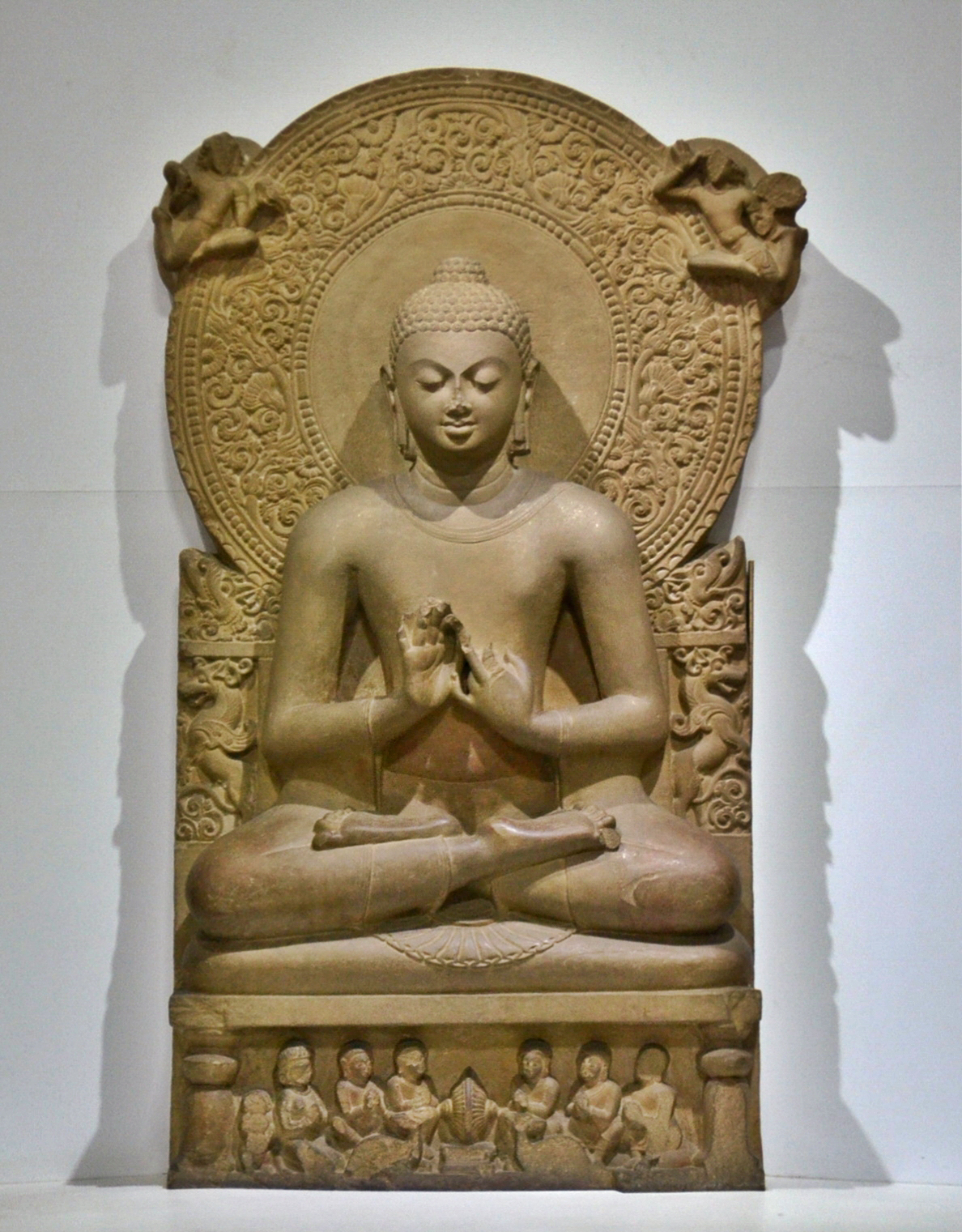
A seated Buddha in the Sarnath Museum. The sculpture was made in the Gupta period, in the late 400s CE.. Photo: Buddha in Sarnath Museum (Dhammajak Mutra), พระมหาเทวประภาส วชิรญาณเมธี, CC BY-SA 3.0, modified: reduced in size - c. 2600–1900 BCE The cities of the Indus Valley civilization flourish
- c. 1500–500 BCE The Vedic period: sacred texts are recited from memory, kingdoms arise along the Ganges
- c. 500s BCE The Buddha teaches on the Ganges plain
- c. 321–185 BCE The Maurya Empire
- c. 268–232 BCE Ashoka rules and supports Buddhism
- c. 320–550 CE The Gupta period: a golden age of science and art
5. Ashoka and the stone pillars
The Maurya Empire united a large part of India. King Ashoka had his orders written on stone pillars and rocks. In them he urges people to be fair and to respect others. Ashoka supported Buddhism, and in his time it spread beyond India.
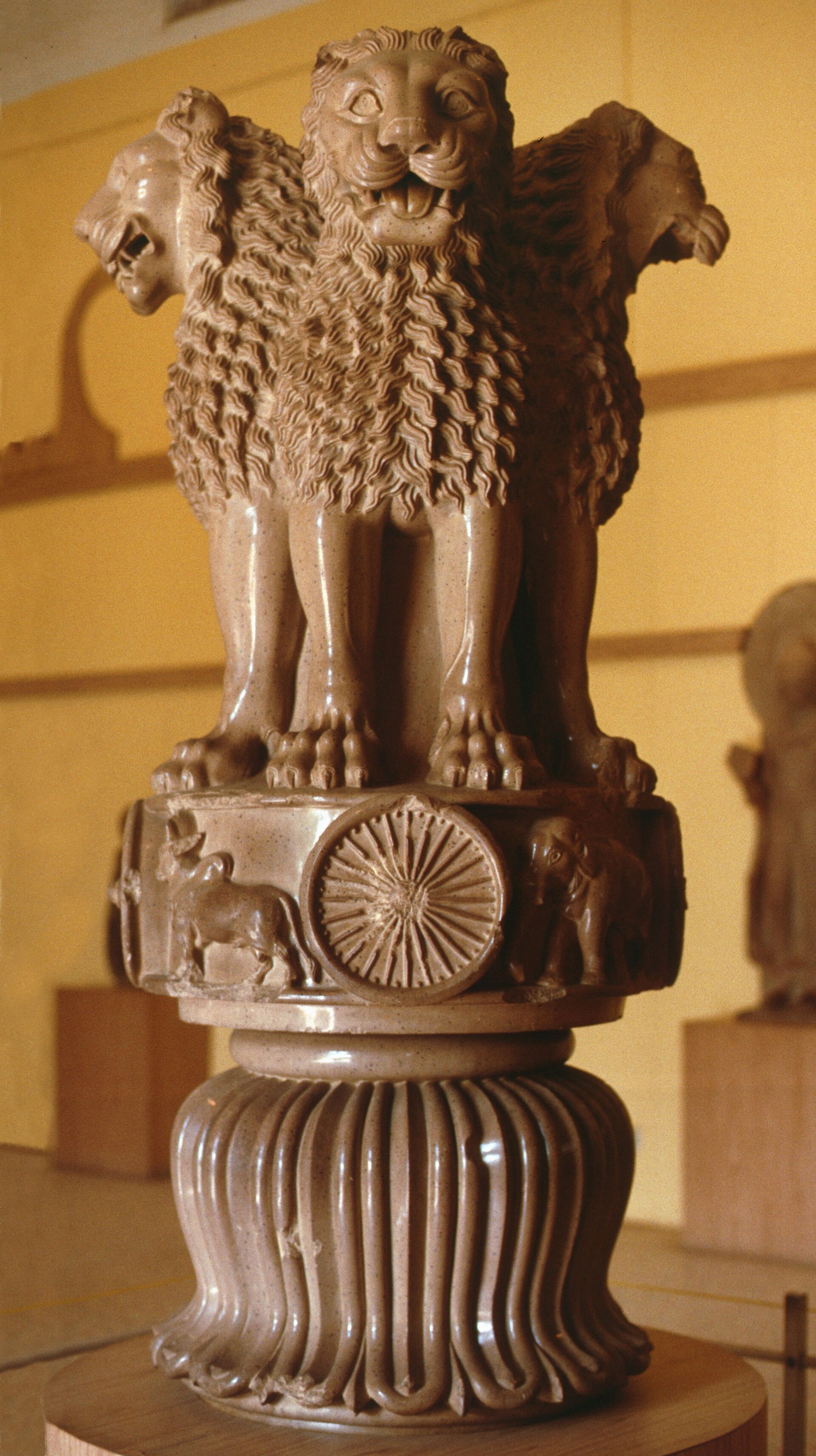
The Ashoka pillar capital in the Sarnath Museum. The national emblem of India is based on this sculpture.. Photo: Sarnath capital, Chrisi1964, CC BY-SA 4.0, modified: reduced in size 6. Zero, numerals and trade
In the Gupta period, science and art flourished in India. The decimal system and zero as a number were developed in India. They spread to Europe through the Arabs, which is why the numbers 0–9 are called Arabic numerals. India also developed an early form of chess, and spices and cotton were exported from there along trade routes.
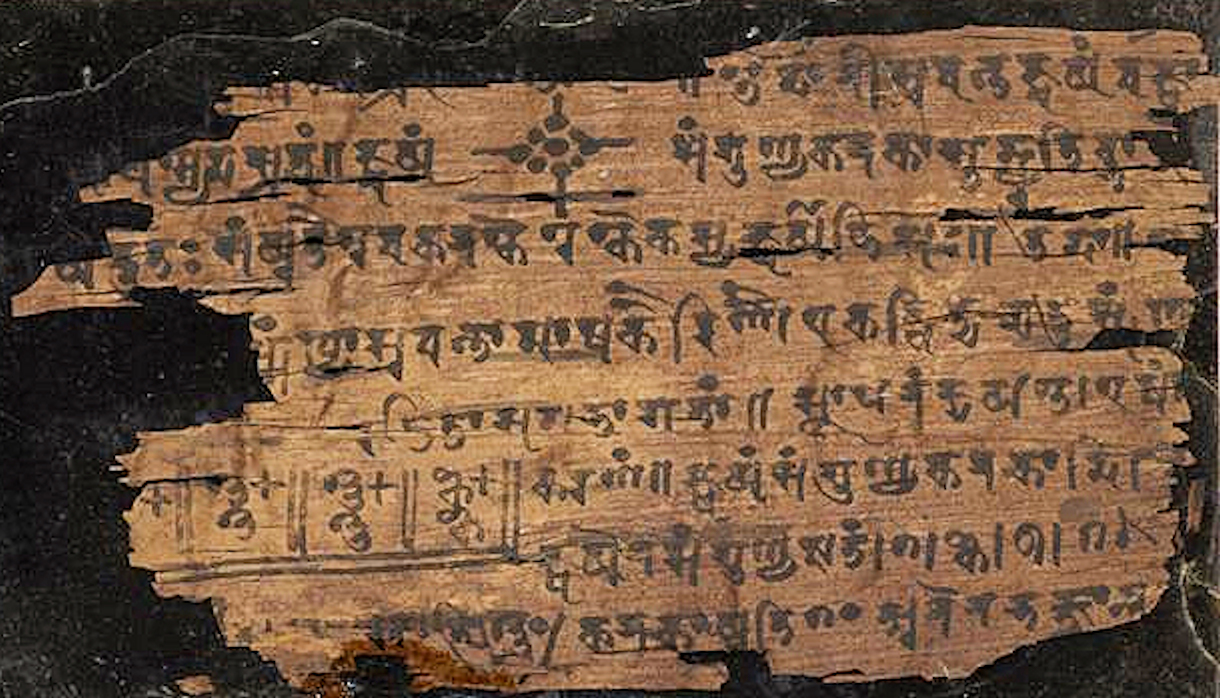
The Bakhshali manuscript is written on birch bark. In it zero is marked with a dot. Its date is disputed.. Photo: Bakhshali manuscript, National Geographic, Public domain, modified: reduced in size 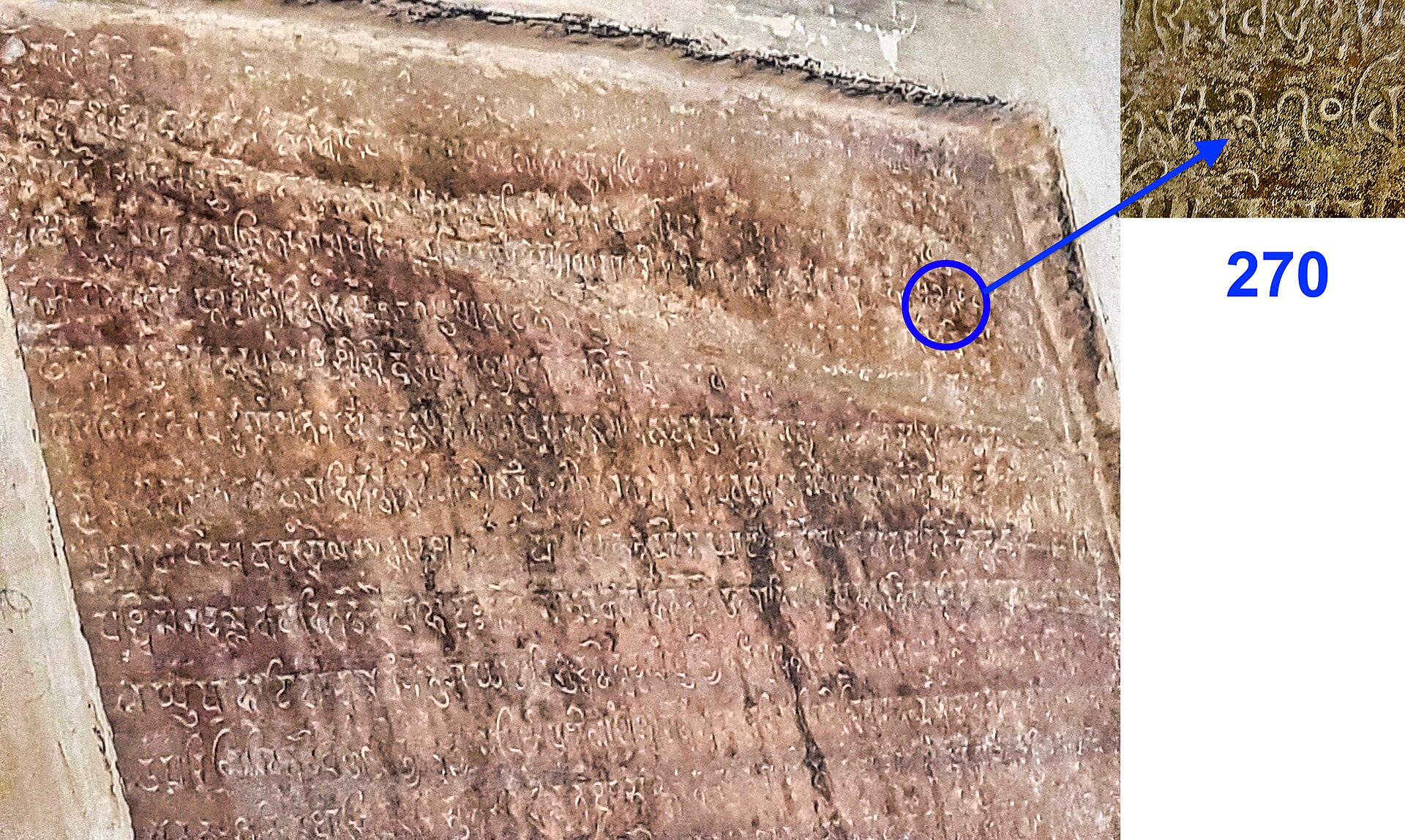
An inscription from a temple at Gwalior Fort from the year 876. The blue arrow and the number 270 are marks added to the Wikimedia Commons image. Zero is written as a small circle.. Photo: 0121521 Chaturbhuj Temple, Gwalior Fort, Madhya Pradesh 37 (where is zero in this Hindu inscription), Ms Sarah Welch, CC0, modified: reduced in size 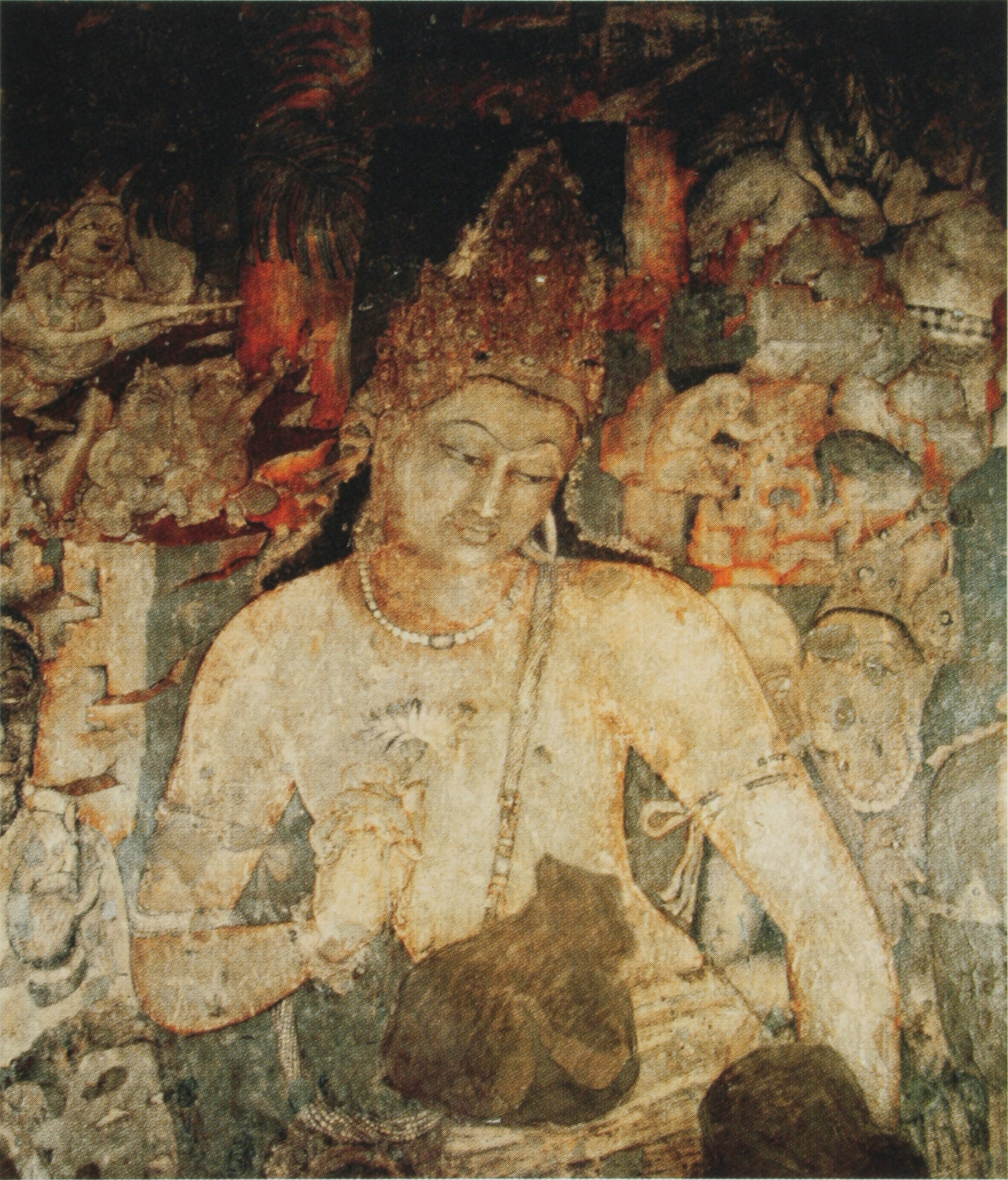
An Ajanta cave painting from western India, made in about the 400s–500s CE. It shows a Buddhist figure.. Photo: Bodhisattva Padmapanilabel QS:Len,"Bodhisattva Padmapani"label QS:Lbn,"বোধিসত্ত্ব পদ্মপাণি"label QS:Lnl,"Bodhisattva Padmapani", tuntematon taiteilija, Public domain, modified: reduced in size 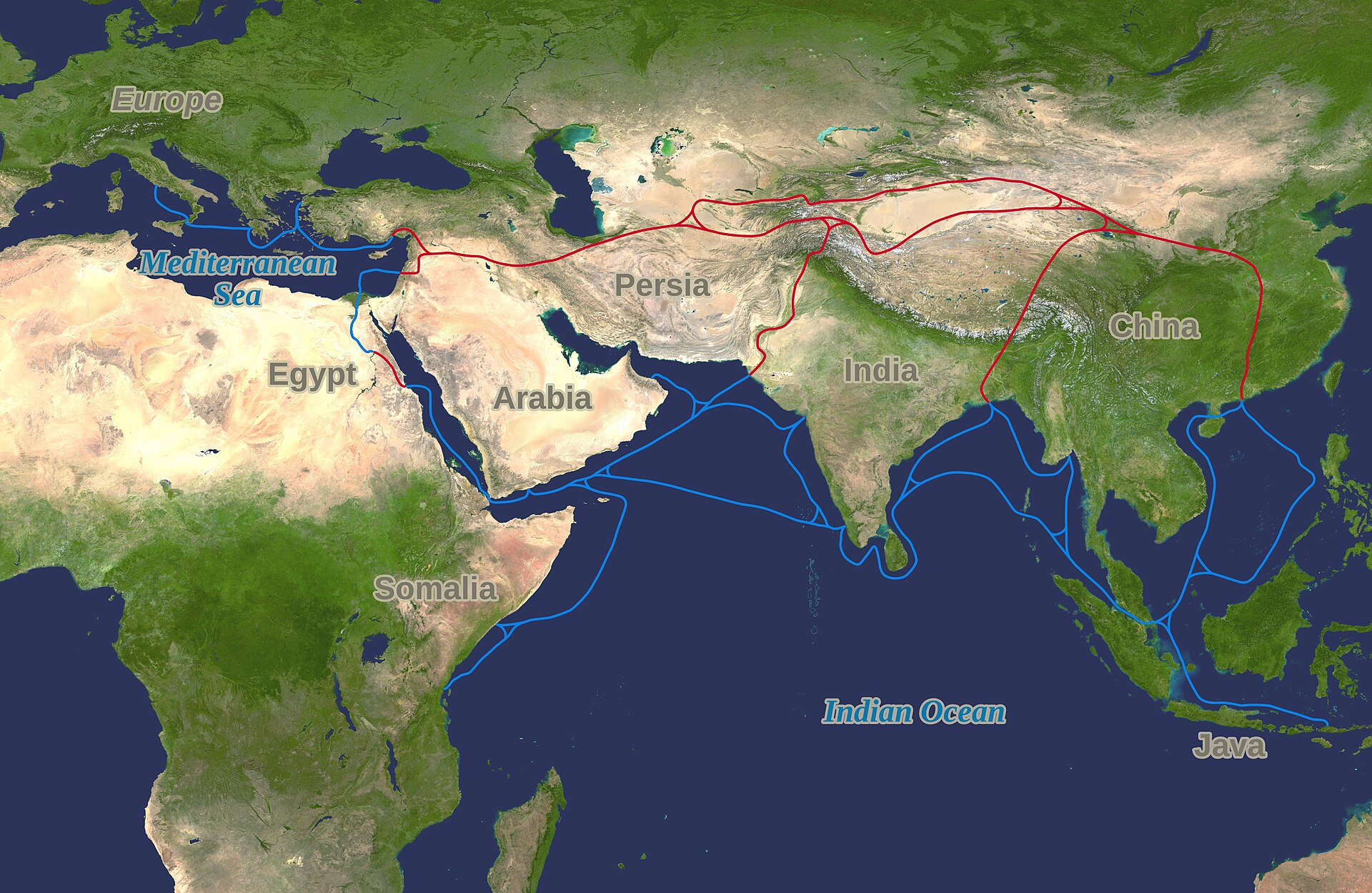
The overland route (the Silk Road) in red and the sea routes in blue. India lies in the middle of the routes. The routes are approximate, the names are in English.. Photo: Silk route, NASA/Goddard Space Flight Center (pohjakuva), Splette (muokkaus), Public domain, modified: reduced in size 7. Discuss in pairs
Why were rivers important to the Indus Valley civilization and the kingdoms along the Ganges?
What do the seals and drains tell us about the people of the Indus Valley civilization, and what do we not know?
Why did Ashoka have his orders written on stone pillars?
Why is a zero needed to write the number 105?


Summary
Ancient India began along the Indus and the Ganges. The cities of the Indus Valley civilization, such as Harappa and Mohenjo-daro, were planned brick cities, and their writing has not been read. Hinduism and Buddhism began in India. Ashoka ruled the Maurya Empire around 268–232 BCE and had his orders written on stone pillars. In the Gupta period the decimal system and zero were developed, and they spread to Europe through the Arabs.
Frequently asked questions
What happened to the Indus Valley civilization?
Nobody knows for certain. After about 1900 BCE the cities began to empty, and people lived in smaller settlements. Researchers have considered climate change, rivers shifting their courses and a decline in trade. No single cause has been confirmed.
Was zero invented in India?
Zero was used as a placeholder elsewhere too, for example in Mesopotamia and by the Maya. In India zero also developed into a number that is used in calculation, and the decimal system was developed there. The zero in 105 shows that there are no tens. The knowledge spread to Europe through the Arabs.
What are Hinduism and Buddhism?
Both are religions that began in India. Hinduism developed gradually and has no single founder. Buddhism is based on the teachings of the Buddha. For many people they are a living faith, so they are talked about respectfully in class.