
Animals and Their Habitats
Characteristics, diet, and habitats of animal species: mammals, birds, fish, and insects clearly presented.
Animals are divided into groups based on their structure and habits. Each species has adapted to its specific habitat.
Key concepts
- mammal
 An animal with hair or fur that feeds its young with milk. Humans are mammals too.
- bird
 An animal with feathers, wings and a beak. Birds lay eggs.
- fish
 An animal that lives in water and breathes with gills. It has fins and scales.
- insect
 A small animal with six legs and a body in three parts.
- cold-blooded
 A cold-blooded animal's body temperature changes with the temperature around it. Fish, frogs and snakes, for example, are cold-blooded.
- food chain
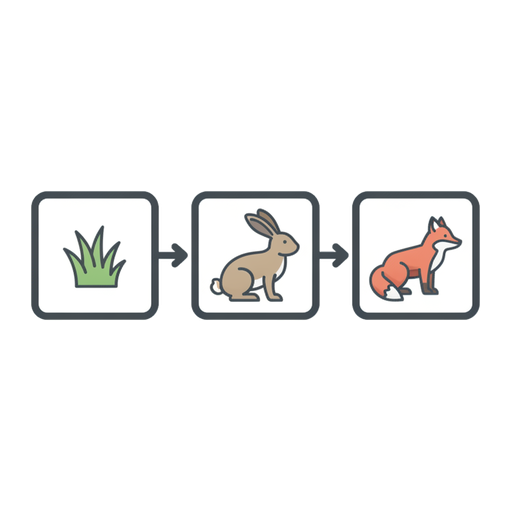 The order in which living things eat each other, for example a plant, a hare and a fox.
- producer
 A plant that makes its own food with the help of sunlight. It is the start of a food chain.
- herbivore
 An animal that eats only plants, like a hare or a moose.
1. Mammals
Mammals are warm-blooded, breathe with lungs, and nurse their young with milk. Examples include squirrels, bears, and humans.
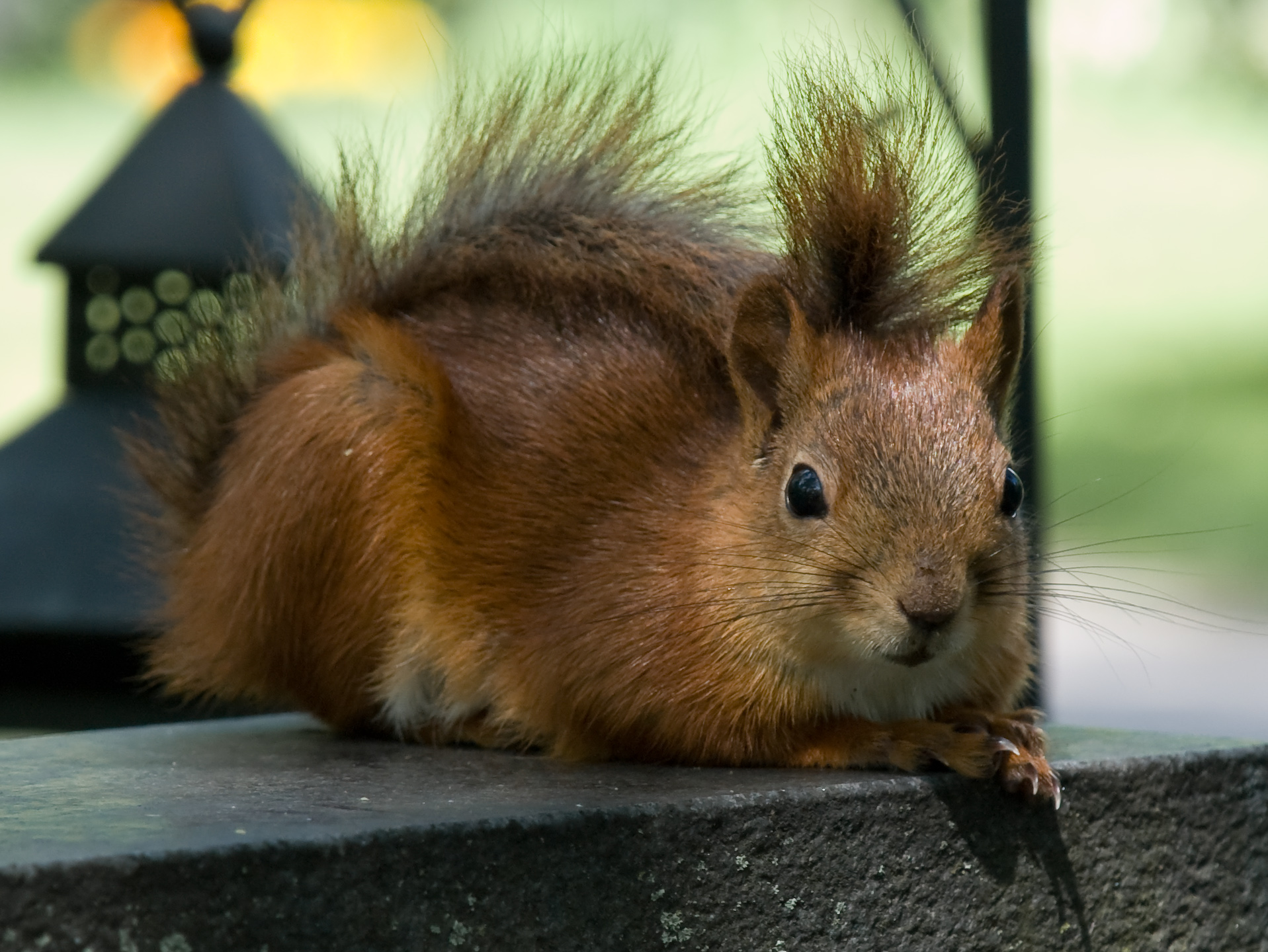
The squirrel is a warm-blooded mammal. Photo: Sciurus vulgaris Turku cemetery, Markus Koljonen (Dilaudid), CC BY-SA 3.0, modified: reduced in size 2. Birds
Birds have feathers, wings, and a beak. Most birds fly, but not all, such as the ostrich.
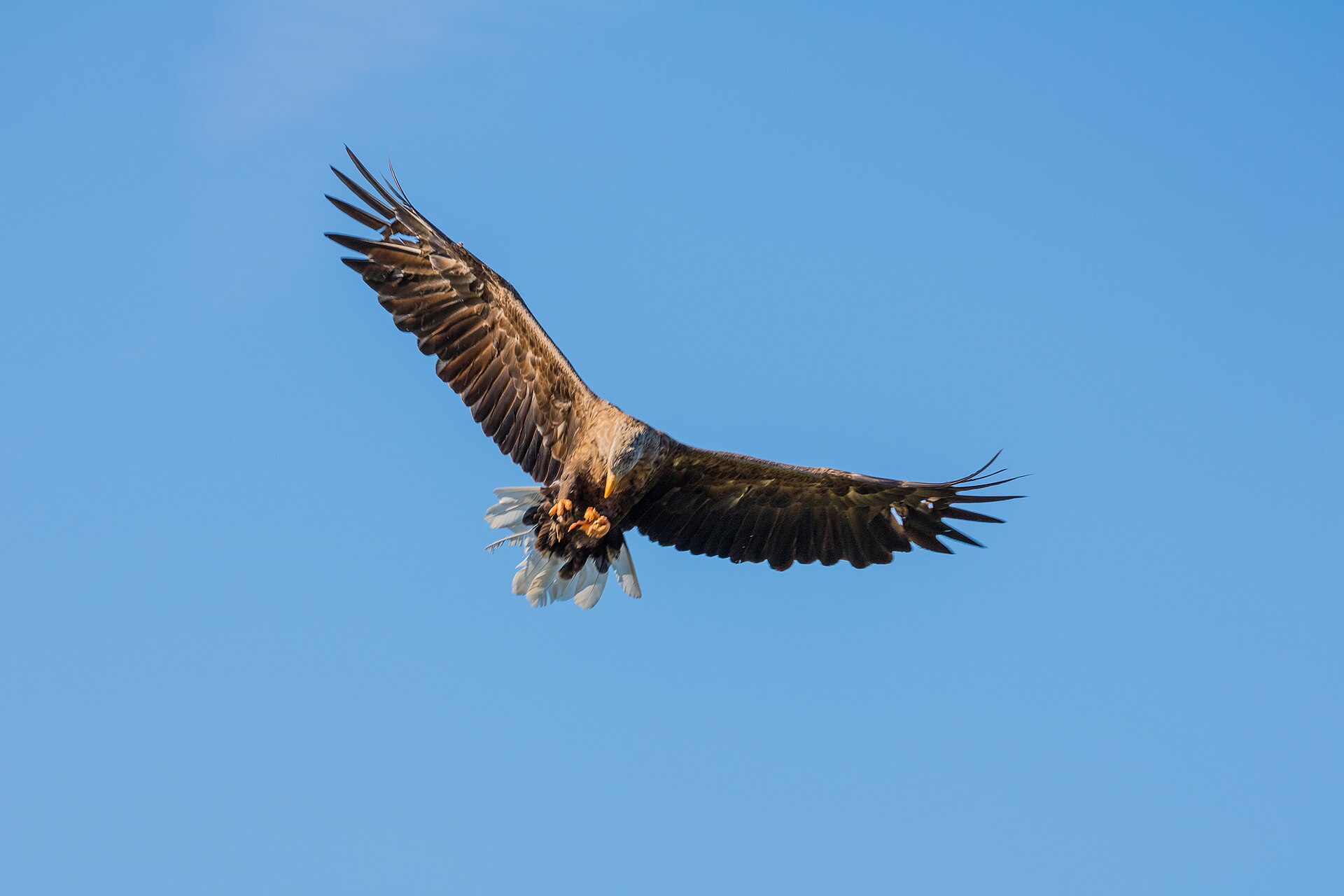
White-tailed eagle in flight: it has wings and feathers. Photo: White-tailed eagle flying (21548063471), Susanne Nilsson, CC BY-SA 2.0, modified: reduced in size 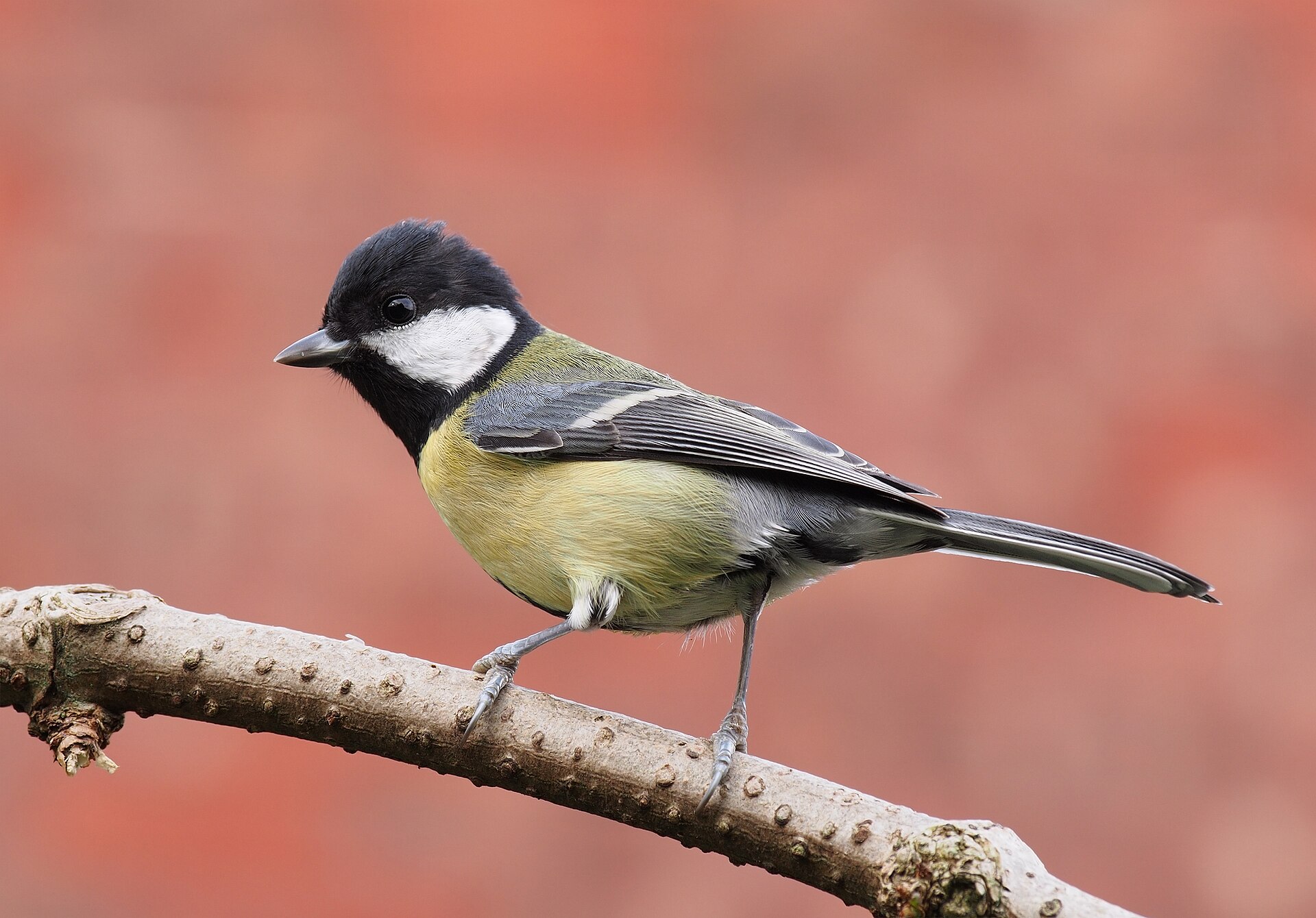
Great tit: beak, wings and feathers. Photo: Great tit side-on, Francis C. Franklin, CC BY-SA 3.0, modified: reduced in size 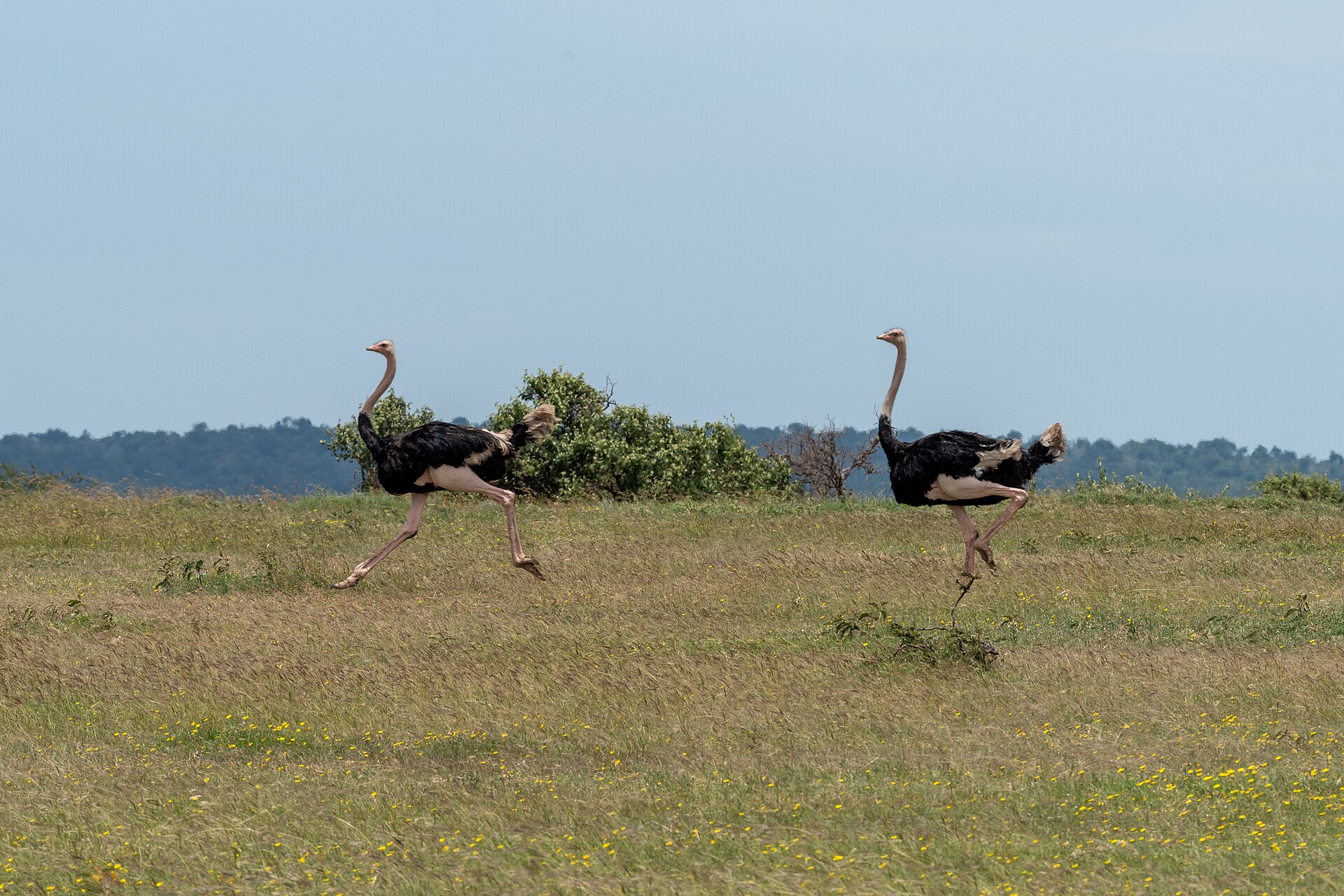
The ostrich cannot fly but runs. Photo: Two Ostrich Running, Eric Kilby, CC BY-SA 2.0, modified: reduced in size 3. Fish
Fish live in water and breathe through gills. They move using fins and are cold-blooded.
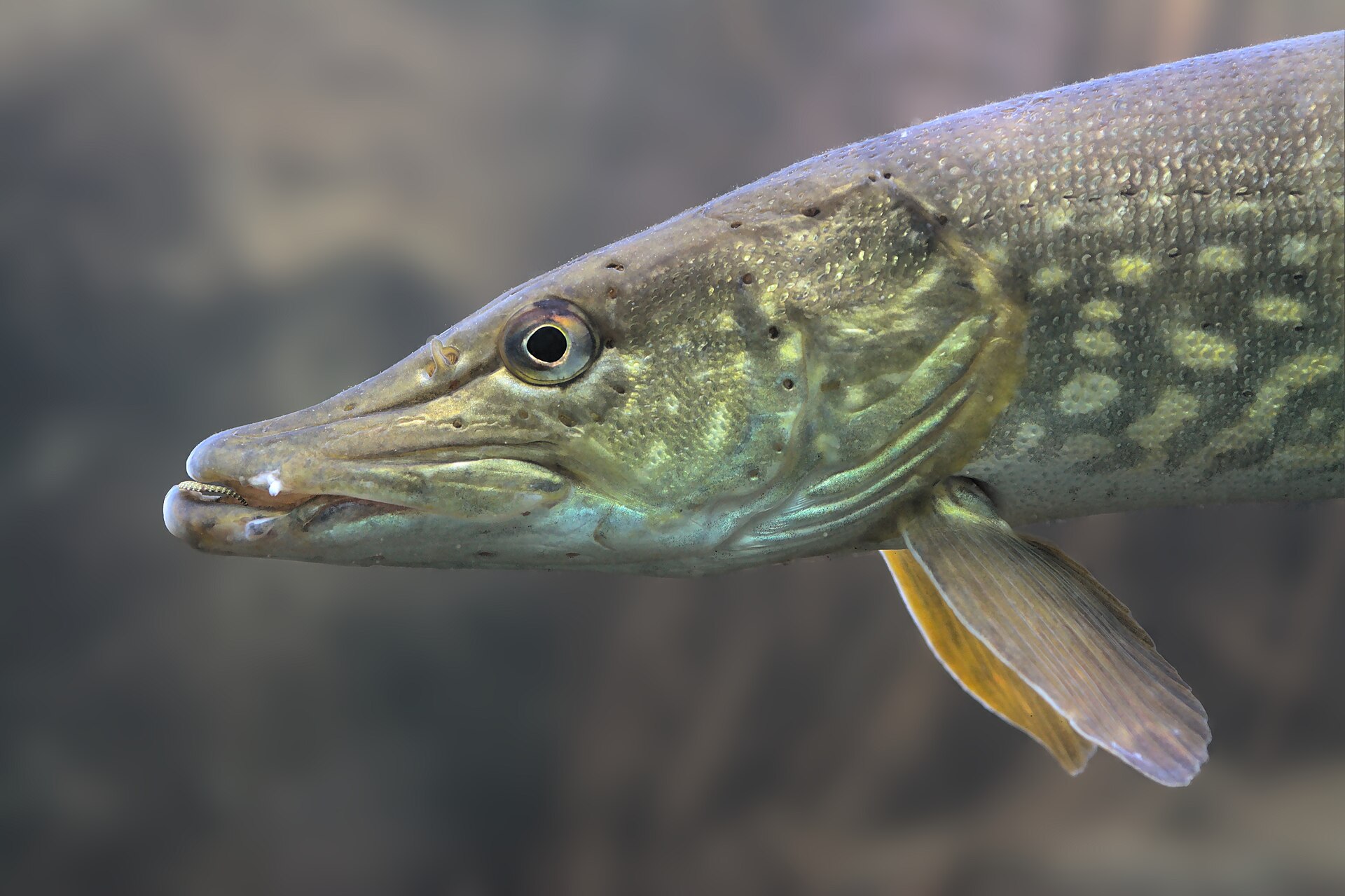
Pike: the gills under the gill cover let the fish breathe; the pectoral fin helps it move and steer. Photo: Esox lucius - Brochet - Northern pike, Gilles San Martin, CC BY-SA 2.0, modified: reduced in size 4. Insects
An insect has six legs and a three-part body. They are the most numerous group of animals on Earth.
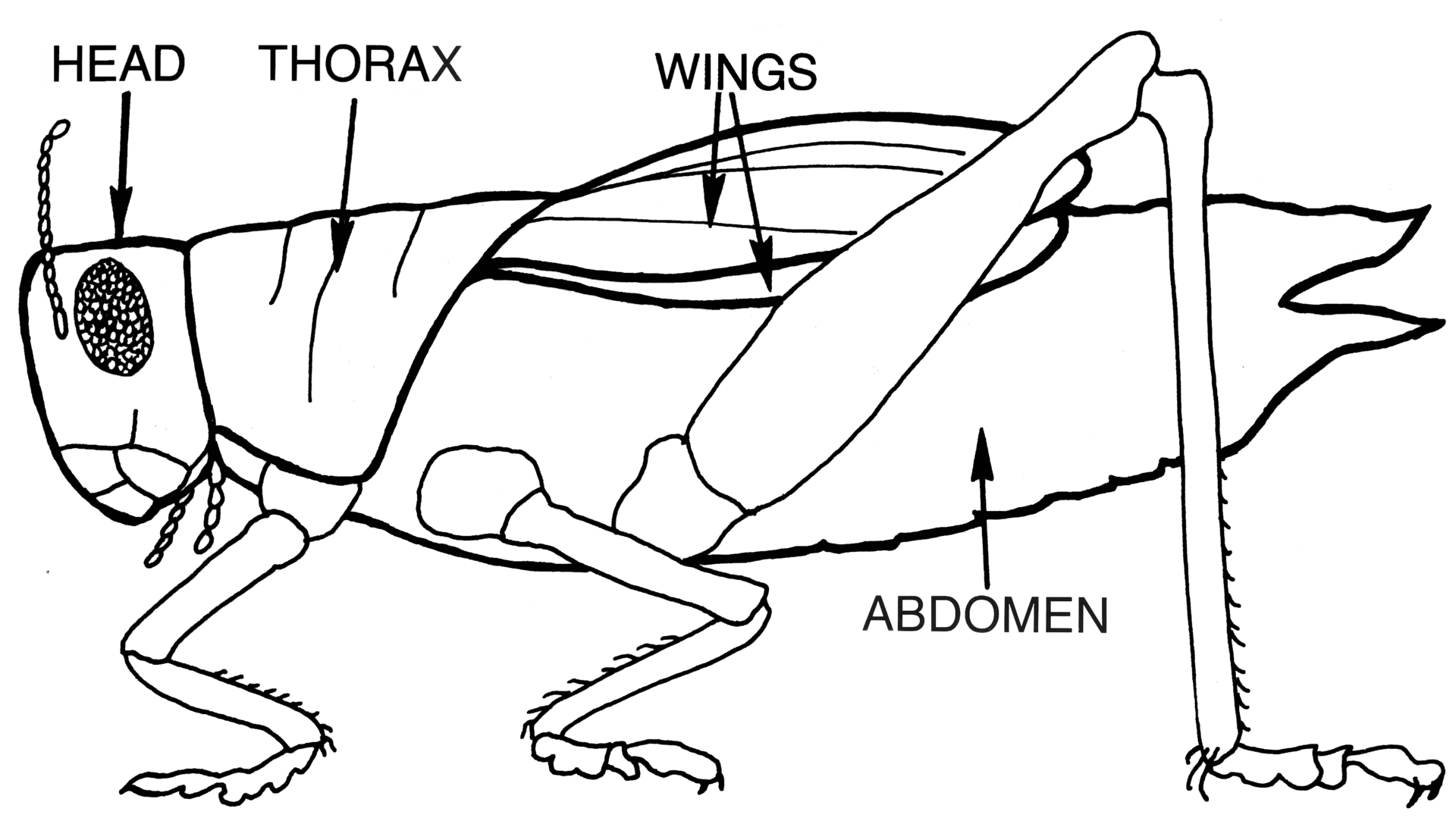
An insect's body has three parts: head, thorax and abdomen. Photo: Insect Anatomy (PSF), Pearson Scott Foresman, Public domain, modified: reduced in size 5. Food Chain
Plants produce food, herbivores eat plants, and predators eat herbivores. Every part of the chain affects the others.
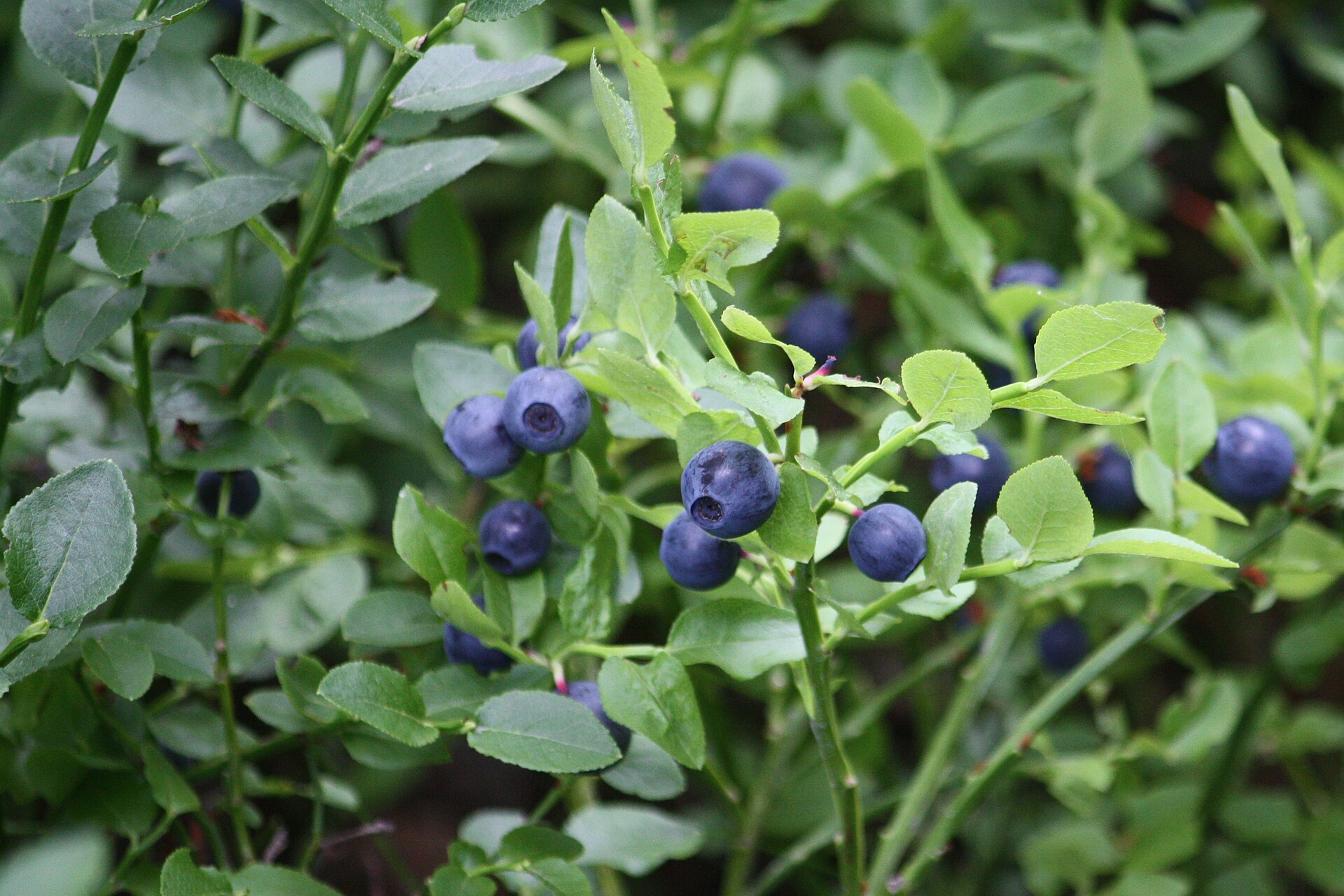
1. Producer: bilberry and other plants produce food. Photo: Vaccinium myrtillus Mustikka IMG 1100 C, Anneli Salo, CC BY-SA 3.0, modified: reduced in size 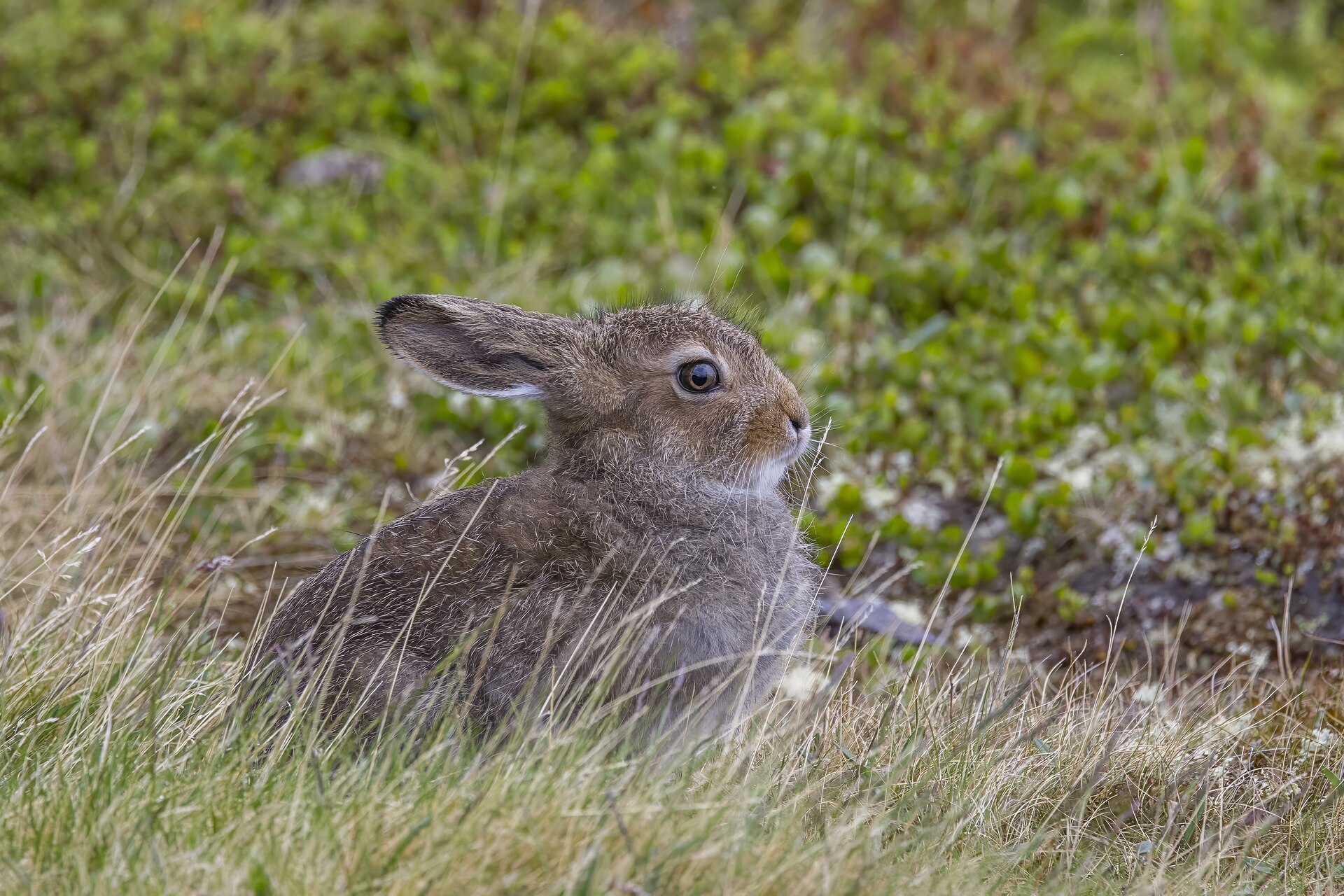
2. Herbivore: the mountain hare eats plants. Photo: Mountain hare (Lepus timidus) Oppdal, Charles J. Sharp, CC BY-SA 4.0, modified: reduced in size 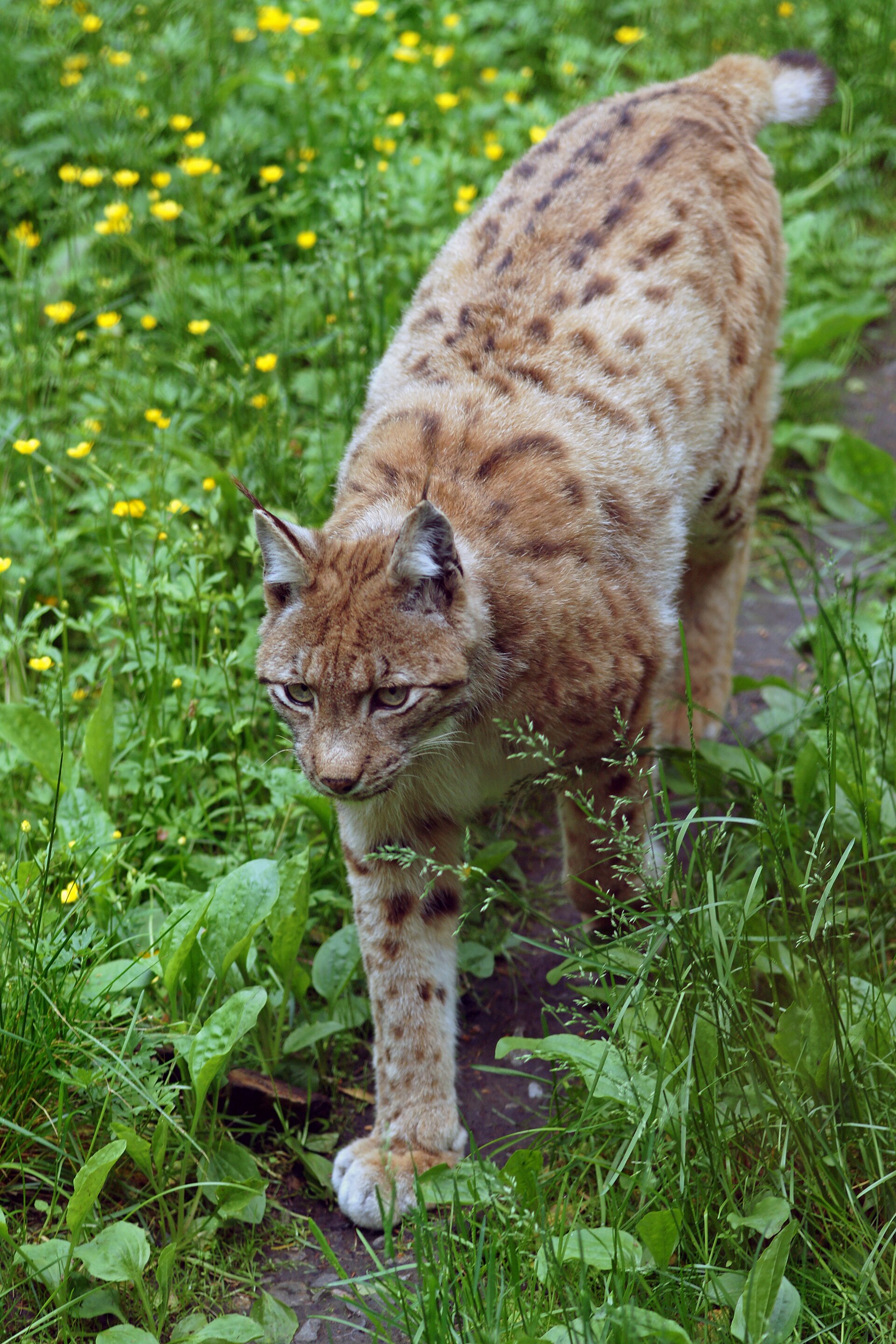
3. Predator: the lynx eats hares, for example. Photo: Lynx lynx Ähtäri, kallerna, CC BY-SA 3.0, modified: reduced in size


Summary
Animals are divided into groups based on their structure, and each group has its own identifiable characteristics. Habitat and the food chain explain why a species lives in a specific place.
Frequently asked questions
What makes an animal a mammal?
Nursing offspring with milk, having hair or fur, and being warm-blooded are the key characteristics of a mammal.
Why do some birds migrate?
Because in winter, their food sources, such as insects, are not available in their northern habitats.
What does cold-blooded mean?
It means that the animal's body temperature follows the temperature of the environment, as seen in fish and frogs.