
Athens and Sparta: the city-states of ancient Greece
Athenian democracy and Sparta's military society with pictures, maps and a timeline: teaching, slides and questions for grades 4–6.
In ancient Greece, Athens and Sparta were two great city-states, but their ways of life were very different. The article suits history in grades 4–6, and every step can be shown to the class as a slide.
At the end, the pupil can say what a city-state is and what democracy meant in Athens. The pupil knows how the soldier city of Sparta differed from Athens, and when the cities fought together and when against each other.
Key concepts
- city-state
- A city-state is an independent state made up of a city and the countryside around it. In ancient Greece a city-state was called a polis, and the best known were Athens and Sparta. There were also city-states in medieval Italy, for example, and Singapore is one today.
- Sparta
 Sparta was a city-state of ancient Greece on the Peloponnese peninsula. Its society was built around military training, and boys began their training at about the age of seven. Farm work was done mainly by helots, who were not free.
- democracy
 Rule by the people. In the democracy that began in Athens at the end of the 500s BC, citizens decided public matters by voting in the assembly. Women, slaves and people from elsewhere were not allowed to vote, however.
- acropolis
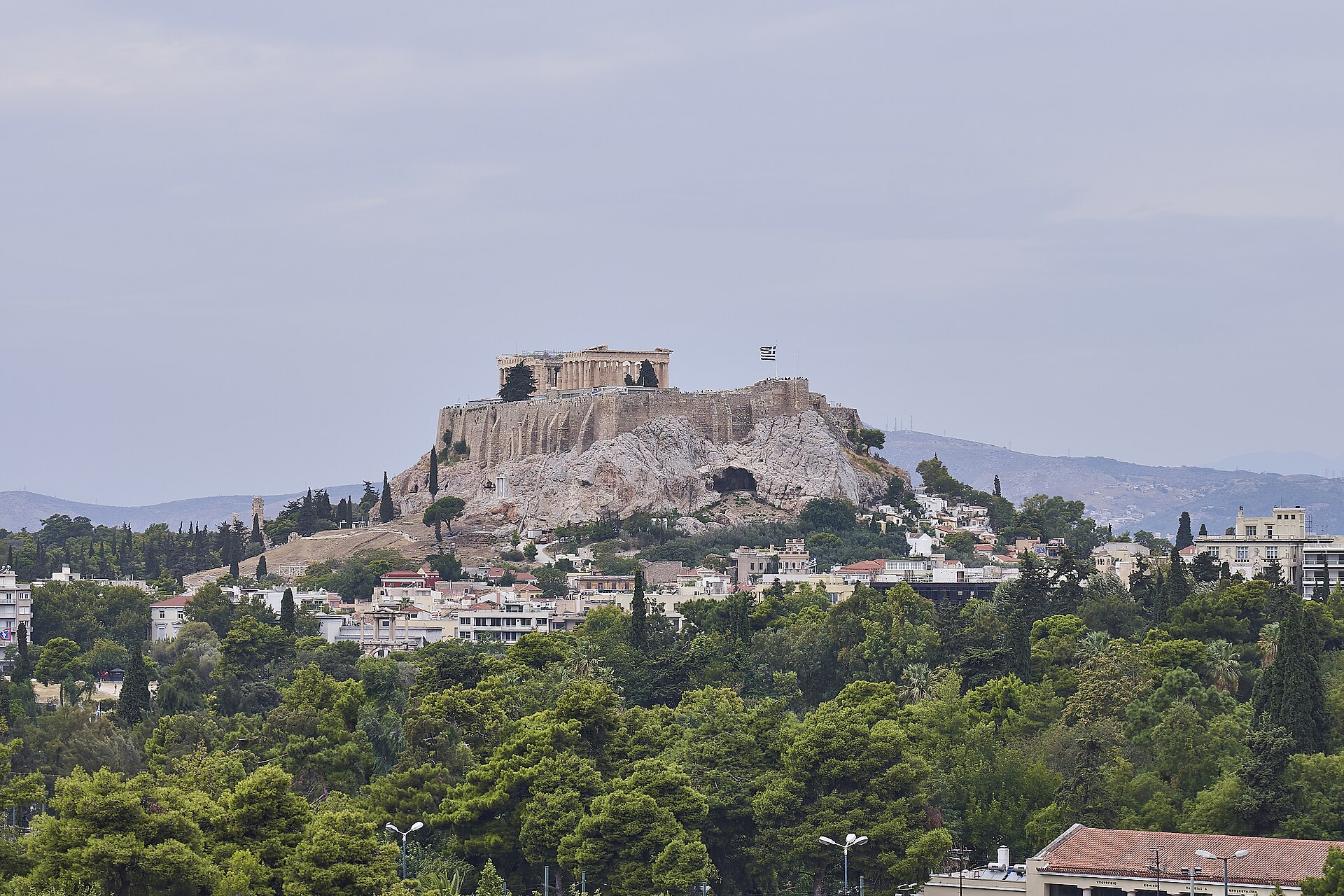
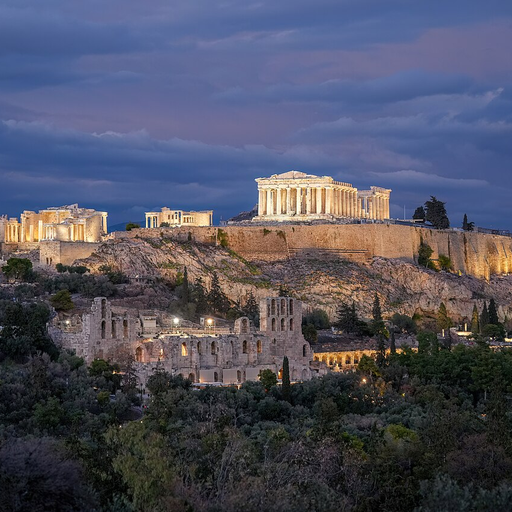 The highest, fortified hill of a city, where the most important temples stood. The Parthenon on the Acropolis of Athens was built in the 400s BC. The Acropolis is a UNESCO World Heritage Site.
- agora
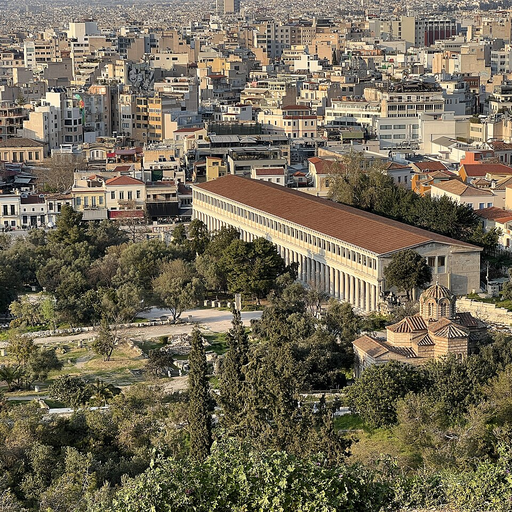 The market square and meeting place of a Greek city. People traded there, talked about politics and listened to philosophers. Socrates talked with the people of Athens in its agora.
- hoplite
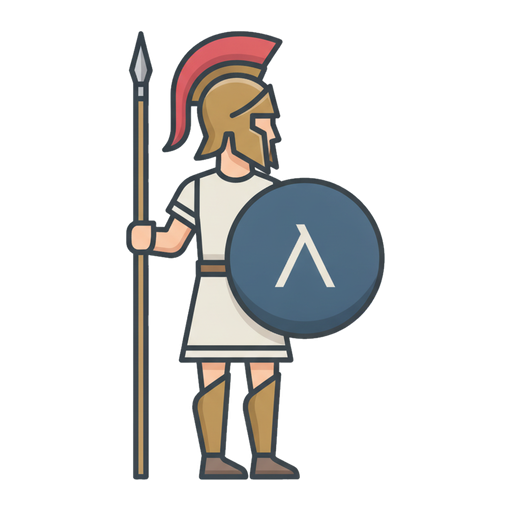 A Greek foot soldier with a bronze helmet, a large round shield and a spear. Hoplites fought in a tight formation, the phalanx, where each man's shield also protected his neighbour. They were ordinary citizens who bought their own equipment.
- theatre
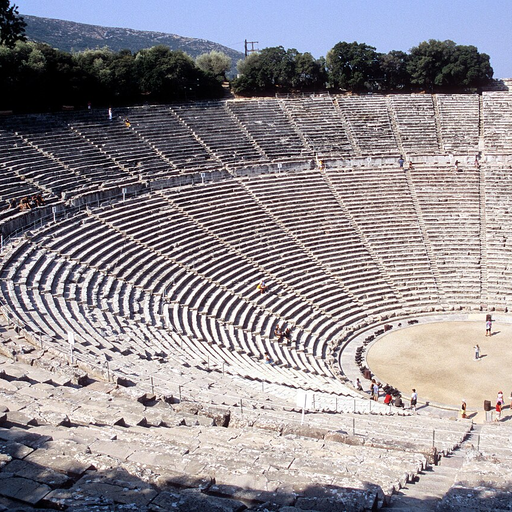 A Greek open-air theatre was built into a hillside, with stone seats in a half circle. Actors performed tragedies and comedies, and all the actors were men. The theatre of Epidaurus is famous for its excellent acoustics.
- metic
 A metic was a free foreigner living in ancient Athens who was not a citizen. Metics paid a special tax and could work as traders and craftsmen, for example, but they could not take part in the assembly and usually could not own land. The philosopher Aristotle was also a metic in Athens.
Related exercises
There is no exercise for this topic yet
Teacher or creator: make the first exercise with Puro Editor and choose Ancient Greece as its topic. It will appear here as soon as it is published.
1. What do you know about Athens and Sparta?
In which city did the people decide things by voting?
In which city were boys trained to be soldiers?
Who was allowed to vote in ancient Athens?
Did Athens and Sparta always fight each other?2. Many cities, not one state
Ancient Greece was not one state. Each city and its surrounding land was its own city-state, or polis, with its own laws and soldiers. Mountains and sea kept the cities apart. Athens and Sparta were the best known.
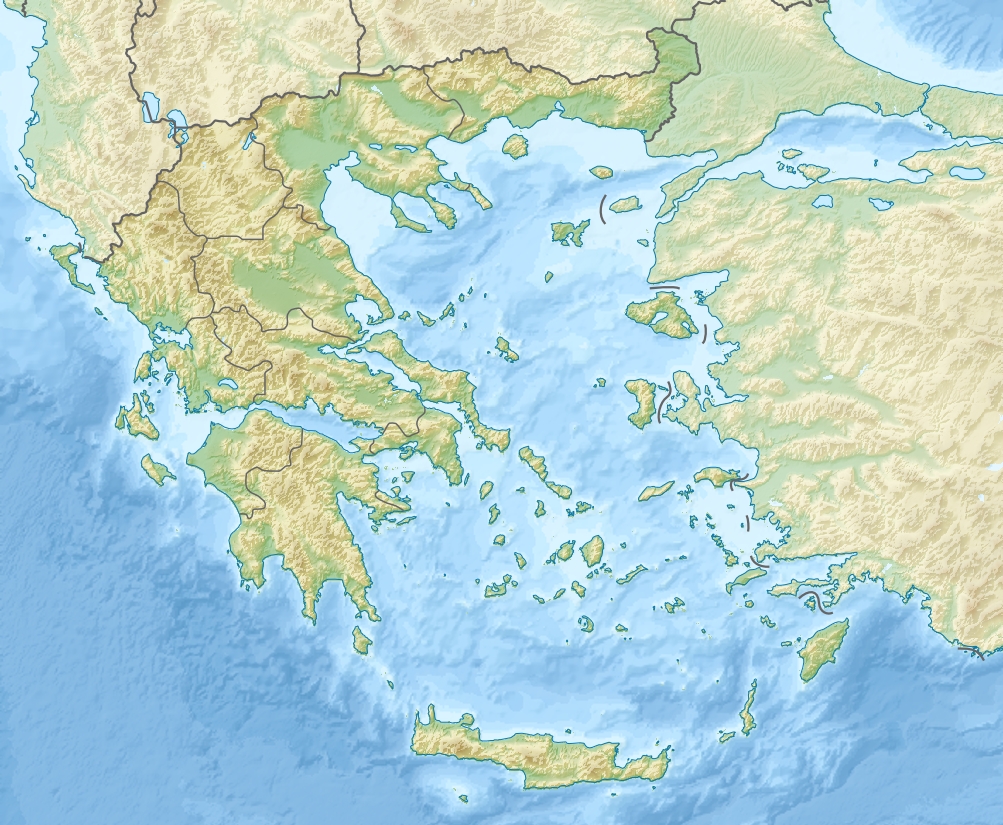
A modern map of Greece. Athens was on the Attica peninsula and Sparta on the Peloponnese. Mountains and sea kept the city-states apart.. Photo: Greece relief location map, Lencer / deriva, CC BY-SA 3.0, modified: reduced in size 3. Athens: rule by the people, school and theatre
Democracy means rule by the people. In Athens, free adult men made decisions in the assembly. Women, slaves and foreigners (metics) were not allowed to vote. Boys went to school, and plays were performed in the city's theatre.
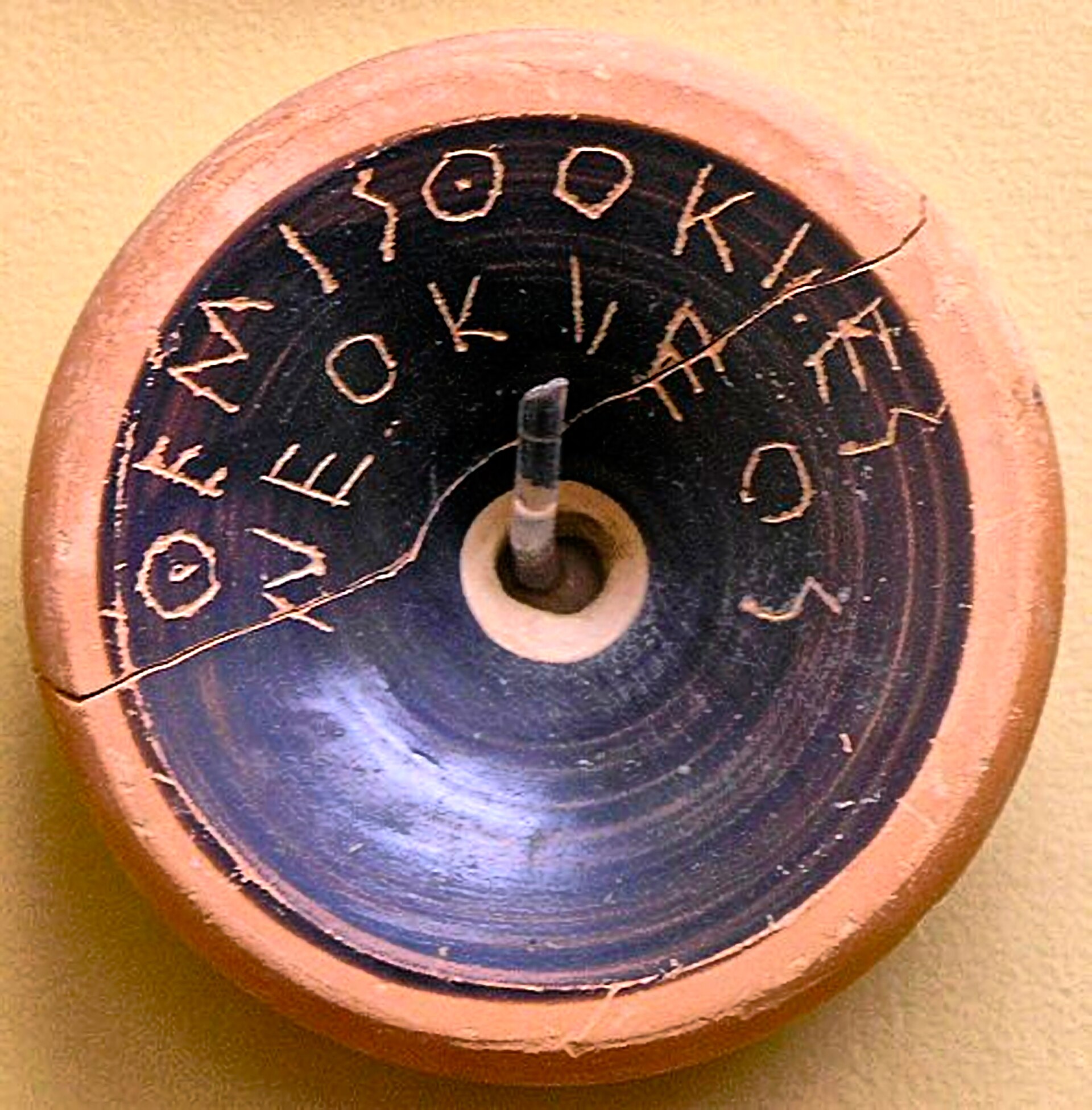
An ostrakon, or piece of a clay vessel, with the name Themistocles scratched on it (480s BCE). People voted with such pieces on who would be banished from the city.. Photo: Ostracon with the name of Themistocles, Marsyas, CC BY 4.0, modified: reduced in size 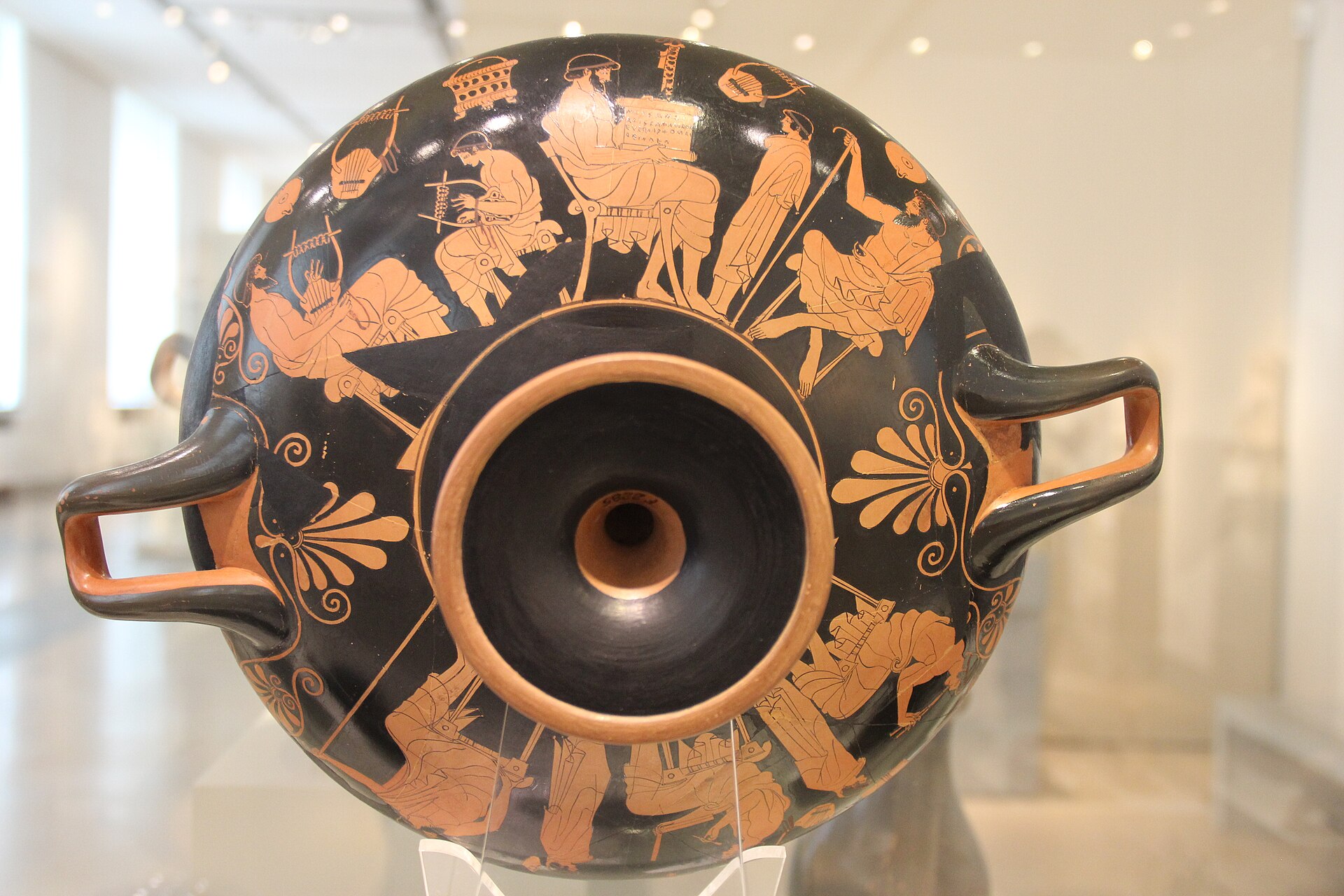
In the pictures on the cup, a boy learns to play music and to write (about 480 BCE). Athenian boys went to school, but usually not girls.. Photo: Attic Red-figure Ceramic Kylix, by Douris, depicting School for Privileged Pupils, c. 480 BC, Gary Todd, CC0, modified: reduced in size 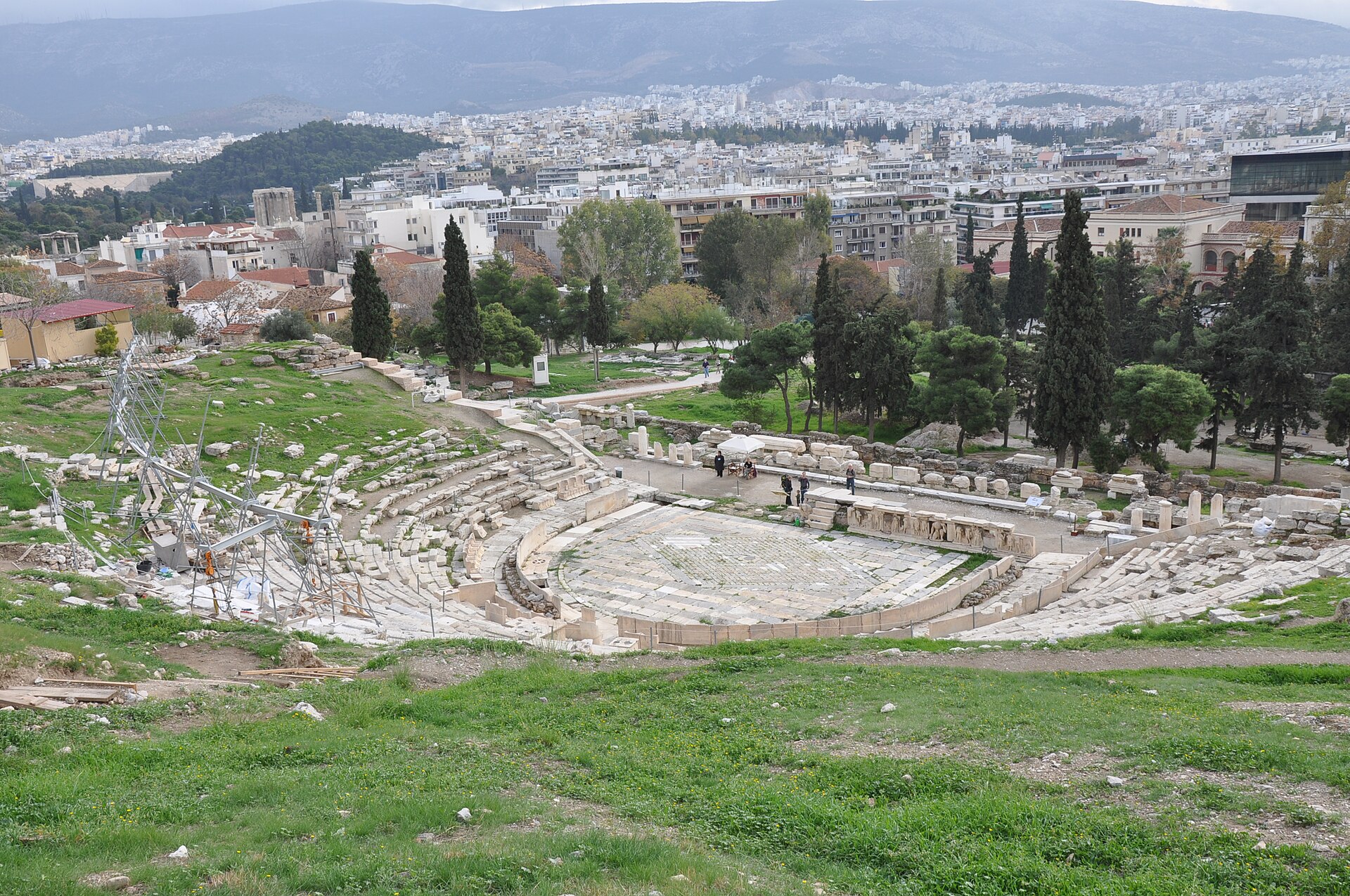
The ruins of the Theatre of Dionysus on the slope of the Acropolis in Athens. Plays were performed here as early as ancient times, but the present stone seats are from a later period.. Photo: Lascar Theatre of Dionysus (4517764326), Jorge Láscar, CC BY 2.0, modified: reduced in size 4. The Acropolis and the agora
On the high rock of Athens, the Acropolis, there were temples. The largest was the Parthenon, built for Athena, the protector of the city. At the foot of the rock was the agora, the marketplace and meeting place of the city.
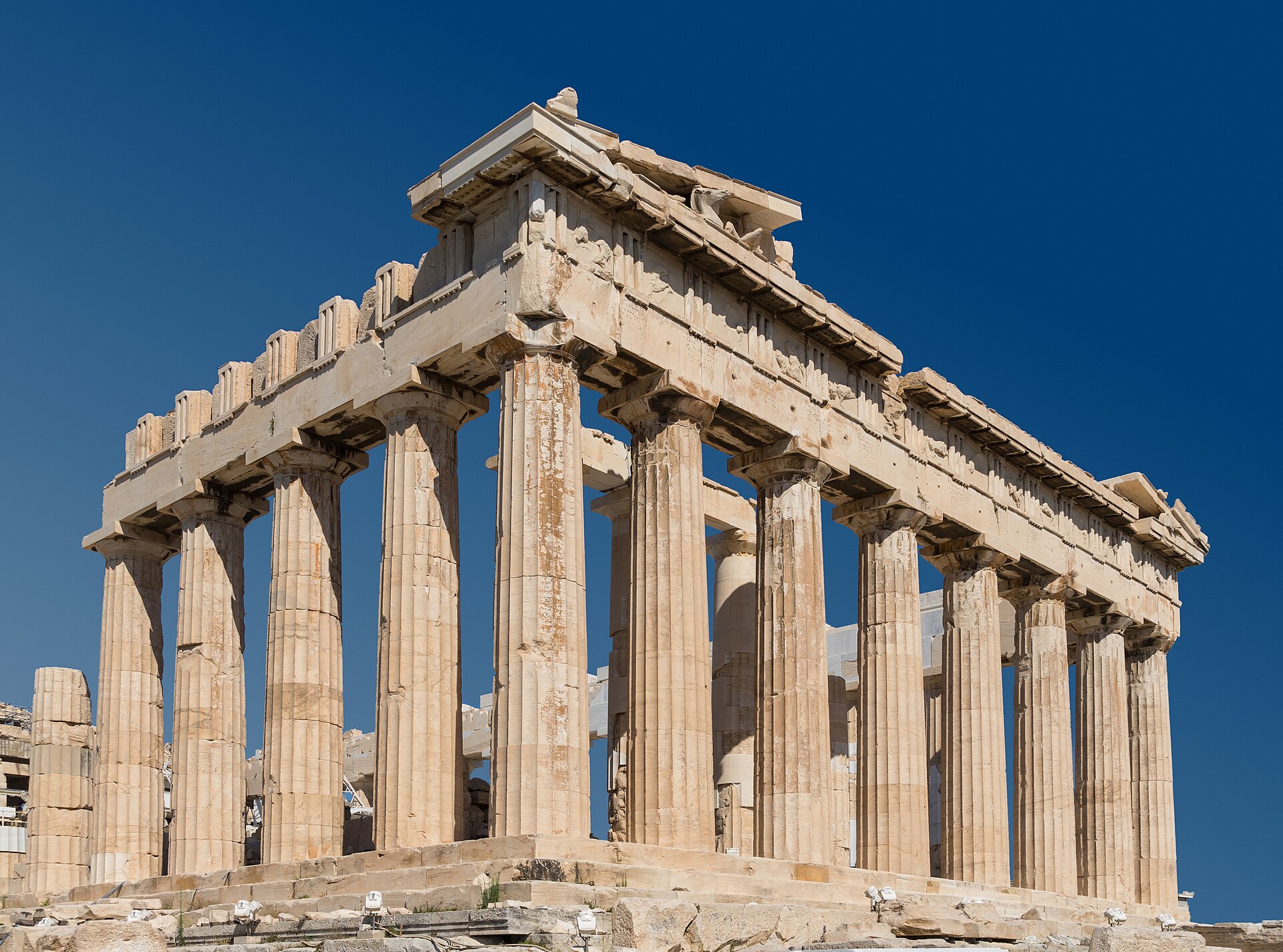
The Parthenon on the Acropolis. The temple was finished more than 2 400 years ago.. Photo: Parthenon east side Acropolis Athens, Greece, Jebulon, CC0, modified: reduced in size 5. Sparta: the city of soldiers
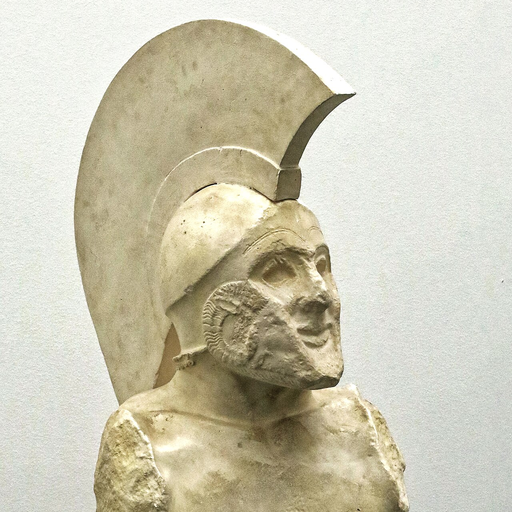
Sparta was a city-state of soldiers. Boys began training at the age of 7, and there they learned to fight and to endure hunger and cold. The land was farmed by helots, who were not free. A Spartan hoplite was supposed to fight shoulder to shoulder with the others.
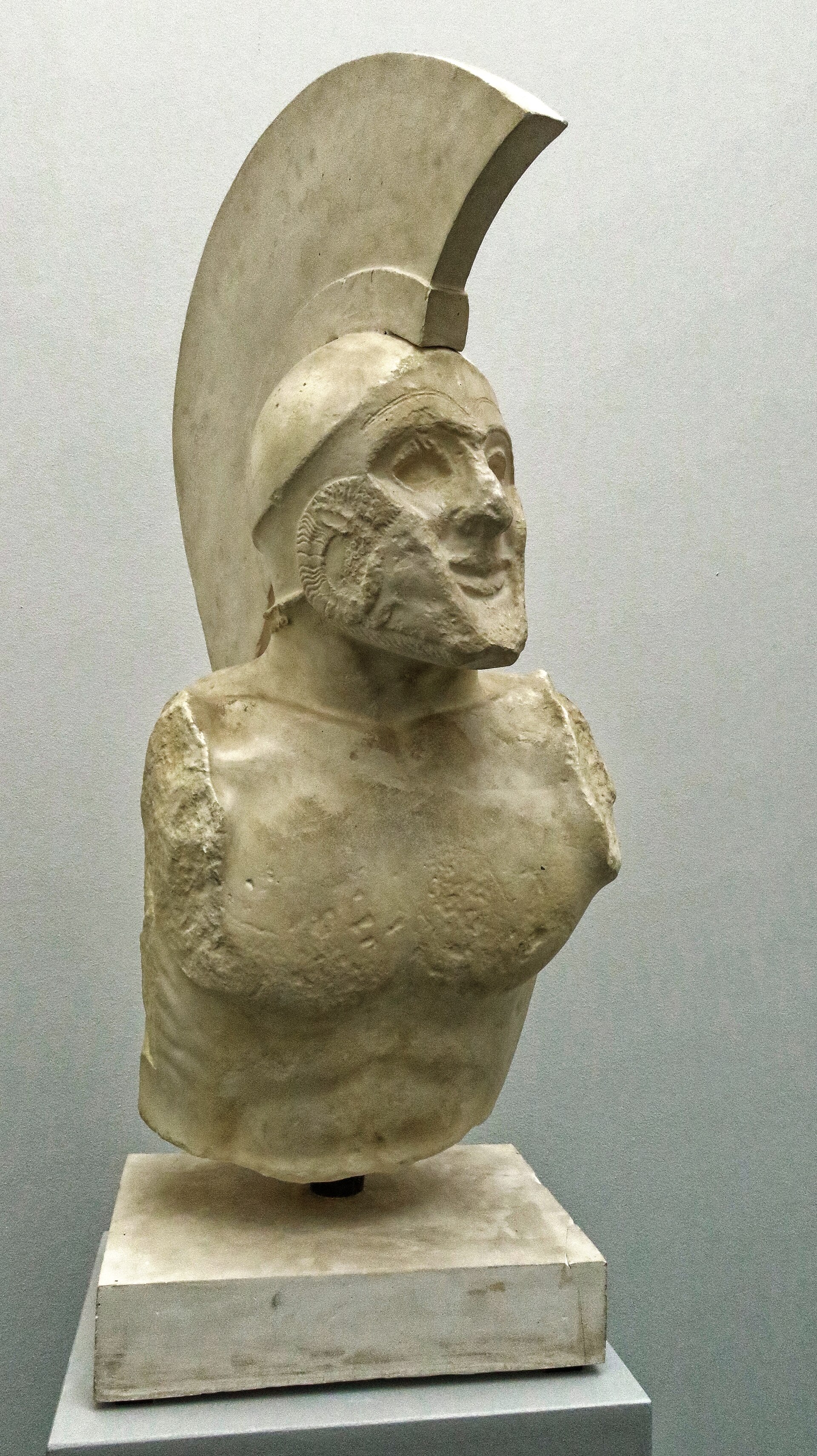
Statue of a hoplite (about 480 BCE), a plaster cast. The original is in the Archaeological Museum of Sparta. The statue is called Leonidas, but that is not certain.. Photo: Leonidas Statue 01, Pimpinellus, CC BY-SA 4.0, modified: reduced in size 6. Together and against each other
Athens and Sparta did not always quarrel. During the Persian Wars they fought on the same side. Later they faced each other in the Peloponnesian War. The dates are the traditionally used ones.
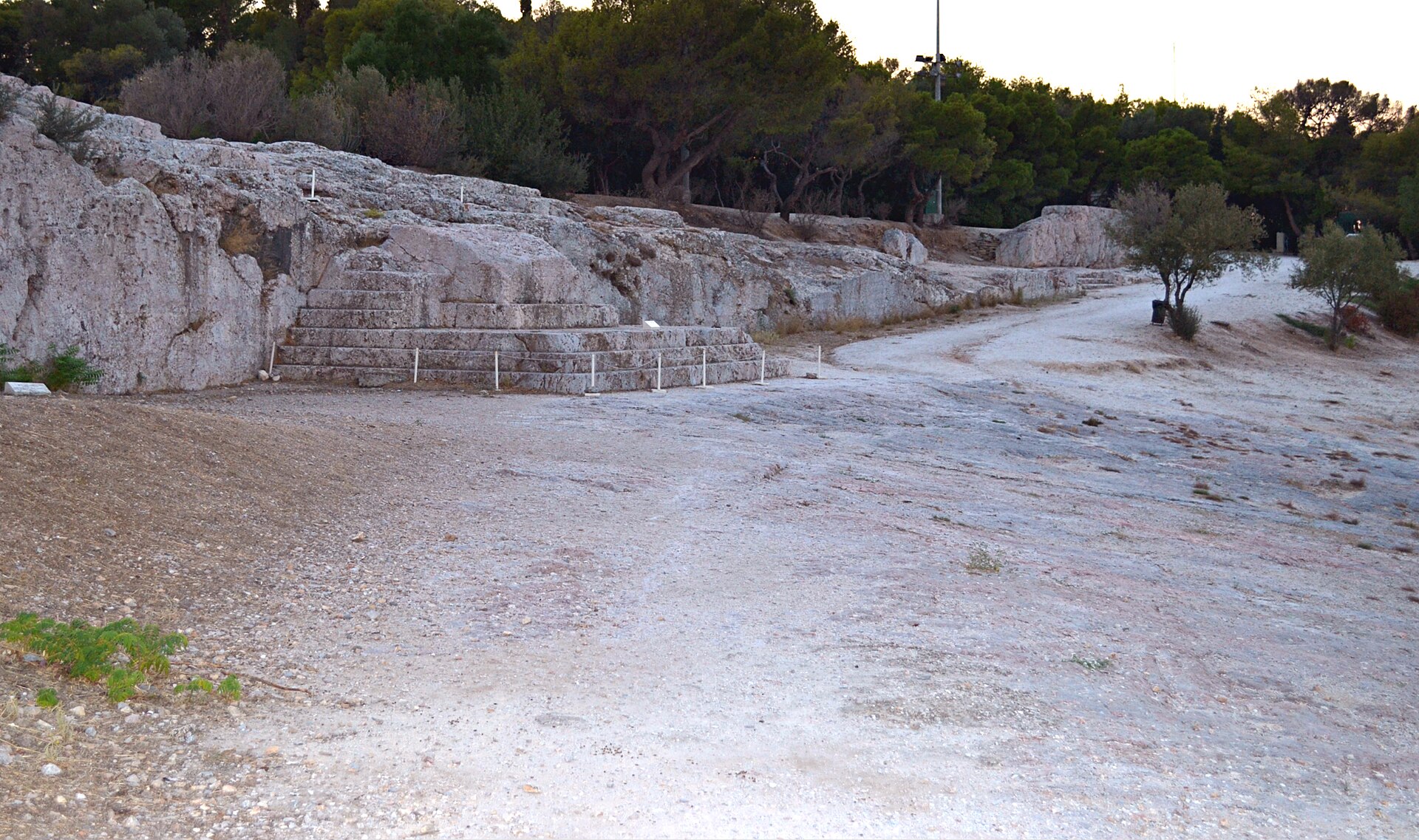
The speaker's platform on the Pnyx hill, where the assembly of Athens met. The stone structures are from different periods.. Photo: Bema, Pnyx, GeorgeKokkos, CC BY-SA 4.0, modified: reduced in size 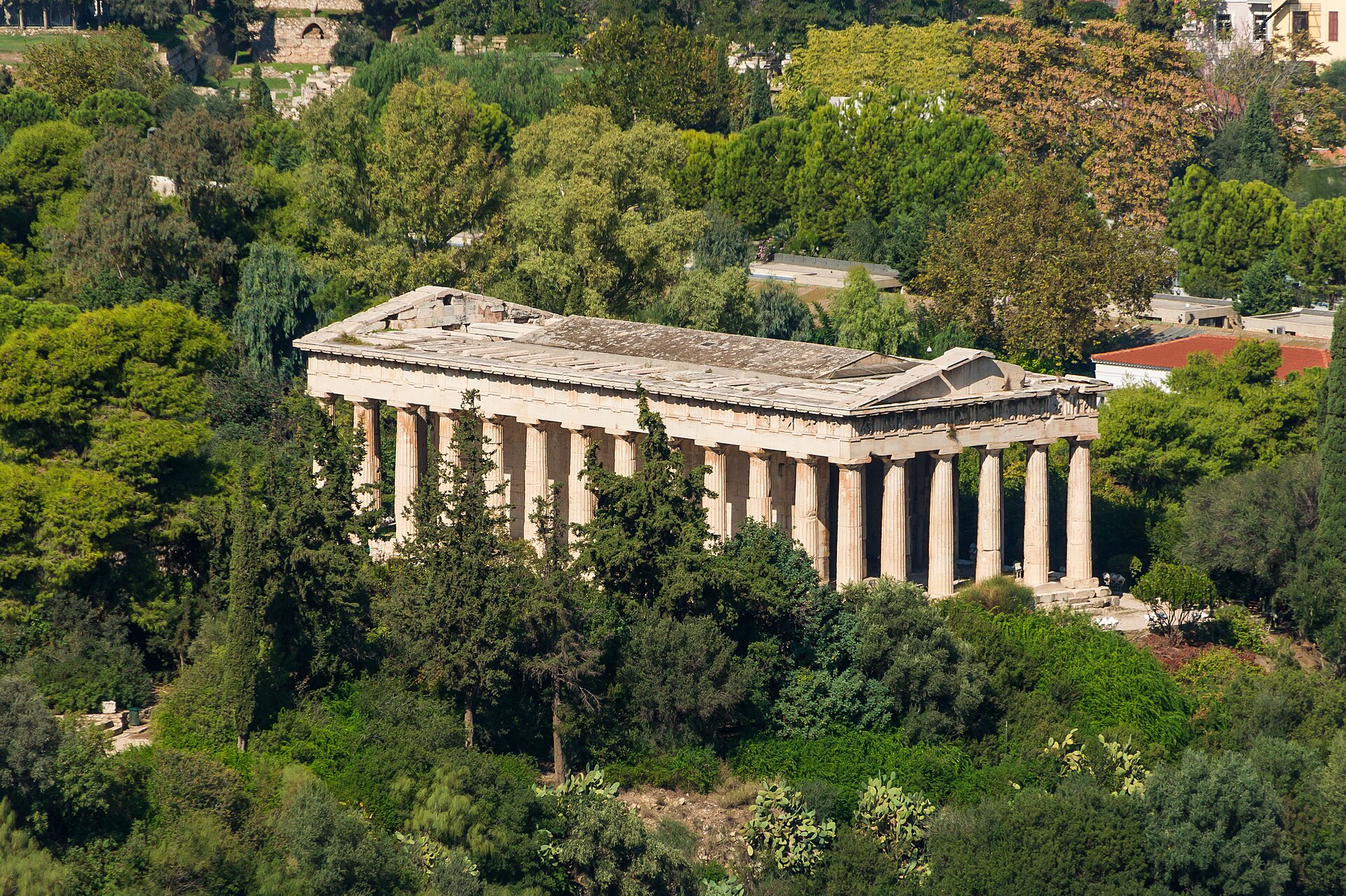
The Temple of Hephaestus at the edge of the agora, photographed from the Acropolis rock. It is one of the best-preserved ancient temples.. Photo: Temple of Hephaestos ancient Agora from Acropolis Athens, Jebulon, CC0, modified: reduced in size - c. 508 BCE Cleisthenes reforms Athens: democracy is born
- 490 BCE Athenians defeat Persians at Marathon
- 480 BCE Against Persia: Thermopylae (Sparta), Salamis (Athens)
- c. 447 BCE Parthenon and Hephaestus Temple built
- 431 BCE Peloponnesian War begins: Athens versus Sparta
- 404 BCE Sparta wins; Athens surrenders
7. Think about it in pairs
Why were there many city-states in Greece and not one state?
Why can Athenian democracy not be called rule by everyone?
How did the lives of an Athenian boy and a Spartan boy differ?
When did Athens and Sparta fight on the same side, and when against each other?


Summary
Ancient Greece was made up of many city-states. In Athens, free adult men made decisions in the assembly, but women, slaves and foreigners were not allowed to vote. Democracy and theatre come from Athens. Sparta was a city of soldiers, where boys were trained to be soldiers and helots farmed the land. During the Persian Wars the cities fought together, and in the Peloponnesian War Sparta defeated Athens.
Frequently asked questions
Could all Athenians vote?
No. Free adult men who were Athenians could vote. Women, slaves and foreigners, called metics, were not allowed to vote. That is why Athenian democracy was not rule by everyone.
What do we still have from Athens today?
The word and the idea of democracy come from Athens. Theatre also comes from ancient Greece: plays were performed in Athens in the Theatre of Dionysus. Philosophers also lived in Athens, thinking about how people should live.
Did Athens and Sparta always fight each other?
No. During the Persian Wars they fought on the same side, Sparta on land and Athens at sea. In the Peloponnesian War in the years 431–404 BCE they faced each other, and Sparta won.