
Cardinal directions: teaching, slides and exercises for grades 3–4 (ages 9–10)
Northeast, southeast, southwest and northwest, using a compass, describing a route on a map and Finland's neighbours by direction. For grades 3–4.
This article continues from the basics of the cardinal directions. North, east, south and west are assumed to be familiar. In grades 3–4, pupils learn the intermediate directions northeast, southeast, southwest and northwest. Every step is ready to show to the class as a slide.
By the end, pupils can use a compass and describe a route on a map with cardinal directions. They can also say where Finland's neighbouring countries are. If needed, review the basics from the article for grades 1–2. After that, practise with the exercises.
Key concepts
- cardinal directions
 North, east, south and west. They are used to tell direction.
- compass
 An instrument whose magnetic needle always points north. The compass was invented in China, and in Europe it came into use at sea in the 1200s. With it, sailors dared to sail far out into the open sea.
- magnet
 An object that pulls iron toward it. It has a north pole and a south pole.
- map
 A picture of the land seen from above. A map shows where places are.
- Finland
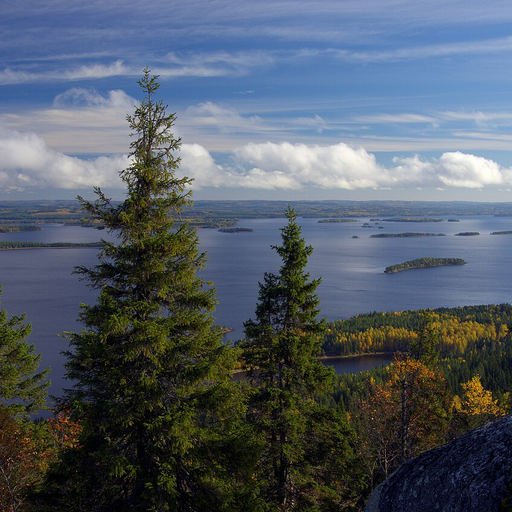 Finland is a country in northern Europe. It has many forests and lakes, and its capital is Helsinki.
- Sweden
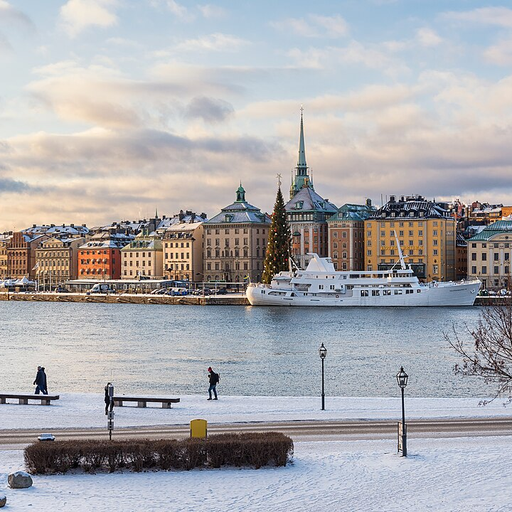 Sweden is Finland's neighbour to the west, in northern Europe. Its capital is Stockholm.
- Europe
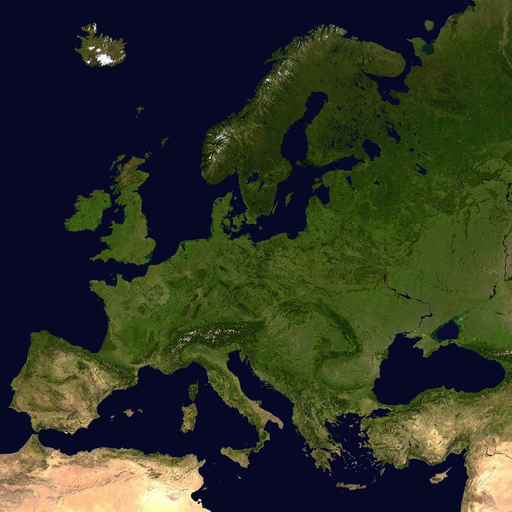 Europe is a continent, and Finland is part of it. It is a small continent, but it has many countries and languages.
- Baltic Sea
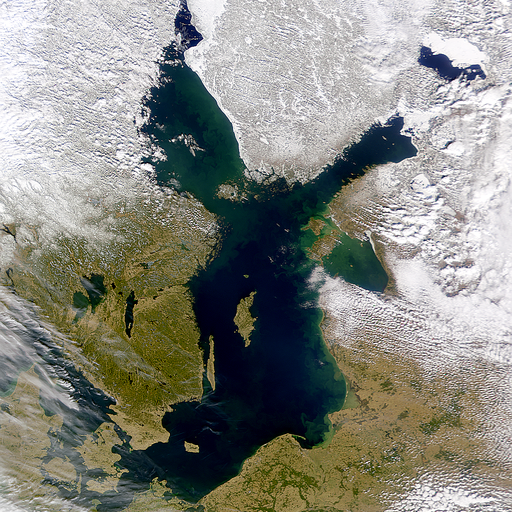 The Baltic Sea is a shallow sea in northern Europe, and Finland lies on its shore. Its water is much less salty than the ocean.
Related exercises
There is no exercise for this topic yet
Teacher or creator: make the first exercise with Puro Editor and choose Cardinal Directions as its topic. It will appear here as soon as it is published.
1. Four or eight directions?
North, east, south and west divide the circle into 4 parts.
In the middle of every part there is one more direction. Then there are 8 directions.
4 main directions 8 directions 2. Intermediate directions
An intermediate direction is halfway between two main directions. There are 4 of them: northeast, southeast, southwest and northwest.
Remember: northeast and southeast are on the east side. Southwest and northwest are on the west side, like west.
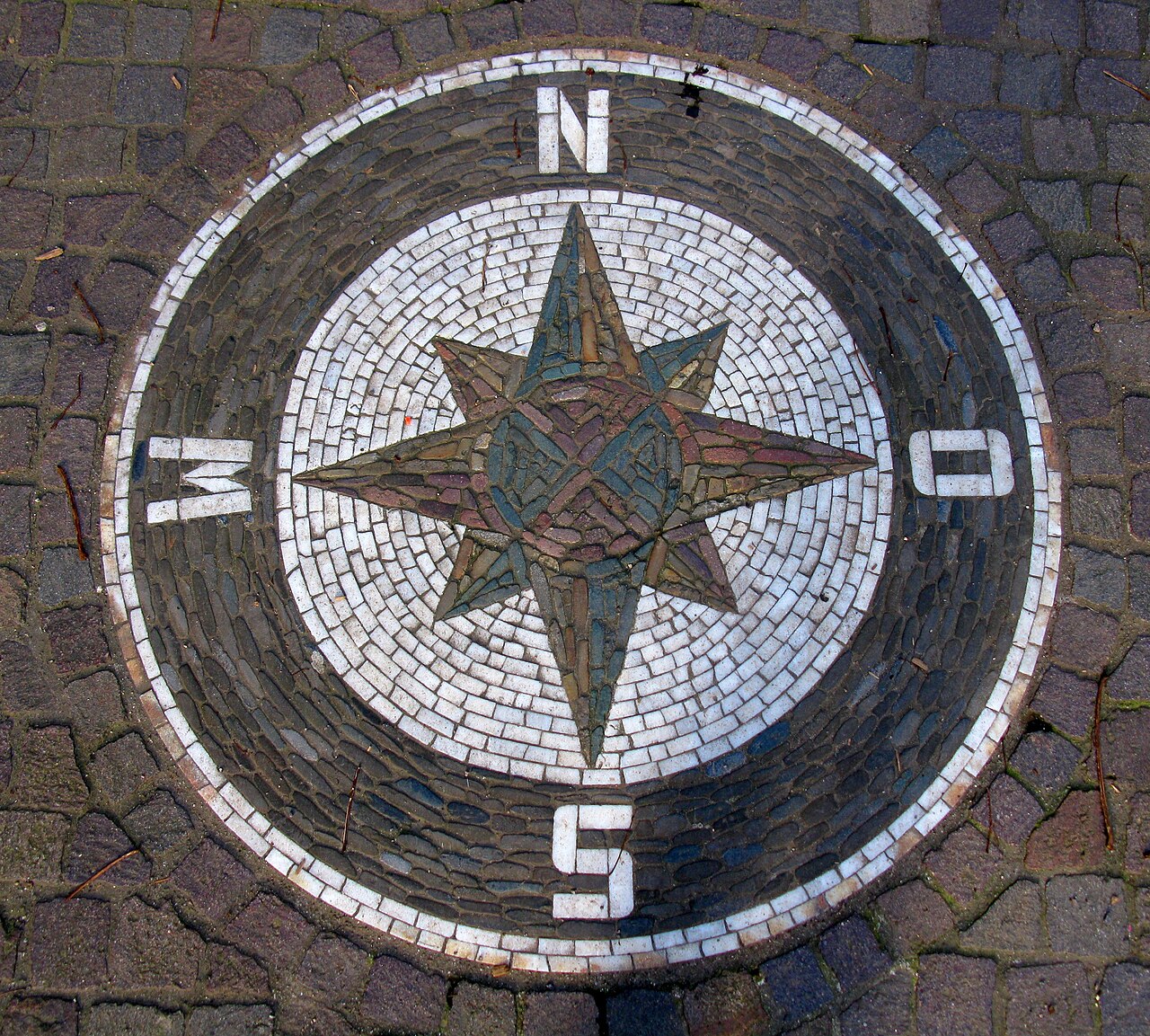
A compass rose in Freiburg, Germany (O = Ost, meaning east). Photo: Windrose 8052 (Pflastermosaik in Freiburg im Breisgau), Andreas Schwarzkopf, CC BY-SA 3.0, modified: reduced in size 3. How to use a compass
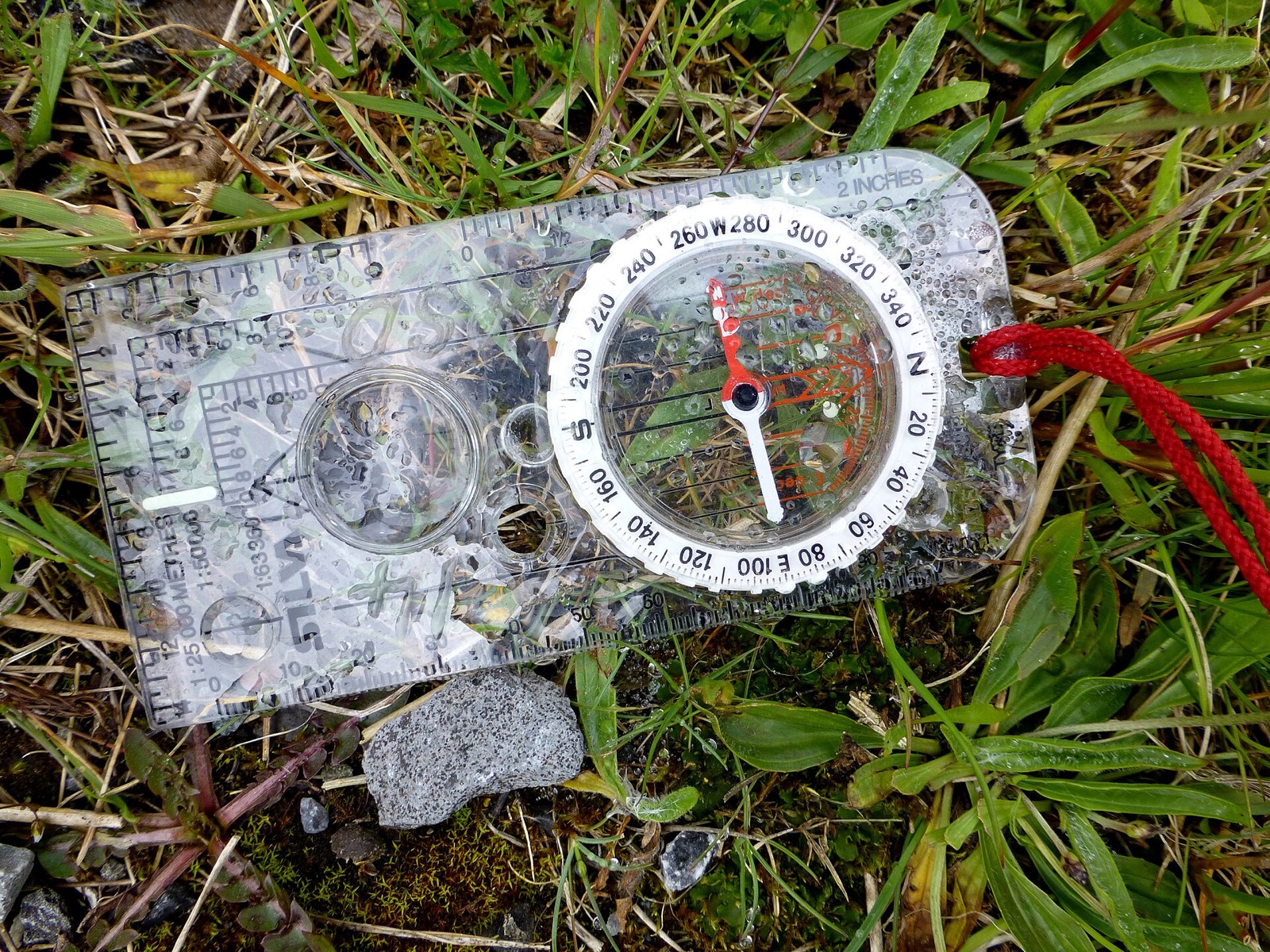
1. Hold the compass level, away from phones and metal.
2. Wait until the magnetic needle stops: the red end points north.
3. Turn the ring until N is at the red end.
4. The letters on the ring show the directions: N north, E east, S south, W west.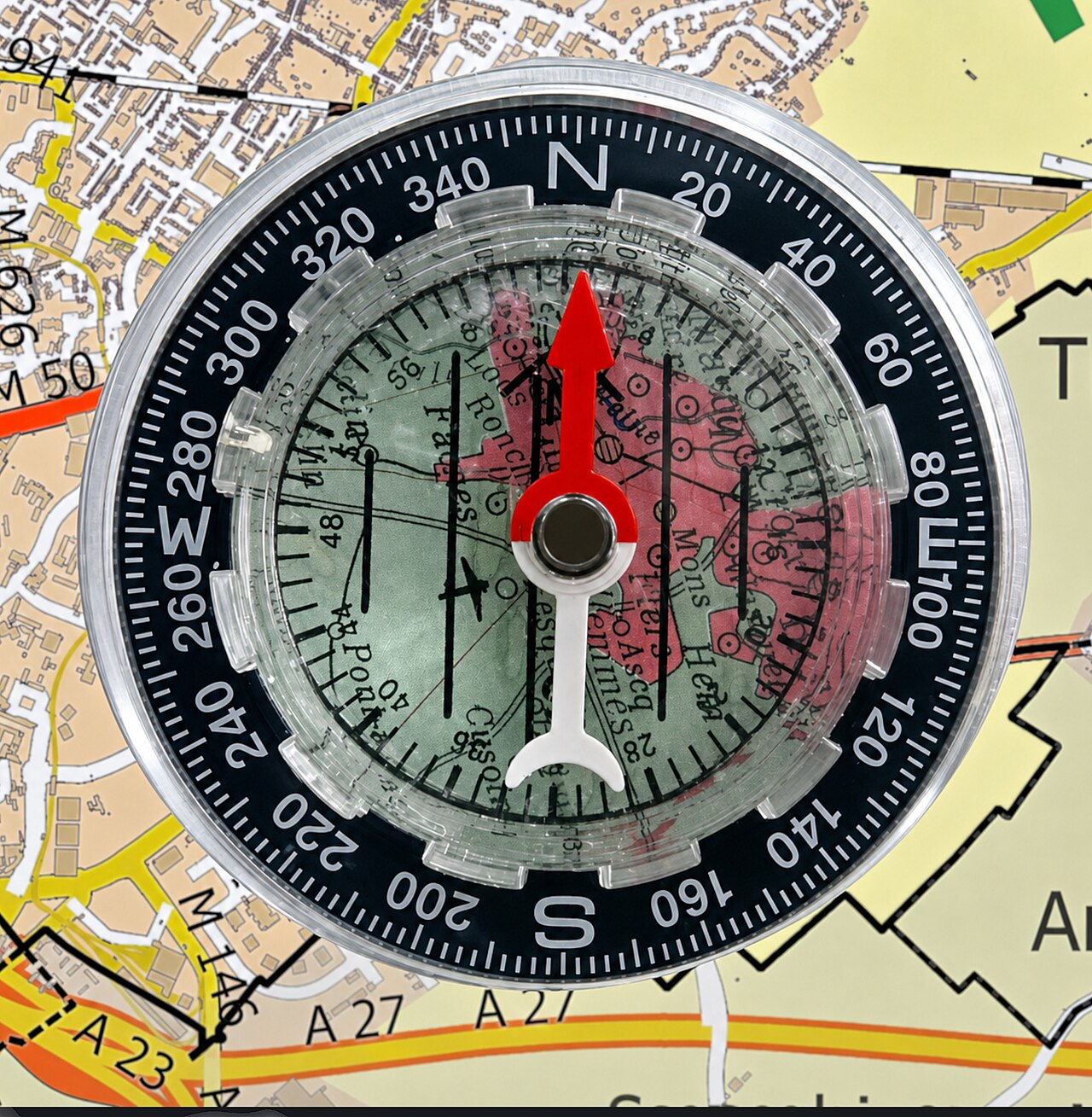
The ring has been turned so that N is at the red end.. Photo: Boussole d'orientation à plaquette transparente, Pierre André Leclercq, CC BY 4.0, modified: reduced in size 4. Directions on a real map
On a basic map, north is at the top. Look at the centre of Somero on the map.
Pajula is to the northeast of the centre and Hirsjärvi to the southeast. Kirkkojärvi is to the west of the centre.
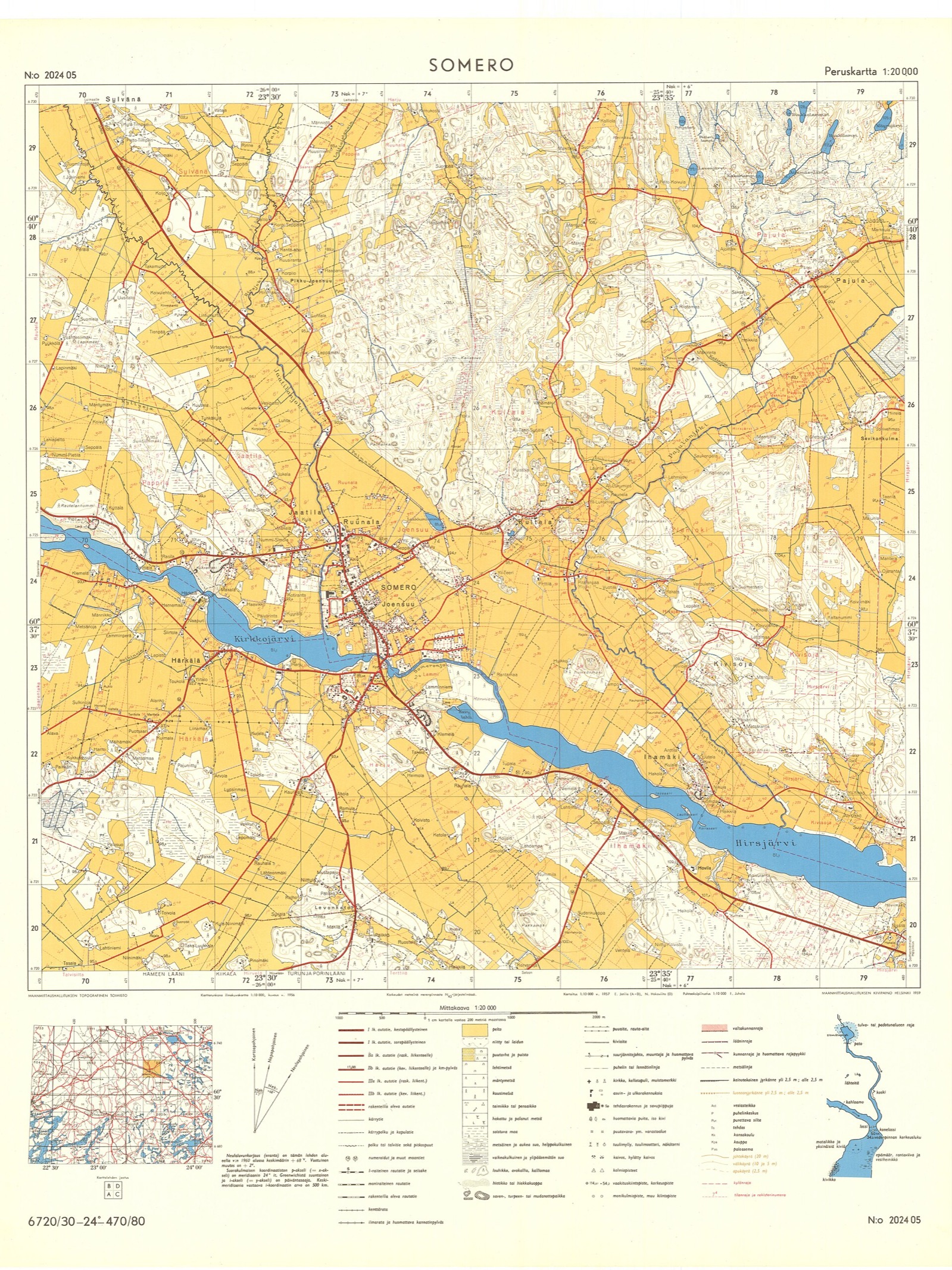
A basic map of Somero by the National Land Survey of Finland (1959). Photo: Peruskartta 202405 Somero 1959, Maanmittauslaitos, CC BY 4.0, modified: reduced in size 5. A route with cardinal directions
Eetu walks 3 blocks east from school. Then he walks 3 blocks north. He is at the swimming pool.
The swimming pool is to the northeast of the school.
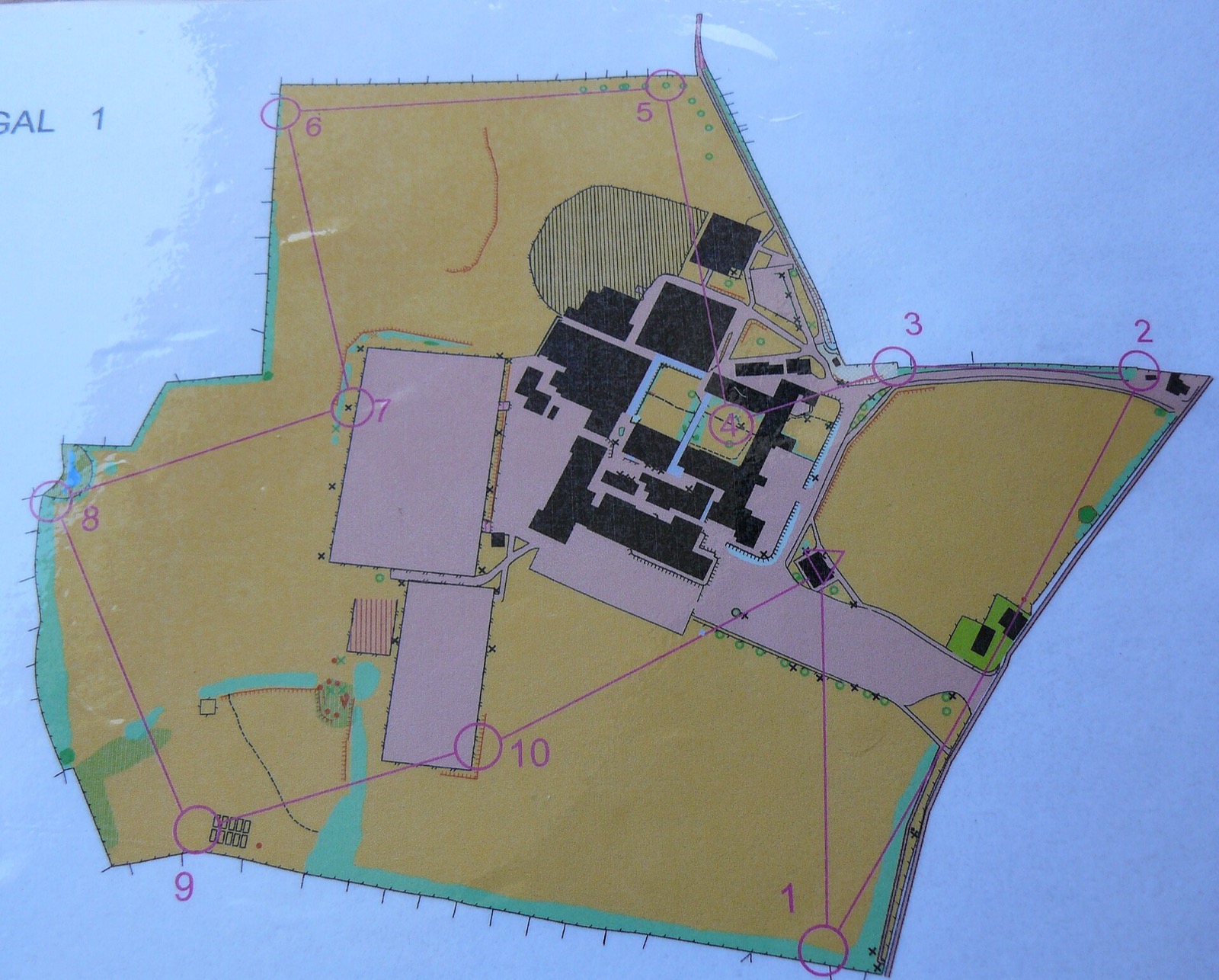
A school orienteering map: the start is a triangle and the controls are circles.. Photo: Orienteering map of Sandbach School, ARBAY, CC BY-SA 3.0, modified: reduced in size 6. Where is Finland?
Finland is in the northern part of Europe. Sweden is west of Finland and Russia is to the east. Estonia is to the south, across the Gulf of Finland. Norway is north of Finland.
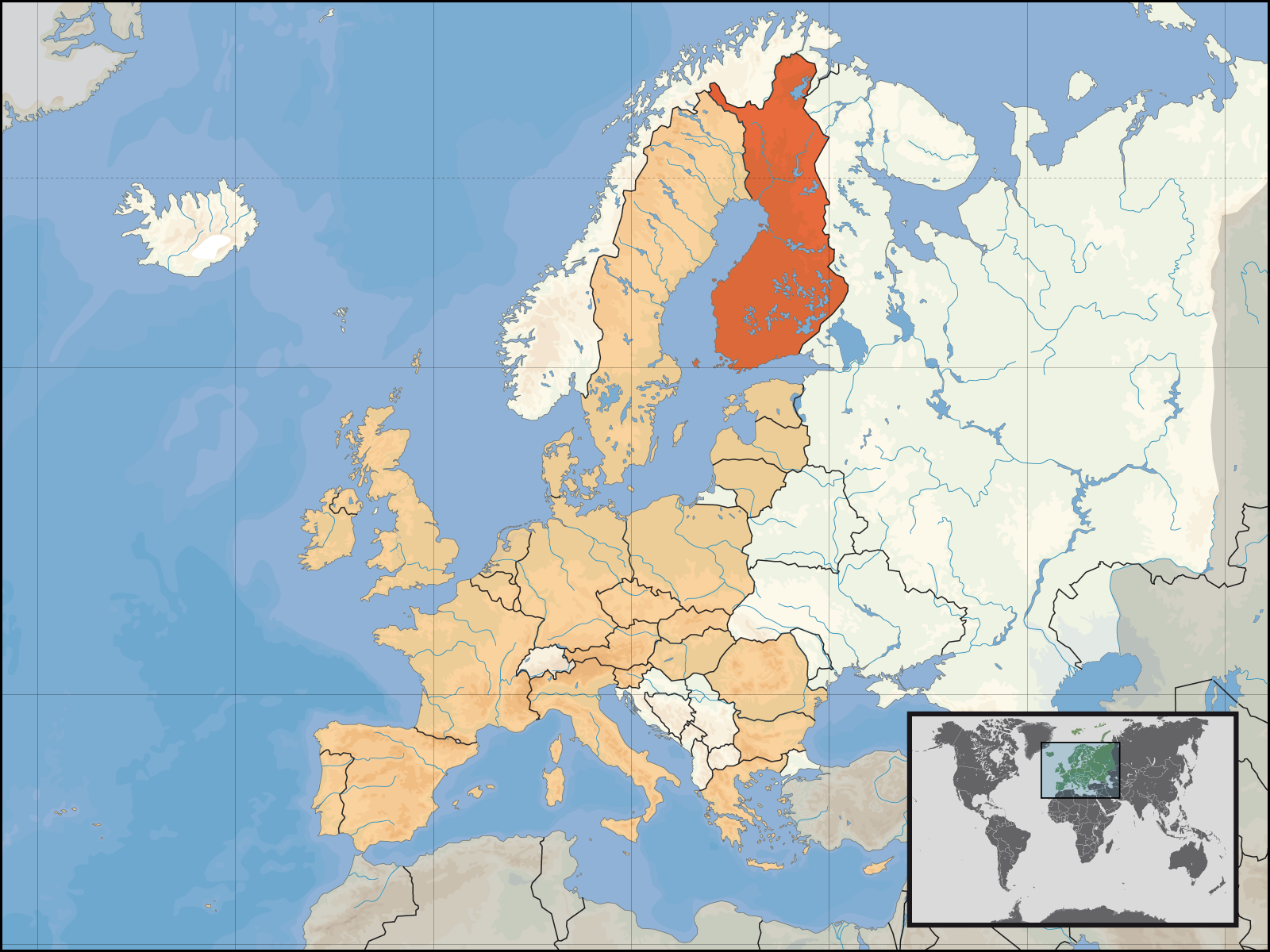
Finland (orange) on a map of Europe. Photo: EU location FIN, David Liuzzo, CC BY-SA 4.0, modified: reduced in size 7. Practise
Which direction is opposite southwest?
In which direction is your home from the school?
Describe the route from your classroom to the canteen using cardinal directions.
In which direction is Sweden from Finland?


Summary
The intermediate directions are northeast, southeast, southwest and northwest. They are halfway between the main directions. Northeast and southeast are on the east side, and southwest and northwest on the west side. The compass is held level, and the red needle points north. A route is described with cardinal directions. Sweden is west of Finland, Russia to the east and Estonia to the south. The Baltic Sea is south and west of Finland.
Frequently asked questions
What do the letters N, E, S and W on a compass mean?
They stand for north, east, south and west. The intermediate directions are written by combining letters. NE is northeast, SE southeast, SW southwest and NW northwest.
Does a compass point exactly to the north on the map?
Not quite. The needle points to magnetic north, which in Finland differs slightly from the north of the map. On short walks in the yard the difference hardly matters. On orienteering maps the north lines point to the north of the compass.
How can you practise the cardinal directions outdoors?
Make a small orienteering course in the yard. A control card says, for example: southeast 10 steps. Pupils check the direction with a compass and write down what they found at the control.