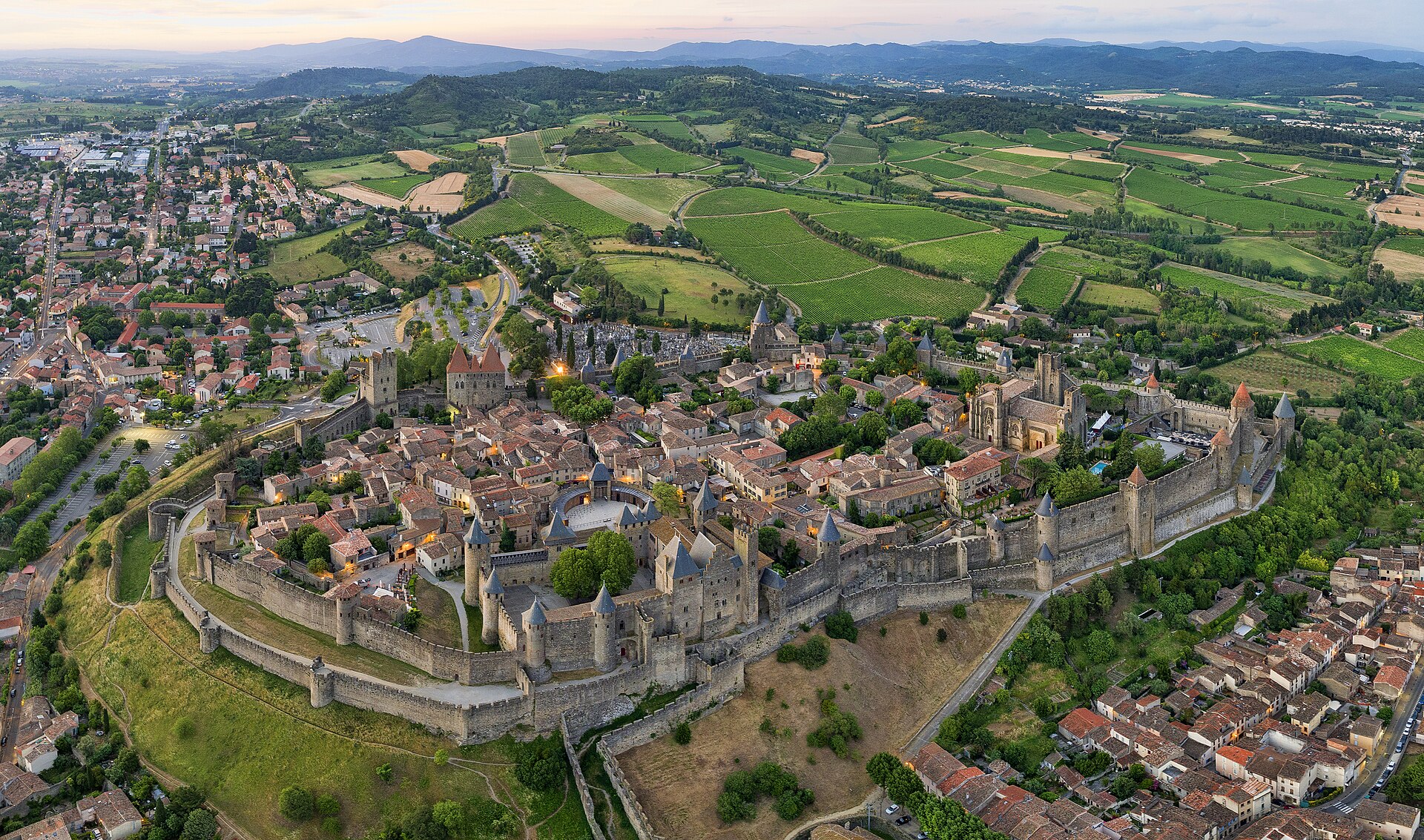

Castles and knights in the Middle Ages: life and training
Parts of a castle, life in a castle, from page to knight, armour and cannons. Teaching, slides and tasks for grades 4–6.
Castles and knights are among the best-known things about the Middle Ages. The article goes deeper than a general overview of the Middle Ages and suits history in grades 4–6. Every step can be shown to the class as a slide.
At the end, the pupil can tell why castles were built and what parts a castle had. The pupil knows who lived in a castle, how a boy became a knight and why cannons ended the age of castles.
Key concepts
- castle
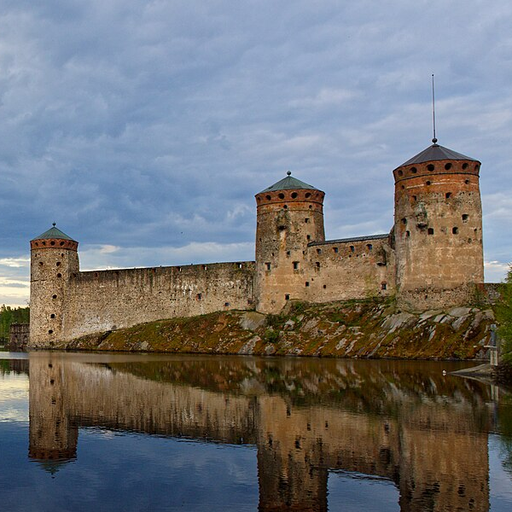 A big stone building with thick walls and towers. A castle protected the nobles and the people around it from enemies, and it was also a centre of government. Medieval castles in Finland include Turku Castle, Häme Castle and Olavinlinna.
- knight
 A soldier in armour who fought on horseback for a king or a lord. A man who was knighted was often given land in return for his service. A knight was expected to follow the code of chivalry, such as courage and loyalty.
- noble
 A noble was a person in the highest estate, whose status was usually inherited in the family. In Sweden and Finland, from the 1280s, nobles were freed from taxes in return for equipping horsemen for war. They also held high offices.
- peasant
 A person in the countryside who farmed the fields and kept animals. In the Middle Ages most people were peasants, and they paid taxes to the crown and tithes to the Church. In Finland peasants were free and not serfs.
- cannon
 A gunpowder weapon that fired heavy balls of stone or iron. Cannons became common in Europe in the 1300s. They made the high walls of castles weak, so castles began to be built in a new way.
- plate armour
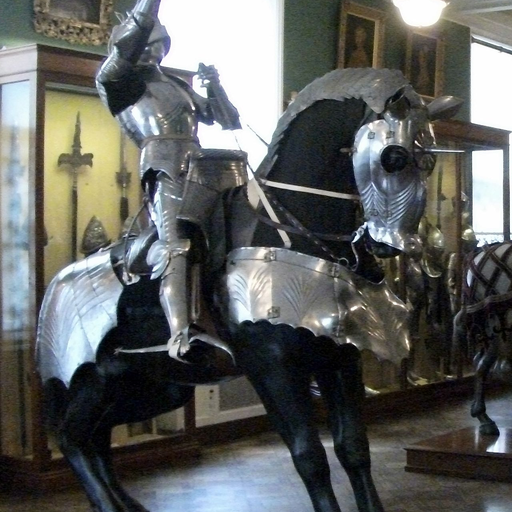 Armour made of steel plates that protected a knight from head to toe. Good armour weighed about 20 to 25 kilograms, and you could move in it surprisingly freely. Each suit was made to fit its owner.
- shield
 A wooden or metal board that a fighter used to protect himself from blows. A knight's shield was painted with his coat of arms, so he could be recognised even inside his armour. Coats of arms were passed down in families.
- sword
 A long, sharp metal blade with a handle and a crossguard. In the Middle Ages a sword was an expensive weapon that belonged mostly to knights and nobles. It was also a sign of power and honour.
Related exercises
There is no exercise for this topic yet
Teacher or creator: make the first exercise with Puro Editor and choose Middle Ages as its topic. It will appear here as soon as it is published.
1. What do you know about castles and knights?
Why were castles built?
What parts did a castle have?
How did a boy become a knight?
What ended the age of castles?2. Why were castles built?
A castle was a noble's home and a fortress. The people living there were safe, and the castle showed who ruled the area. At first castles were made of wood, then of stone. In the end the cannon changed warfare.
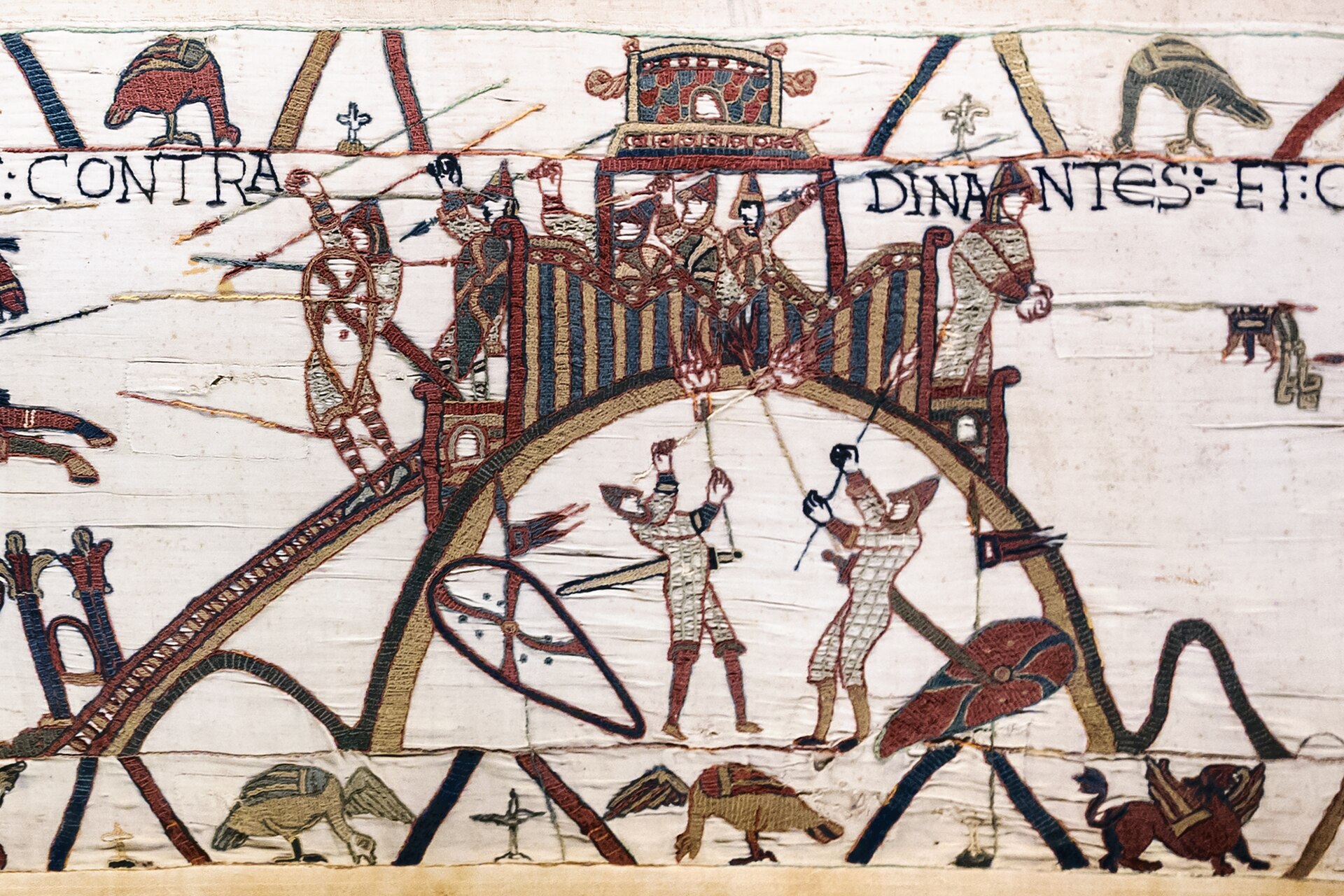
Norman soldiers attack the wooden castle of Dinan in the Bayeux Tapestry (made in the late 1000s). The castle stands on a high earth mound. The Latin text names the place of the scene.. Photo: Bayeux Tapestry scene19 detail Castle Dinan, Bayeux'n kuvakudos (unknown author); valokuva Myrabella, Public domain, modified: reduced in size 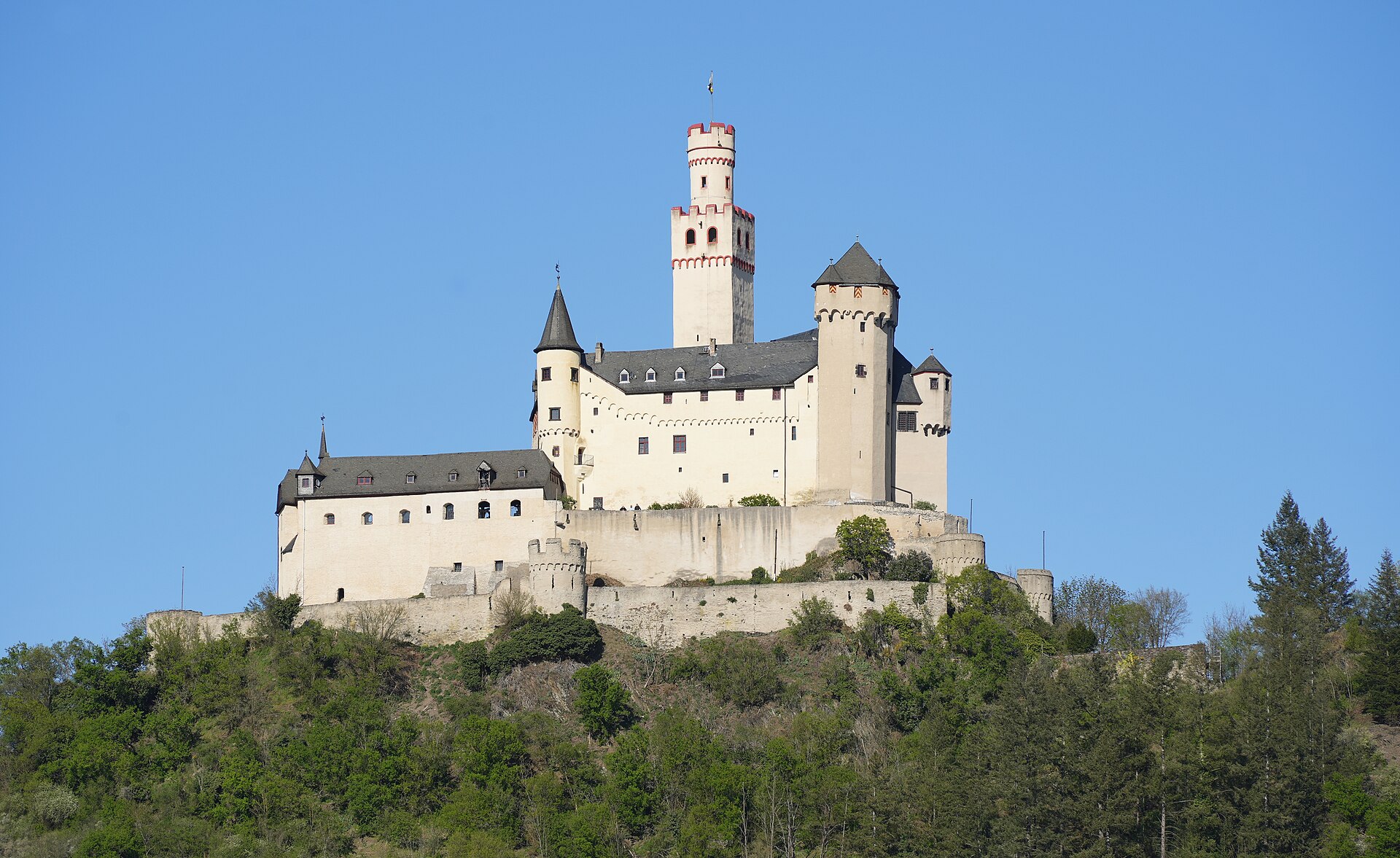
Marksburg in Braubach above the Rhine in Germany. From the hill you could see far, and the castle was hard to attack. The oldest parts are from the Middle Ages, and the castle has been repaired and extended later.. Photo: Marksburg - 1, Ingo Mehling, CC BY-SA 4.0, modified: reduced in size 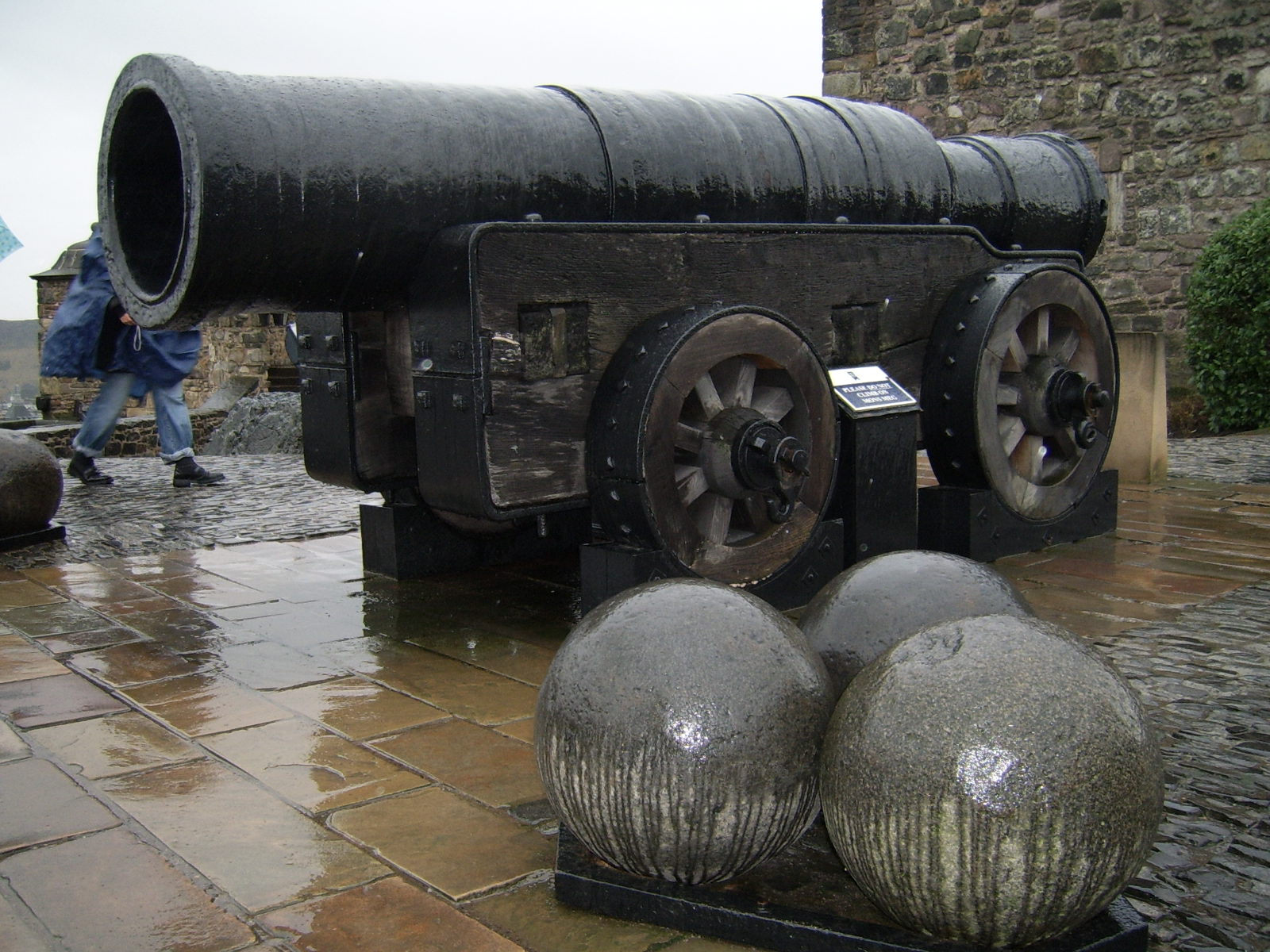
Mons Meg, a giant cannon from the 1400s at Edinburgh Castle. It was made in Mons in present-day Belgium. Cannons like this could break a castle wall.. Photo: MonsMeg, Yatton (englanninkielinen Wikipedia), Public domain, modified: reduced in size - 1000s Wooden castle on a fenced mound
- 1100s–1200s Stone castles and tall keeps appear
- 1200s–1300s Double walls, round towers become common
- 1400s Cannons begin to break stone walls
- 1500s Castles give way to low fortresses
3. The parts of a castle
A castle was built for defence. A water-filled moat stopped enemies from reaching the wall. The curtain wall was thick and high, and defenders shot at attackers from the towers. The gate was the weakest point, so it was protected especially well. A large castle also had a keep, the last place of refuge.
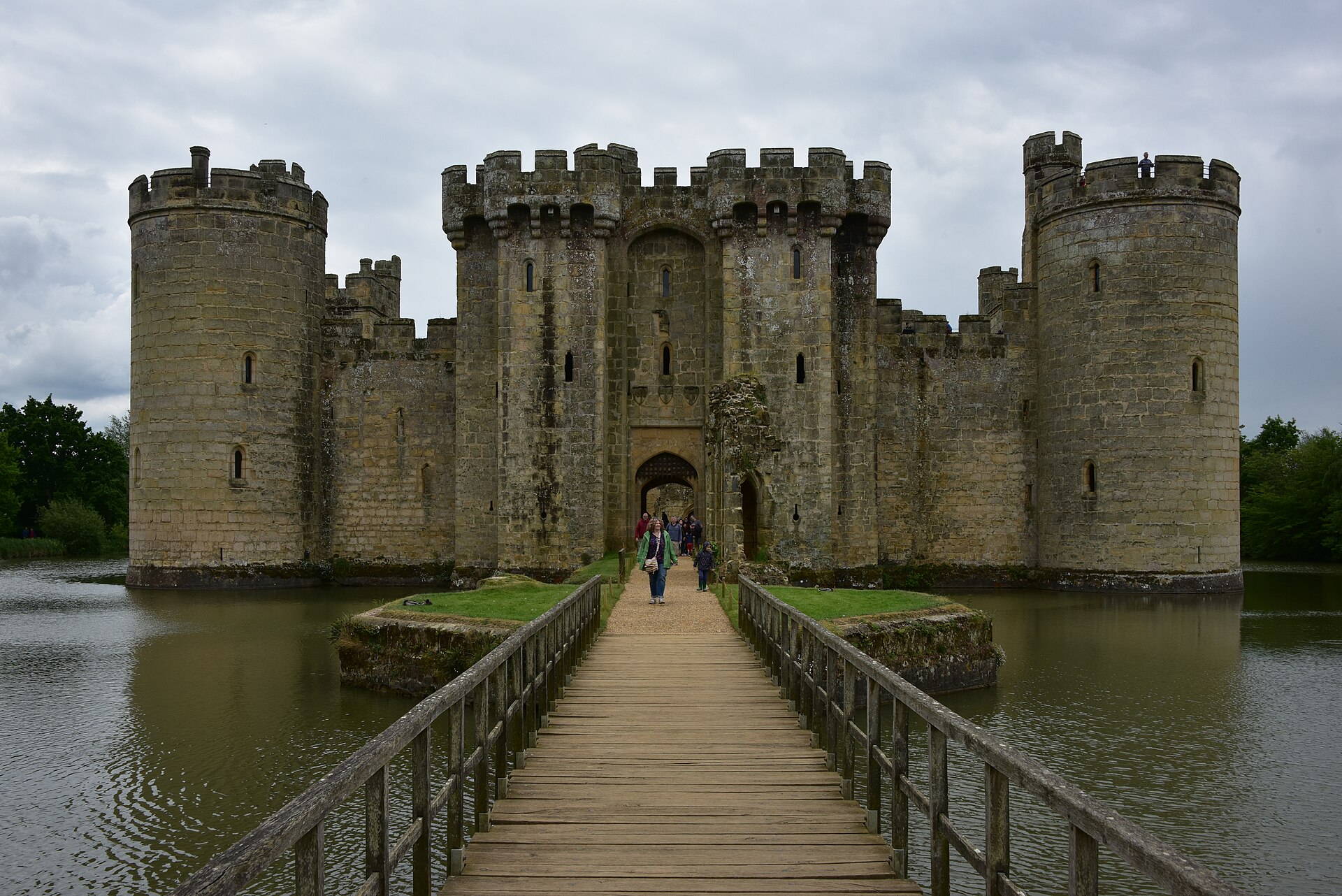
Bodiam Castle in southern England was built in the 1380s. Water surrounds the castle on all sides. The wooden bridge is later: in the Middle Ages the entrance was protected by a drawbridge and a portcullis.. Photo: Bodiam Castle from the north 2019-05-28, August Schwerdfeger, CC BY 4.0, modified: reduced in size 4. Who lived in a castle?
A noble lived in the castle with his family. There were also knights, servants, cooks and guards. People ate and held feasts in the hall. The peasants lived outside the castle, farmed the fields and paid taxes to the lord of the castle.
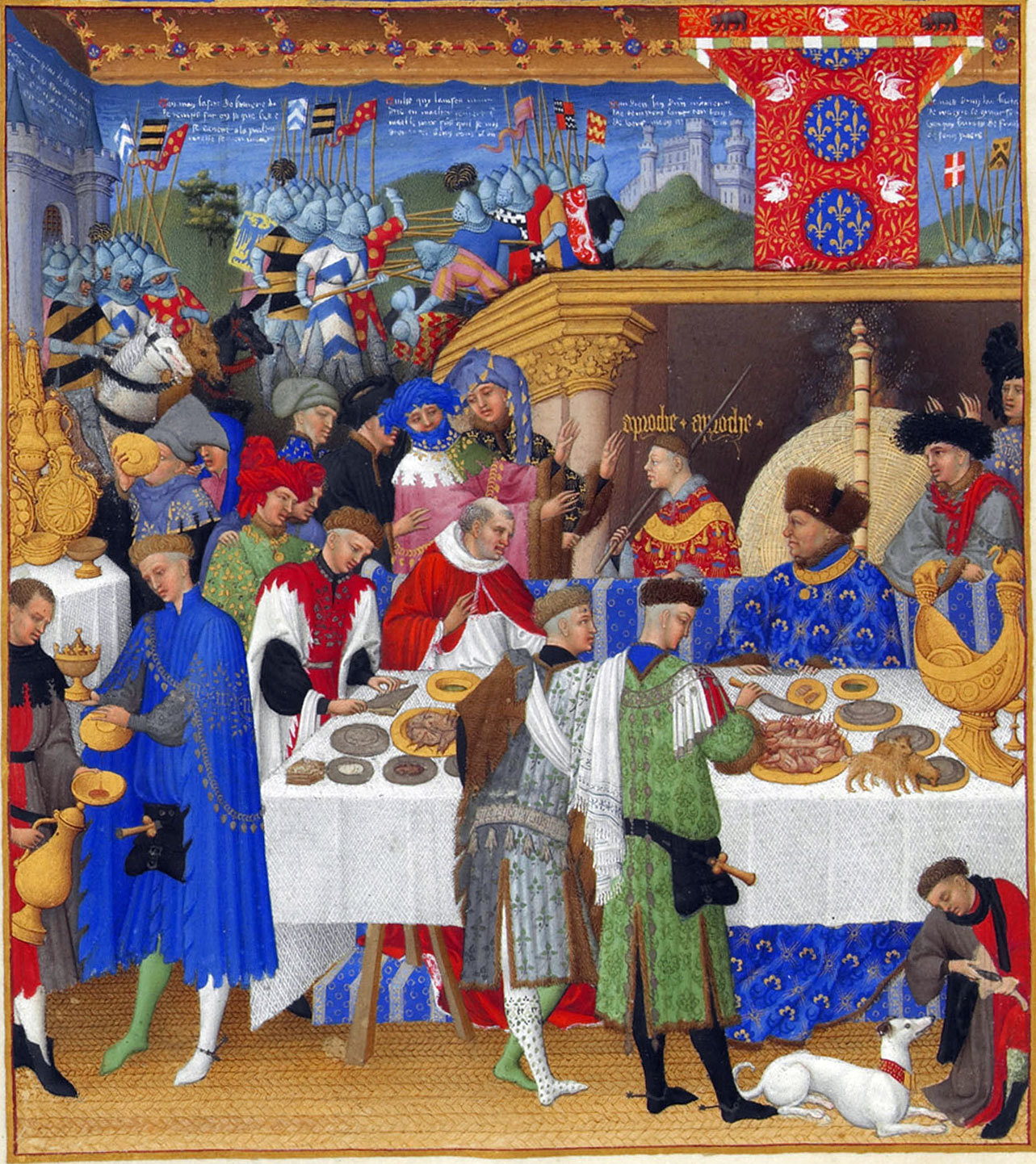
The Duke of Berry's feast in the book Très Riches Heures (about 1412–1416). The duke sits at the table on the right, in blue. Servants serve the food, and the dog waits for leftovers.. Photo: Les Très Riches Heures du duc de Berry - Janvier, Limbourgin veljekset, Public domain, modified: reduced in size 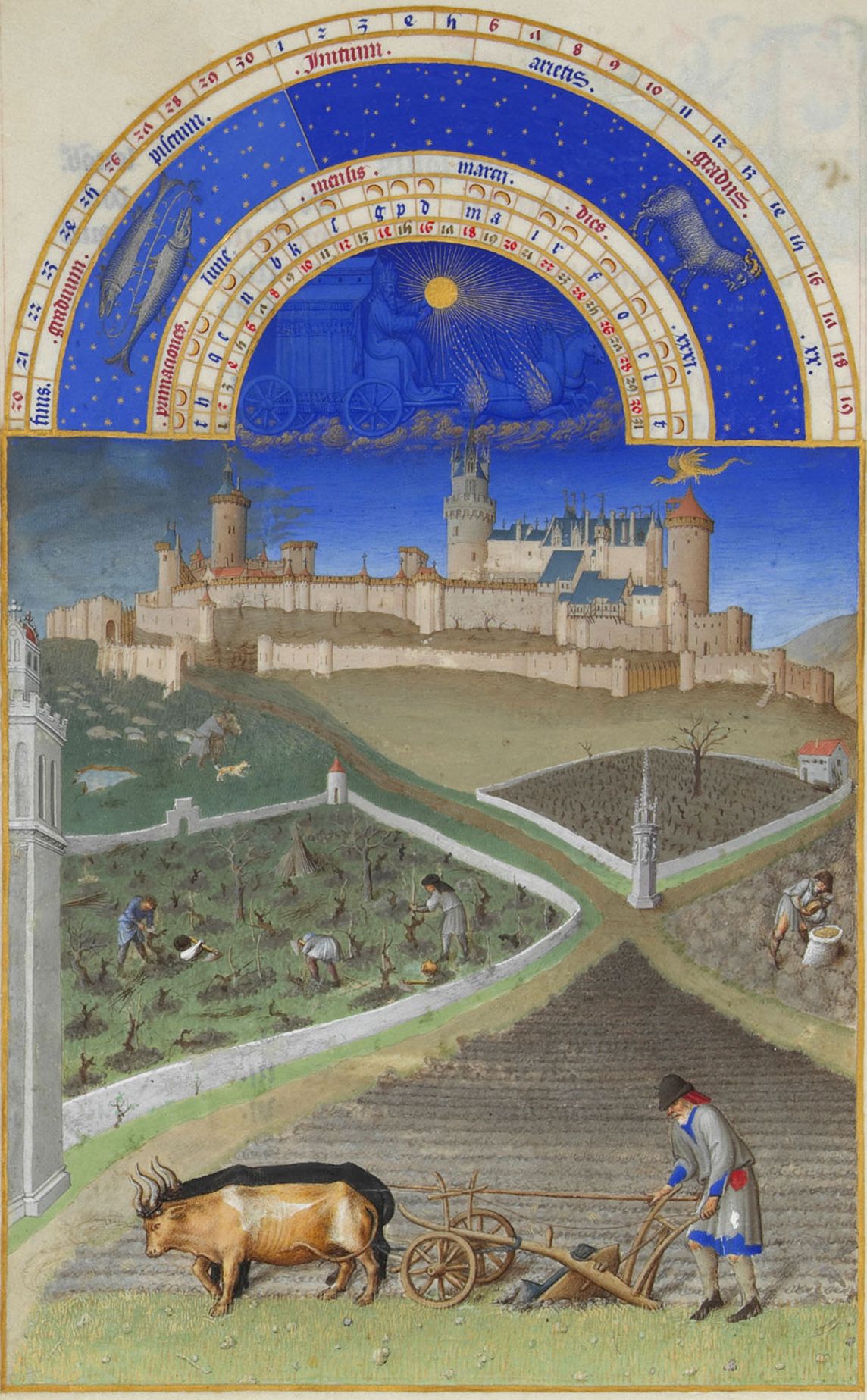
The picture for March from the Duke of Berry's book (about 1412–1416). Peasants plough and prune grapevines, and the castle can be seen in the background. Around the castle, work went on every day.. Photo: Les Très Riches Heures du duc de Berry mars, Limbourgin veljekset ja Barthélemy d'Eyck, Public domain, modified: reduced in size 5. From page to knight
A knight was usually the son of a noble family. At about seven years old he became a page, and at about 14 a squire. He learned to ride and to use a sword. At about 21 he was made a knight. The knight's ideal was to protect the weak, but some knights plundered villages in wars.
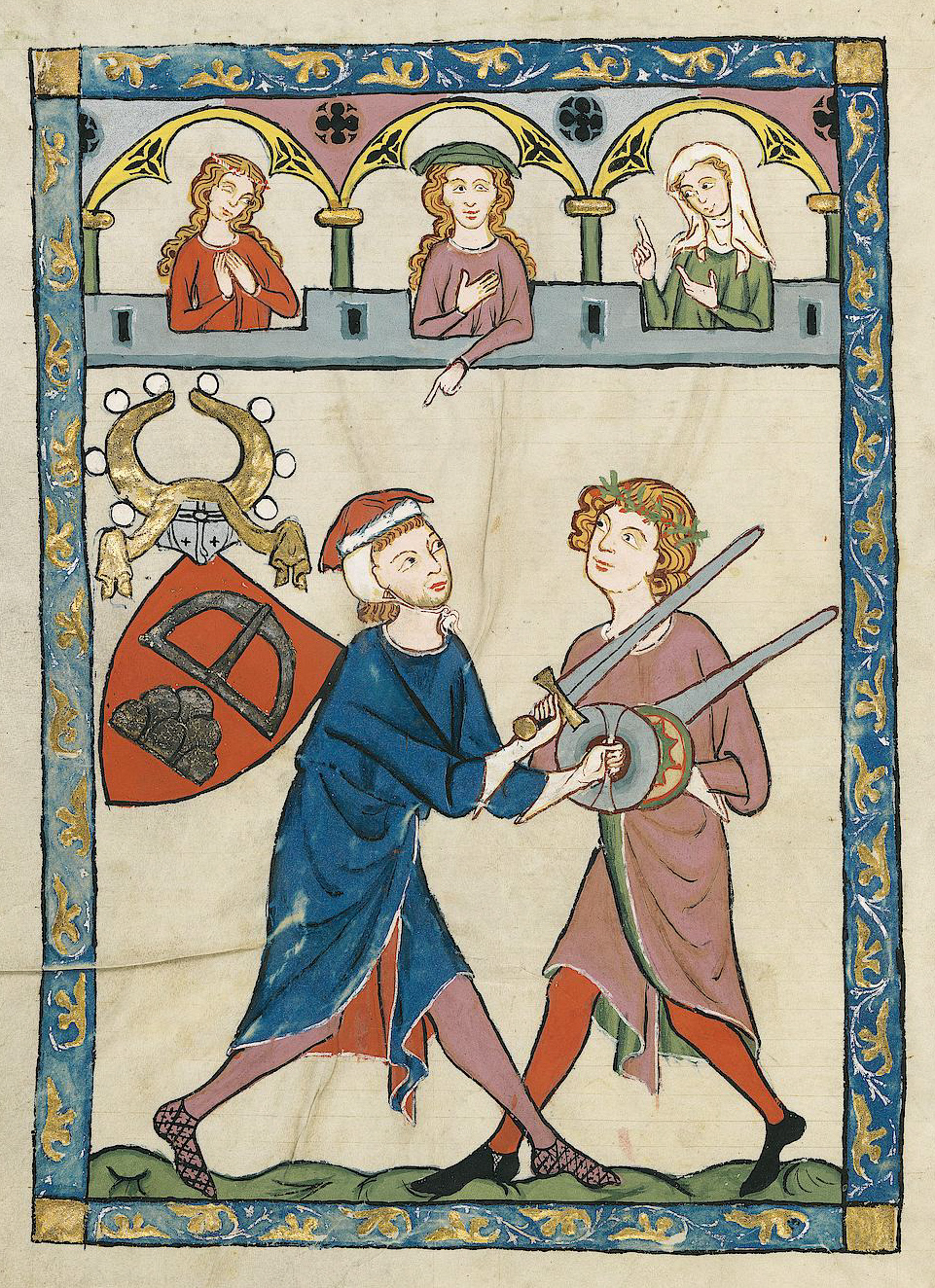
Two men with swords and small shields in the Codex Manesse (early 1300s). The women watch from above. Sword fighting was one of a knight's skills.. Photo: Codex Manesse Johann von Ringgenberg, Manessen käsikirjan mestari, Public domain, modified: reduced in size 6. Armour and weapons
At first a knight protected himself with mail and a helmet. In his hand he held a shield. Later plate armour became common, which covered the whole body. A full suit of armour usually weighed 20–30 kilograms. The knight's weapons were the sword and, when fighting on horseback, the lance.
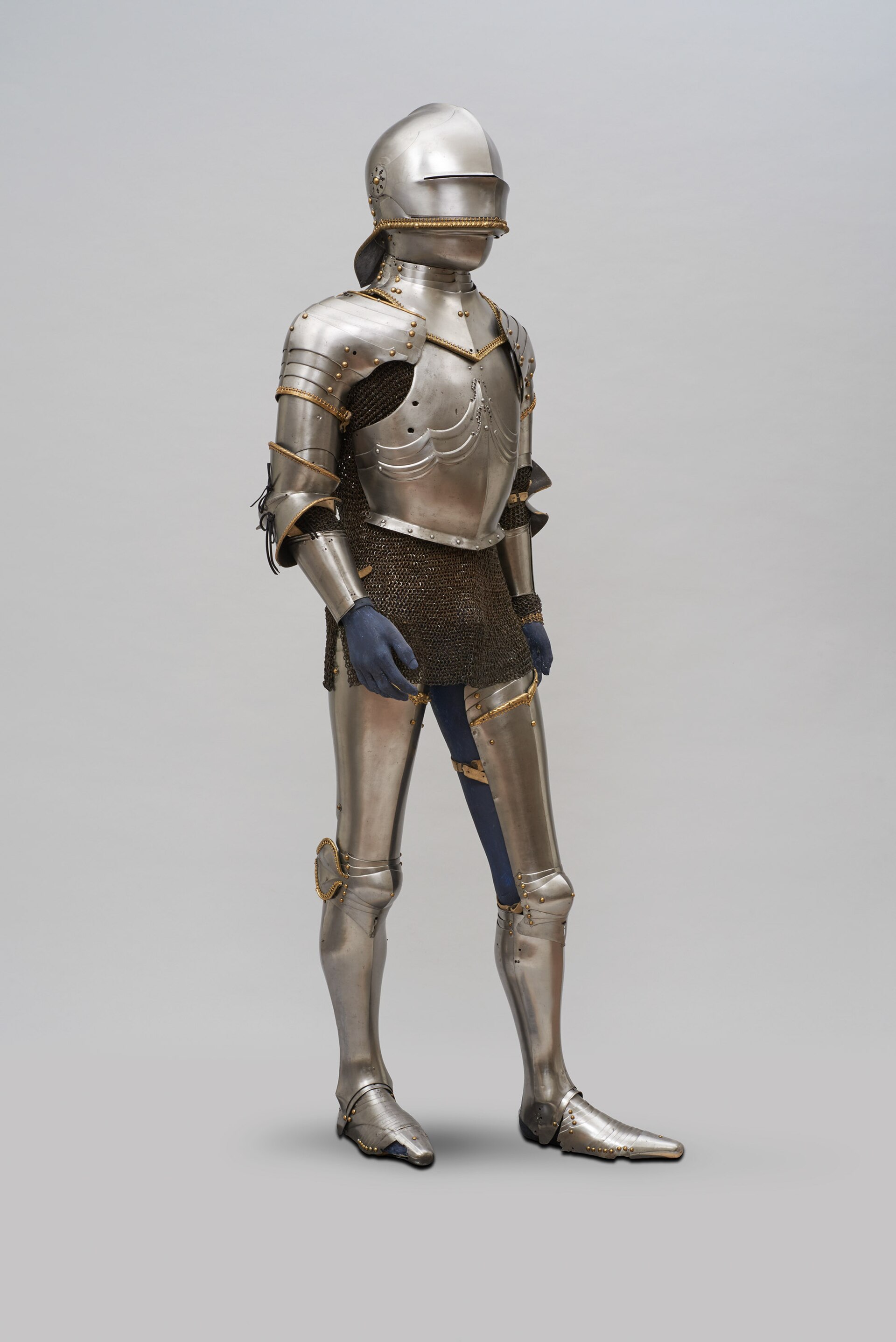
A late medieval suit of plate armour in the Kunsthistorisches Museum in Vienna. It was made by Lorenz Helmschmied of Augsburg in the late 1400s. The hands of the display mannequin are blue.. Photo: Gothic armour HJRK A 79 201804 09 ret, Kunsthistorisches Museum Wien (valokuva); Lorenz Helmschmied (haarniska), CC BY 4.0, modified: reduced in size 7. Think in pairs
Why was a castle often built on a hill or surrounded by water?
What work did people other than knights do in a castle?
What did a page and a squire learn before they became knights?
Why did cannons make castles less safe?


Summary
A castle was a noble's home and a fortress. At first castles were made of wood, then of stone. A castle had a moat, curtain wall, towers, gate and often a keep. A noble lived in the castle with his family and servants, and the peasants worked outside the castle. The son of a noble family was trained as a knight, first as a page and then as a squire. At first a knight wore mail, later plate armour. In the 1400s cannons began to break walls, and castles lost their military importance.
Frequently asked questions
Did only knights live in castles?
No. Nobles lived in a castle with their families, along with knights and their servants. Cooks, smiths and guards worked there. The peasants usually lived outside the castle in villages and farmed the fields.
What kind of armour did a knight have?
At first a knight had mail, a shirt of small rings. In the late Middle Ages, in the 1300s and 1400s, plate armour became common, which protected the whole body. A full suit of armour usually weighed 20–30 kilograms.
What happened to castles in the end?
A cannon could break stone walls, so tall castles no longer protected well. From the 1500s lower fortresses were built for war. Many castles fell into ruin, some were turned into residences, and many are now museums.