Comparing fractions: teaching, slides and exercises for grades 3–4
Which is greater, 3/8 or 5/8? Or 1/3 or 1/5? Compare fractions with fraction bars and a number line: slides and exercises for grades 3–4 (ages 9–10).
Comparing fractions means finding out which fraction is greater. Fraction bars and the number line help: the bars show the size of the parts, and on the number line the greater number is on the right.
This article is written for grades 3–4, and every step is ready to show to the class as a slide. By the end, students can compare fractions with the same denominator and fractions with the same numerator, and place a fraction on the number line.
Key concepts
- fraction
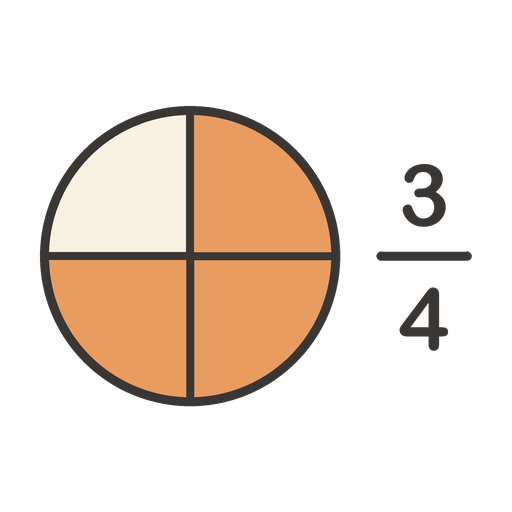 A number that shows part of a whole, like 3/4.
- numerator
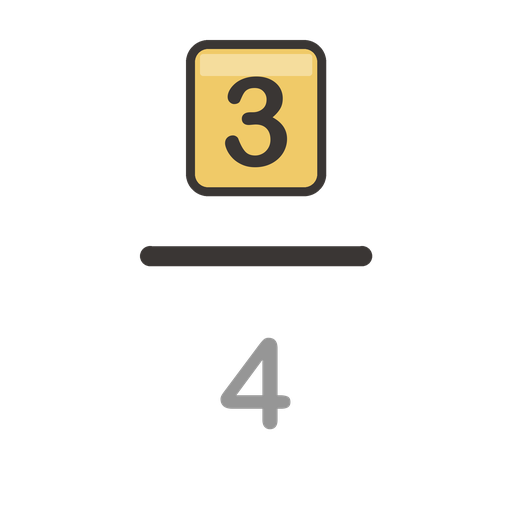 The top number of a fraction. It tells how many parts are taken.
- denominator
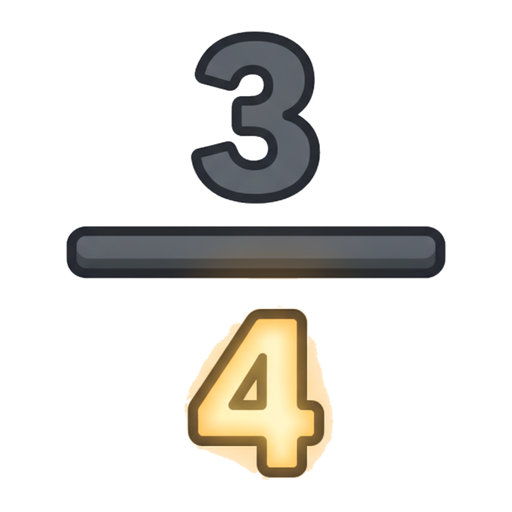 The bottom number of a fraction. It tells how many equal parts the whole is split into.
- equal parts
 Parts of exactly the same size. In fractions the whole is always split into equal parts.
- fractions with the same denominator
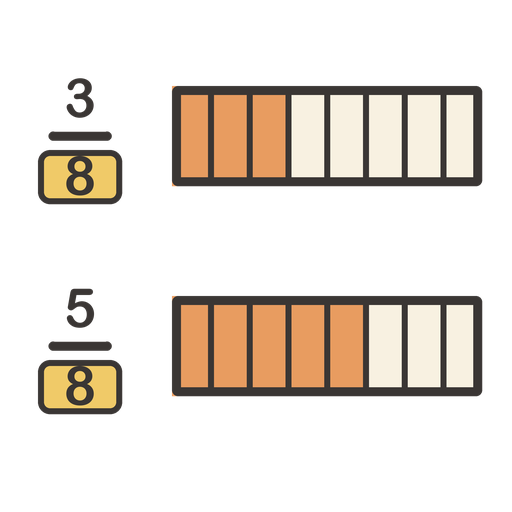 Fractions that have the same denominator, such as 3/8 and 5/8. The one with the bigger numerator is the bigger fraction.
- number line
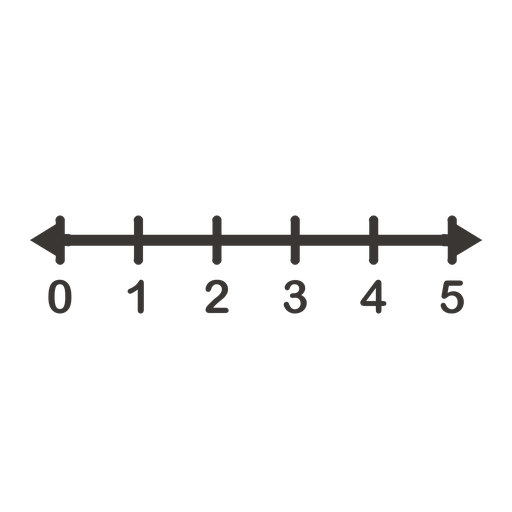 A straight line with numbers marked in order at equal spaces.
- greater than
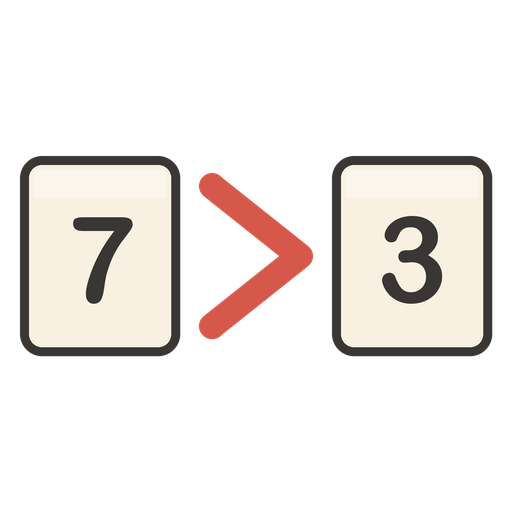 The sign > that shows the number on the left is bigger, like 7 > 3.
- less than
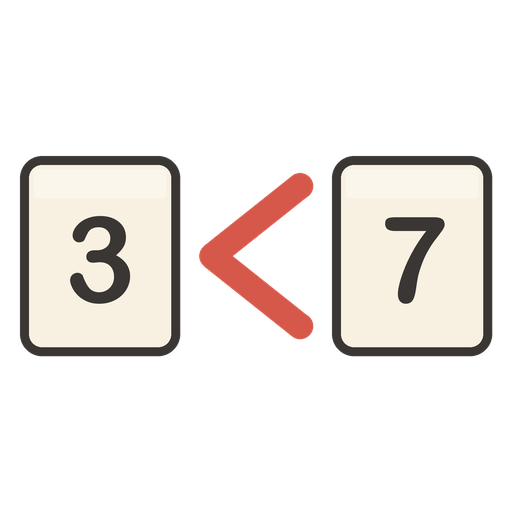 The sign < that shows the number on the left is smaller, like 3 < 7.
Related exercises
There is no exercise for this topic yet
Teacher or creator: make the first exercise with Puro Editor and choose Comparing Fractions on the Number Line as its topic. It will appear here as soon as it is published.
1. Which is greater: 1/3 or 1/5?
When a whole is divided into more equal parts, the parts are smaller. So 1/3 > 1/5.
2. Numerator, denominator and symbols
The denominator tells how many equal parts the whole is divided into. The numerator tells how many parts are taken.
When comparing, > means greater than and < means less than.
3. Same denominator: compare the numerators
Fractions with the same denominator have equal parts. More parts make the greater number: 5/8 > 3/8. Five parts are 2 parts more than three: 5 − 3 = 2.
4. Compare on the number line
Draw a number line from zero to one.
Divide it into 6 equal parts.
Count 2 parts to the right from zero: 2/6.
Count 5 parts to the right from zero: 5/6.
The one on the right is greater: 2/6 < 5/6.5. Same numerator: compare the denominators
When the numerators are the same, there are the same number of parts. Then look at the denominator: a smaller denominator means bigger parts. So 3/4 > 3/8.
3/4 3/8 6. Common mistake: a bigger denominator
Many students think 1/8 is greater than 1/4 because 8 is greater than 4. But an eighth is a smaller piece, because the whole is divided into more parts.
7. Talk about it as a class
1. Which is greater, 2/5 or 4/5? How do you know?
2. Which is greater, 1/6 or 1/10? Draw the bars.
3. Where on the number line does 4/4 go?
Summary
The more parts a whole is divided into, the smaller the parts. With fractions with the same denominator, a greater numerator means a greater number. When the numerators are the same, a smaller denominator means a greater number. On the number line the greater number is always on the right.
Frequently asked questions
Which is greater, 3/8 or 5/8?
5/8 is greater. The denominator is the same, so the parts are equal and we compare the numerators: 5 parts are more than 3 parts.
Why is 1/3 greater than 1/5, even though 3 is less than 5?
The denominator tells how many parts the whole is divided into. When the whole is divided into 5 parts, each part is smaller than when it is divided into 3 parts.
How do you place a fraction on the number line?
Divide the number line from zero to one into as many equal parts as the denominator shows. Then count as many parts as the numerator to the right from zero.