Decimal numbers: teaching, slides and exercises for grades 3–4 (ages 9–10)
What is a decimal number? Tenths, hundredths and the decimal point on the number line and in everyday life: slides and exercises for grades 3–4.
A decimal number is a number with wholes and, after the decimal point, parts of a whole, for example 3.4. Decimal numbers continue the decimal system: after the point come the tenths and the hundredths. They turn up in money, lengths and sports results.
The article is made for grades 3–4, and each step is ready to be shown to the class as a slide. At the end, students can read and write decimal numbers, place them on a number line and compare them.
Key concepts
- decimal number
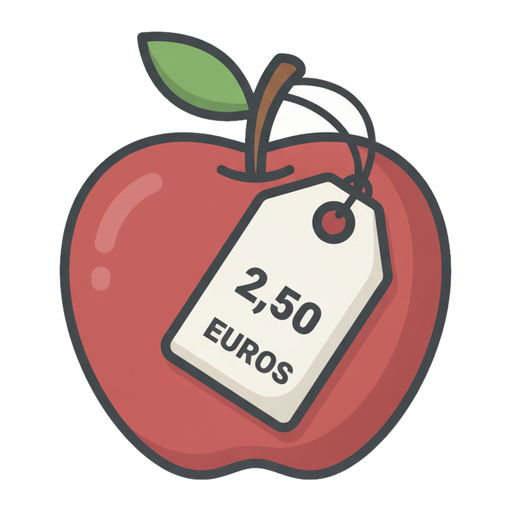 A number with a decimal point followed by parts smaller than one, like 2.5.
- decimal point
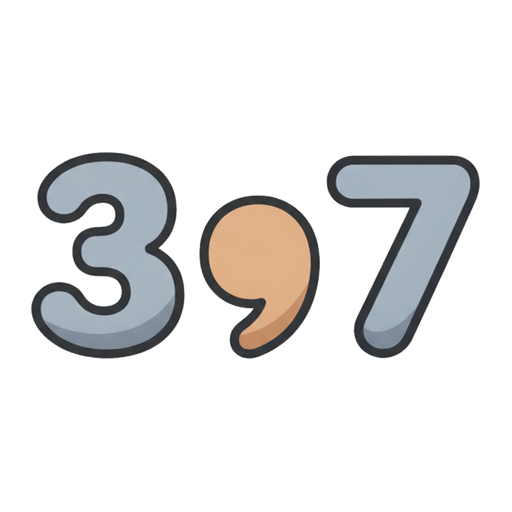 The mark that separates whole numbers from decimals. In Finland it is a comma.
- tenth
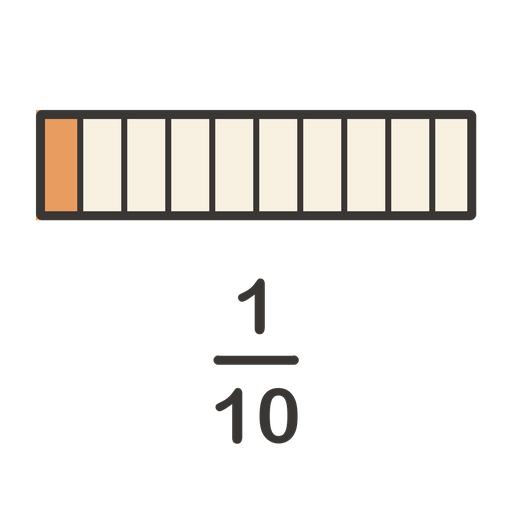 One of ten equal parts, 1/10 or 0.1.
- hundredth
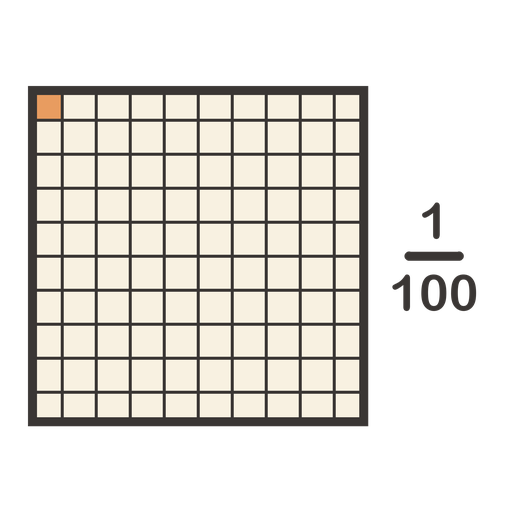 One of a hundred equal parts, 1/100 or 0.01.
- place value
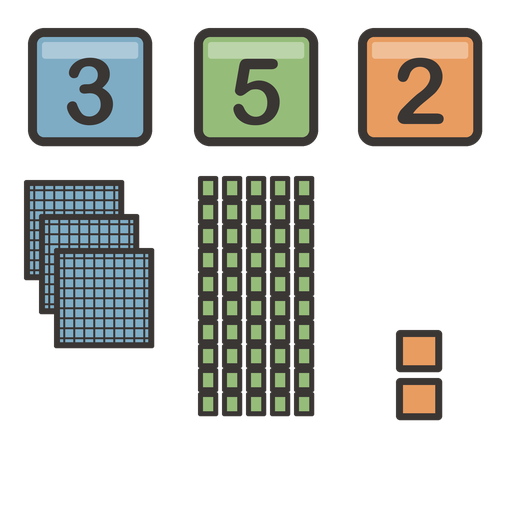 A digit's value depends on its place. In 352 the 3 means three hundred.
- decimal system
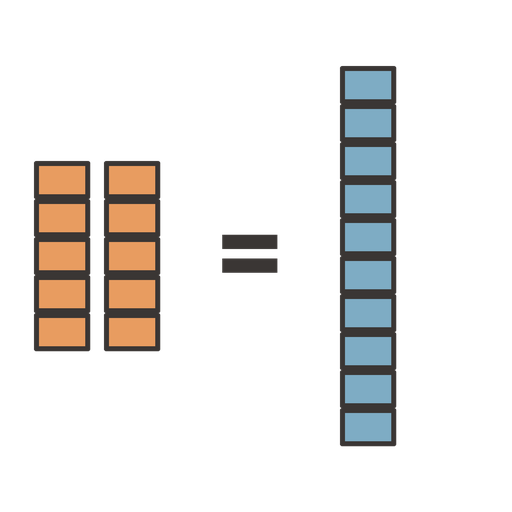 A number system in which ten of one unit make one of the next bigger unit, for example ten ones make one ten. It uses the ten digits 0 to 9.
- number line
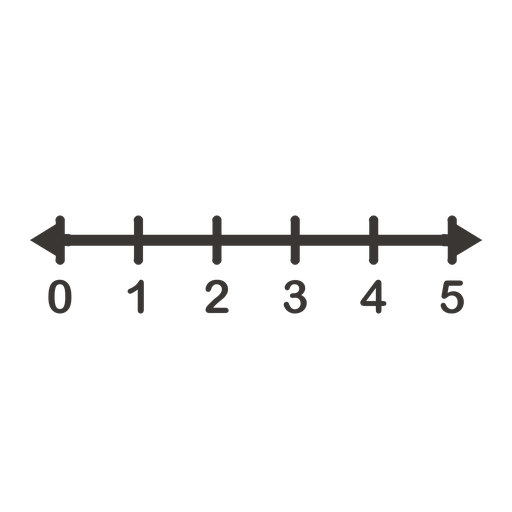 A straight line with numbers marked in order at equal spaces.
- greater than
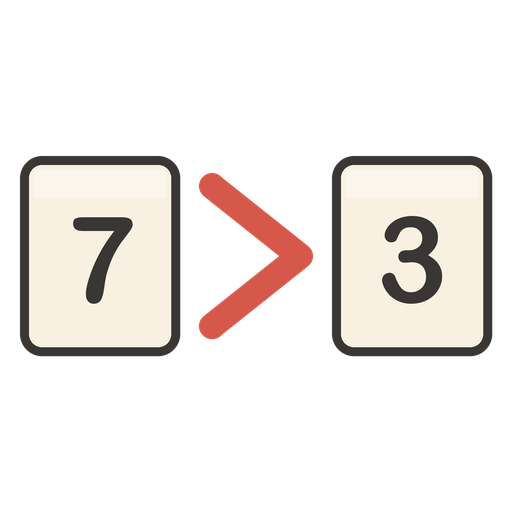 The sign > that shows the number on the left is bigger, like 7 > 3.
Related exercises
There is no exercise for this topic yet
Teacher or creator: make the first exercise with Puro Editor and choose Decimals as its topic. It will appear here as soon as it is published.
1. A number between wholes
At the school sports day, Vilja jumps 3.4 metres in the long jump. That is more than 3 but less than 4. A number like this is called a decimal number.
2. The decimal number and the decimal point
A decimal number has wholes and parts of a whole. The decimal point separates them. The number 3.4 has 3 wholes and 4 tenths. It is read “three point four”.
3. A tenth is 0.1
A running trail is 1 kilometre long and divided into 10 equal parts.
One part is a tenth, or 1/10 of a kilometre.
As a decimal number, one part is 0.1 km and three parts are 0.3 km.
Ten tenths make one whole.4. Euros and cents: the places after the point
A bun costs 2.35 euros: 2 wholes, 3 tenths and 5 hundredths. After the point, the first place is the tenths and the second the hundredths. A cent is a hundredth of a euro: 30 + 5 = 35 cents.
5. Decimal numbers on the number line
Divide the number line from zero to one into 10 equal parts: each part is 0.1.
Count from zero to the right: 2 parts is 0.2 and 5 parts is 0.5.
A hedgehog weighs 0.7 kg: count 7 parts from zero.
The greater number is on the right: 0.2 < 0.5 < 0.7.6. A longer number is not greater
In the contest, Vilja jumped 3.5 m and Leo 3.45 m. Write 3.5 as 3.50: 50 hundredths is more than 45 hundredths. So 3.5 > 3.45.
Vilja 3.5 m Leo 3.45 m 7. Discuss in class
1. What do the digits 3 and 5 mean in the number 2.35?
2. On a forest trip, one hedgehog weighed 0.6 kg and another 0.55 kg. Which one weighed more? Write an extra zero to help.
3. Where on the number line does 0.7 belong? How many tenths is it?
Summary
In a decimal number, the decimal point separates the wholes and the parts. After the point, the first digit shows the tenths and the second the hundredths: 0.1 is 1/10 and 0.01 is 1/100. On the number line the greater number is on the right. Numbers are compared one place at a time from the left, and a longer number is not always greater.
Frequently asked questions
How is a decimal number read?
The number 3.4 is read “three point four”. It also tells you that the number has 3 wholes and 4 tenths. The number 2.35 has 2 wholes, 3 tenths and 5 hundredths.
Is 0.5 the same as 0.50?
Yes. Five tenths is the same amount as 50 hundredths. A zero at the end does not change the value of the number, but a zero after the point before a digit does: 0.05 is much smaller than 0.5.
Is a decimal point or a decimal comma used?
In English-speaking countries a decimal point is used (3.4), and in many European countries a comma instead. The value is the same. In English, write a point, and remember that a calculator or a book from another country may use a comma.