Decimal numbers: thousandths, comparing and calculating, grades 5–6
Thousandths, comparing decimal numbers, adding, subtracting, multiplying, dividing and fractions. Slides and exercises for grades 5–6.
A decimal number is a number with wholes and, after the decimal point, parts of a whole. In grades five and six there are three places after the point: tenths, hundredths and thousandths. Decimal numbers turn up in sports results, distances, weights and prices.
The article is written for grades 5–6, and every step is ready to show to the class as a slide. Pupils read thousandths, compare decimal numbers, calculate with them and write a decimal number as a fraction.
Key concepts
- decimal number
 A number with a decimal point followed by parts smaller than one, like 2.5.
- decimal point
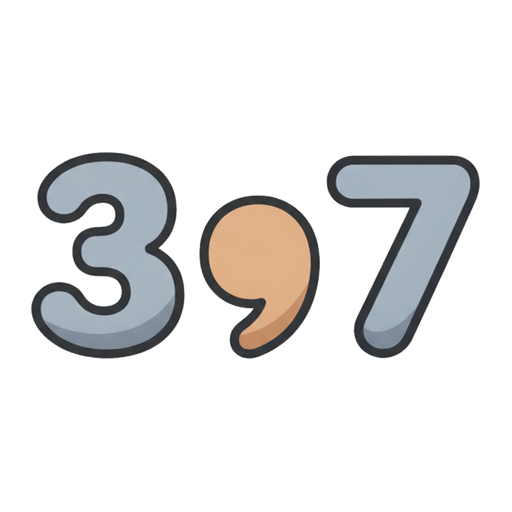 The mark that separates whole numbers from decimals. In Finland it is a comma.
- tenth
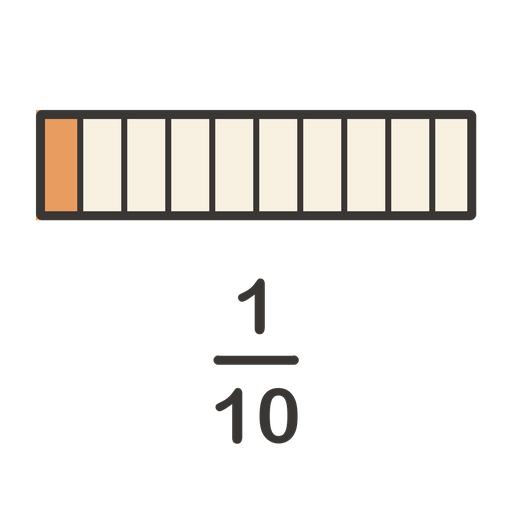 One of ten equal parts, 1/10 or 0.1.
- hundredth
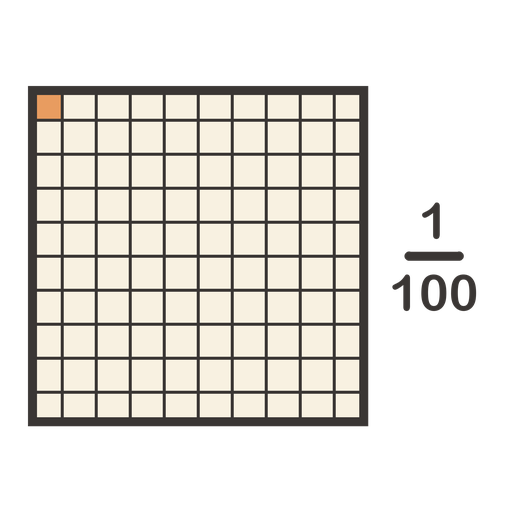 One of a hundred equal parts, 1/100 or 0.01.
- fraction
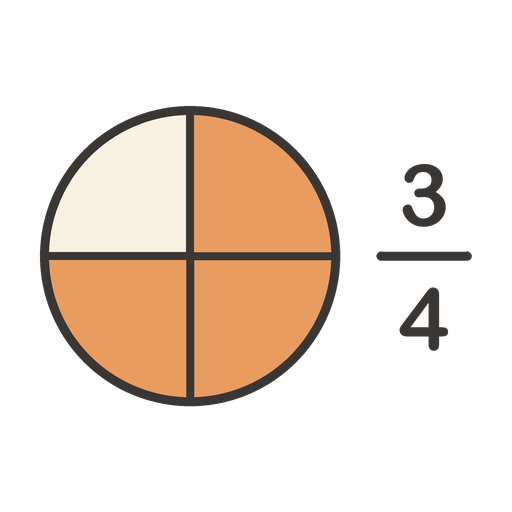 A number that shows part of a whole, like 3/4.
- number line
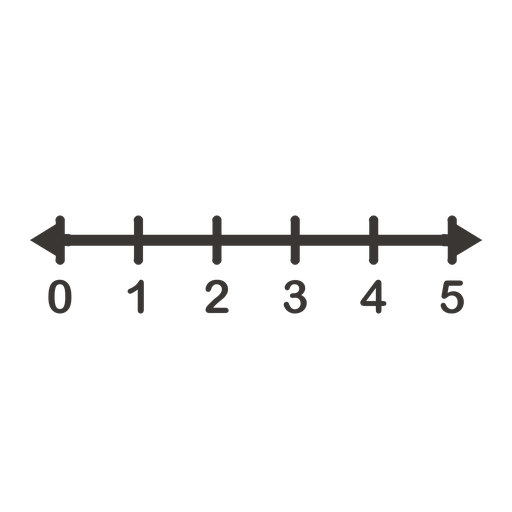 A straight line with numbers marked in order at equal spaces.
- rounding
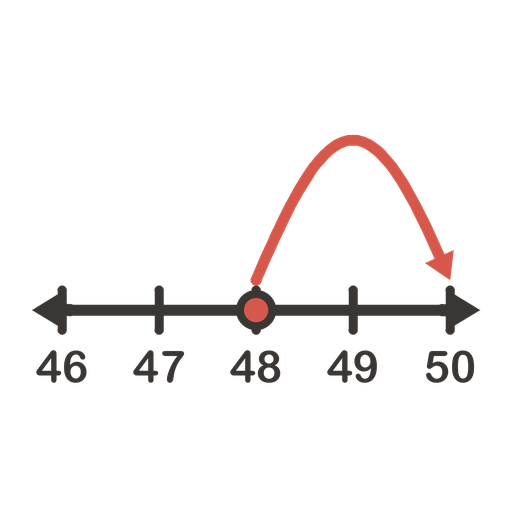 Changing a number to the nearest round number. For example 48 is about 50.
- greater than
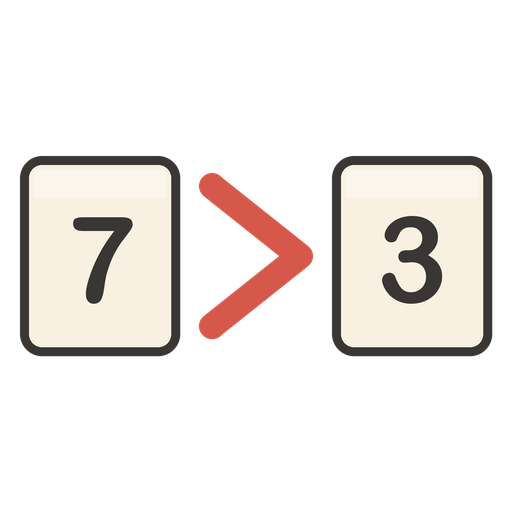 The sign > that shows the number on the left is bigger, like 7 > 3.
1. The forest path is 2.375 kilometres long
The forest path is 2.375 km, or 2 km 375 m. After the decimal point there are three places: tenths (3), hundredths (7) and thousandths (5). One metre is a thousandth of a kilometre.
2. A decimal number is a fraction
Every decimal number can be written as a fraction. The number 0.25 is 25/100, or 1/4 in lowest terms. The number 0.375 is 375/1000, and in lowest terms it is 3/8 (divide by 125).
3. A longer number is not greater
In the long jump, A jumped 6.5 m and B 6.42 m. Who jumped farther? Write 6.5 as 6.50: 50 hundredths is more than 42 hundredths. So 6.5 > 6.42.
A: 6.5 m B: 6.42 m 4. Addition: line up the decimal points
Two walks: 2.35 km and 1.4 km. How far is it altogether?
Write the decimal points under each other and fill the empty place with a zero: 2.35 + 1.40
Calculate as with whole numbers: 235 + 140 = 375
Put the decimal point in the same place: 3.75 km5. Multiply and divide by ten, a hundred and a thousand
When a decimal number is multiplied by ten, the decimal point moves one place to the right. By a hundred it moves two places, and by a thousand three places.
0.3 · 10 is 3
0.3 · 100 is 30
2.375 · 1000 is 23756. Multiply and divide by a whole number
The running track is 0.4 km, so three laps are 3 · 0.4 km.
0.4 is 4 tenths: 4 · 3 = 12 tenths, or 1.2 km.
Division works the same way: 3.6 is 36 tenths, and 36 : 3 = 12, so 3.6 km : 3 is 1.2 km.7. Solve in pairs
1) Which is greater, 0.38 or 0.4? Explain.
2) Put in order from smallest to greatest: 0.38; 0.308; 0.4; 0.083.
3) Work out 12.5 + 3.75 and 2.5 · 4.
4) Write 0.125 as a fraction and simplify it.
5) A friend worked out 2.4 + 0.35 and got 2.39. What did they do wrong?
Summary
After the decimal point come the tenths, hundredths and thousandths. A zero at the end does not change the number, and a longer number is not always greater. A decimal number can be written as a fraction: 0.375 is 375/1000, or 3/8. In addition and subtraction the decimal points are written under each other. When multiplying by ten, a hundred or a thousand the decimal point moves to the right, and when dividing it moves to the left. With a whole number you first multiply and divide as with whole numbers, and then put the decimal point in place.
Frequently asked questions
Is 0.5 the same number as 0.50?
Yes. Five tenths is the same amount as 50 hundredths or 500 thousandths, so 0.5, 0.50 and 0.500 are the same number. A zero before a digit changes the number: 0.05 is much smaller than 0.5.
How do you round a decimal number?
Rounding works as it does with whole numbers. Look at the digit just to the right of the place you are rounding to: 0–4 rounds down and 5–9 rounds up. The number 2.375 rounded to tenths is 2.4, and rounded to hundredths it is 2.38.
Why must the decimal points be under each other?
Only the same places can be added: tenths with tenths and hundredths with hundredths. If 2.4 is written so that the 4 is in the hundredths place, it becomes 2.04. Then the sum 2.4 + 0.35 comes out as 2.39 instead of 2.75.
Related content
Try exercises
Have you taught this topic? Create an exercise on it for your class.