English basic vocabulary for young learners: greetings, colours, numbers
The first English words for learners aged 7–8: greetings, colours, numbers 1–10, classroom objects, family and animals. Slides, picture cards and games.
The first English words are learned by ear and by mouth. Here the words are explained with pictures, actions and simple English, not with translations. That way the children link each word straight to the thing.
The article is made for teachers of English as a foreign language and for children aged 7–8. Every step is ready to show to the class as a slide. It covers greetings, colours, numbers 1–10, classroom objects, family and animals. There are also words from sport and nature, such as ball and tree.
Key concepts
- hi
- You say hi when you meet someone.
- thank you
- You say thank you when you got something or someone helped you.
- red
 A colour like a strawberry or a fire engine.
- blue
 A colour like a clear sky or the sea.
- pencil
 A wooden tool for writing and drawing on paper.
- mother
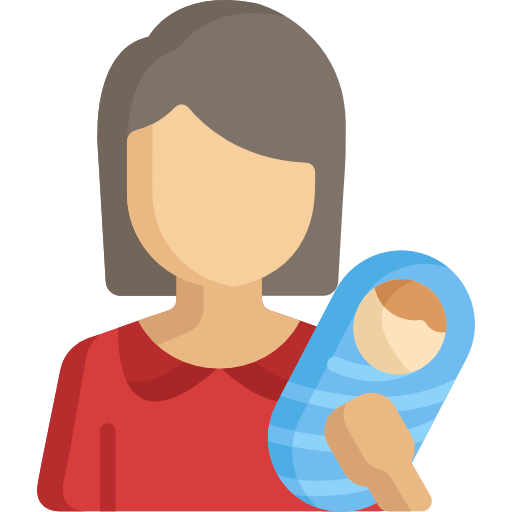 A child's parent who is a woman.
- cat
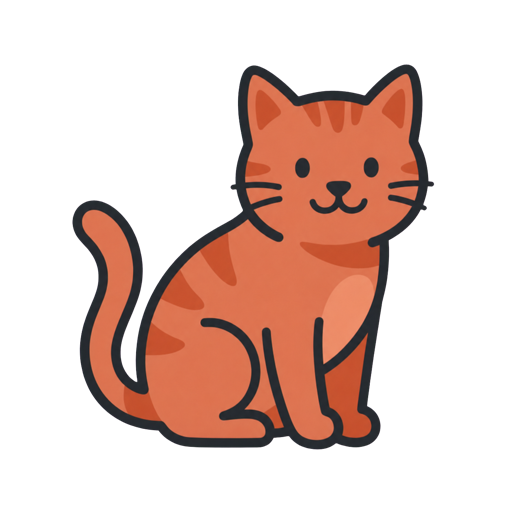 A small furry pet that meows and purrs.
- song
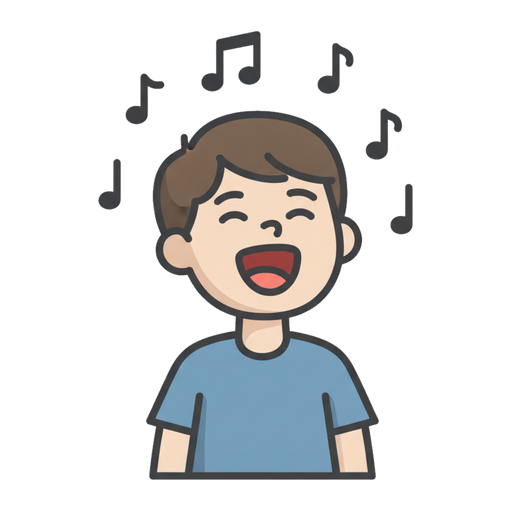 A song is music that is sung, usually with words. You can sing a song alone or together.
Related exercises
There is no exercise for this topic yet
Teacher or creator: make the first exercise with Puro Editor and choose Basic Vocabulary as its topic. It will appear here as soon as it is published.
1. Hello! What's your name?
Hello!
What's your name?
I'm Mia.
Thank you, goodbye!2. Basic vocabulary for young learners
Basic vocabulary means the first English words, such as greetings, colours, numbers 1–10, classroom objects, family and animals. First the children listen, then they say the words aloud. Writing comes later.
Show the meaning with a picture, an object or an action, not with a translation.
3. Numbers 1–10 in English
Count aloud and show the numbers with your fingers. Count real things too: pencils, books, steps.
The hardest for many learners are three, eight and one. In three the tongue goes between the teeth. In eight the gh is silent. One starts with a w sound.
one–five six–ten 4. Listen and do
The teacher says "Touch something red!"
The pupils touch something red.
The teacher says "Jump three times!"
The pupils jump and count one, two, three.
Finally a pupil gives the command.5. Word cards: classroom, family and outdoors
Tap a card to turn it.
The front has the English word and a picture, the back has a simple clue in English.
In the classroom: pencil and ruler. In the family: mother, father, sister and brother. Outdoors: ball, goal, fox, squirrel, tree and bird.
- pencil: You write and draw with it.
- ruler: You use it to draw a straight line.
- mother: Mum is another word for mother.
- father: Dad is another word for father.
- sister: A girl who has the same parents as you.
- brother: A boy who has the same parents as you.
- ball: It is round. You kick it, throw it or catch it.
- goal: You kick the ball into it to win a point.
- fox: A wild animal with a bushy tail. Many foxes are red-brown.
- squirrel: A small animal with a bushy tail. It climbs trees.
- tree: A tall plant with a trunk and leaves.
- bird: An animal with feathers and wings. Most birds can fly.
6. One cat, two cats
When there are many animals or things, an s often goes at the end of the word.
One cat, two cats, three cats. The same with dog and dogs, bird and birds, ball and balls. Listen: in cats the s sounds like s, in dogs it sounds like z.
7. Practise together
Sing the song "Head, Shoulders, Knees and Toes" with the movements.
Play a memory game where a picture card and an English word make a pair.
Ask "What colour is it?" and answer with colours: a green tree, a red ball.
Talk about your family in English, for example my mum and my cat.
Summary
The first English words are learned by listening and saying them aloud. Greetings, colours and numbers 1–10 are practised by singing and moving. Classroom objects, family and animals are taught with pictures, actions and play, not translations. English spelling often differs from the sound, so listening comes first. When there are many animals or things, the word often gets an s.
Frequently asked questions
How can I show what a word means without translating?
Use a picture, a real object, an action or a simple clue in English. Then the children link the word straight to the thing.
Should pupils aged 7–8 write English?
Not at first. First they listen and speak. Written words and short words come in gradually.
Why does the spelling not match the sound?
English spelling often differs from the sound, for example in one and eight. Children need the right model from the teacher, a song or a recording, so listening comes first.