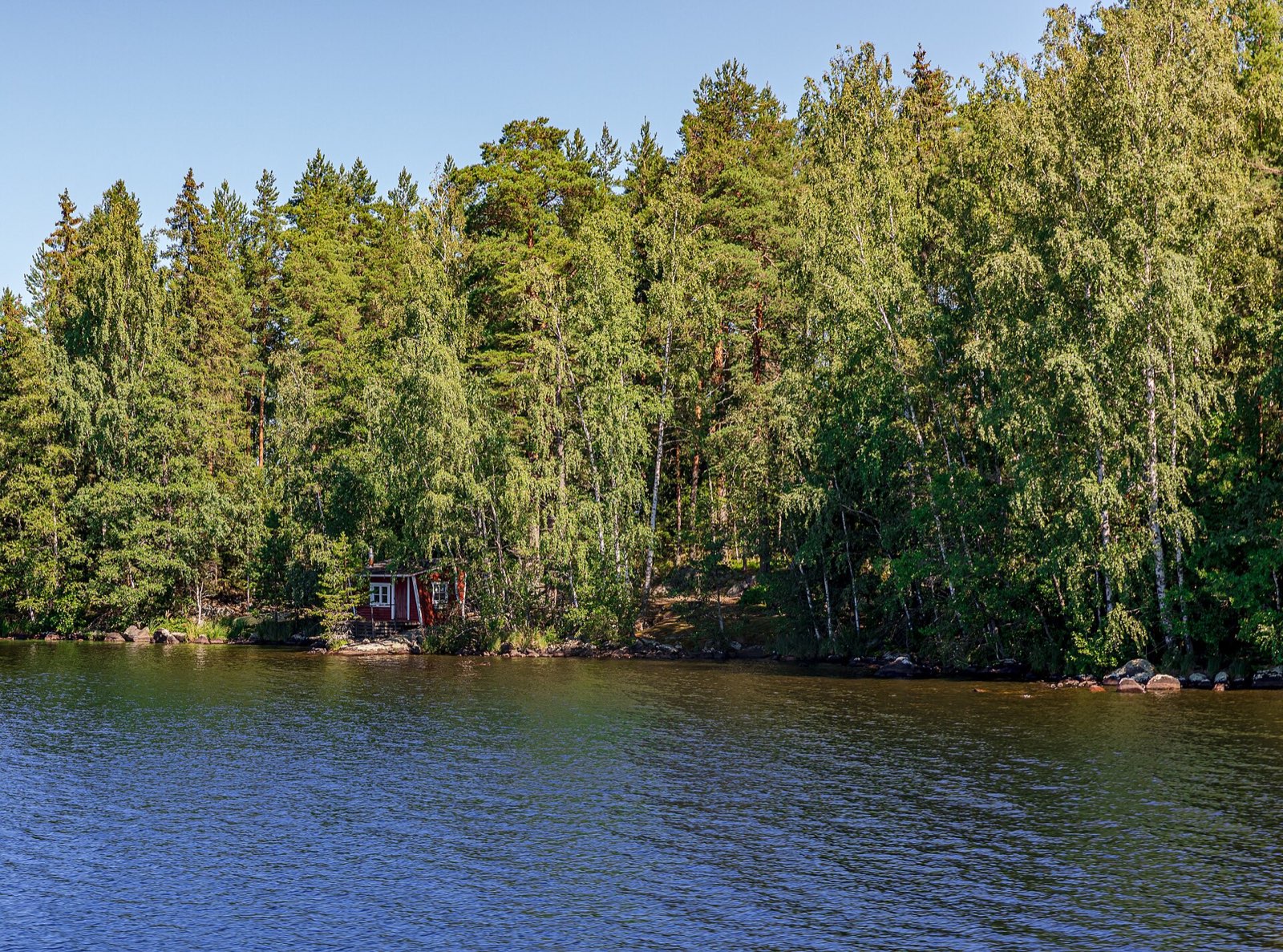

Finnish Nature and Seasons: What Happens in the Forest
Basic features of Finnish nature: seasons, forest types, plants, and animal adaptation explained clearly.
In Finnish nature, the seasons change dramatically. Plants and animals have adapted to the varying amounts of light and heat at different times of the year.
Key concepts
- spring
 The season when the snow melts and plants start to grow.
- summer
 The warmest season, when the days are long and bright.
- autumn
 The season when leaves turn yellow and fall from the trees.
- winter
 The cold season, when it snows and the water freezes.
- changing seasons
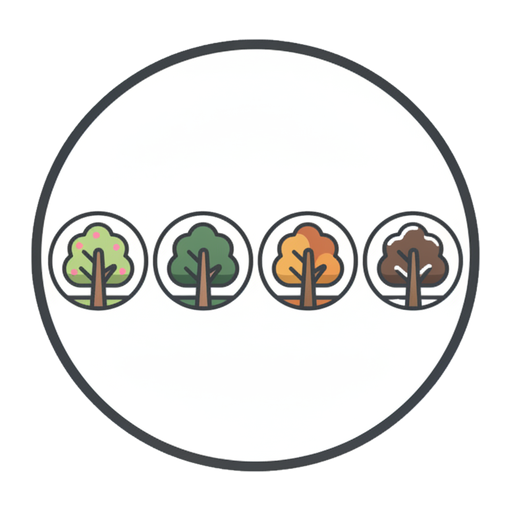 Changing seasons means that spring, summer, autumn and winter follow each other. This happens because the Earth's axis is tilted as the Earth orbits the Sun.
- pine
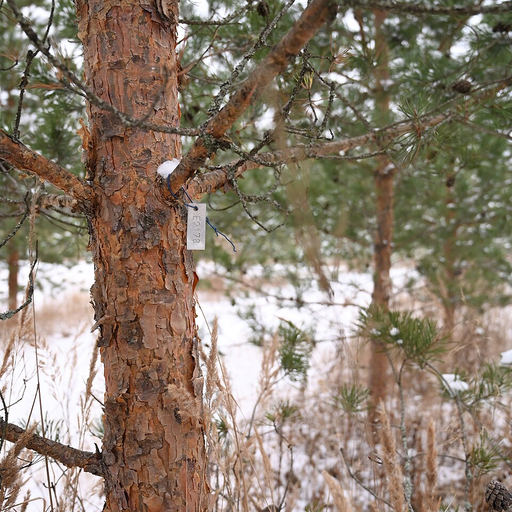 A pine is a conifer with long needles and reddish bark on the upper part of its trunk.
- spruce
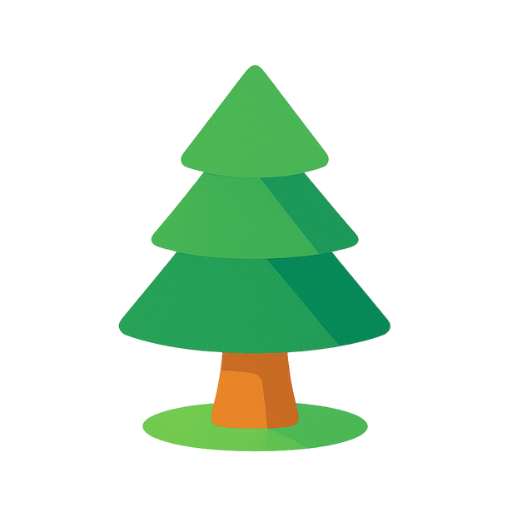 A tall evergreen tree with short needles and hanging cones.
- birch
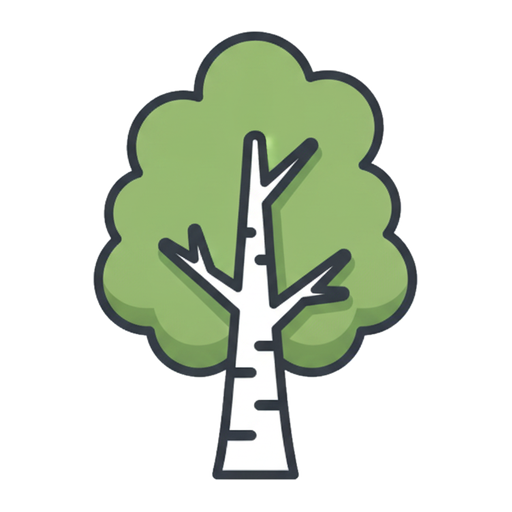 A birch is a broadleaf tree with white bark on its trunk. It is Finland's national tree.
1. Four Seasons
Spring, summer, autumn, and winter follow each other because the Earth's axis is tilted. This tilt changes the amount of sunlight received.
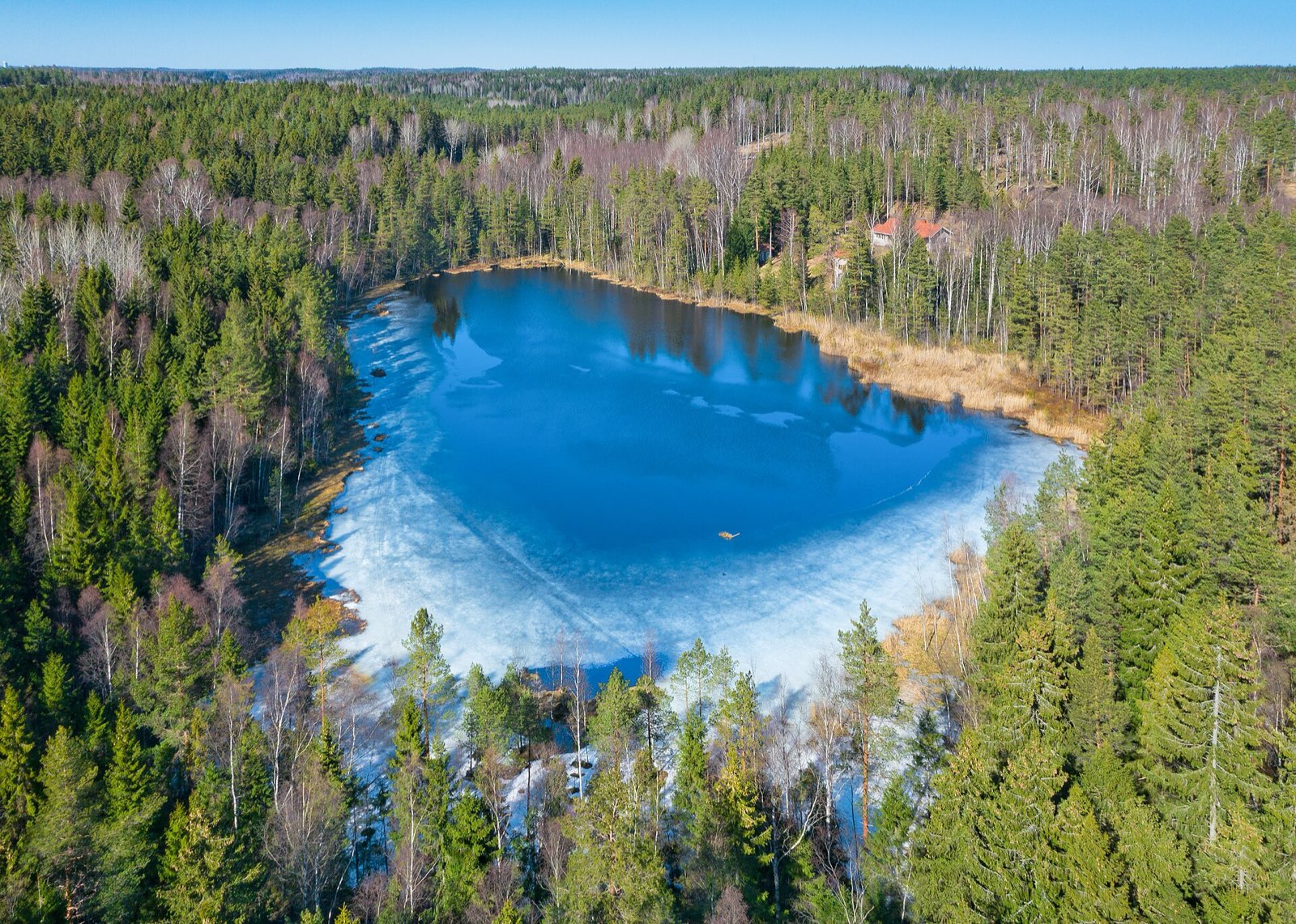
Spring: the ice on a lake melts in the forest in Sipoo in April.. Photo: Katronträsk in Sipoonkorpi, Sipoo, Finland, 2021 April, Ximonic (Simo Räsänen), CC BY-SA 3.0, modified: reduced in size 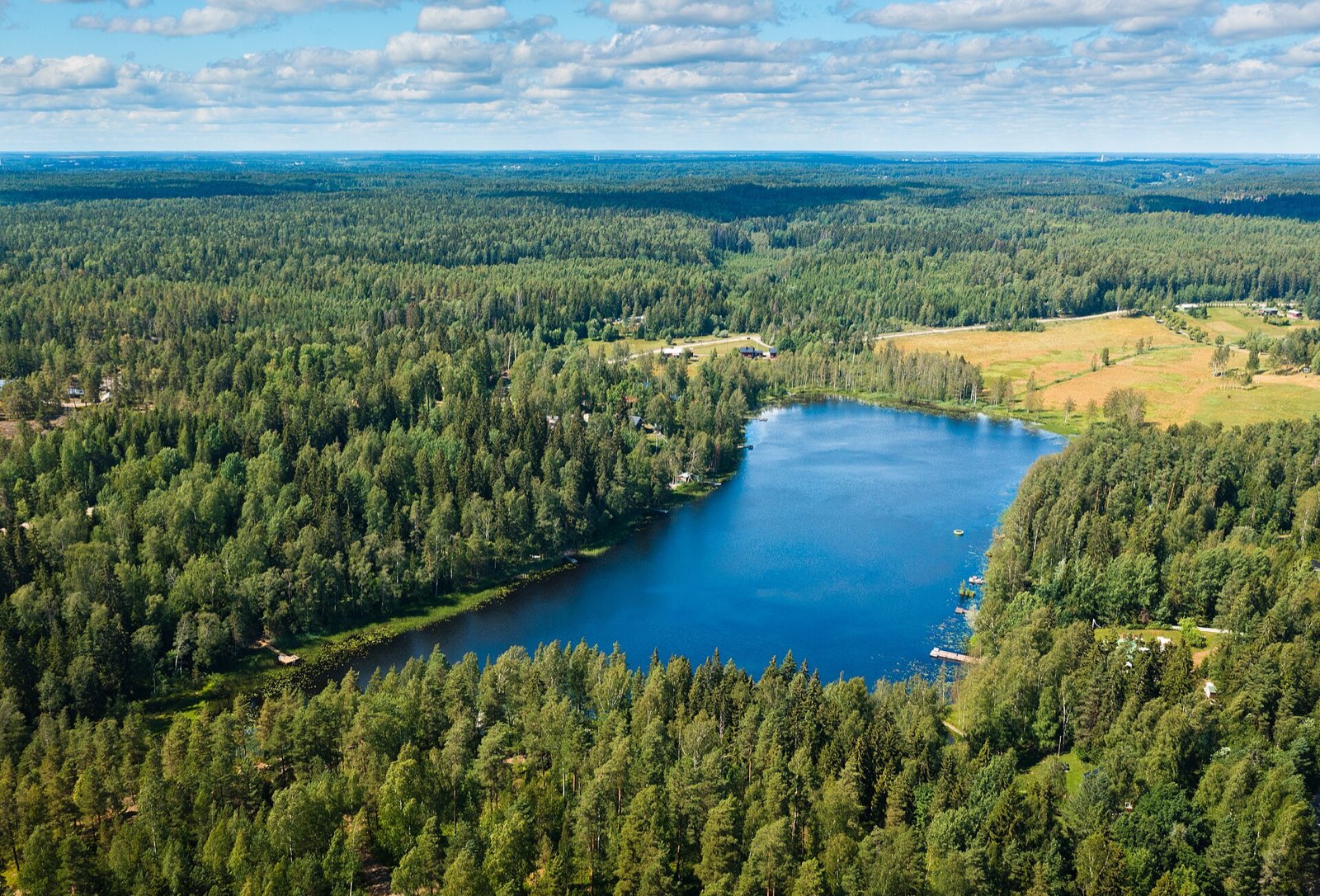
Summer: green forest and a lake in Sipoo in July.. Photo: Helgträsk in Sipoonkorpi, Sipoo, Finland, 2021 July, Ximonic (Simo Räsänen), CC BY-SA 3.0, modified: reduced in size 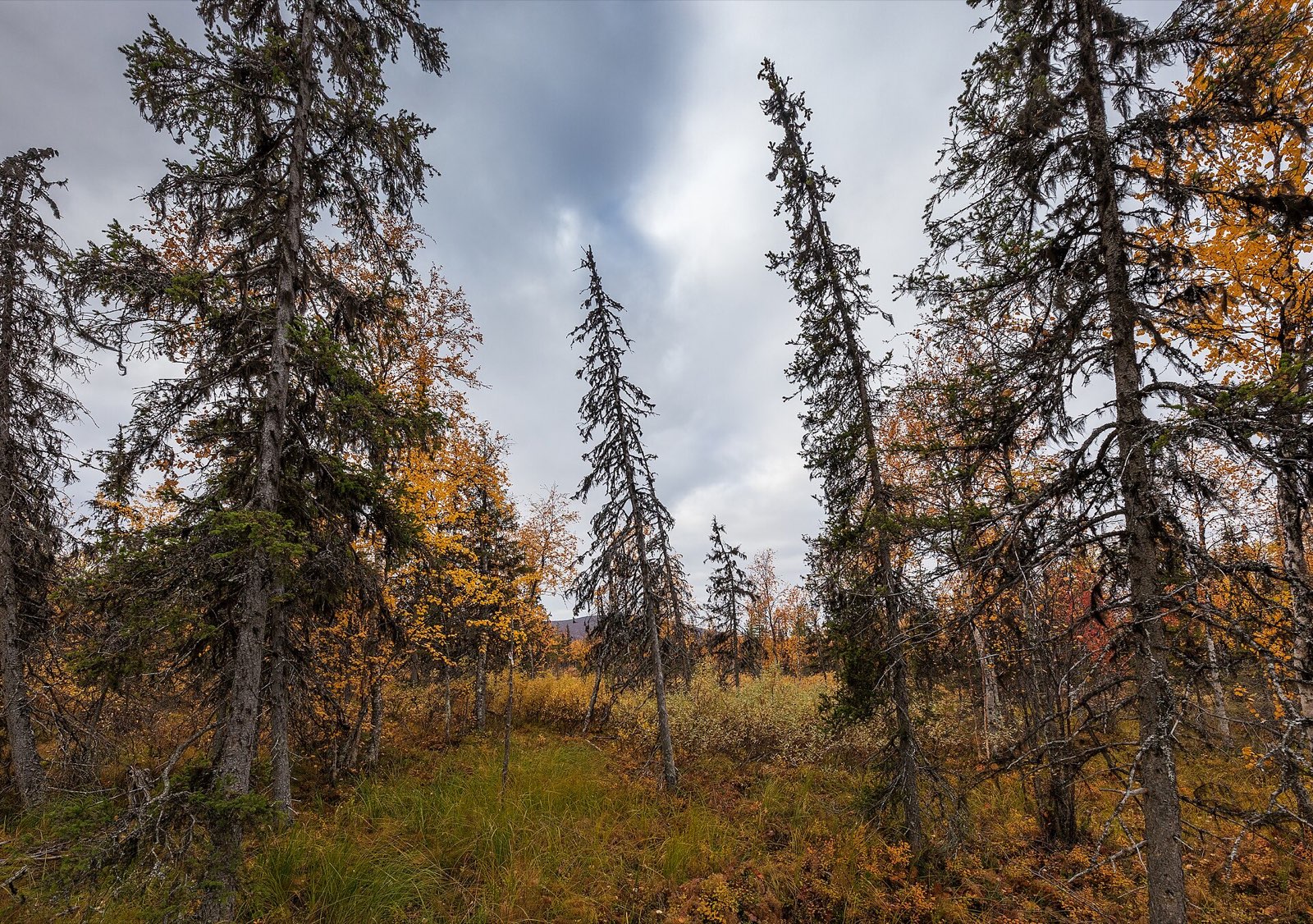
Autumn: the autumn colours turn the leaves yellow and red in Pallas-Yllästunturi National Park in Lapland in September.. Photo: Forest near Punainenhiekka at Pallasjärvi in Pallas-Yllästunturi National Park, Kittilä, Lapland, Finland, 2021 September, Ximonic (Simo Räsänen), CC BY-SA 4.0, modified: reduced in size 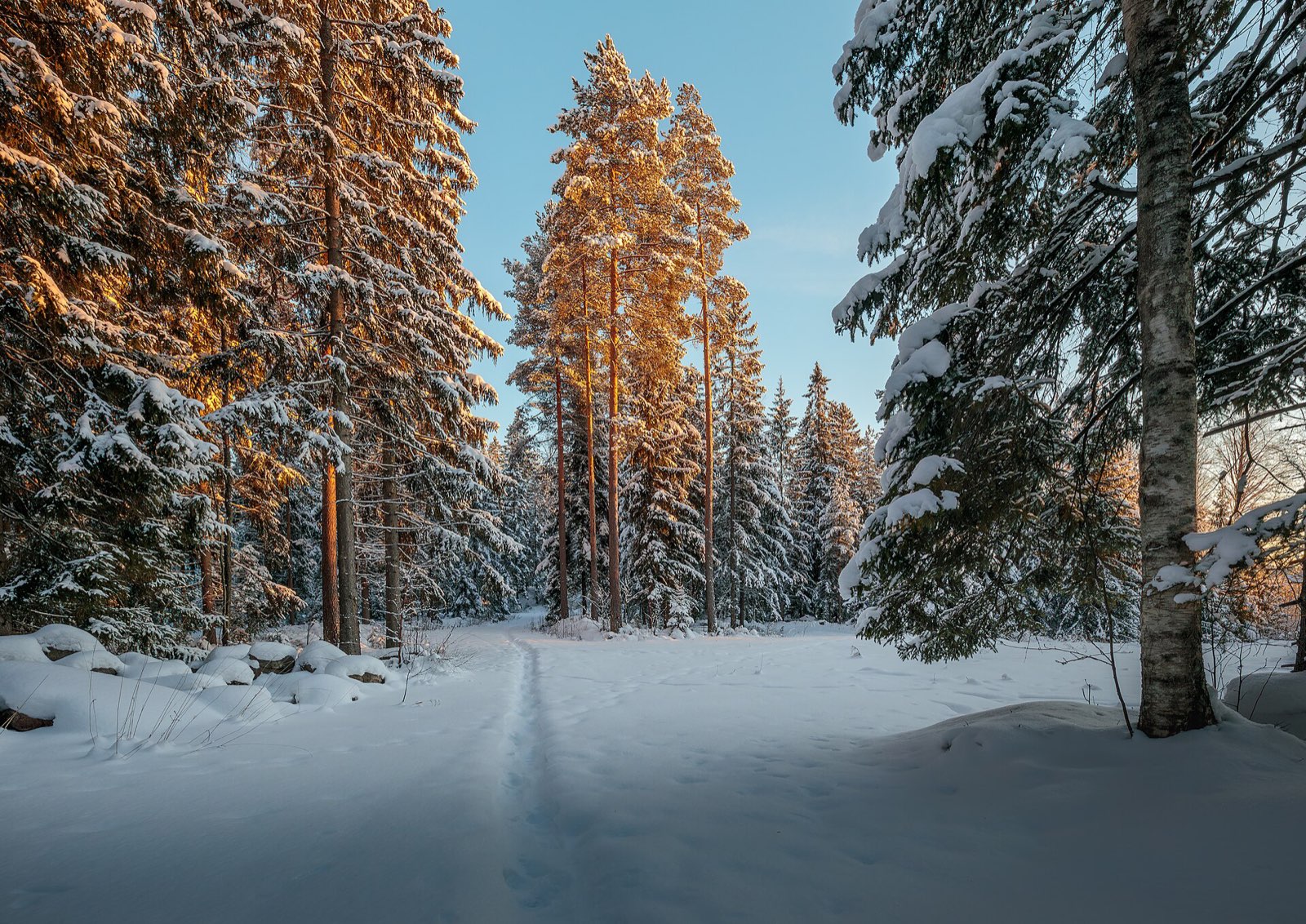
Winter: snow covers the forest in February in Vantaa, in the Sipoonkorpi area.. Photo: Winter landscape at Solbacka in Sipoonkorpi, Kuninkaanmäki, Vantaa, Finland, 2026 February, Ximonic (Simo Räsänen), CC BY-SA 4.0, modified: reduced in size 2. The Forest
The most common trees in Finland are pine, spruce, and birch. Coniferous trees keep their needles over the winter, while deciduous trees drop their leaves.
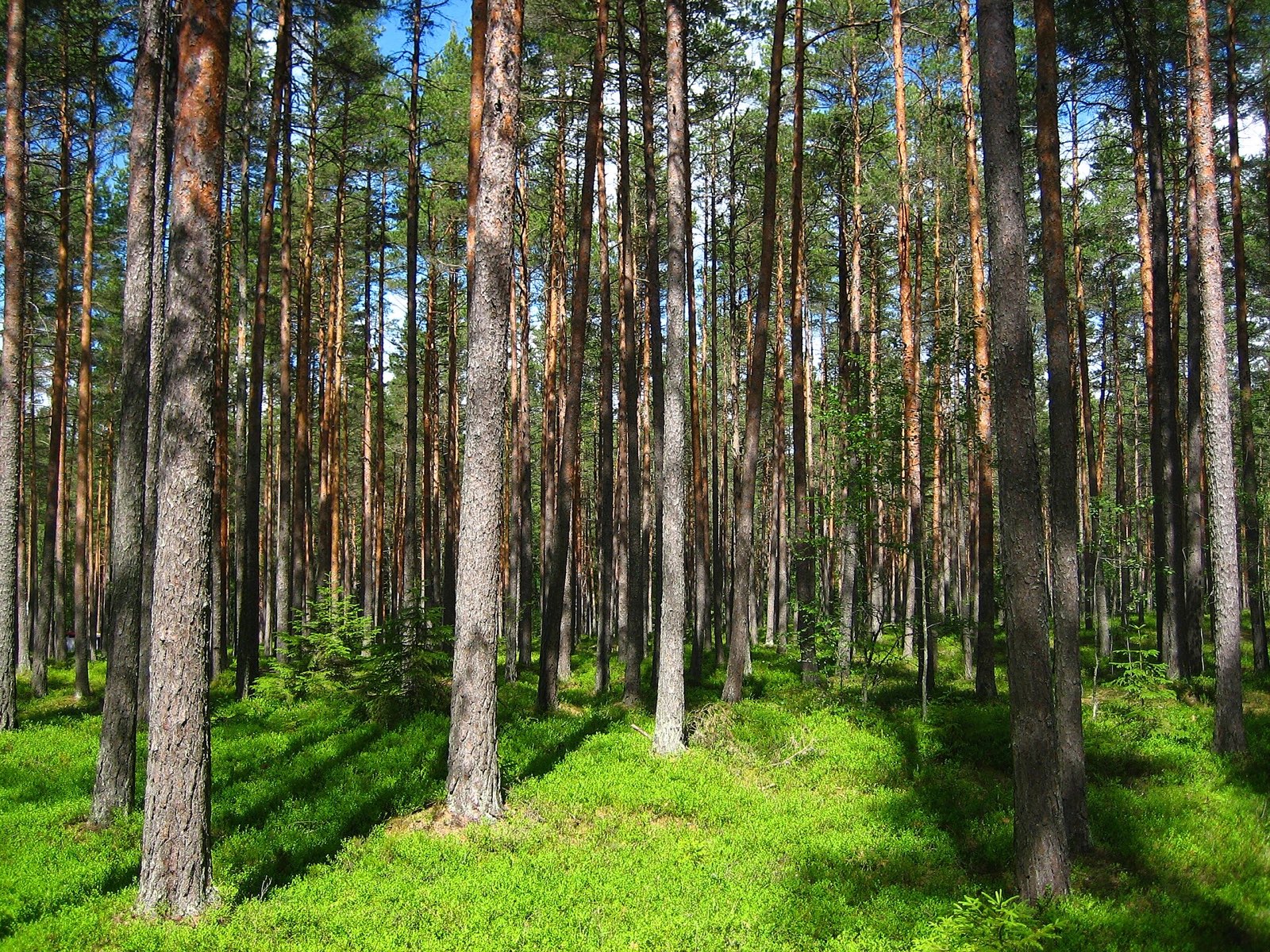
A pine forest in summer. The pine is a coniferous tree.. Photo: Tuoretta kangasmetsää kesällä, fi:User:MPorciusCato, CC BY-SA 3.0, modified: reduced in size 3. Animals' Winter
Some animals migrate south, some fall into winter sleep, and some change their fur color. For example, the mountain hare turns white for the winter.
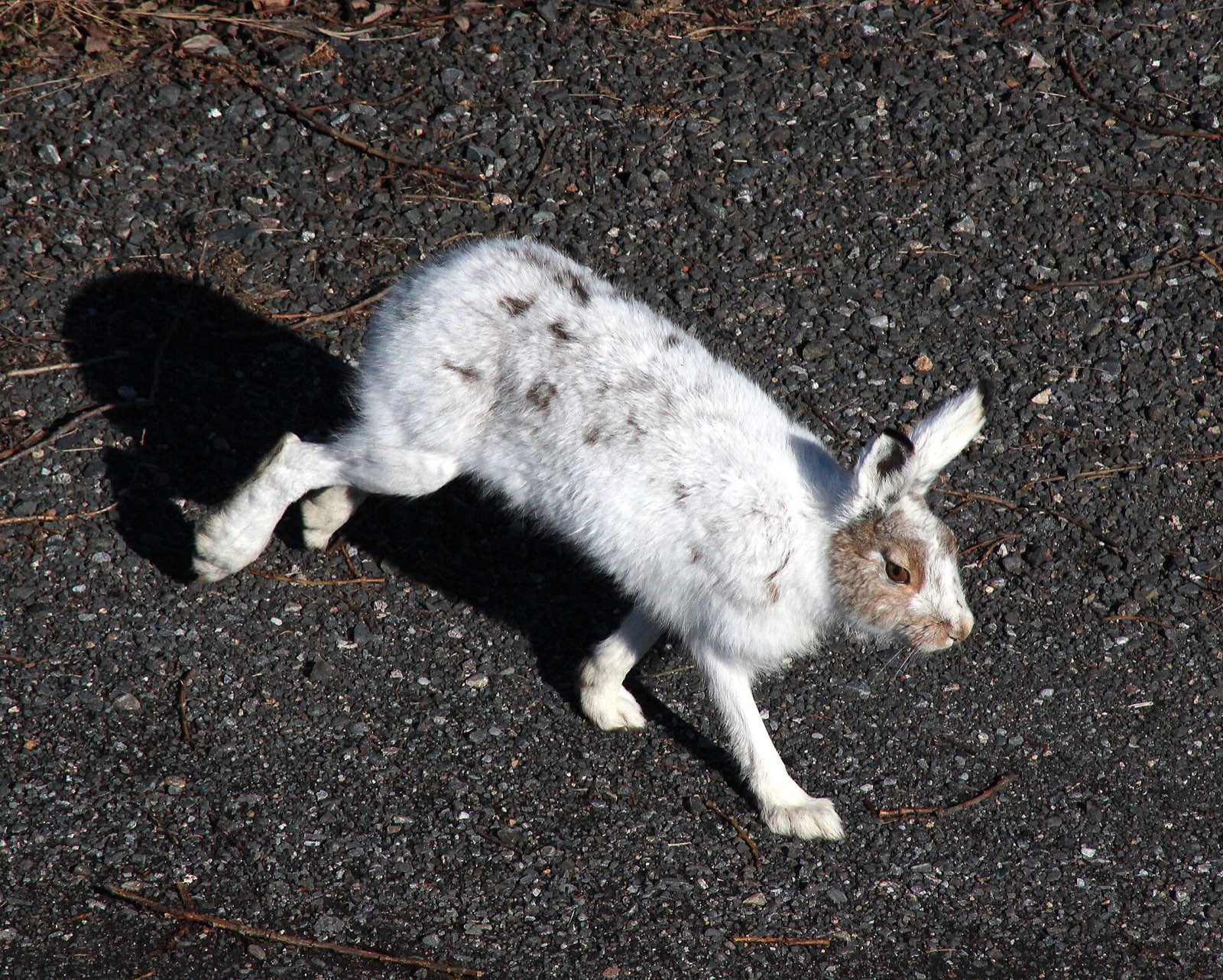
A mountain hare in Oulu in April: the white winter coat is still there, but brown patches have already appeared.. Photo: Lepus timidus Oulu 20120428b, Estormiz, CC0, modified: reduced in size 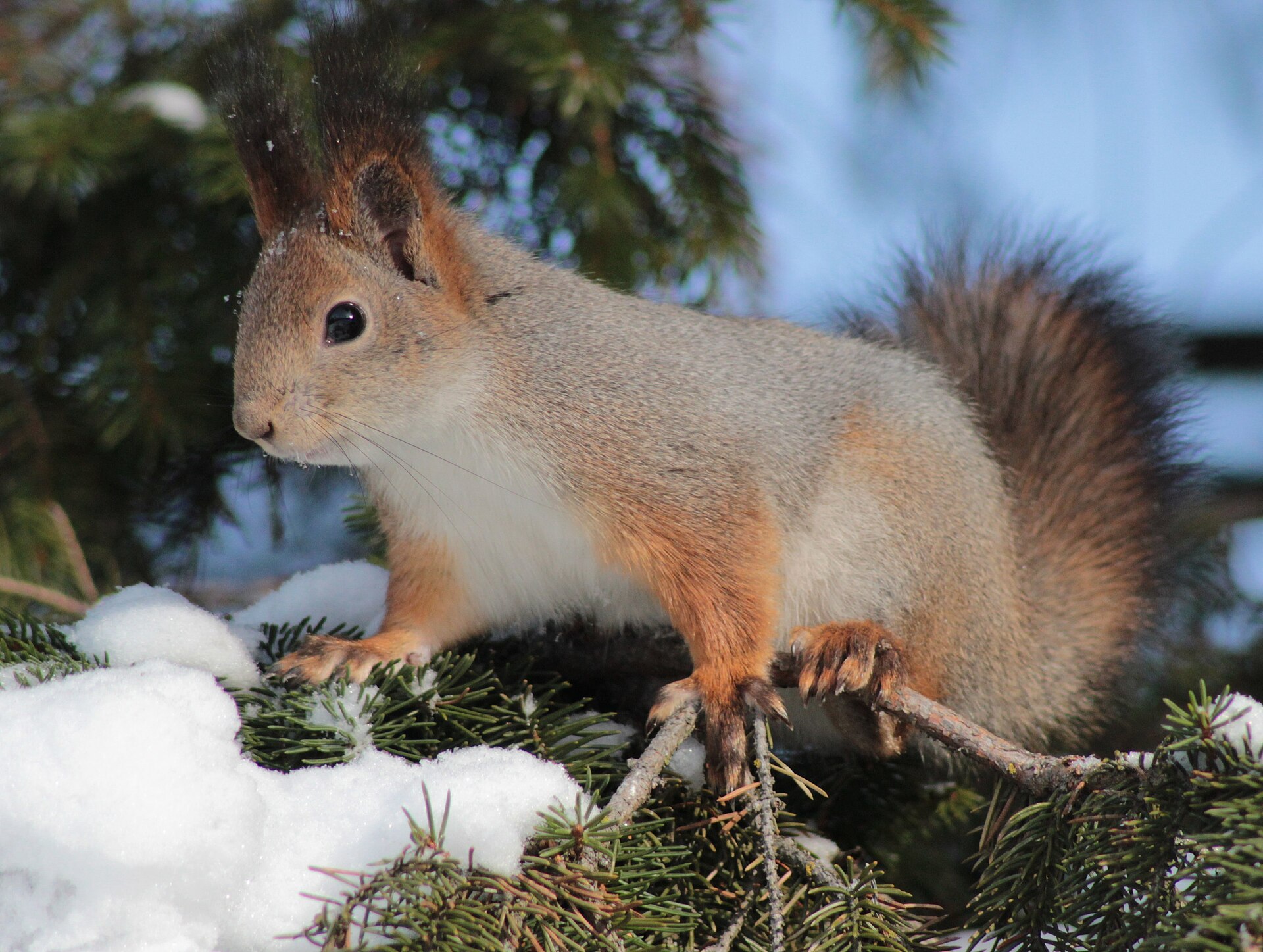
A squirrel in winter: grey winter fur and ear tufts. The squirrel does not sleep through the winter.. Photo: Sciurus Vulgaris Oulu 20130222 02, Estormiz, CC0, modified: reduced in size 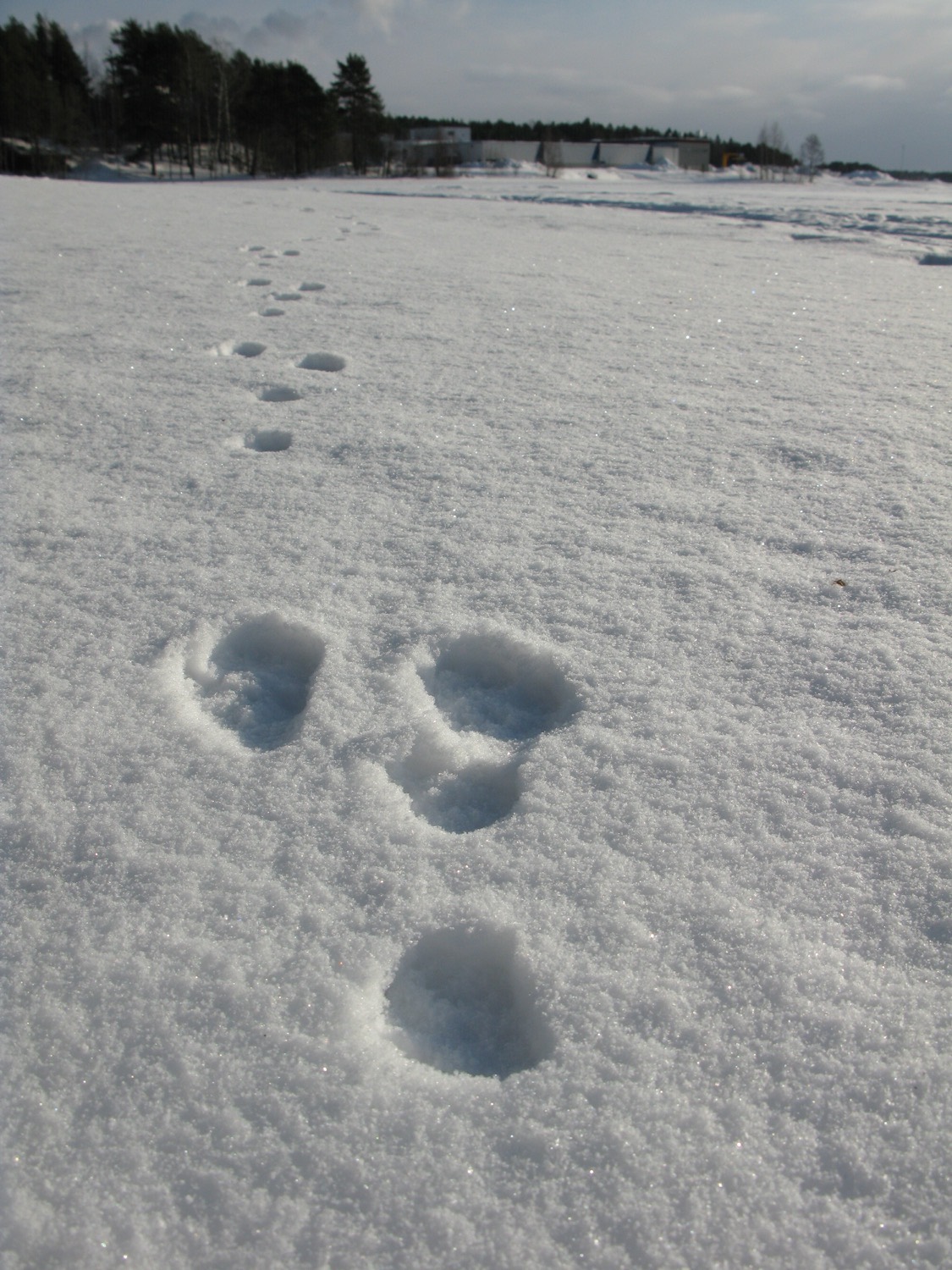
Hare tracks on the frozen lake Kallavesi in Kuopio. In the snow you can see where the animal has walked.. Photo: Hare tracks in Kuopio, Leo-setä, CC BY 2.0, modified: reduced in size 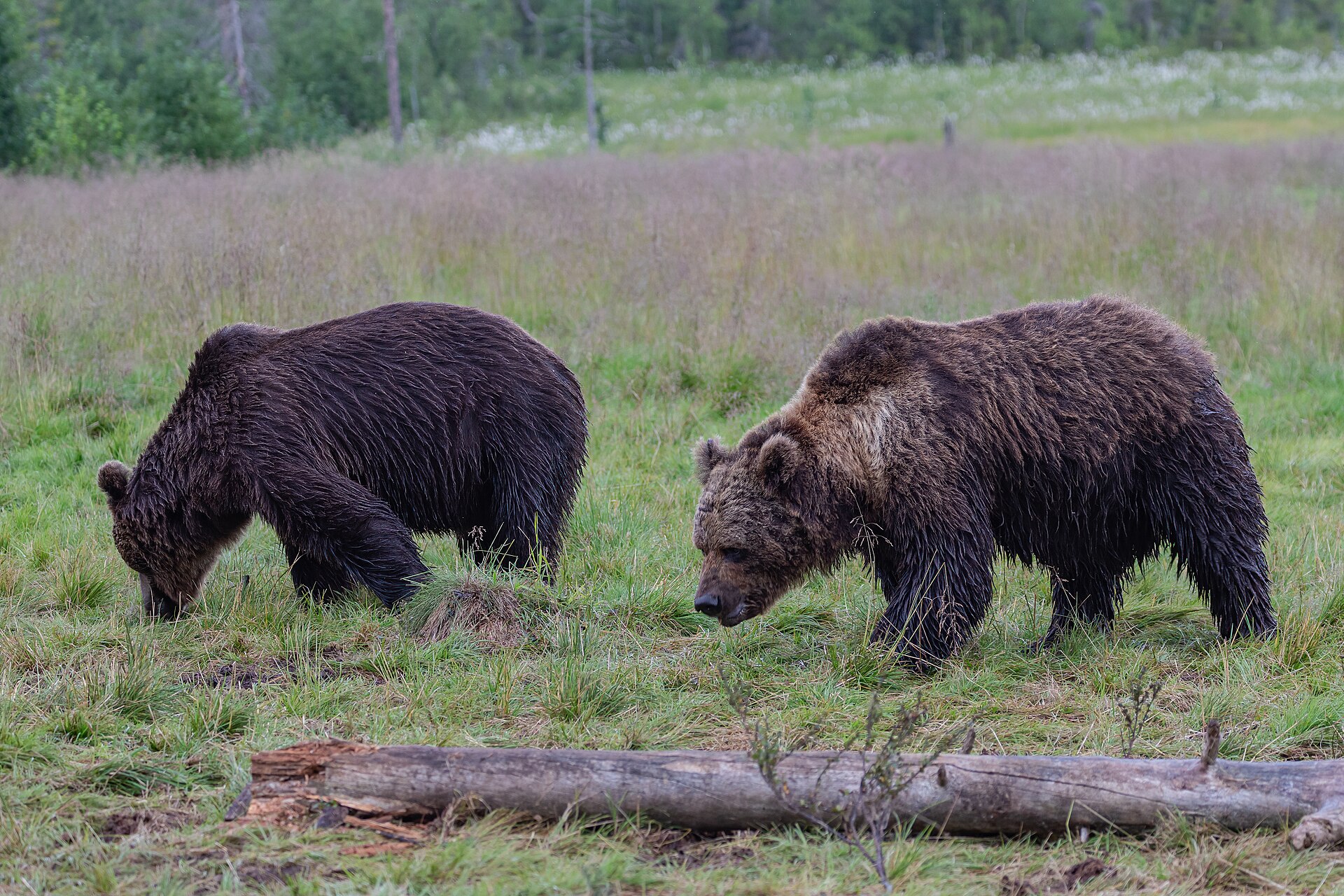
Brown bears in Kuusamo. The bear sleeps through the winter in its den and does not eat then.. Photo: Kuusamo, Finland - Bears6, Ninara, CC BY 2.0, modified: reduced in size 4. Everyman's Rights
In Finland, you can move, pick berries, and gather mushrooms in nature quite freely. At the same time, you must ensure that nature or others' property is not damaged.
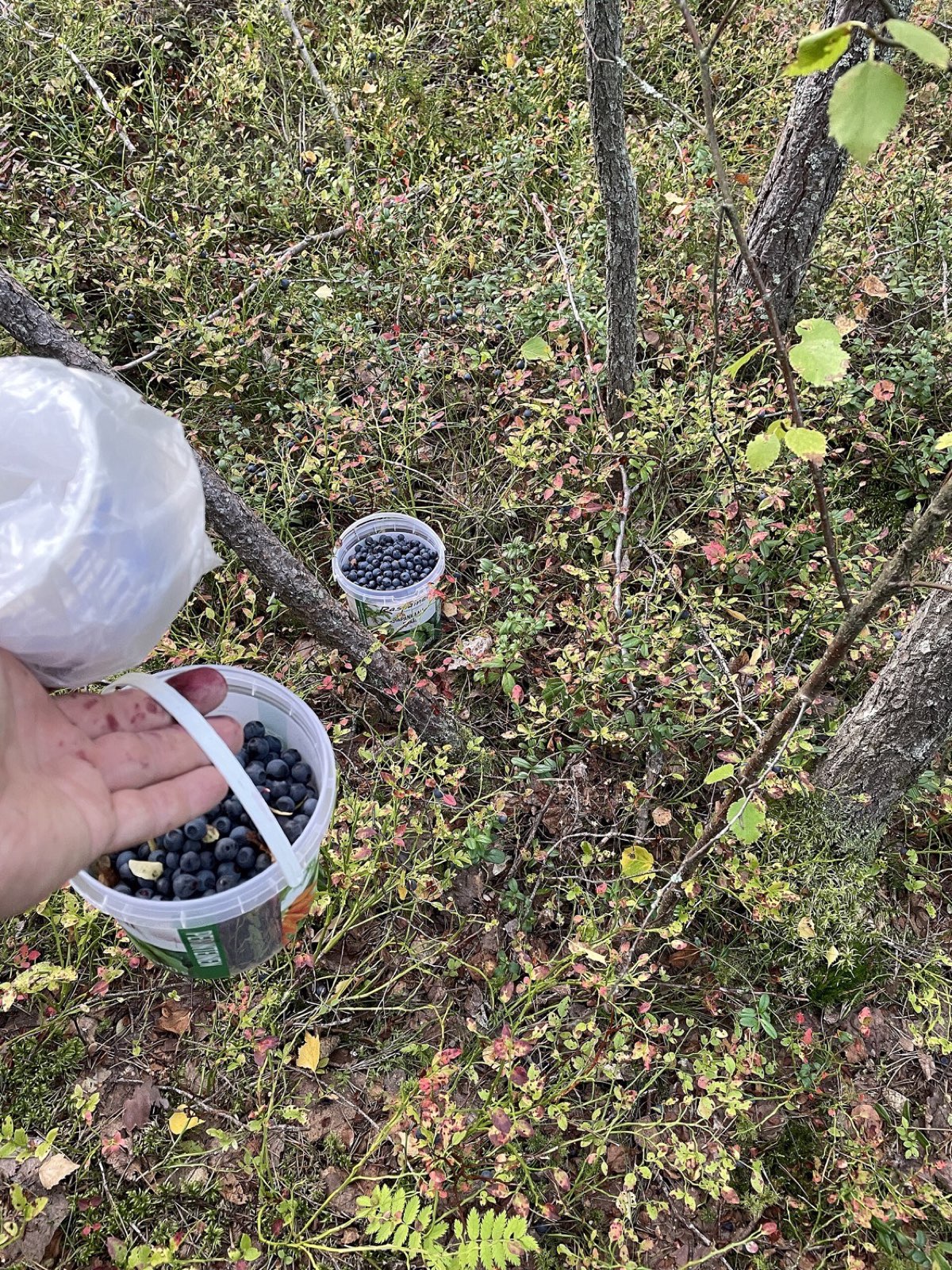
Blueberries can be picked in the forest: berry picking is part of everyman's rights.. Photo: Picking bilberries, Ypsilon from Finland, CC0, modified: reduced in size 5. The Cycle of Nature
Dead plants and animals decompose into the soil as nutrients, which plants use again. Nothing goes to waste in nature.
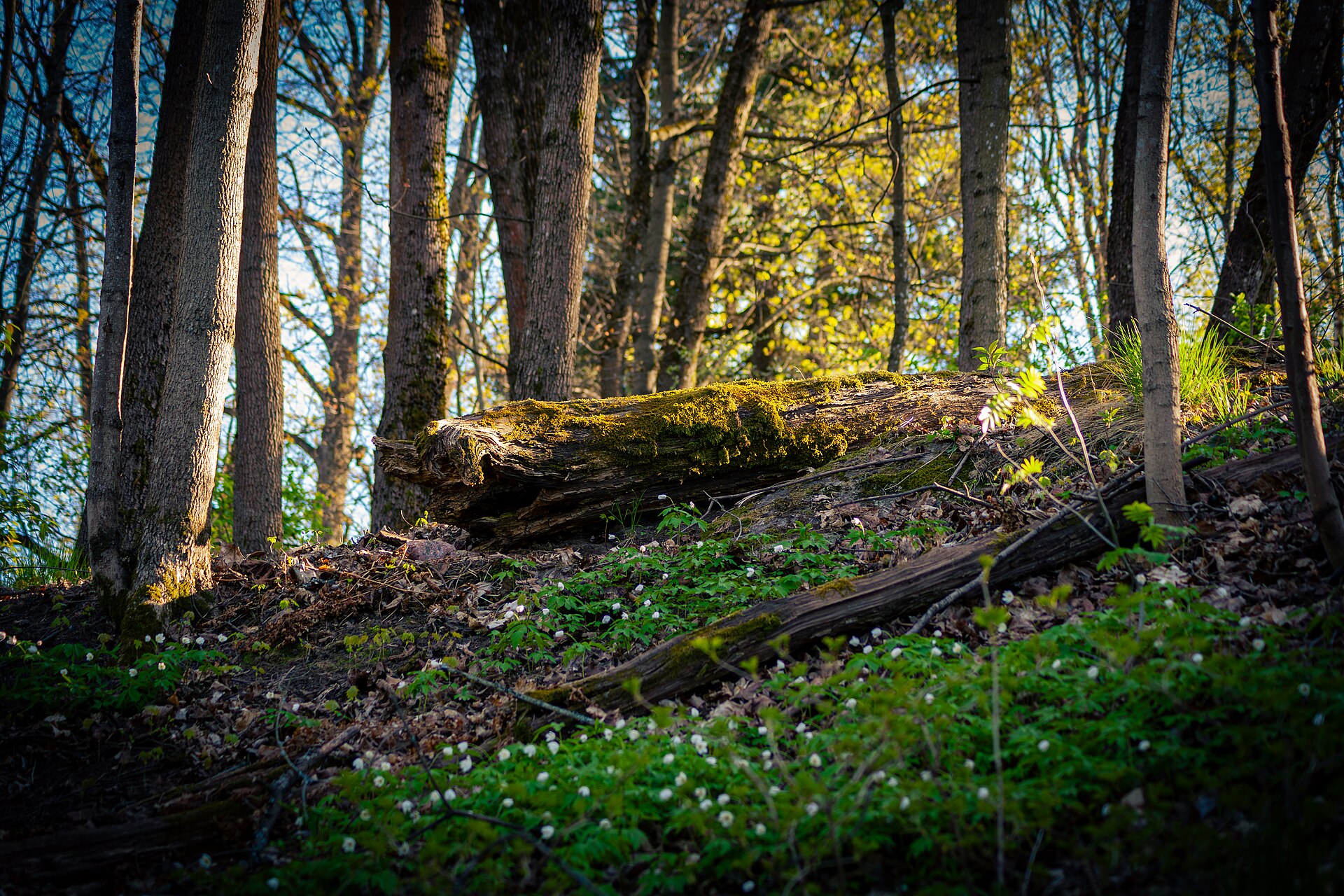
A fallen trunk slowly rots, and its nutrients return to the soil. Wood anemones grow in the ground.. Photo: Spring deciduous forest with wood anemones and fallen tree trunk, Sanzzu, CC BY-SA 4.0, modified: reduced in size


Summary
Finnish nature changes according to the seasons, and plants and animals have adapted to this change in different ways. Observing nature in your local environment makes these phenomena concrete.
Frequently asked questions
Why do leaves change color in the autumn?
The tree stops producing chlorophyll, which allows other pigments in the leaf, such as yellow and red, to become visible.
Why is it warmer in the summer?
Because the sun shines from a higher angle and for longer periods, allowing the ground to warm up more.
What is not permitted under everyman's rights?
They do not allow, for example, disturbing the peace of homes, lighting open fires on someone else's land, or damaging trees.