
Food chain: producers, consumers and decomposers
Teaching, slides and tasks on the food chain: producer, consumer, decomposer, arrow direction and food web with pictures for grades 3–4.
A food chain shows who eats whom and where the energy comes from. This article introduces producers, consumers and decomposers using a meadow as the example. Every step is ready to show to the class as a slide.
At the end, the pupil can build their own food chain, draw the arrows in the right direction and explain what happens when one link disappears.
Key concepts
- food chain
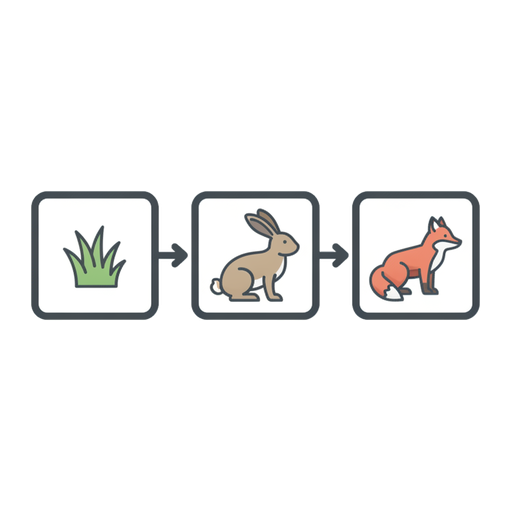 The order in which living things eat each other, for example a plant, a hare and a fox.
- producer
 A plant that makes its own food with the help of sunlight. It is the start of a food chain.
- herbivore
 An animal that eats only plants, like a hare or a moose.
- carnivore
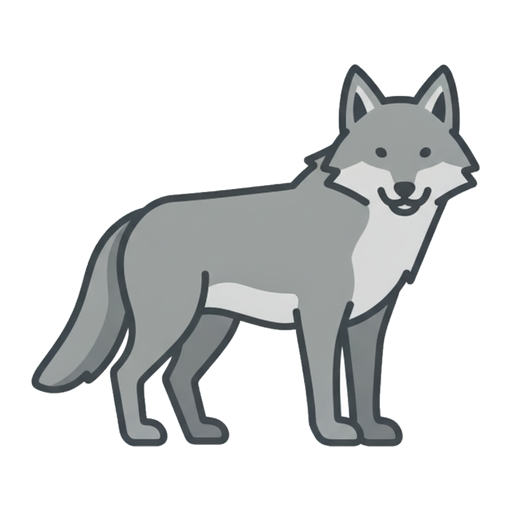 An animal that eats other animals, like a wolf or a lynx.
- omnivore
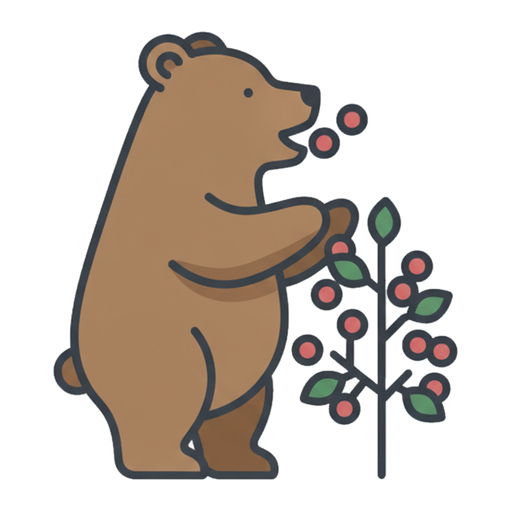 An animal that eats both plants and animals, like a bear or a human.
- decomposer
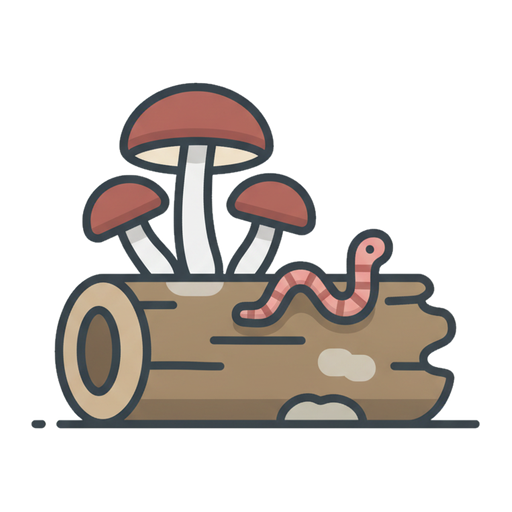 A living thing that breaks dead plants and animals down into soil, like a fungus or an earthworm.
- photosynthesis
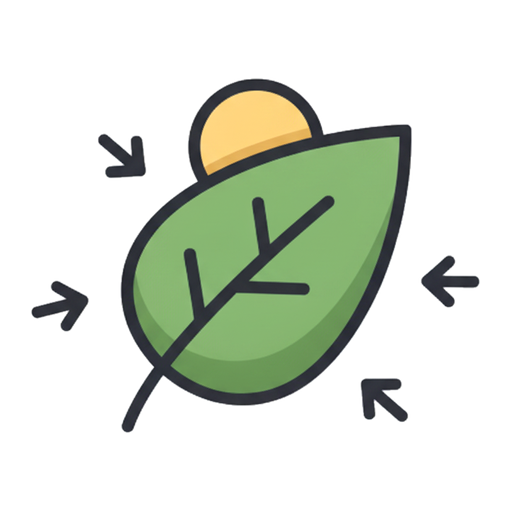 A plant uses sunlight, water and carbon dioxide to make sugar, and gives off oxygen.
Related exercises
There is no exercise for this topic yet
Teacher or creator: make the first exercise with Puro Editor and choose Food Chains as its topic. It will appear here as soon as it is published.
1. What did you eat today?
What did you eat for breakfast today?
Did the food come from a plant or from an animal?
Where does a plant get its energy?
What does the fox eat in the meadow?2. The Sun gives the energy
All food begins with the Sun. A plant uses sunlight, water and carbon dioxide from the air. From these it makes its own food. This is called photosynthesis. That is why a plant is a producer. A food chain always begins with a producer.
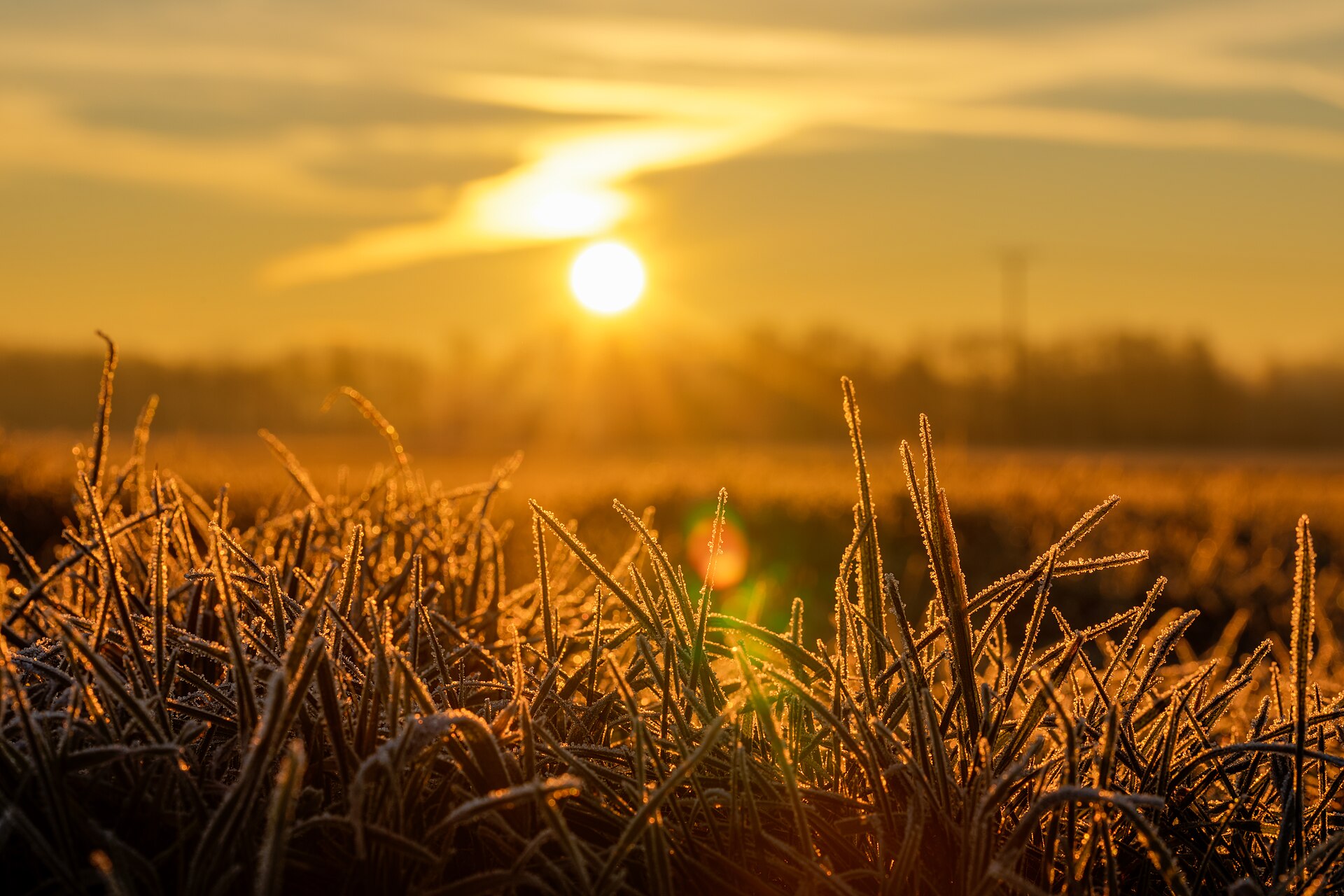
The sun rises over the grass. Grass uses sunlight to make food.. Photo: Dülmen, Kirchspiel, Dernekamp, Gras im Sonnenaufgang -- 2023 -- 6363-7, Dietmar Rabich, CC BY-SA 4.0, modified: reduced in size 3. Consumers eat other living things
An animal does not make its own food, so it is a consumer. A herbivore eats plants. A carnivore eats other animals. An omnivore eats both plants and animals.
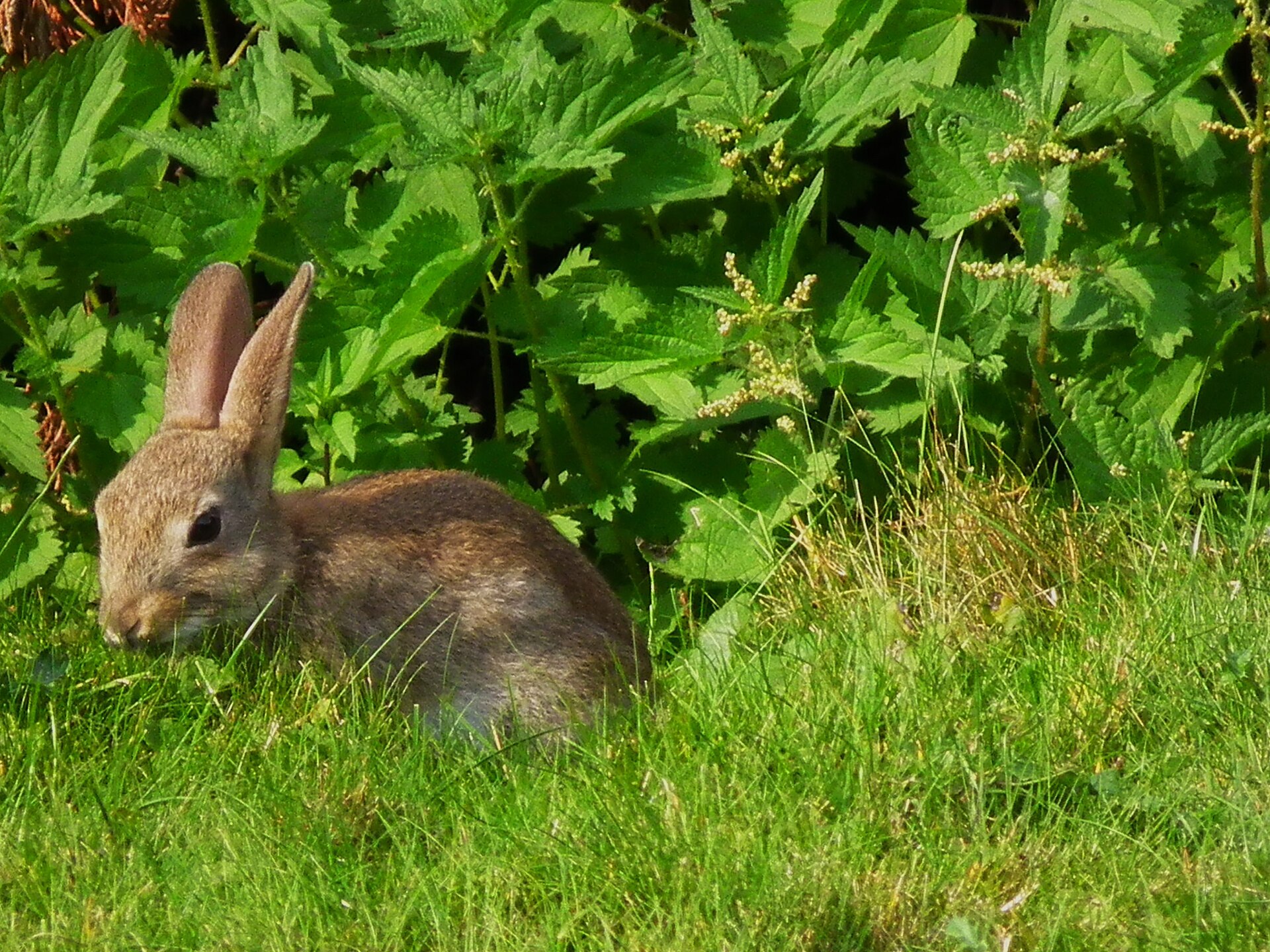
Herbivore: the wild rabbit eats grass and other plants. The photo was taken in northern Baden, Germany.. Photo: Junges Wildkaninchen vor Brennnesseln, 4028mdk09, CC BY-SA 3.0, modified: reduced in size 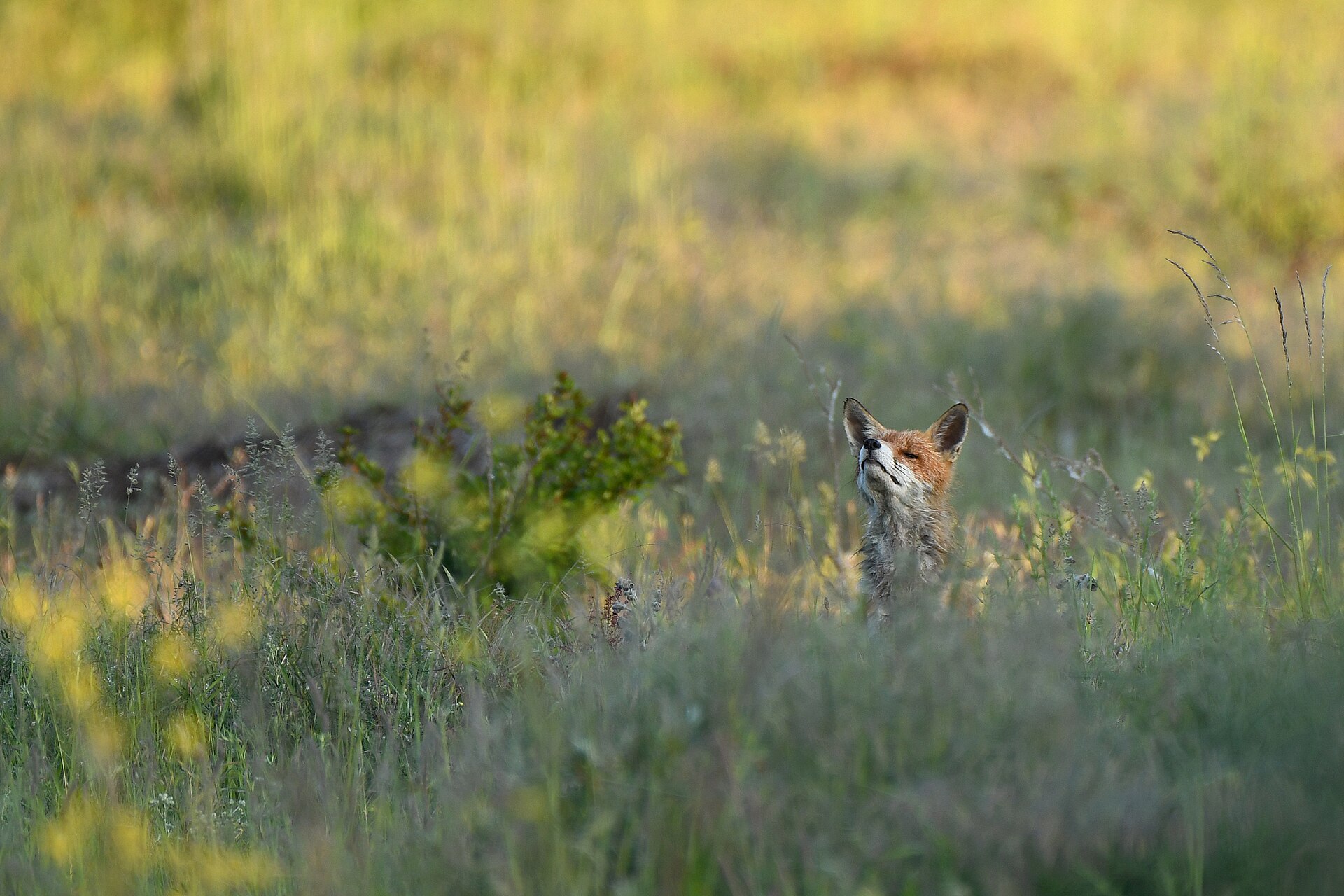
Carnivore: the fox mostly catches small animals. The photo was taken in a meadow in Halle, Germany.. Photo: Rotfuchs (Mai 2025) 2, Romzig, CC0, modified: reduced in size 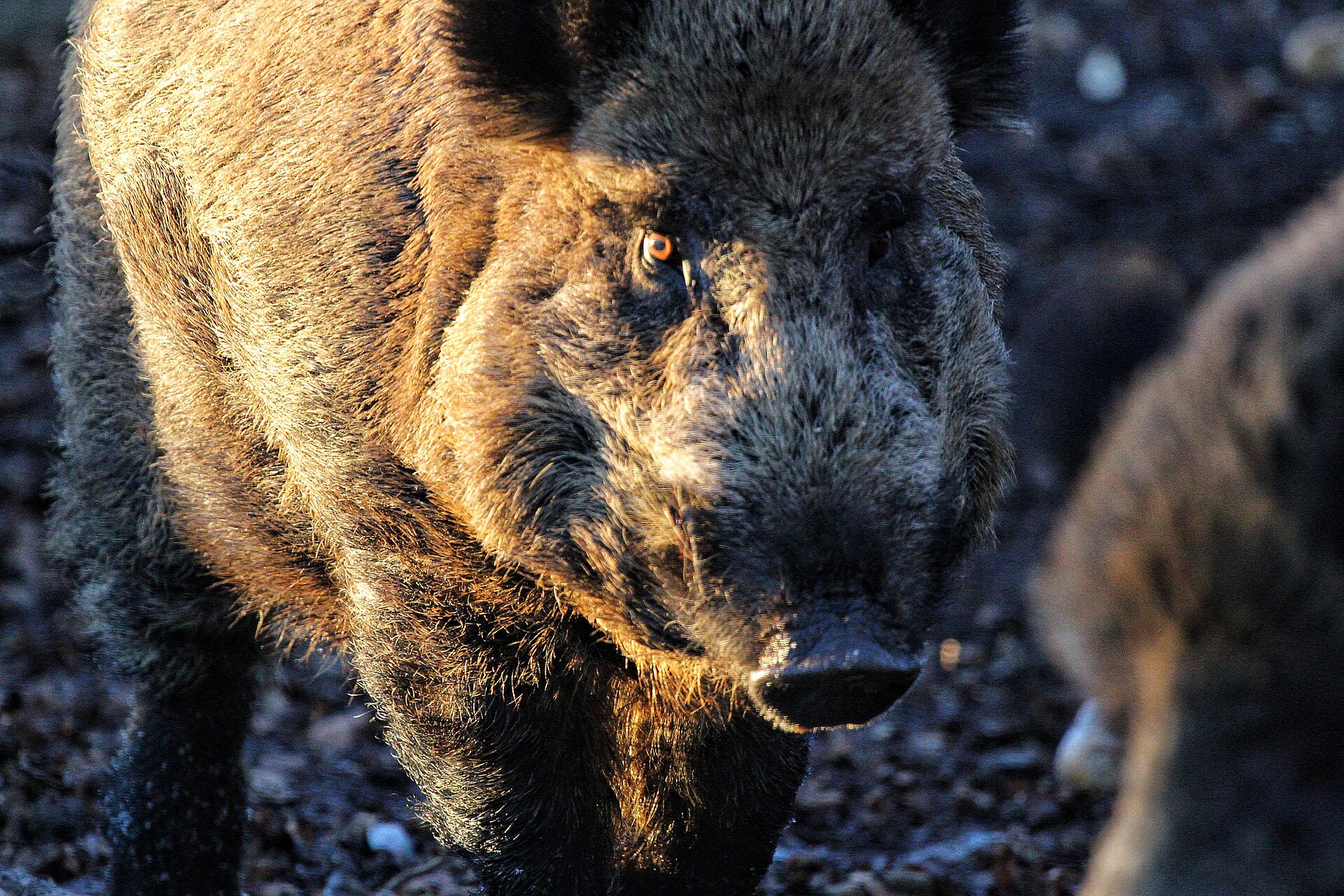
The wild boar eats plants, roots and small animals. The photo was taken in the Bavarian Forest, Germany.. Photo: Wildschwein Bayern, Armatus1995, CC BY-SA 4.0, modified: reduced in size 4. The food chain in the meadow
A food chain shows who eats whom. The arrow goes from the one that is eaten to the one that eats: grass → rabbit → fox. The arrow shows where the energy goes.
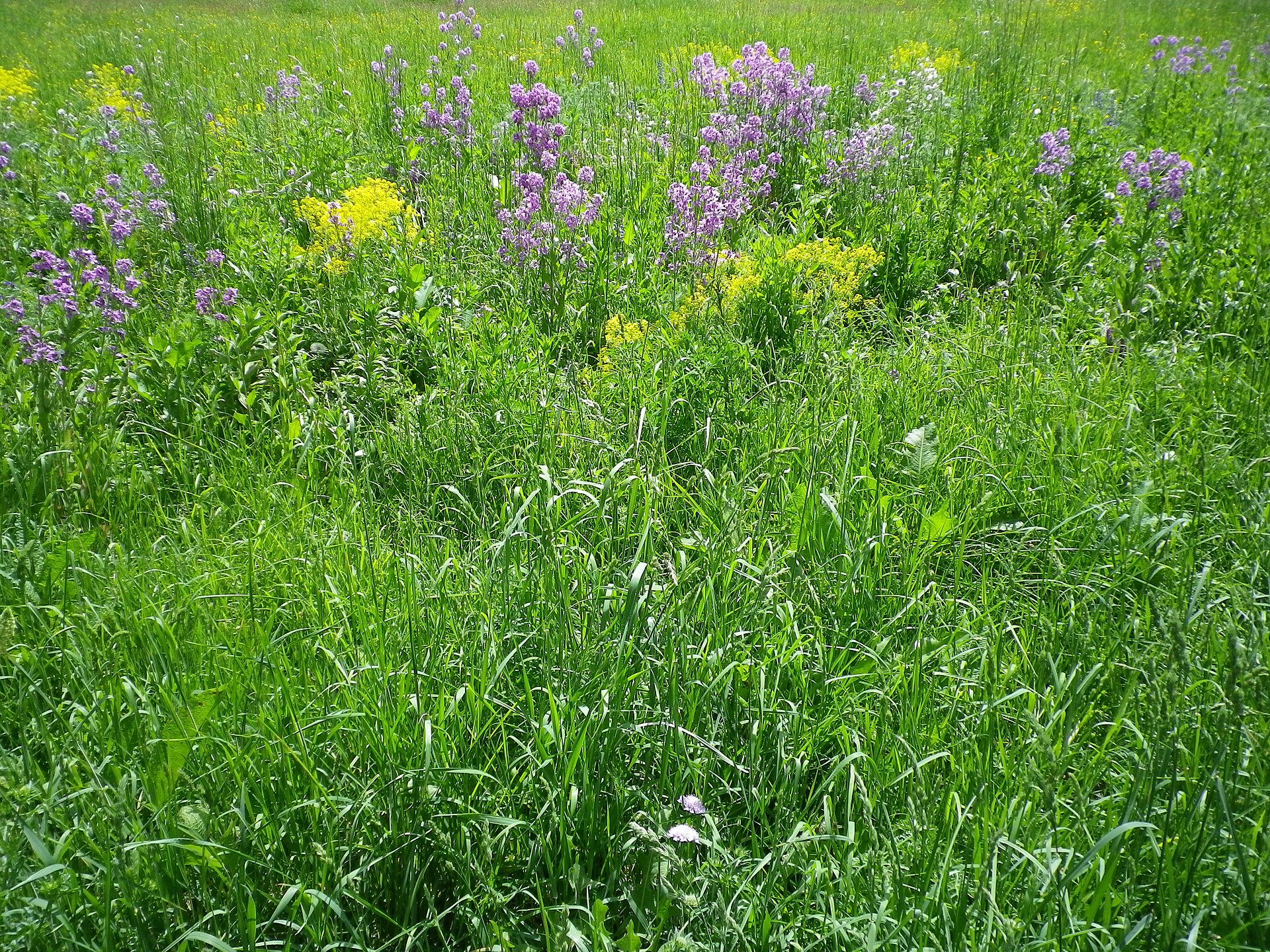
Photo: Blumenwiese in Ingolstadt 2024, Chrisi1964, CC0, modified: reduced in size Photo: Junges Wildkaninchen vor Brennnesseln, 4028mdk09, CC BY-SA 3.0, modified: reduced in size Photo: Rotfuchs (Mai 2025) 2, Romzig, CC0, modified: reduced in size - Producer Grass makes its food with sunlight.
- Herbivore The rabbit eats grass.
- Carnivore The fox eats the rabbit.
5. Decomposers return the nutrients
When a plant or an animal dies, decomposers break it down. Decomposers are, for example, fungi and bacteria. They release nutrients into the soil. Plants use the nutrients again. Matter goes around in cycles, but the energy always comes from the Sun.
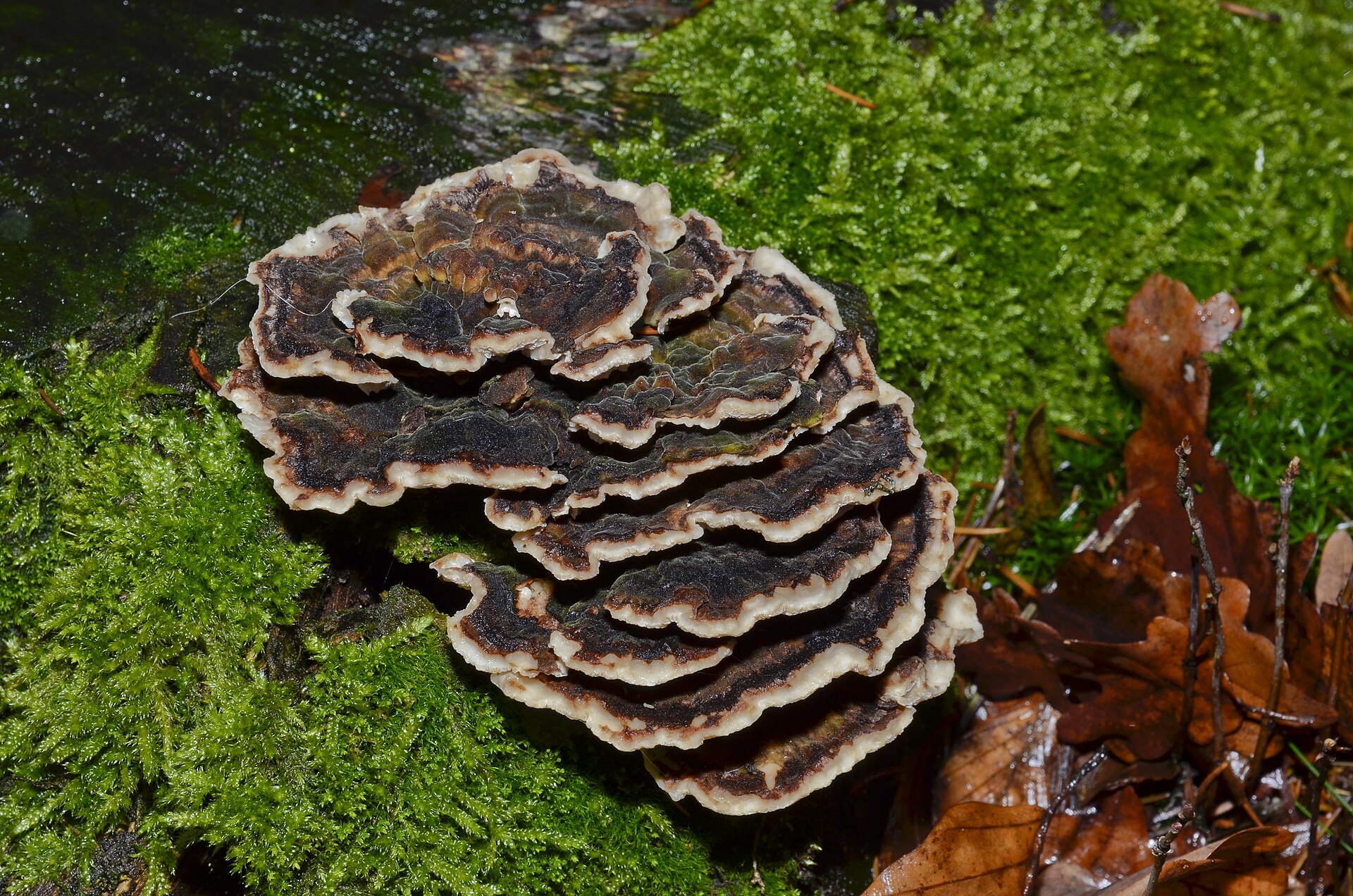
Turkey tail fungus grows on rotting wood and breaks it down. In this way nutrients return to the soil.. Photo: Trametes versicolor - Coriolus versicolor - Polyporus versicolor - Schmetterlingstramete - Bunte Tramete - Schmetterlingsporling - 01, Norbert Nagel, CC BY-SA 3.0, modified: reduced in size 6. Food web
Animals often eat many kinds of food, so chains weave together into a food web. If the rabbit disappears, the fox may eat more game birds. If the grass disappears, the rabbit and the game bird are left without food. Then the fox suffers too.
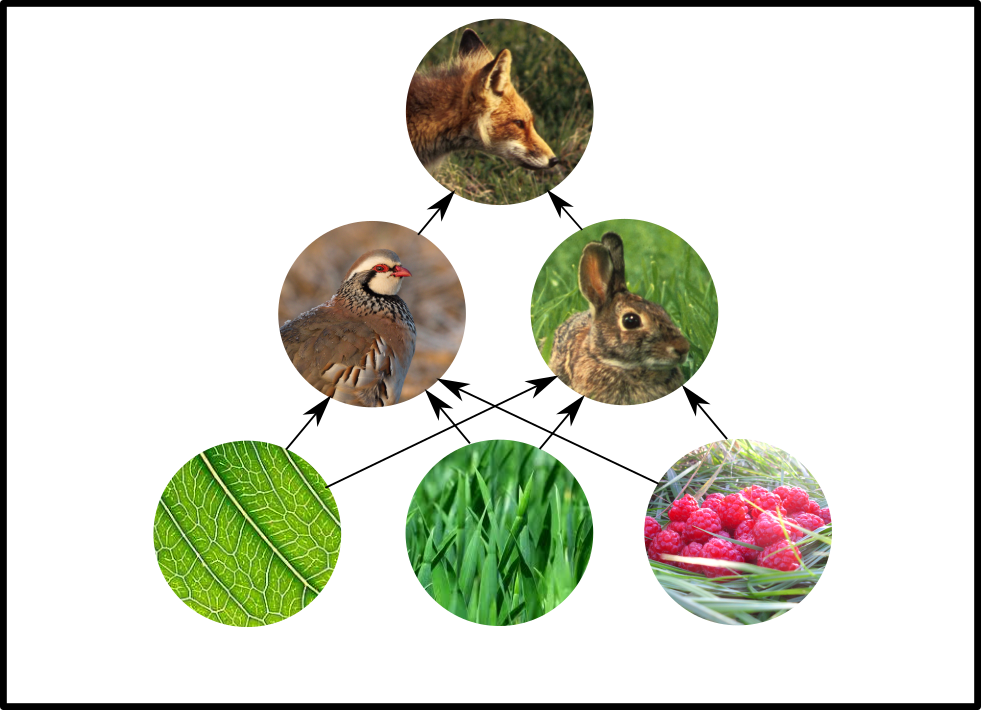
Food web: the arrows point from the one that is eaten to the one that eats. The picture shows a fox, a game bird (partridge), a rabbit and plants.. Photo: Example trophic web fox partridge rabbit and plants, Wiki brain, CC BY-SA 4.0, modified: reduced in size 7. Build your own food chain
Build a chain in pairs: producer, herbivore and carnivore. Which way do the arrows point?
What happens to the rabbit and the fox if the grass in the meadow dies?
Where in the chain does the Sun come in?
What would happen if there were no decomposers?


Summary
A food chain begins with the Sun and the producer: a plant makes its food by photosynthesis. Consumers, that is herbivores, carnivores and omnivores, eat other living things. The arrow goes from the one that is eaten to the one that eats. Decomposers, such as fungi and bacteria, return the nutrients of dead organisms to the soil. Many chains form a food web.
Frequently asked questions
Are algae producers?
Yes. Algae make their food with sunlight, just like plants. In lakes and ponds, algae are the start of many food chains.
Is a human a consumer?
Yes. A human is an omnivorous consumer, because humans eat both plants and animals. Humans are also part of food chains.
Does the fox eat only animals?
Not always. The fox mostly eats small animals, but also berries. In nature, the line between a carnivore and an omnivore is not always sharp.