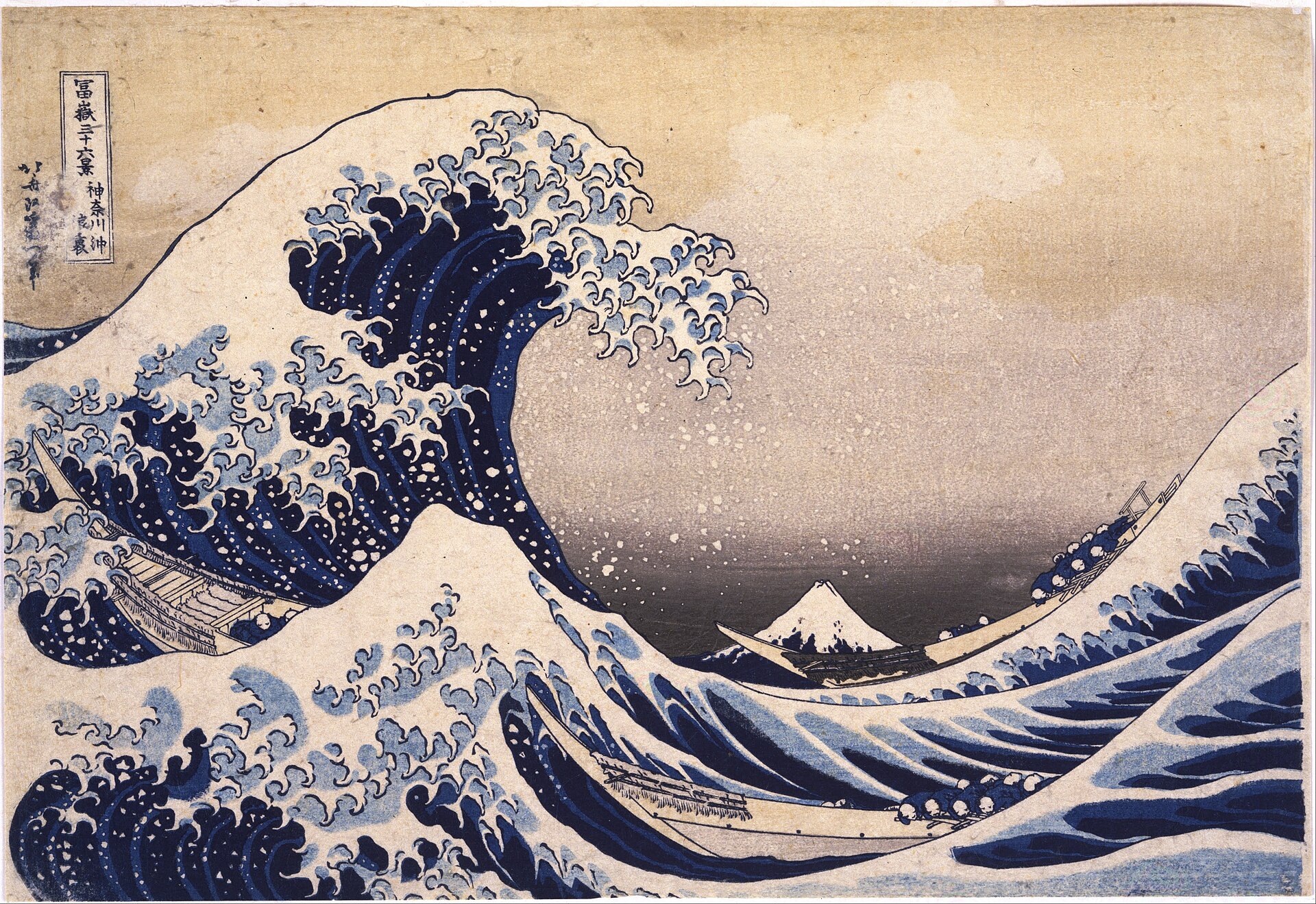

Hokusai and The Great Wave: Japanese woodblock prints
Who was Hokusai and how was The Great Wave printed? Teaching, slides and questions on woodblock printing, Mount Fuji and the models for Van Gogh and Monet.
Hokusai was a Japanese artist who, around 1831, made one of the most famous pictures in the world: The Great Wave. It is a woodblock print: many copies were printed from wooden blocks. The article suits the whole primary school: things are explained simply first, and the “Explore more” notes give older pupils something extra. Every step can be shown to the class as a slide.
At the end, pupils know who Hokusai was, can explain how a woodblock print is made and can try printing for themselves.
Key concepts
- artist
 A person whose job is to make paintings, sculptures or other art.
- mountain
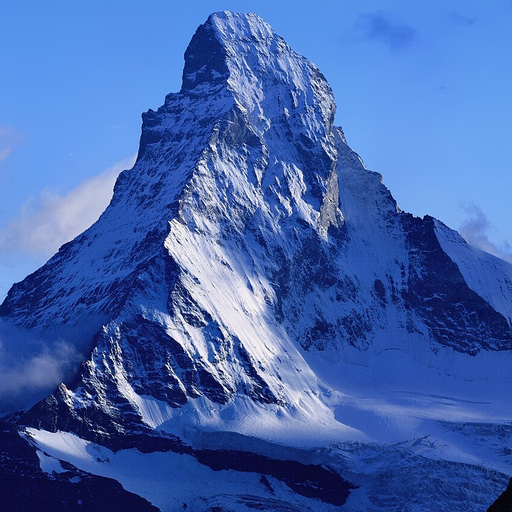 A high, steep rise of land. The world's highest mountain is Mount Everest.
- volcano
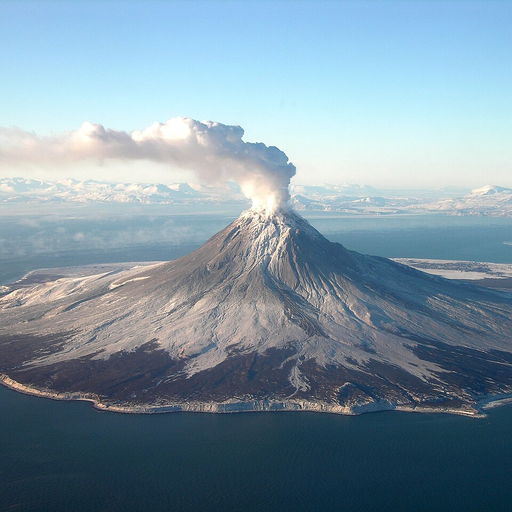 A mountain from which hot melted rock, called lava, can burst out.
- blue
 A colour like a clear sky or the sea.
- printing roller
 A printing roller spreads ink over a block so you can print a picture on paper.
- painter
 An artist who paints pictures. Renaissance painters learned to show people, light and depth more realistically than before. Famous Renaissance painters were Leonardo da Vinci, Michelangelo and Raphael.
1. Look at the wave
Look at the picture. What is the wave about to do?
How many boats can you find?
Where is the mountain?
Is the picture painted or printed?2. Who was Hokusai?
Hokusai drew all through his long life and changed his name more than 30 times. Edo is present-day Tokyo.
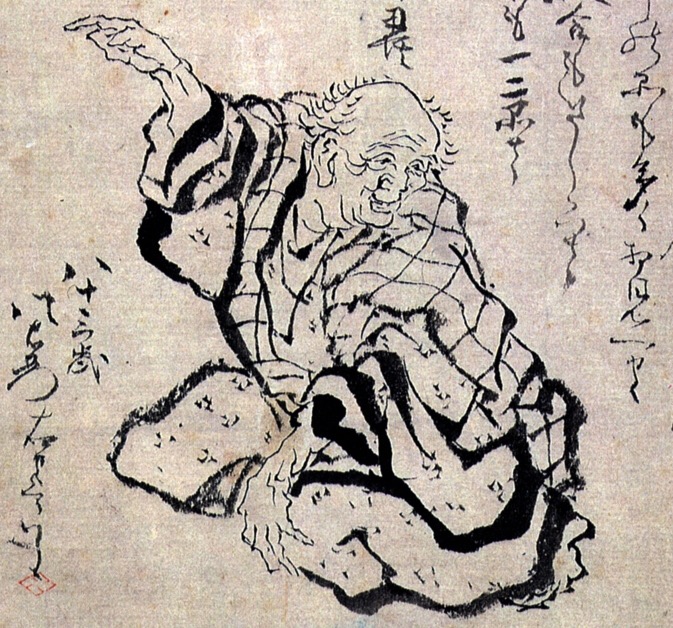
Hokusai drew himself at the age of 83, around 1842.. Photo: Selfportrait at the age of eighty-three (crop), Katsushika Hokusai, Public domain, modified: reduced in size - 1760 Born in Edo, present-day Tokyo
- 1814 The Manga sketchbooks begin to appear
- 1831 The Great Wave: Hokusai is about 70
- 1842 Self-portrait at the age of 83
- 1849 Dies at the age of 88
3. A woodblock print is the work of three people
The artist draws the picture on paper. The carver cuts it into a wooden block. The printer spreads colour on the block and presses paper against it. Each colour gets its own block.
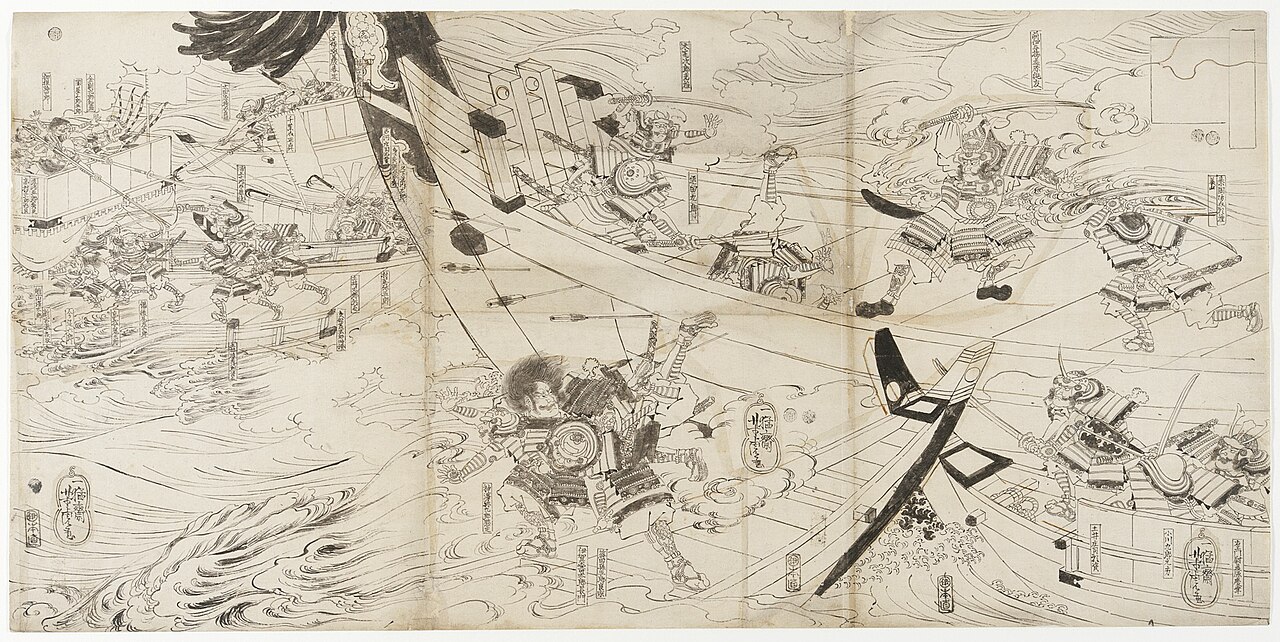
Utagawa Yoshitora: sketch for a three-part woodblock print (1800s). First the artist drew the picture on paper.. Photo: Preparatory Sketch for Woodblock Print Triptych: Battle at Sea, Utagawa Yoshitora, Public domain, modified: reduced in size 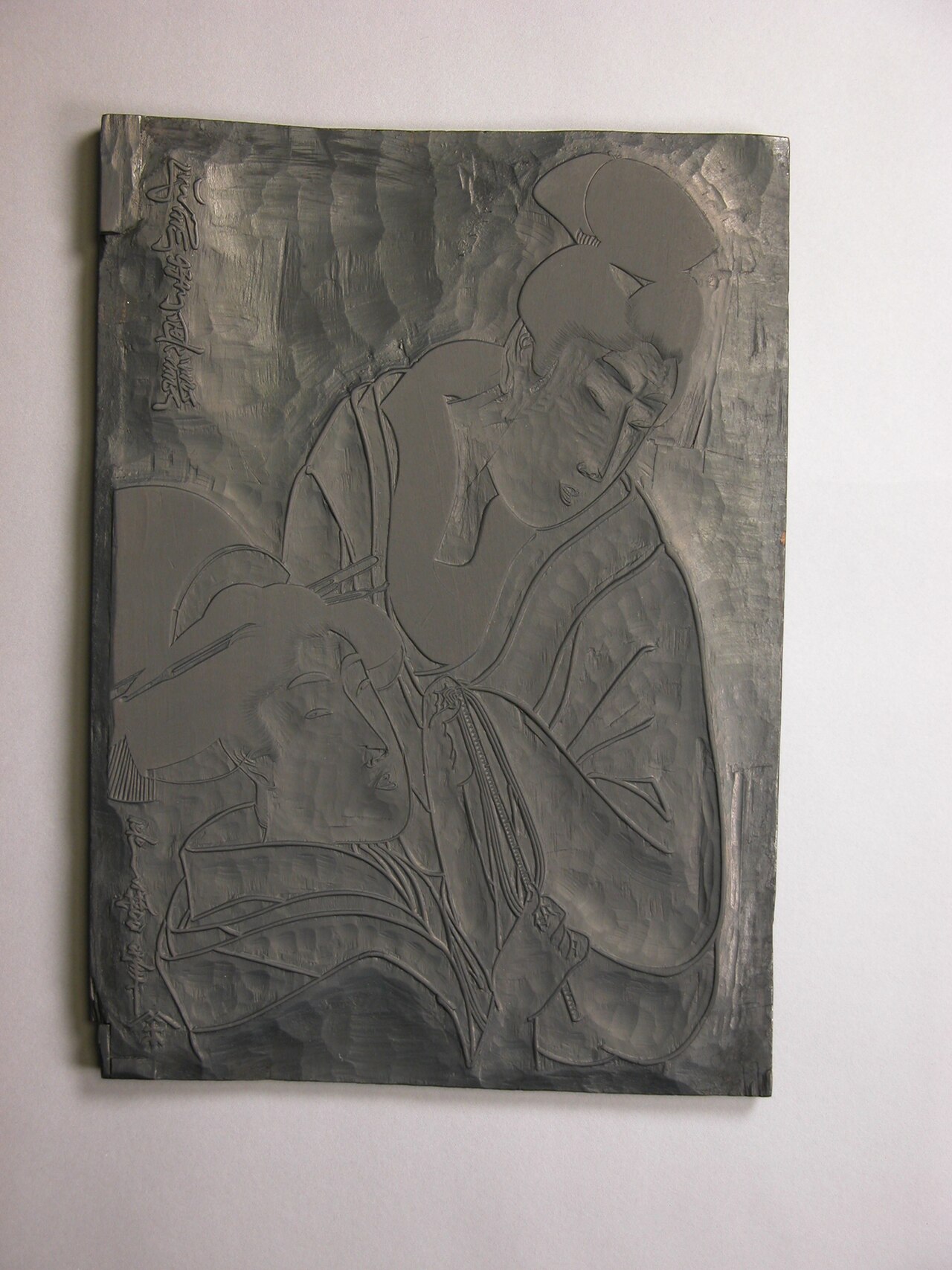
A block for a picture by Kitagawa Utamaro, from the collection of the Metropolitan Museum of Art. The carver cut away everything except the lines that were to be printed.. Photo: Printer's woodblock for a Kitagawa Utamaro print, Tuntematon kaivertaja (Kitagawa Utamaron kuvaa varten), Metropolitan Museum of Art, CC0, modified: reduced in size 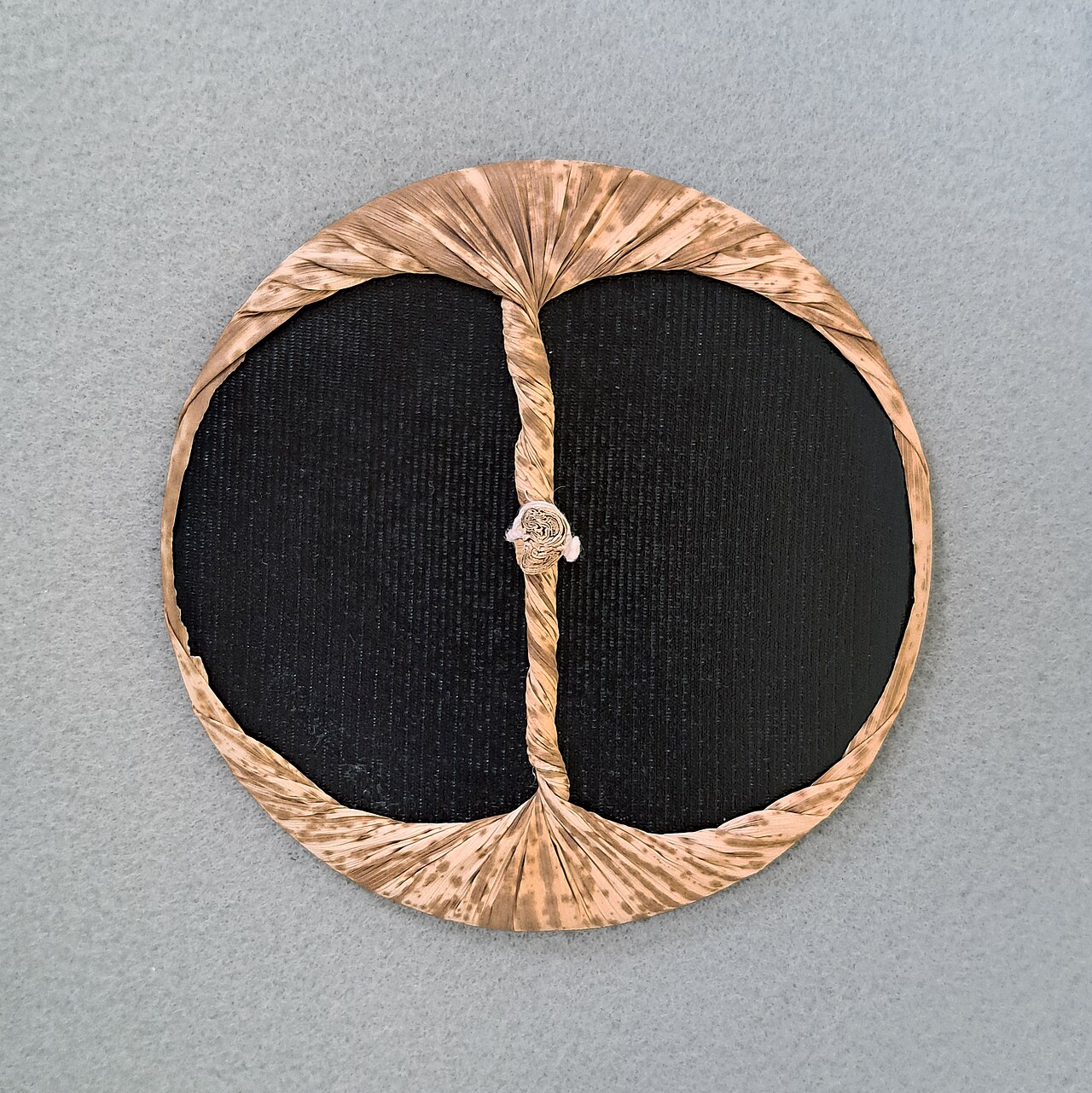
The baren is the printer's tool. It is rubbed on the back of the paper, which lies against the block, so that the colour passes onto the paper.. Photo: Baren (Soka Art Museum), Tiouraren (Y.-C. Tsai), CC BY-SA 4.0, modified: reduced in size 4. A closer look at The Great Wave
The wave rises above the boats, and the foam reaches out like claws. The wave pauses just before it crashes down. Three boats struggle in the rough sea. Far away a small Fuji can be seen. The blue of the wave is Prussian blue, which was imported from Europe.
Katsushika Hokusai: The Great Wave off Kanagawa (around 1831). Colour woodblock print. The mountain in the middle of the picture is Fuji.. Photo: The Great Wave Off the Coast of Kanagawa (c. 1831), Katsushika Hokusai, Public domain, modified: reduced in size 5. Mount Fuji again and again
The Great Wave belongs to the series 36 Views of Mount Fuji. Hokusai showed the same mountain in different weather and from different places. In one picture the morning light turns the mountain red, in another there is lightning at the foot of the mountain.
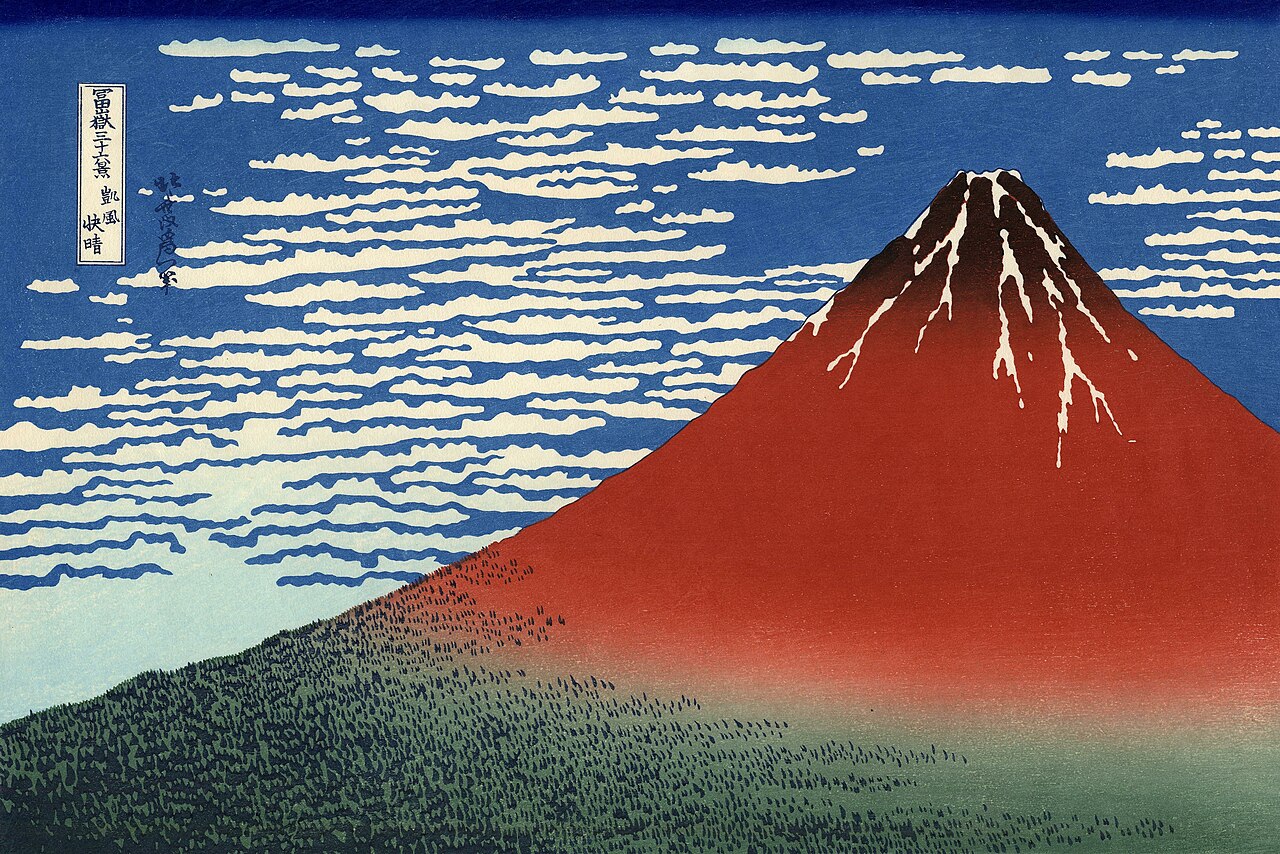
Hokusai: Red Fuji (around 1831). On a clear morning the sunlight turns the mountain red.. Photo: Red Fuji southern wind clear morning, Katsushika Hokusai, Public domain, modified: reduced in size 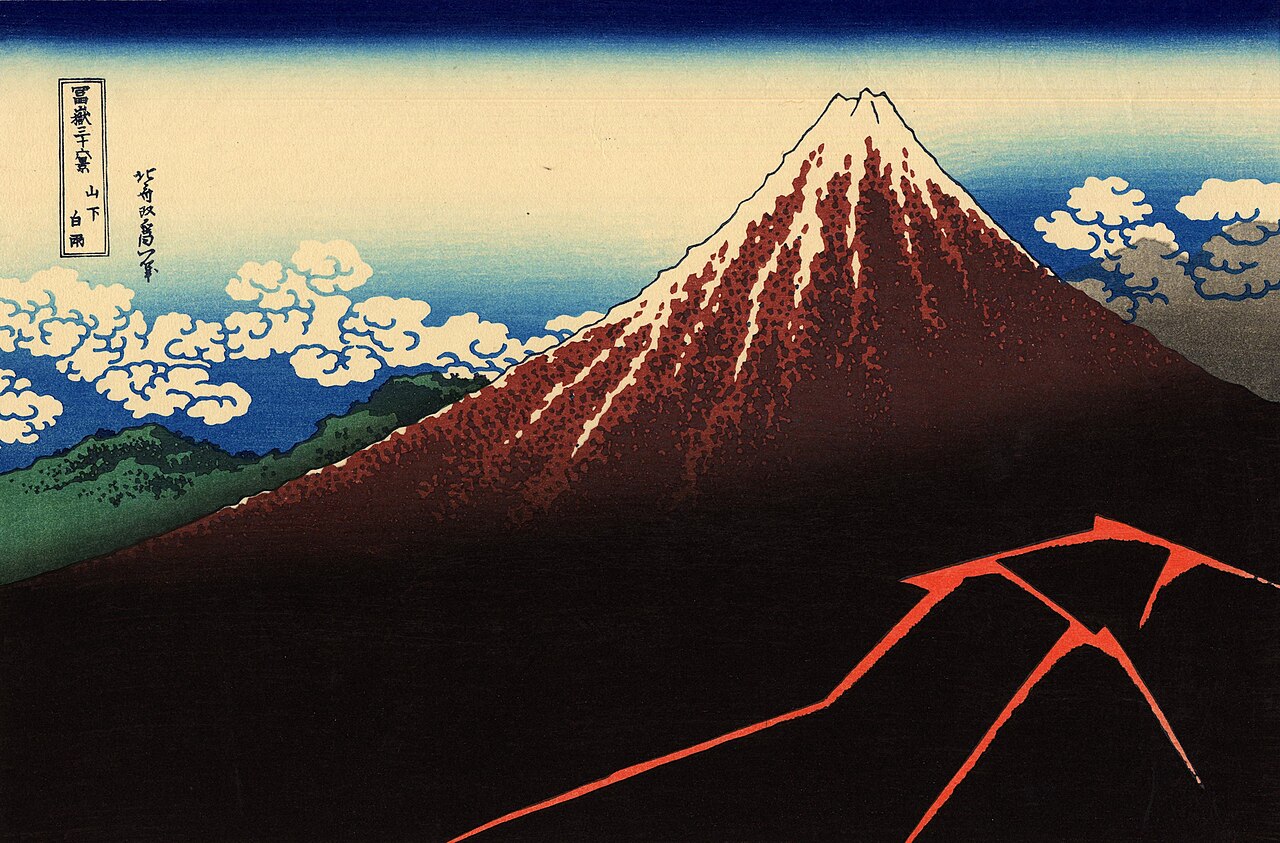
Hokusai: Storm at the Foot of the Mountain (around 1831). There is lightning down below, but the summit is in clear light.. Photo: Lightnings below the summit, Katsushika Hokusai, Public domain, modified: reduced in size 6. Japanese pictures travel to Europe
When Japan opened its ports, woodblock prints spread to Europe. The painters Van Gogh and Monet collected them and learned from them.
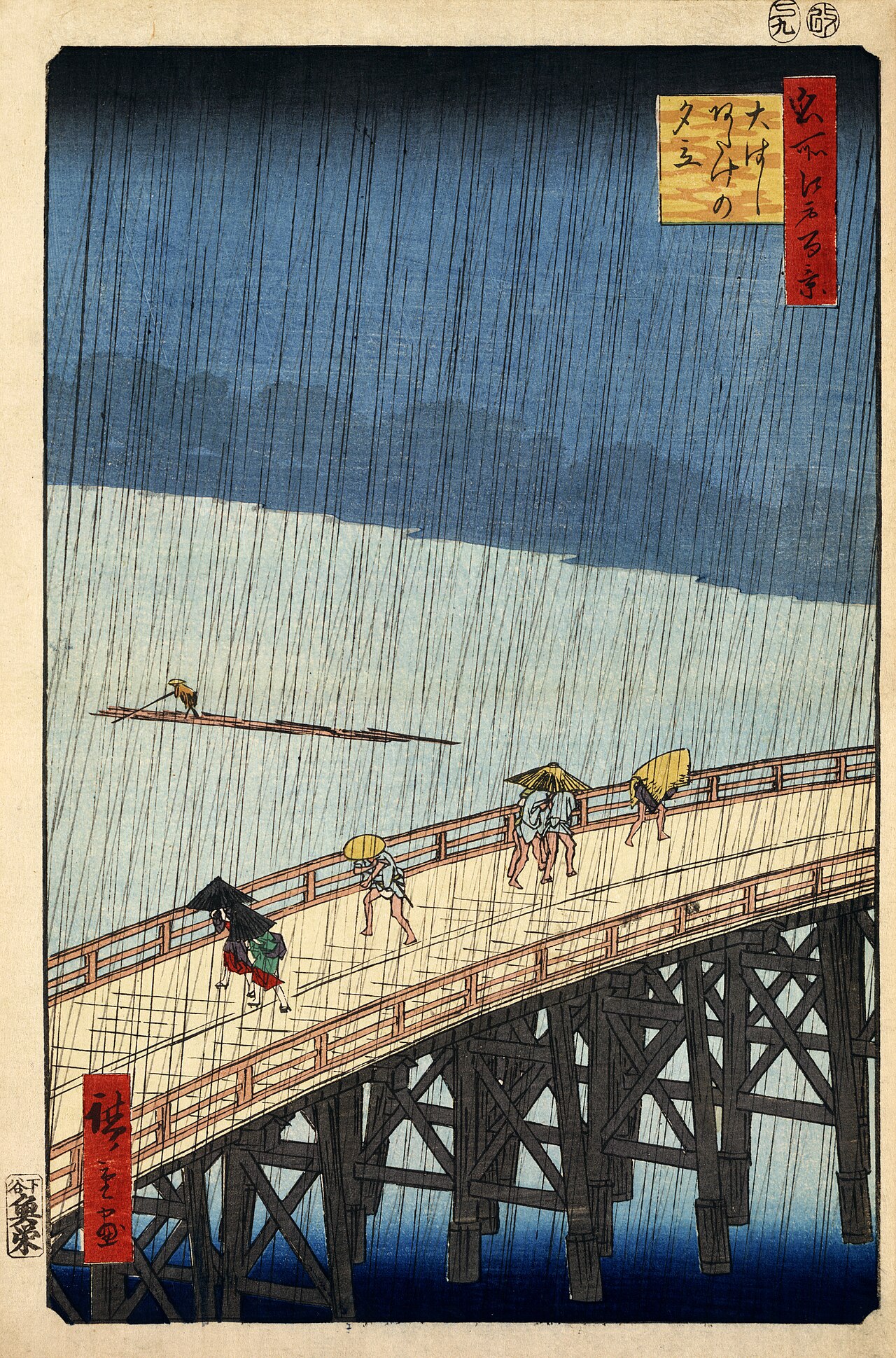
Utagawa Hiroshige: Sudden Shower over Shin-Ōhashi Bridge (1857).. Photo: Sudden shower over Shin-Ōhashi bridge and Atake, 1857, Utagawa Hiroshige, Public domain, modified: reduced in size 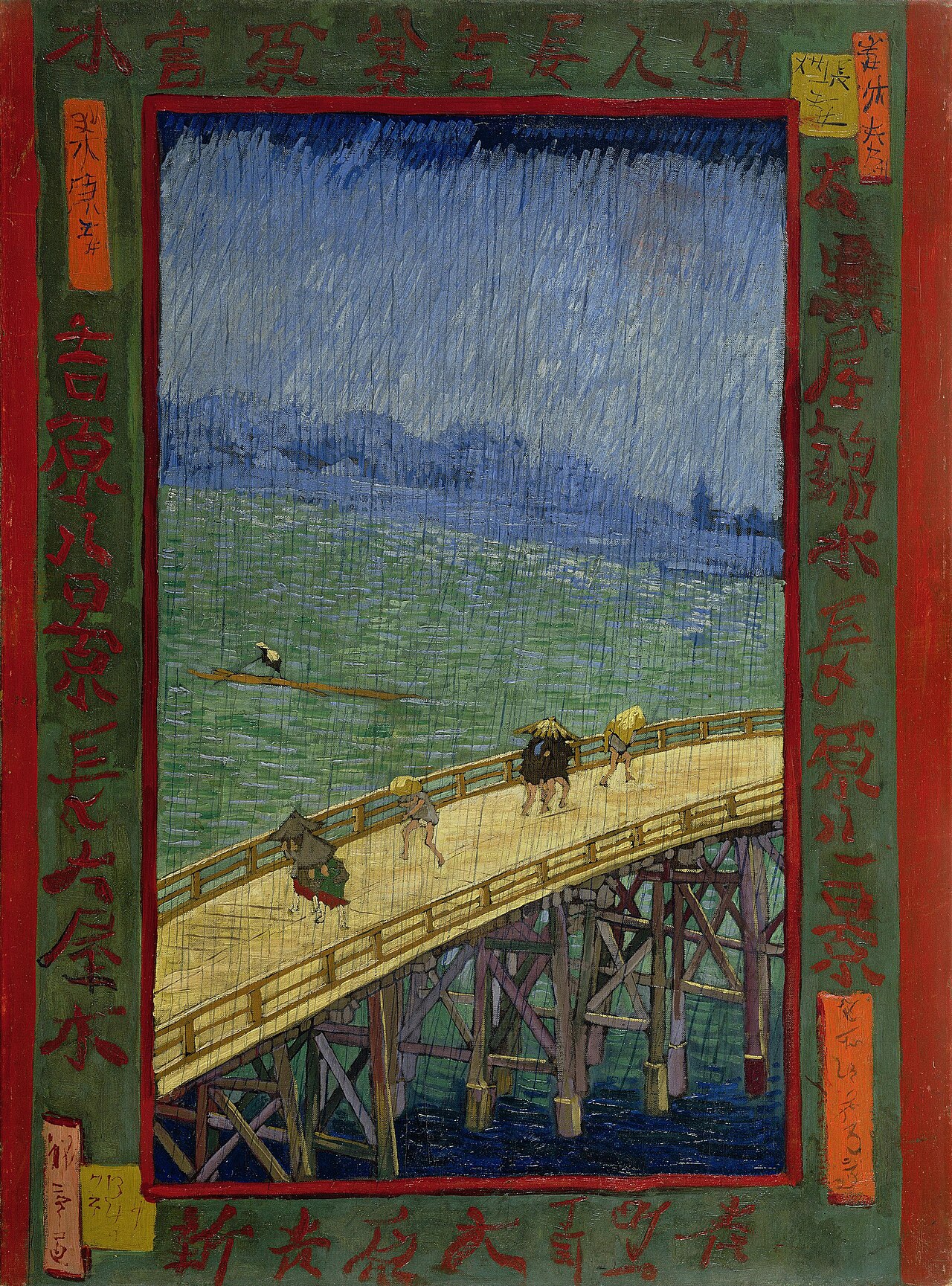
Vincent van Gogh: Bridge in the Rain (1887), painted after Hiroshige's picture. Van Gogh chose his own colours and added a frame around the picture.. Photo: Bridge in the Rain (after Hiroshige), Vincent van Gogh, Public domain, modified: reduced in size 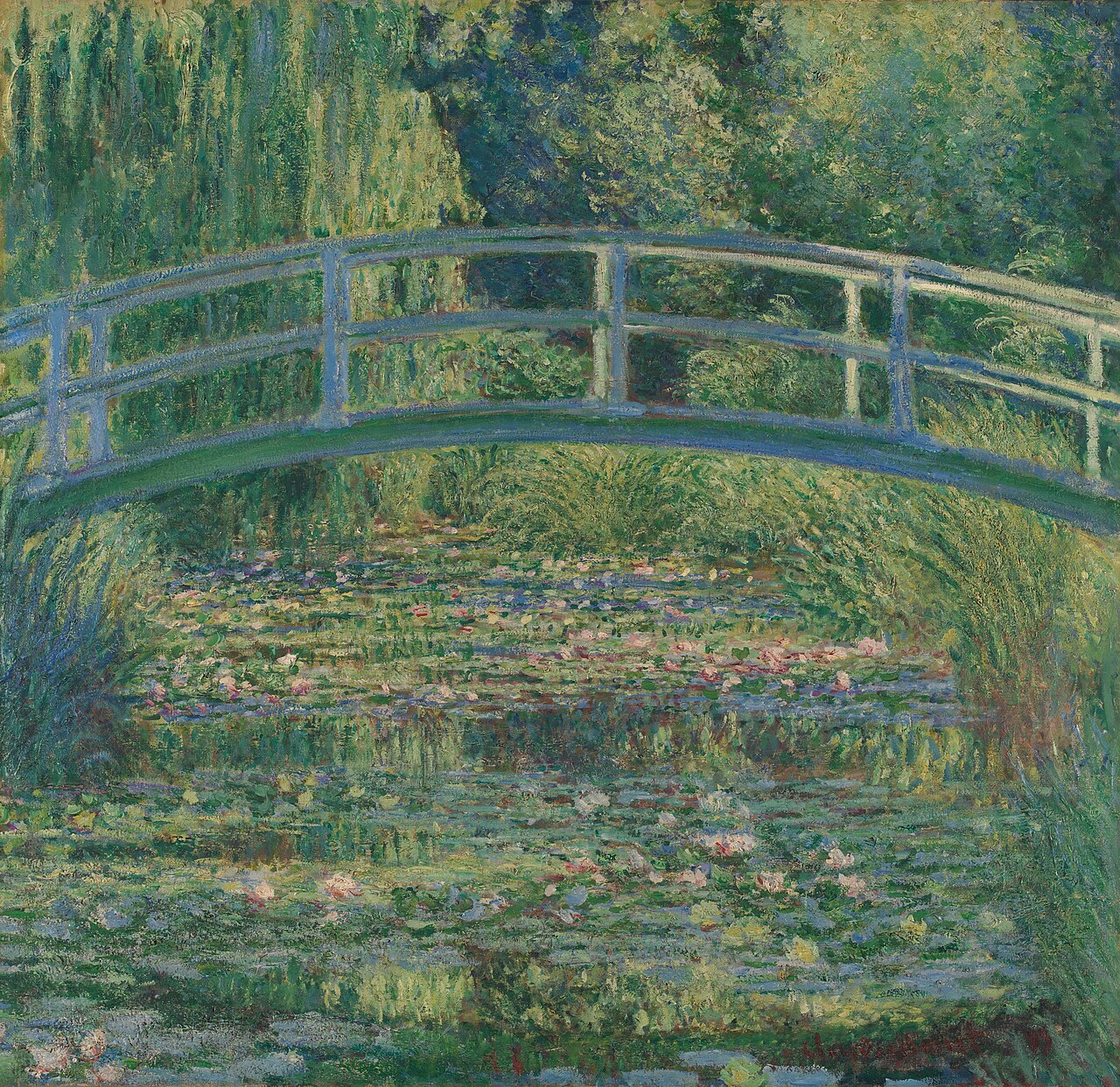
Claude Monet: Water Lily Pond (1899). The Japanese-style bridge in the painting stood in Monet's own garden at Giverny.. Photo: The Water-Lily Pond (1899), Claude Monet, Public domain, modified: reduced in size - 1853–54 Japan opens its ports to foreign trade
- 1857 Hiroshige shows the rain on the bridge
- 1867 Japan at the World's Fair in Paris
- 1887 Van Gogh copies Hiroshige's picture
- 1899 Monet paints the Japanese bridge
7. Try it yourself and think about it
Make a printing plate from a sheet of polystyrene: press a pattern into the sheet with a blunt pencil.
Roll printing ink over the sheet with a printing roller and press it onto paper. What do you notice?
Why can you get many copies of a printed picture, but only one of a painting?
How did Hokusai make the wave look as if it is moving?
What did Van Gogh take from the Japanese picture into his own painting?


Summary
Hokusai (1760–1849) was a Japanese artist who made The Great Wave around 1831. A woodblock print is the work of three people: the artist draws, the carver cuts the blocks and the printer prints the colours onto the paper. Many copies can be printed from the same blocks, so the pictures were cheap. Hokusai showed Mount Fuji in different weather and from different places. In Europe, Van Gogh and Monet admired the Japanese pictures and learned from them.
Frequently asked questions
Is The Great Wave a tsunami?
Probably not. The Japanese title of the picture means the wave off Kanagawa, and the picture shows a large wave on the open sea. A tsunami is usually caused by an earthquake on the seabed, and that is not what is shown here.
Is Hokusai's Manga a comic?
No, even though the word is the same. Hokusai's Manga is a series of books with thousands of small sketches of people, animals, plants and everyday life. Artists used them as models. The first volume appeared in 1814.
What did Van Gogh and Monet learn from Japanese pictures?
They admired clear areas of colour, strong outlines and surprising viewpoints. Van Gogh painted a copy of a picture by Hiroshige in 1887. Monet collected Japanese pictures and had a Japanese bridge built in his garden.
Related content
Try exercises
Have you taught this topic? Create an exercise on it for your class.