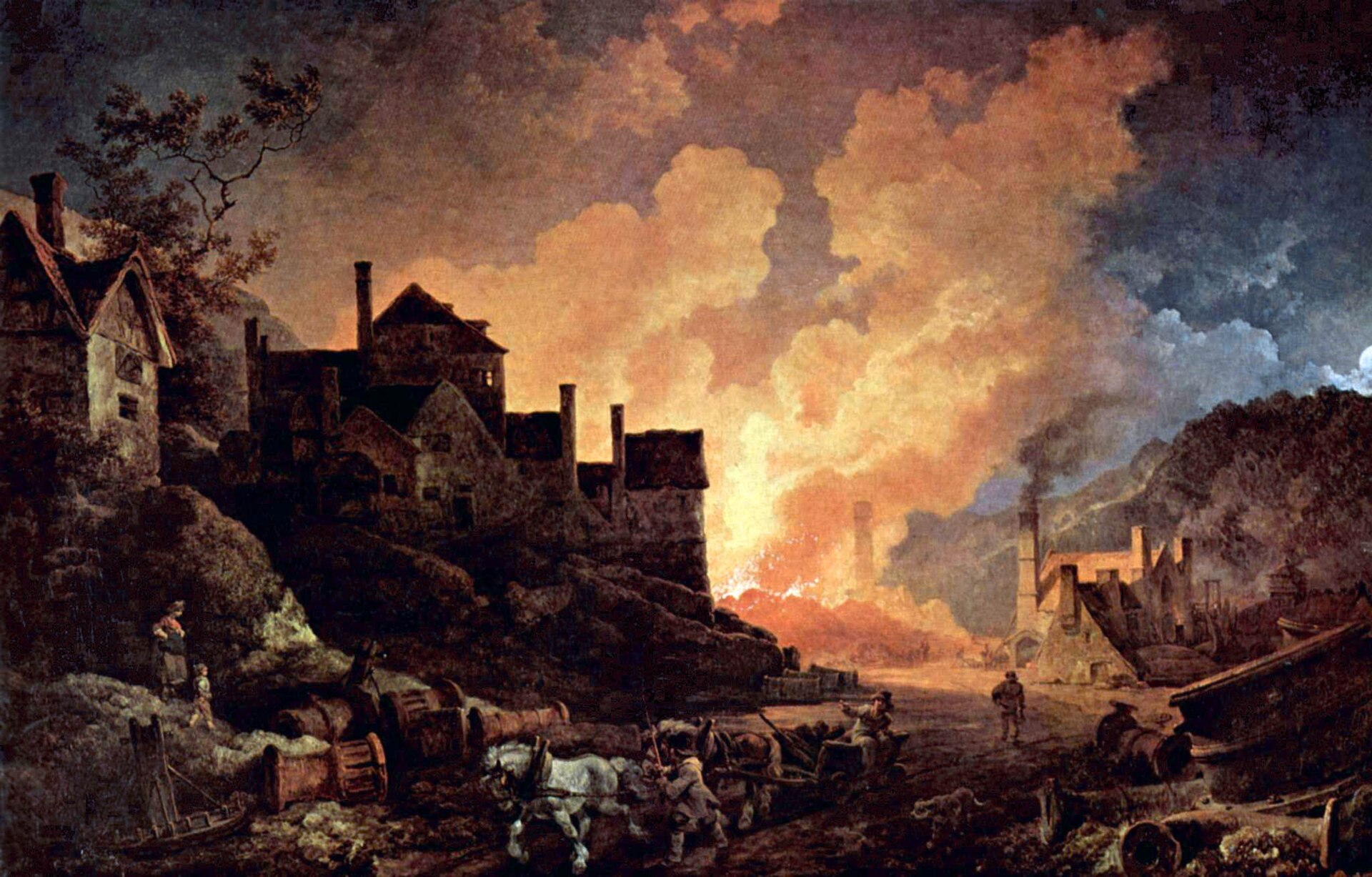

The Industrial Revolution: teaching, slides and questions
The steam engine, factories, railways and the lives of factory workers, with pictures and timelines, for grades 4–6.
Industrialization, or the Industrial Revolution, began in Britain around 1760. The article looks at the period from about 1760 to 1900. It suits history in grades 4–6, and every step can be shown to the class as a slide.
By the end, pupils can tell what industrialization means, why it began in Britain and how it changed people's lives. They know the words steam engine, factory, railway, worker and urbanization.
Key concepts
- industrialization
 Industrialization means the shift from handicrafts and farming to machines and factories. It began in Britain in the late 1700s with the steam engine and textile mills. In Finland it gathered speed in the second half of the 1800s, and people moved from the countryside to the towns.
- steam engine
 A machine that turns the power of steam into movement. James Watt improved the steam engine in the late 1700s, and this started the Industrial Revolution. Steam engines drove factory machines, ships and trains.
- factory
 A building where machines make goods in large numbers. During the Industrial Revolution people moved from the countryside to towns to work in factories. One of Finland's first big factories was the Finlayson cotton mill in Tampere, founded in 1820.
- factory worker
 A person who worked in a factory. In the 1800s a working day could be 12 to 14 hours long, and children worked too. Workers began to form trade unions to fight for better conditions.
- steam locomotive
 An engine powered by steam that pulls a train. Railways made travel and the transport of goods much faster. Finland's first railway opened between Helsinki and Hämeenlinna in 1862.
- telephone
 A device for talking with someone far away. Alexander Graham Bell patented the telephone in 1876. Finland's first telephone line opened in Helsinki as early as 1877.
- light bulb
 A lamp that runs on electricity. In the late 1870s Thomas Edison developed a light bulb that lasted a long time. In Finland, electric lights were first switched on at the Finlayson factory in Tampere in 1882.
- cotton
 A soft fibre from a plant that is made into cloth and clothes.
Related exercises
There is no exercise for this topic yet
Teacher or creator: make the first exercise with Puro Editor and choose Industrialization as its topic. It will appear here as soon as it is published.
1. What do you know about industrialization?
How were goods made before factories?
What does a steam engine do?
Why did people move from the countryside to the cities?
Which invention has changed everyday life the most?2. Before: work was done by hand
Before factories, most people lived in the countryside and farmed the land. Goods were handmade, and thread was spun at home by hand. Around 1760 a great change began in Britain. It is called the Industrial Revolution.
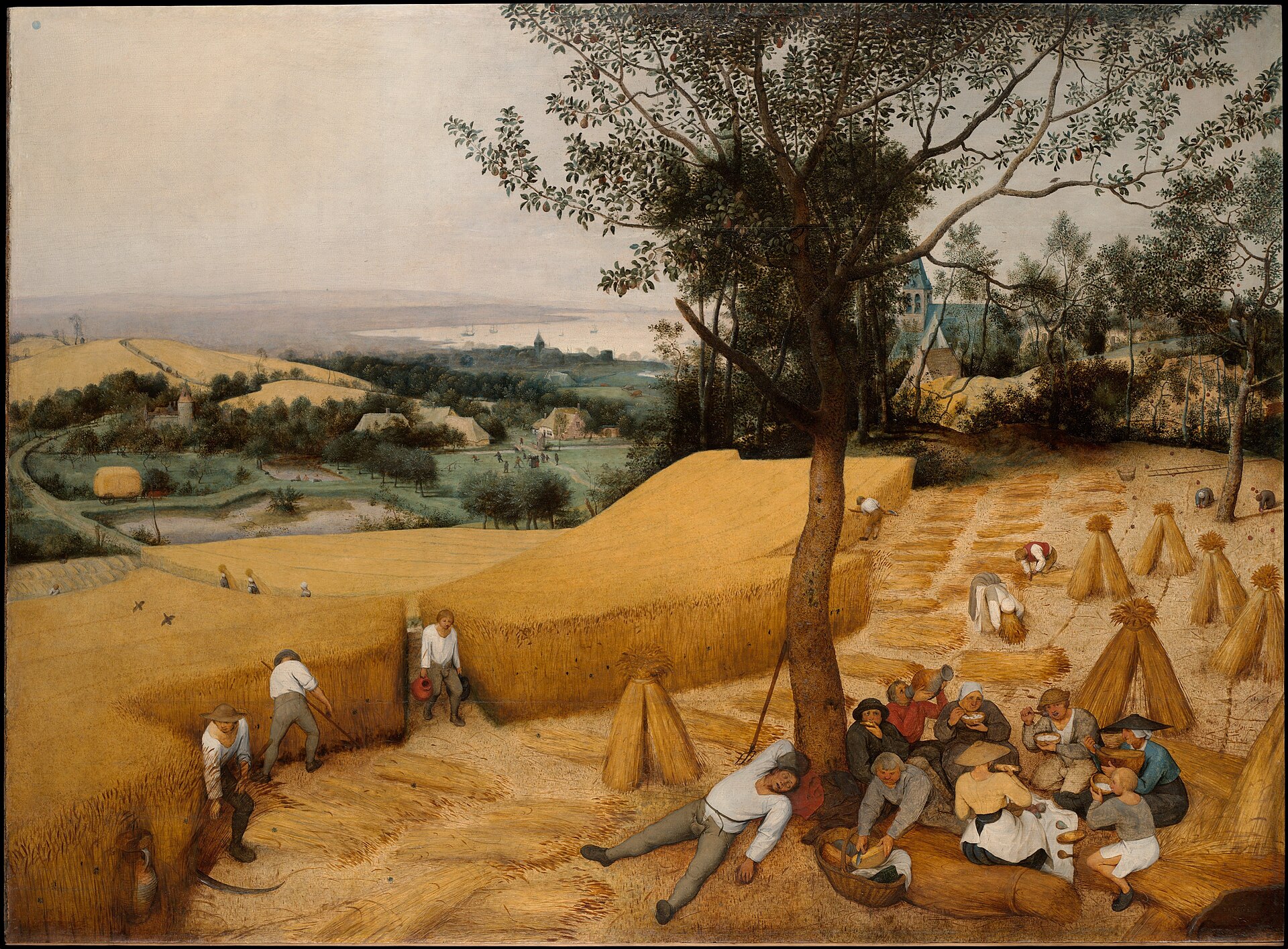
Peasants harvest grain by hand. Pieter Bruegel the Elder painted the picture in 1565.. Photo: The Harvesters, Pieter Bruegel vanhempi, Public domain, modified: reduced in size 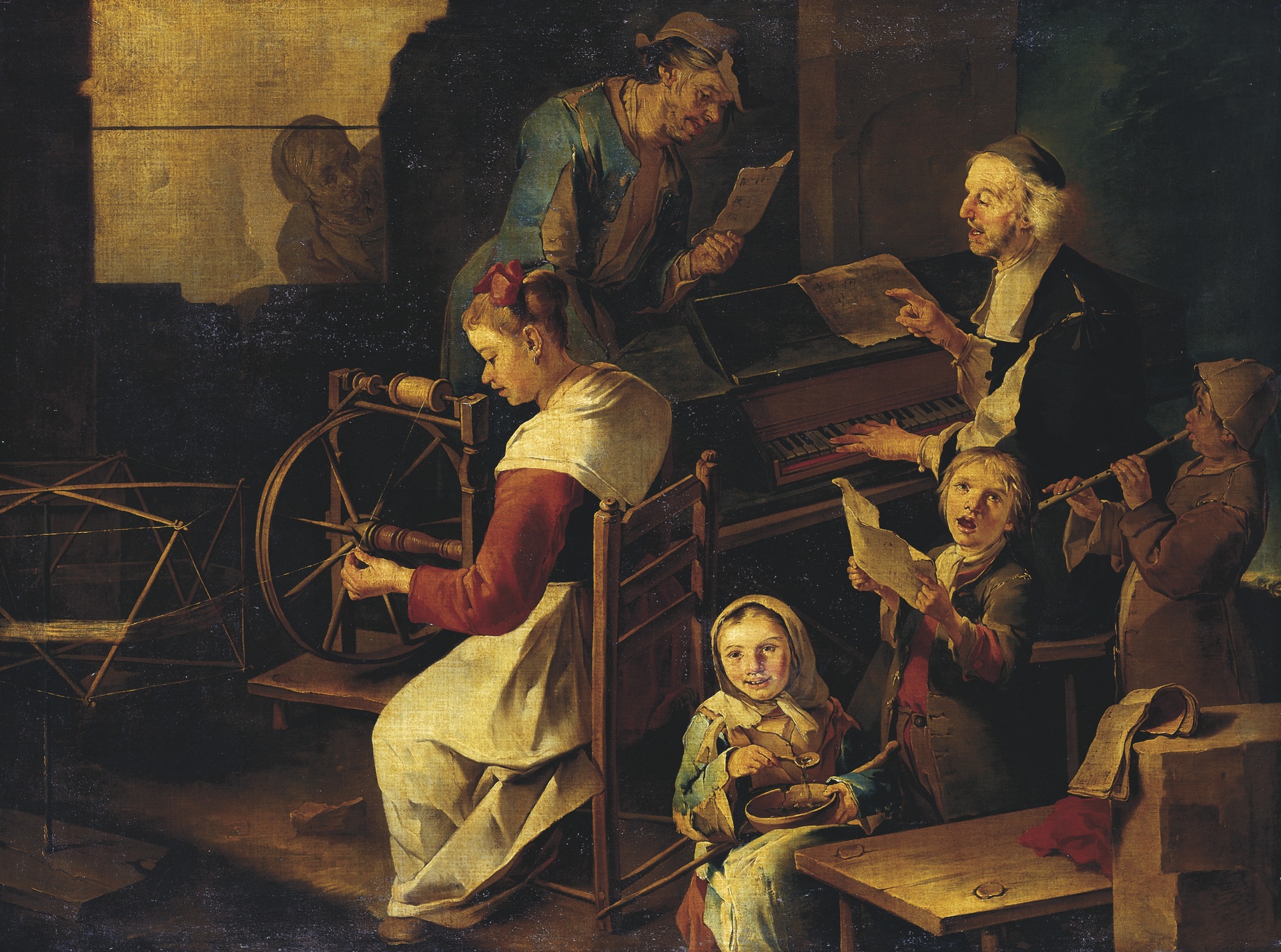
A woman spins thread at home with a spinning wheel. Painting by Giacomo Francesco Cipper.. Photo: Domestic Scene with Musicians and Woman Spinning (SM 2173), Giacomo Francesco Cipper, Public domain, modified: reduced in size and converted to JPEG format 3. Coal and the steam engine
Britain had a lot of coal and iron. Water had to be pumped out of the mines. Thomas Newcomen's steam engine did this around 1712. James Watt improved the engine in the 1760s, and it used less coal.
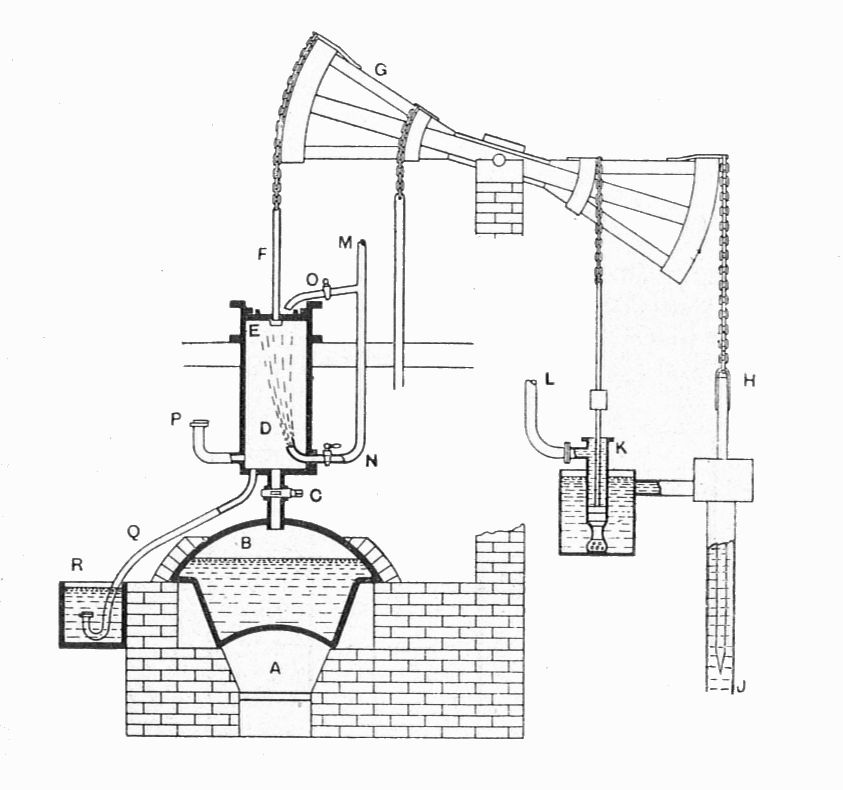
Drawing of Newcomen's steam engine. The engine pumped water out of mines.. Photo: Newcomen atmospheric engine (Heat Engines, 1913), Andy Dingley (skannaus); kirja Heat Engines, 1913, Public domain, modified: reduced in size 4. Machines and the factory
New machines spun thread and wove cloth much faster than a person. The machines were driven by a water wheel or a steam engine. The machines were moved into big factories. Britain had the most cotton mills.
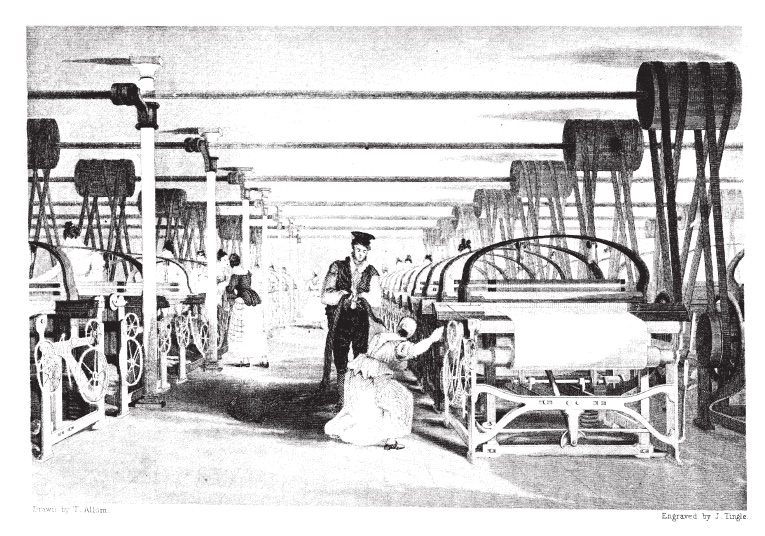
A cotton weaving mill in Britain in an engraving from 1835. The machines were driven by shafts and belts on the ceiling.. Photo: Baines 1835 - Weaving Shed, Thomas Allom (piirros), J. Tingle (kaiverrus); kirja Baines 1835, Public domain, modified: reduced in size and converted to JPEG format 5. The factory town and the workers
People moved from the countryside to factory towns, and the towns grew fast. The smoke and pollution from the factories dirtied the air, and homes were cramped. Factory workers worked in the factories, including women and children. Working days were long and the work was often dangerous.
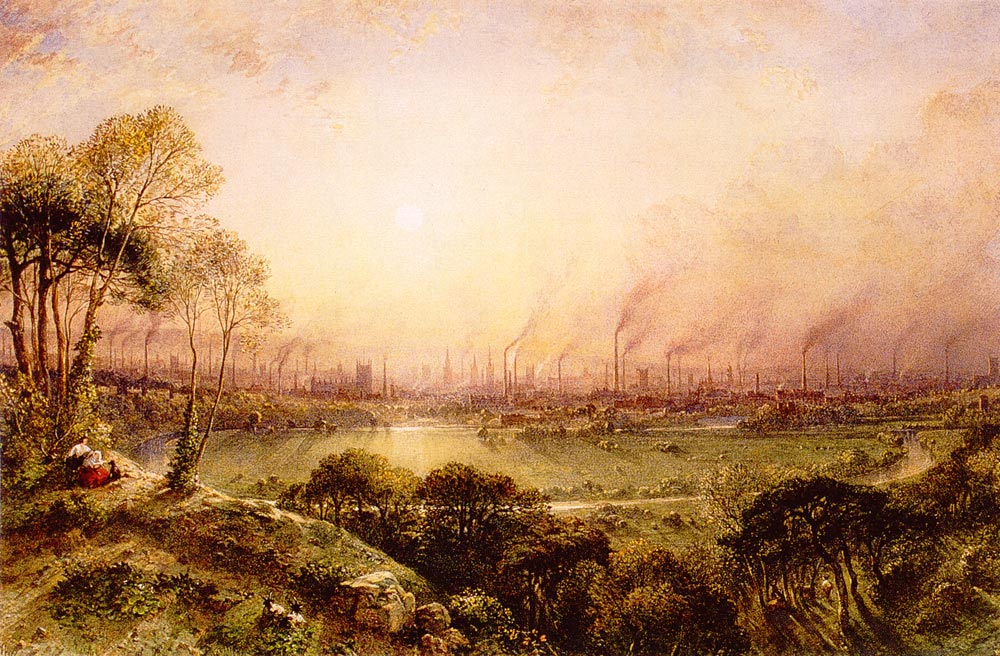
Manchester painted in 1857. Factory chimneys and smoke can be seen on the horizon. William Wyld.. Photo: Manchester from Kersal Moor (1857), William Wyld, Public domain, modified: reduced in size 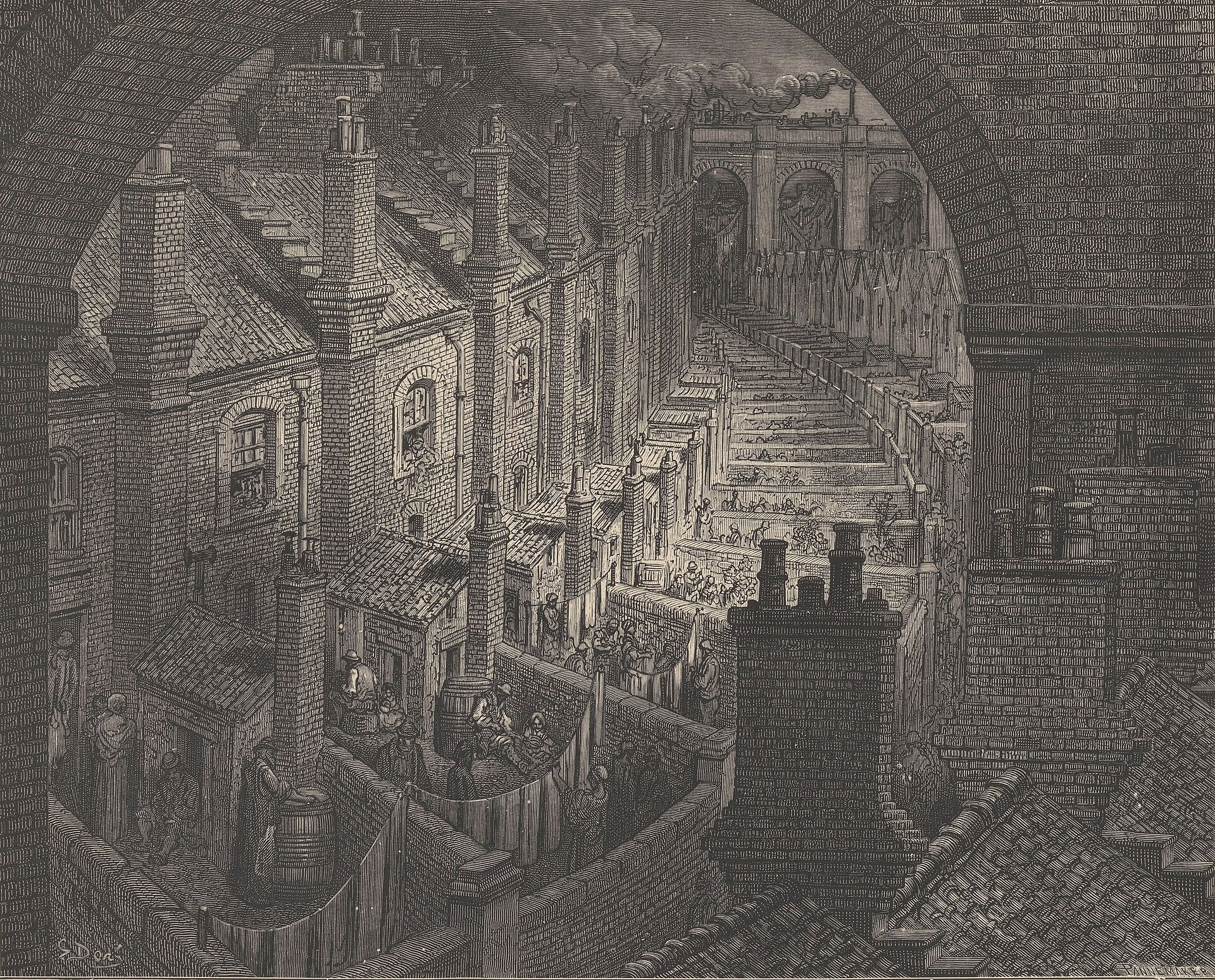
Cramped homes in London. A railway line runs in the distance. Gustave Doré, book from 1872.. Photo: Over London - by Rail (London: A Pilgrimage, 1872), Gustave Doré (kuva), Adolphe François Pannemaker (kaiverrus), Public domain, modified: reduced in size 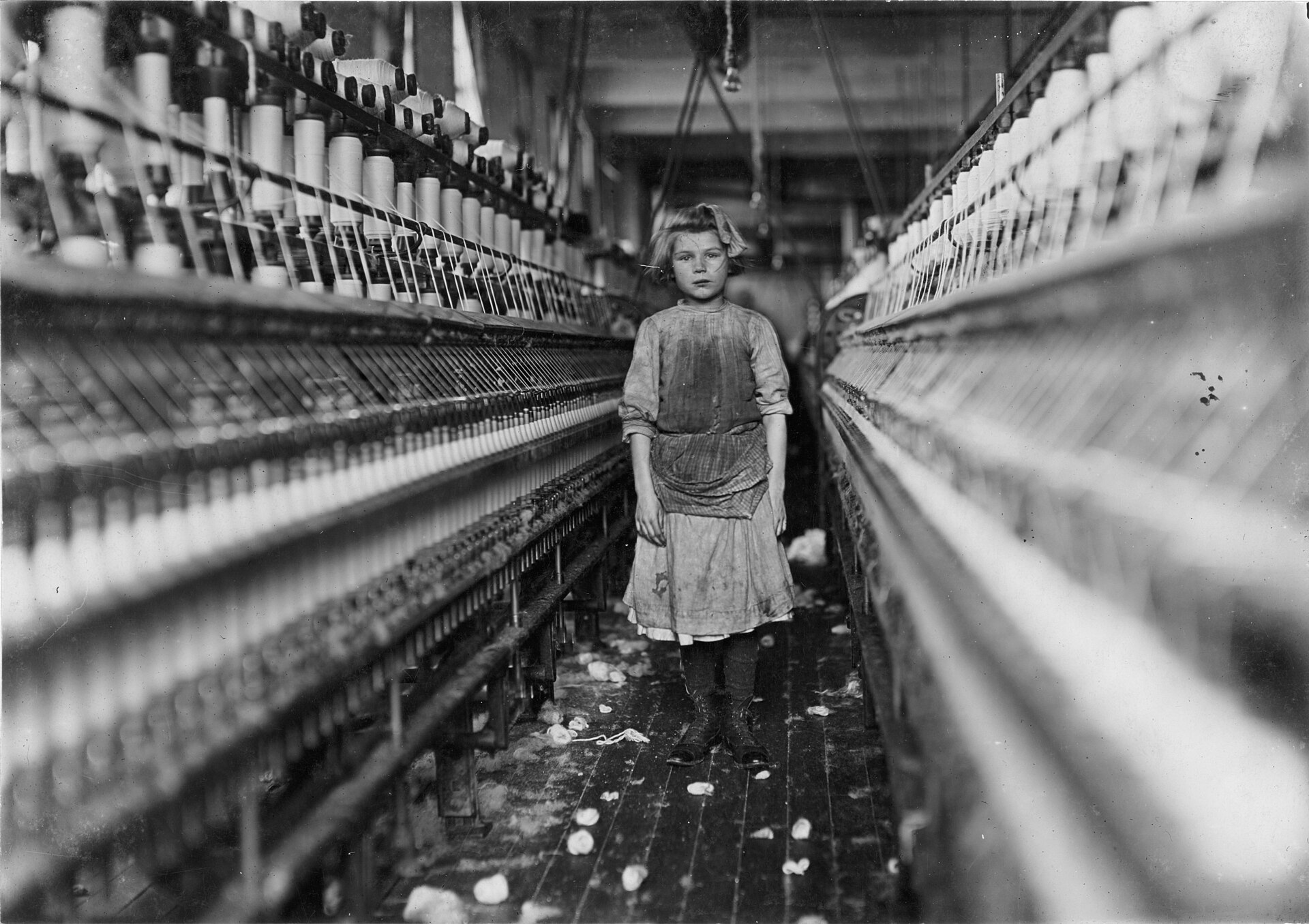
A girl in a cotton mill in the United States in 1909. Children also worked in factories in Europe. Photographer Lewis Hine.. Photo: Spinner in Globe Cotton Mill, Augusta, Georgia, 1909, Lewis Hine, Public domain, modified: reduced in size 6. Railways, ships and inventions
The steam locomotive and the steamship made journeys and the transport of goods faster. Railways connected cities. Then new devices were invented, such as the telephone and the light bulb. The first laws limited children's work.
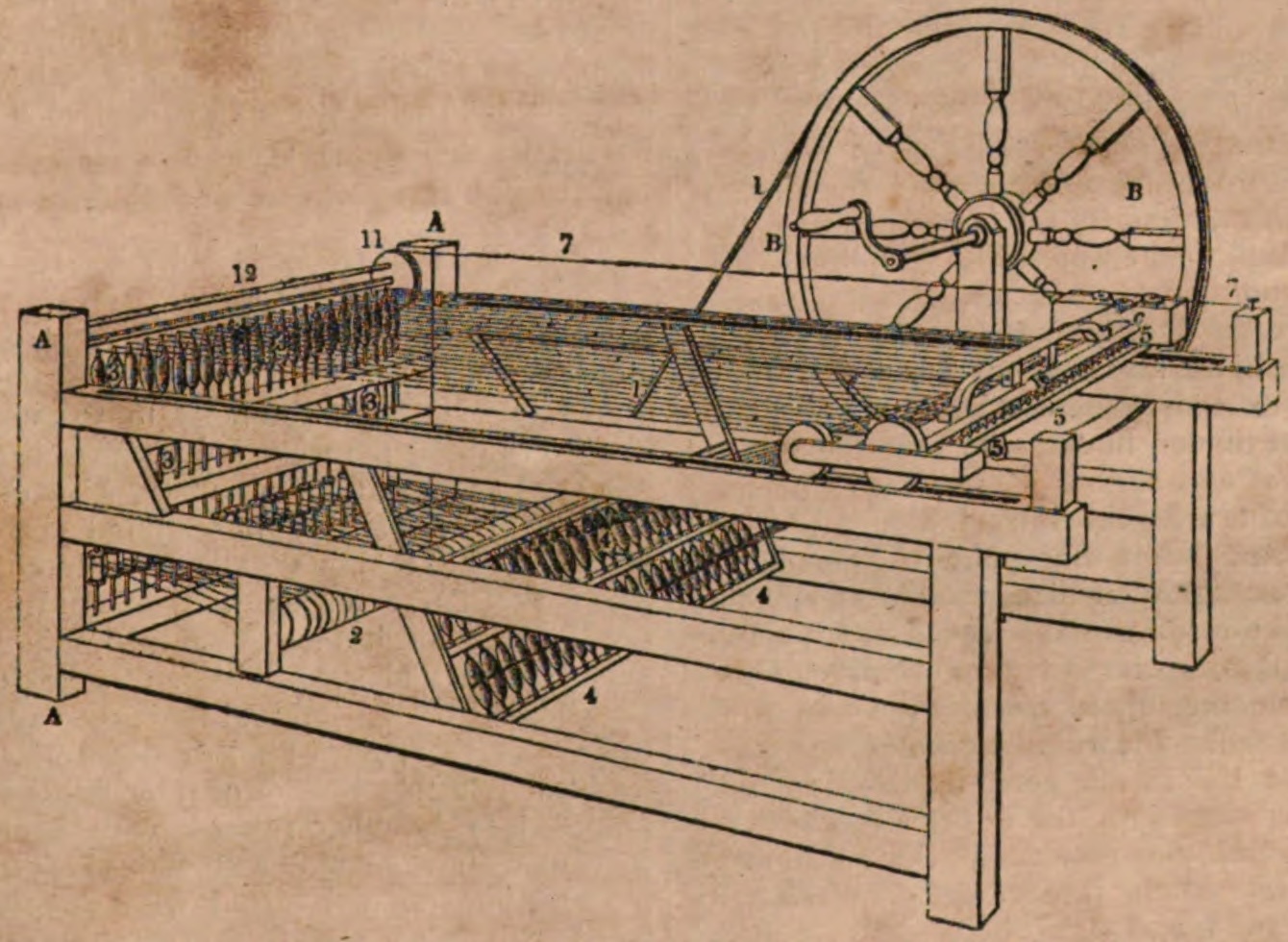
Hargreaves's spinning machine. The big wheel was turned by hand, and the machine had many spindles. Picture from 1836.. Photo: Penny Magazine 1836 269 Hargreaves' Spinning Jenny, tuntematon kaivertaja (The Penny Magazine, 1836), Public domain, modified: reduced in size 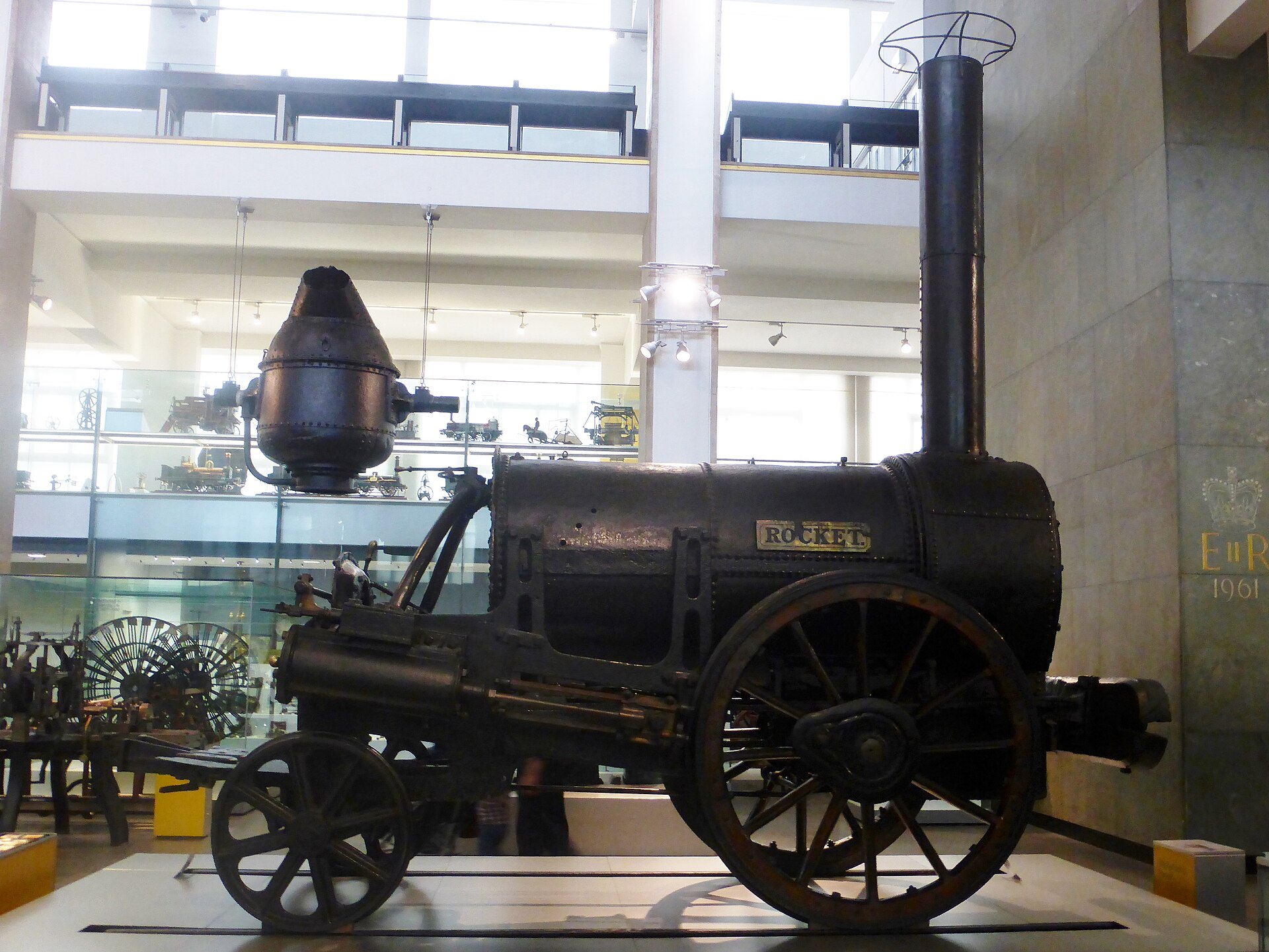
The locomotive Rocket in the Science Museum in London. The locomotive was completed in 1829 and was altered while in use.. Photo: Stephenson's Rocket 1829 (17179632266), Train Photos, CC BY-SA 2.0, modified: reduced in size 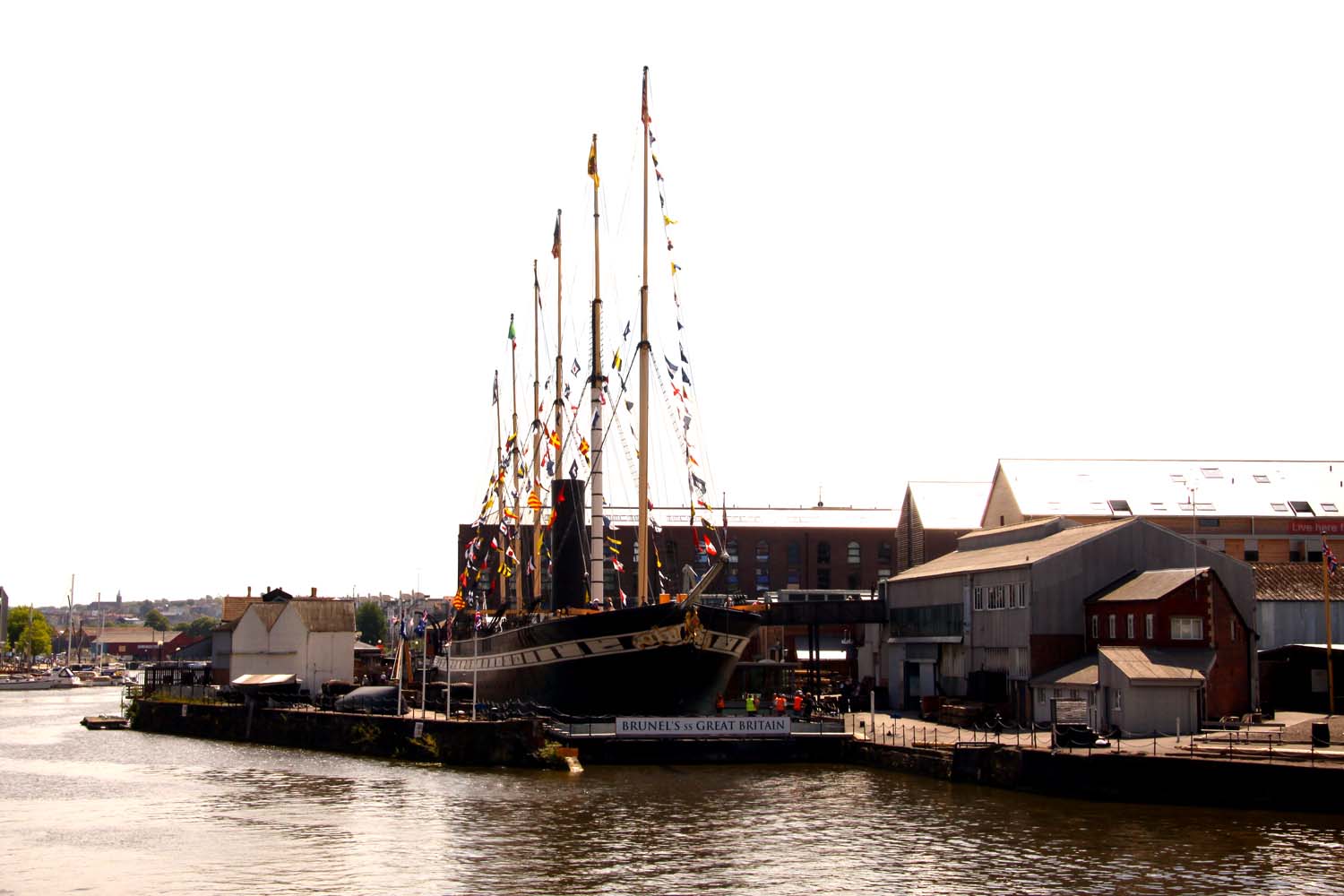
The SS Great Britain in Bristol. The ship was launched in 1843. It had an iron hull and a steam engine.. Photo: The SS Great Britain in the dry dock, Steve Daniels, CC BY-SA 2.0, modified: reduced in size 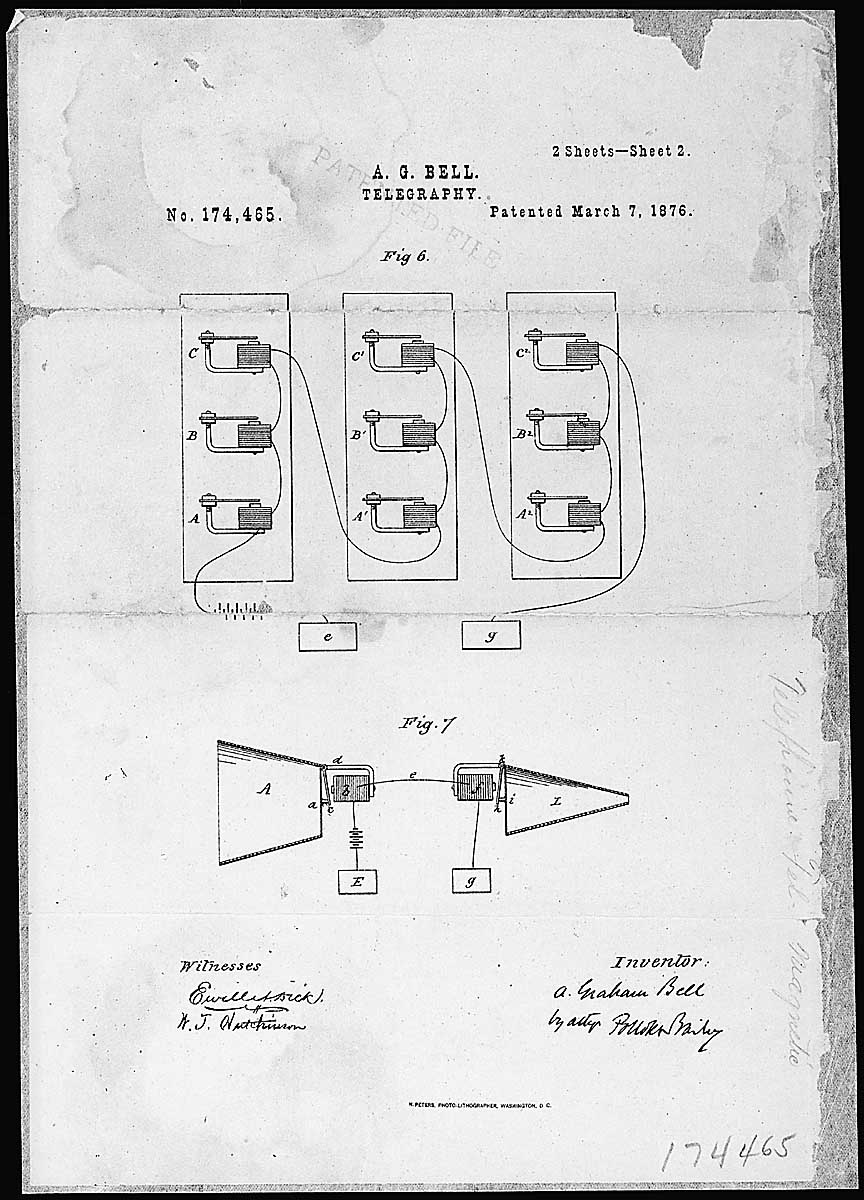
Alexander Graham Bell's patent drawing from 1876. With the device, speech travelled along a wire.. Photo: Alexander Graham Bell's Telephone Patent Drawing and Oath - NARA - 302052 (page 2), Alexander Graham Bell, Public domain, modified: reduced in size 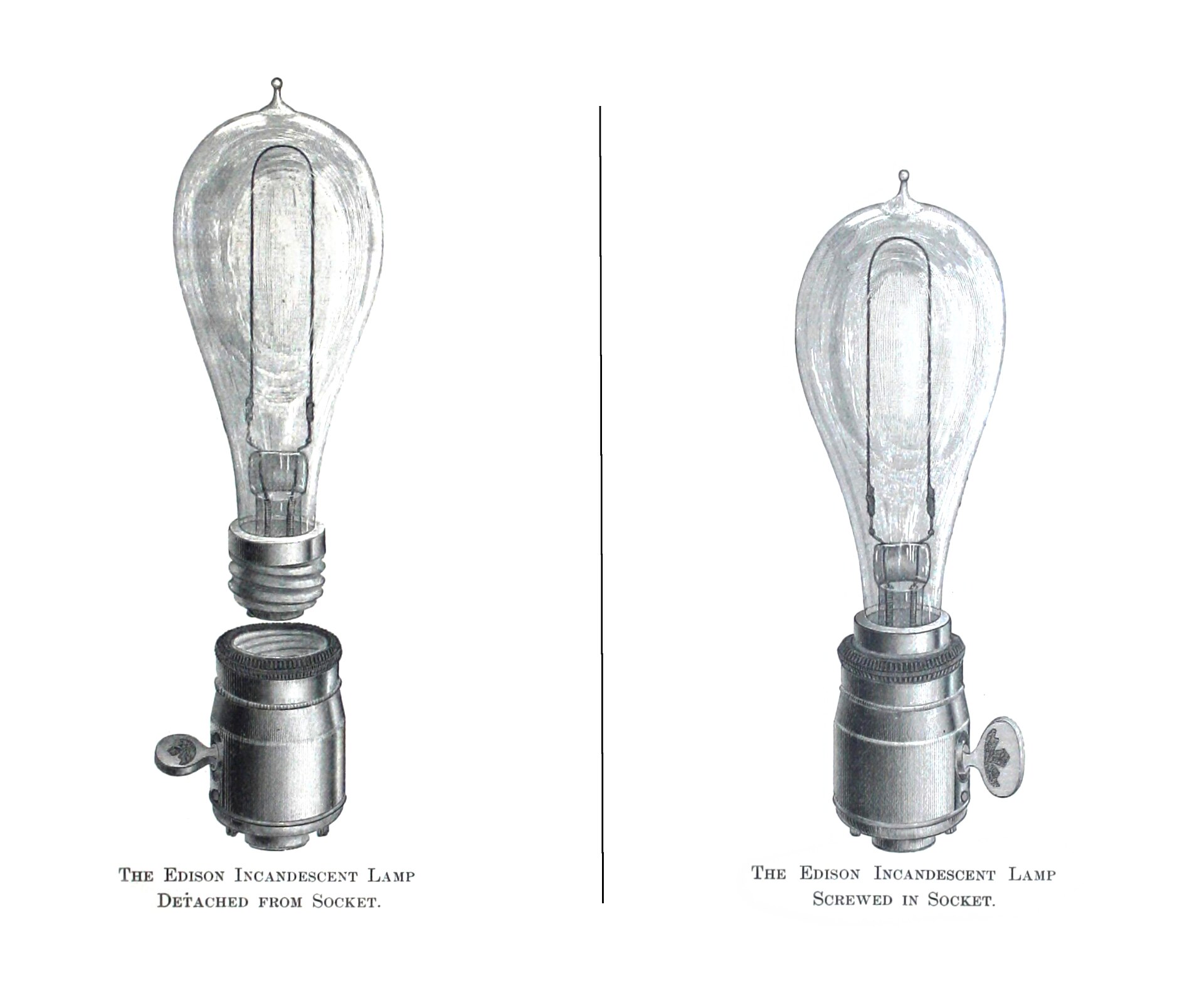
Edison's drawing of the light bulb. The bulb was screwed into its socket.. Photo: The Edison Incandescent Lamp detached from and screwed in socket, tuntematon, Public domain, modified: reduced in size - about 1765 Hargreaves invents a spinning machine that spins many threads at once
- 1830 The Liverpool and Manchester railway opens. The locomotive Rocket dates from 1829.
- 1833 A British law limits child labour in textile factories
- 1843 The iron-hulled steamship SS Great Britain is launched
- 1876 Alexander Graham Bell receives a patent for the telephone
- about 1879 Edison and Swan develop the light bulb
7. Think in pairs
Why did machines and factories change people's lives?
What was good and what was bad about factory work?
Why did a law limit children's work?
Which invention has changed your everyday life the most?


Summary
Industrialization, or the Industrial Revolution, began in Britain around 1760. Coal and the steam engine brought new power. Machines were moved into factories, and the cotton industry came first. People moved to the cities, which is called urbanization. The factory workers' working days were long, and children worked too. Railways, steamships, the telephone and the light bulb changed everyday life.
Frequently asked questions
Why did industrialization begin in Britain?
Britain had a lot of coal and iron. It had ports and trade with the rest of the world, and a lot of cloth was sold. Merchant ships brought raw materials such as cotton. Many things came together, and one reason is not enough.
Did James Watt invent the steam engine?
No. Thomas Newcomen built the steam engine around 1712, and it pumped water out of mines. James Watt improved the engine, and his patent dates from 1769. The improved engine used less coal and was also used in factories.
When did children get out of the factories and into school?
Not all at once, but gradually. A British law limited child labour in textile factories in 1833. In 1870 a law was passed in England and Wales that brought more schools. The change took decades, and it did not happen in every country at the same time.