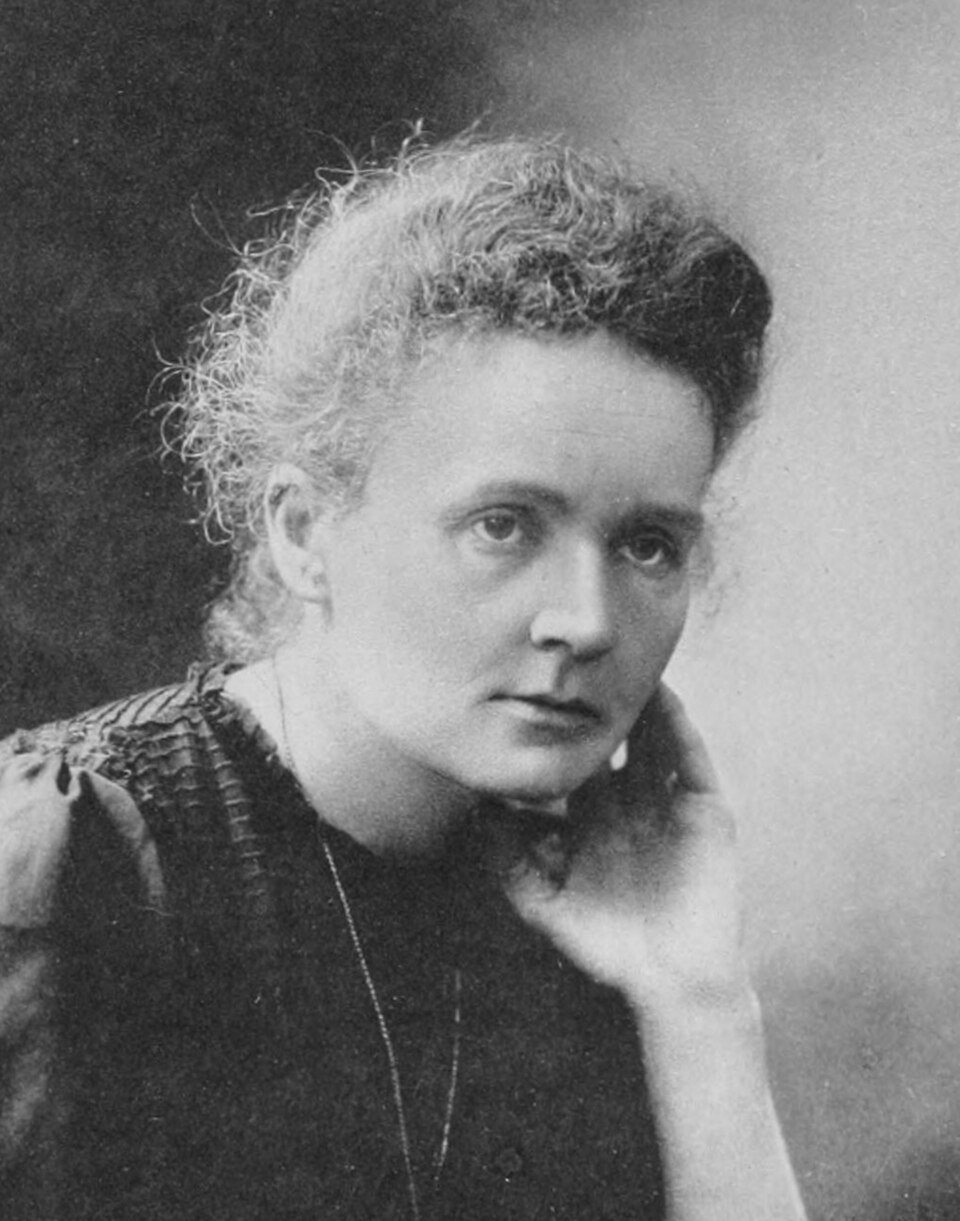

Marie Curie: scientist and two Nobel Prizes
Marie Curie's life, the discovery of polonium and radium and two Nobel Prizes in pictures and maps. Slides and questions for grades 4–6.
Marie Curie was born in Poland and did her research in Paris. Together with her husband Pierre Curie she discovered two new elements, and she won two Nobel Prizes. The article suits history in grades 4–6, and every step can be shown to the class as a slide.
By the end, pupils can tell who Marie Curie was and where she came from. They know what the Curies discovered and why Marie won two Nobel Prizes. They can explain how Marie Curie's work helped doctors and why radioactive materials are handled with care. They know the words scientist, element, atom and X-ray machine.
Key concepts
- scientist
 A person who finds things out by observing, testing and measuring.
- element
 An element is a substance made of only one kind of atom. It cannot be broken down chemically into simpler substances.
- atom
 The tiny building block that everything is made of. Atoms are too small to see.
- physics
- In physics you learn about things like movement, forces, light and electricity.
- chemistry
- In chemistry you learn what things are made of and how they change.
- cancer
 Cancer is an illness in which cells in the body start to grow out of control. There are many kinds of cancer, and many of them can be treated today.
1. What do you know about Marie Curie?
Who was Marie Curie, and where did she come from?
What did she discover?
Why did she win two Nobel Prizes?
How did her work help doctors?2. From Warsaw to Paris
Marie Curie was born in Warsaw in 1867. Then her name was Maria Skłodowska. Warsaw was under Russian rule, and women were not allowed to study there at the university. In 1891 she moved to Paris and studied physics and mathematics at the Sorbonne. In Paris she used the name Marie.
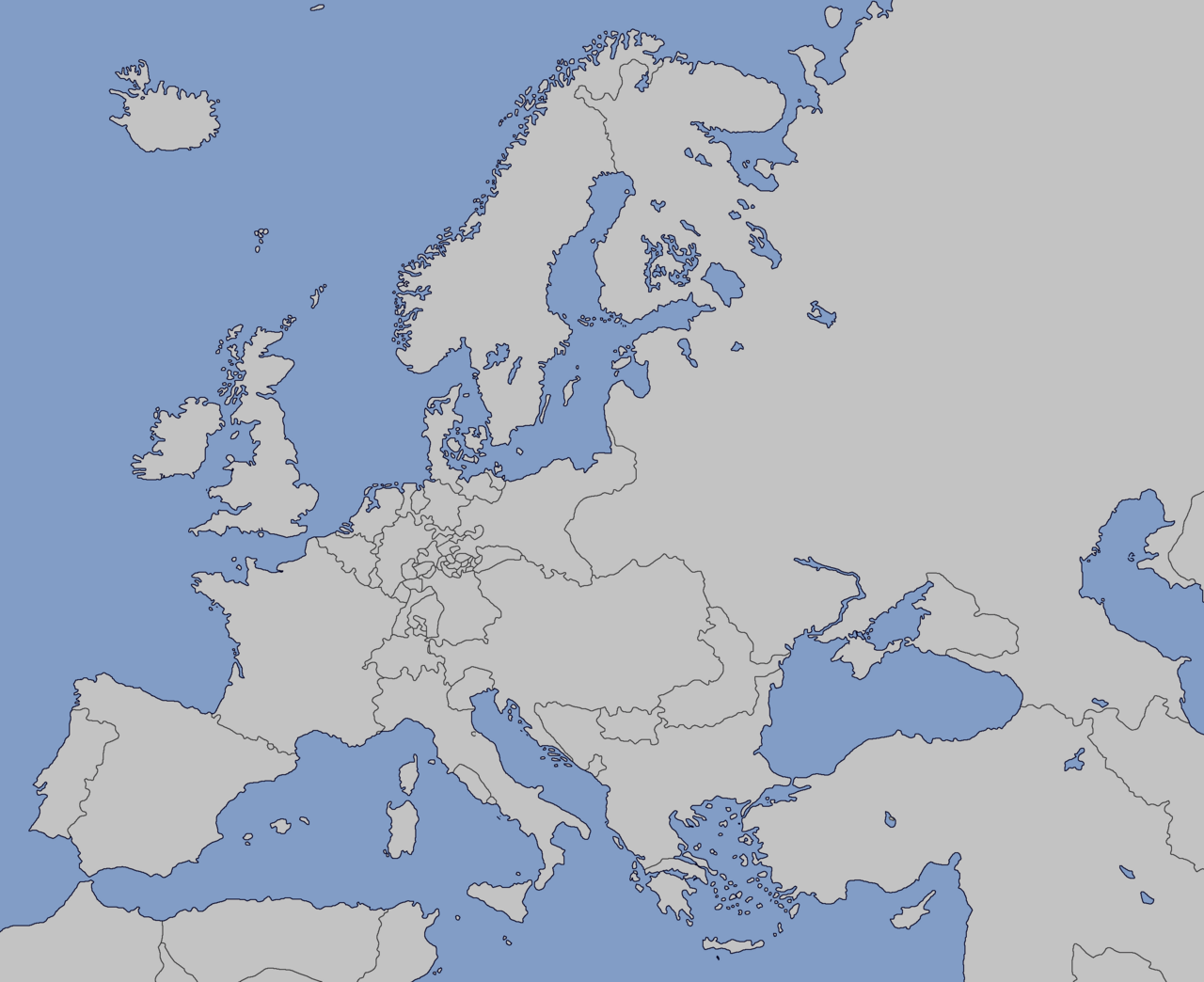
Map of Europe from 1860. The borders are old: Germany and Italy, for example, were still many small states. The markers are approximate.. Photo: Blank map of Europe (1860), Ibrahimkash, CC0, modified: reduced in size 3. Polonium and radium
In Paris Marie married the scientist Pierre Curie. Together they studied a substance that gave off invisible rays. This is called radioactivity: some atoms send out radiation, and it can be measured. In 1898 the Curies discovered two new elements, polonium and radium. Polonium was named after Marie's homeland, Poland.
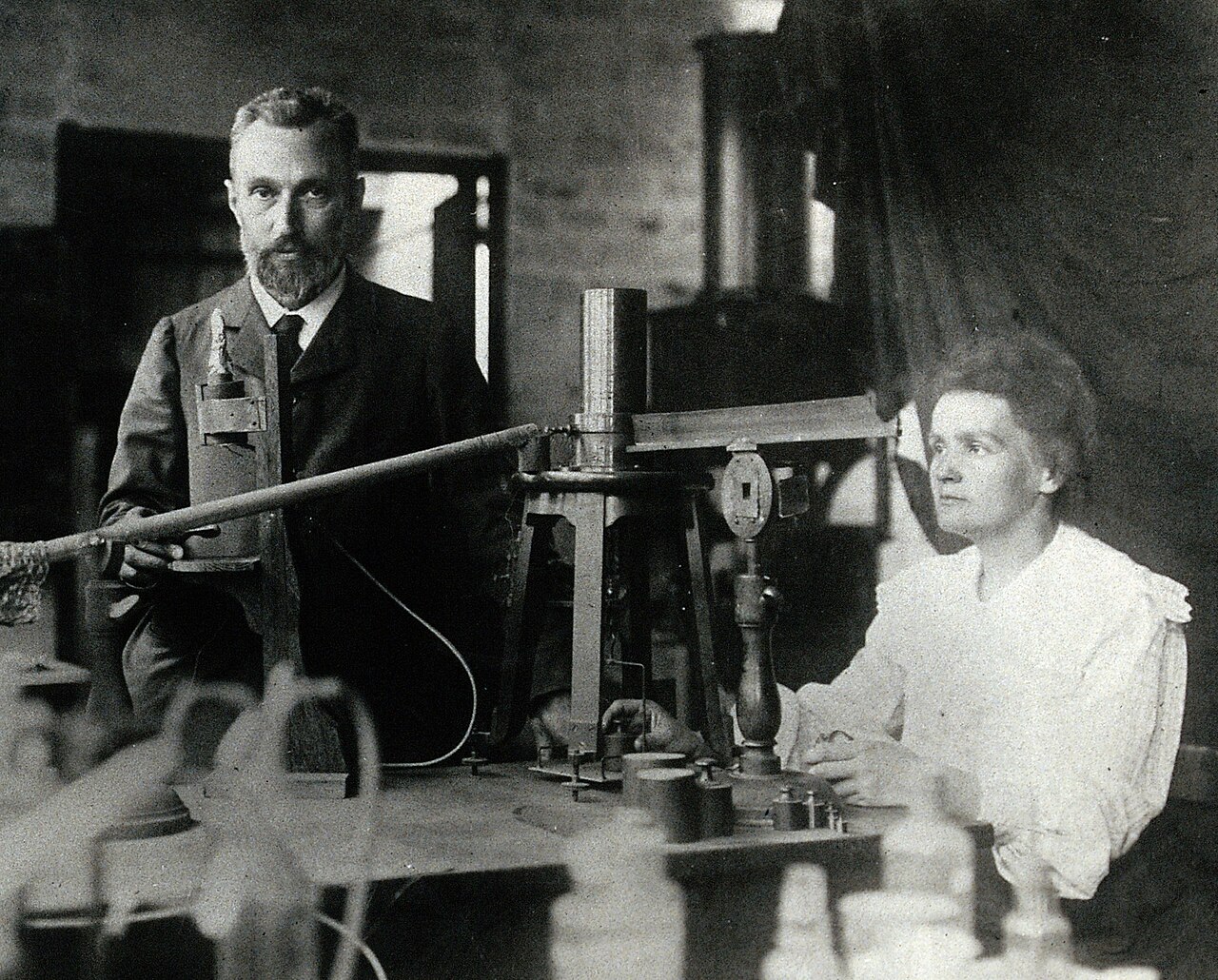
Pierre and Marie Curie in the laboratory before 1906. The device was used to measure how strongly a sample gives off radiation.. Photo: Pierre and Marie Curie, Tuntematon, Public domain, modified: reduced in size 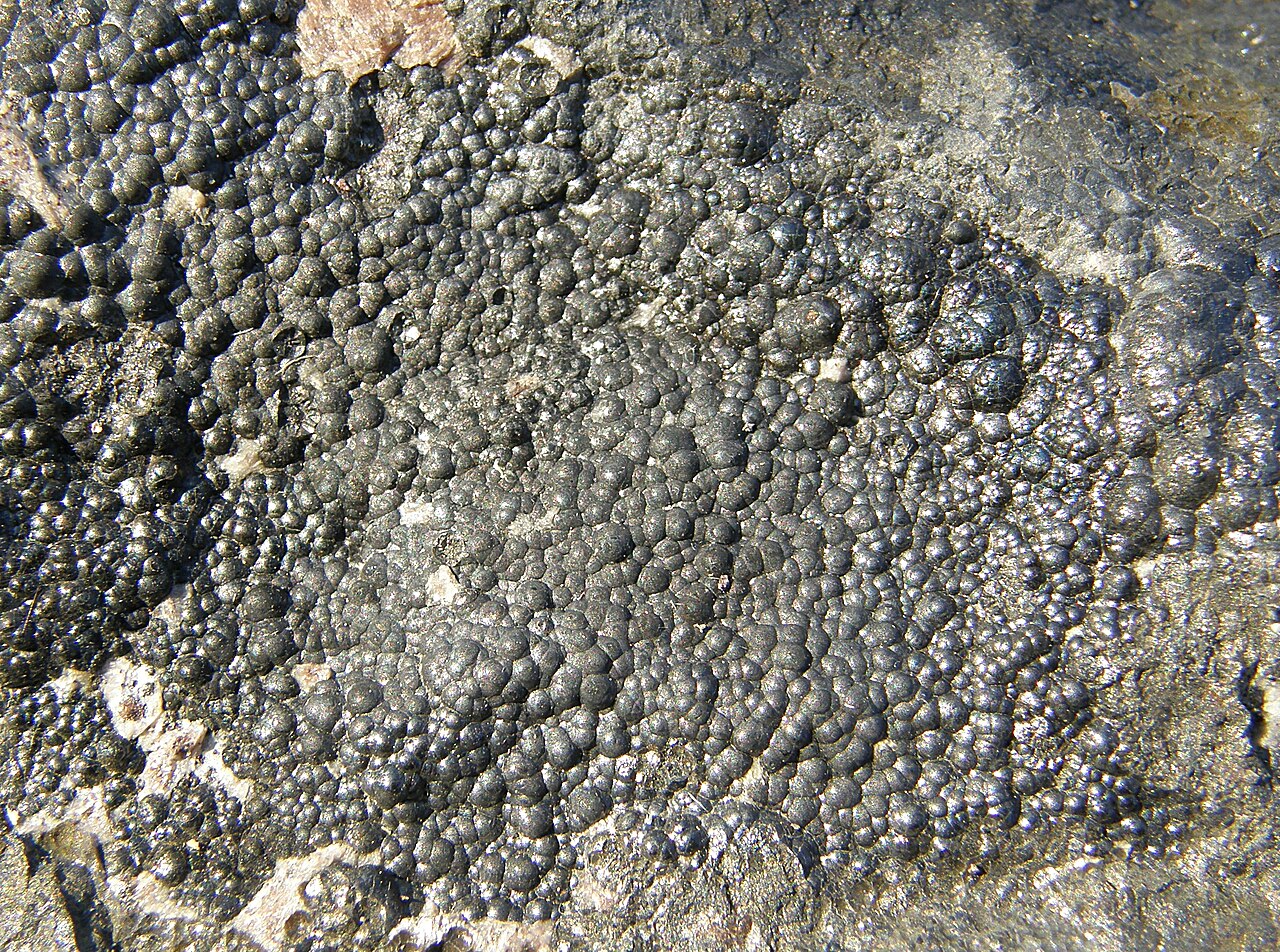
Pitchblende, also called uraninite, is an ore that contains uranium. The sample in the photo comes from Saxony in Germany. The Curies studied ore like this and found polonium and radium in it.. Photo: Pitchblende schlema-alberoda, Geomartin, CC BY-SA 3.0, modified: reduced in size 4. Two Nobel Prizes
In 1903 Marie received the Nobel Prize in Physics together with Pierre Curie and Henri Becquerel. In 1911 she received the prize in Chemistry for discovering radium and polonium. Marie was the first woman to receive a Nobel Prize. She is the only person who has received it in two different sciences.
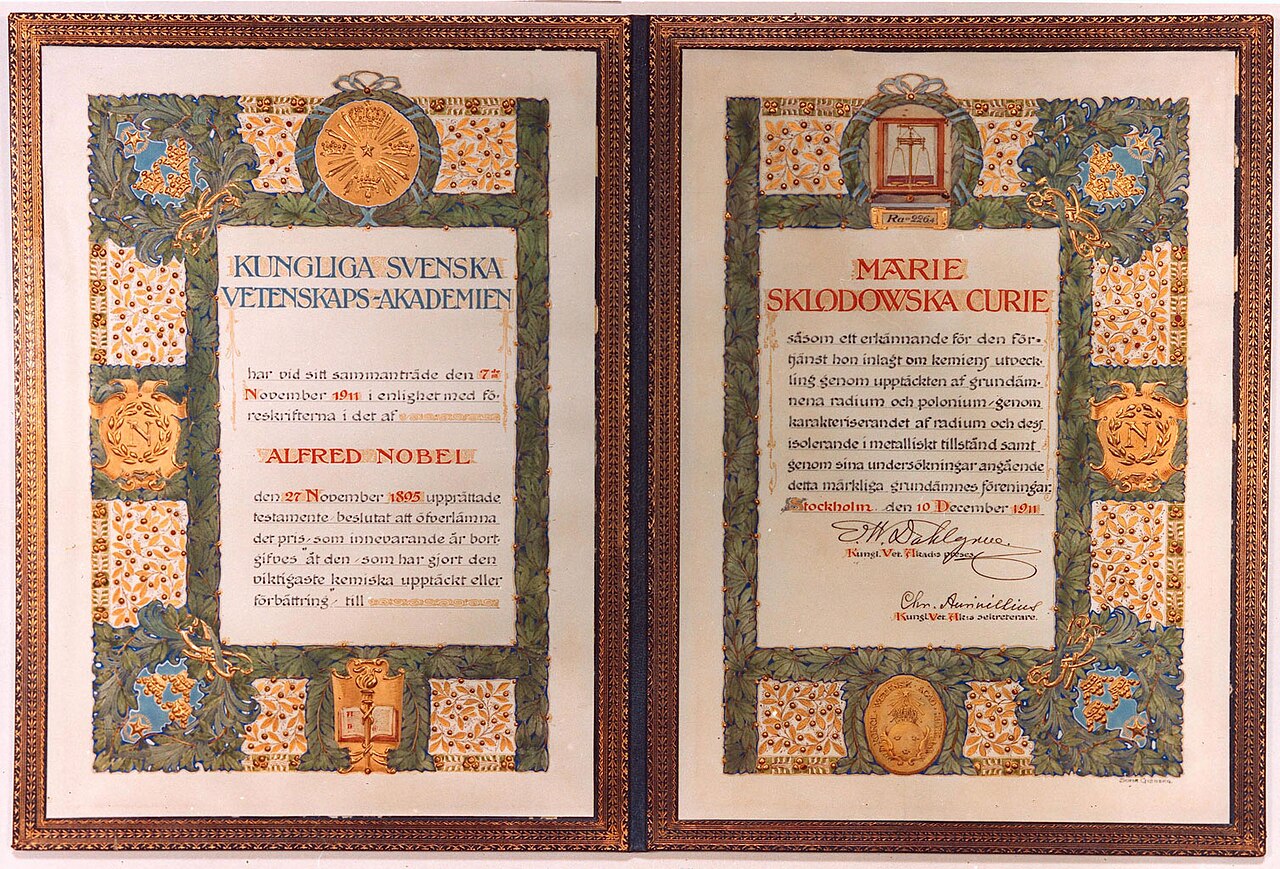
Marie Curie's Nobel diploma in Chemistry from 1911. The picture shows both pages of the diploma. The text is in Swedish.. Photo: Marie Skłodowska-Curie's Nobel Prize in Chemistry 1911, Nobel Foundation, diploma by Sofia Gisberg, Public domain, modified: reduced in size 5. X-ray cars to help doctors
During the First World War Marie arranged cars with an X-ray machine for hospitals. In an X-ray picture the doctor can see the bones and find, for example, a broken bone or a bullet. The cars were called Petites Curies, the little Curies.
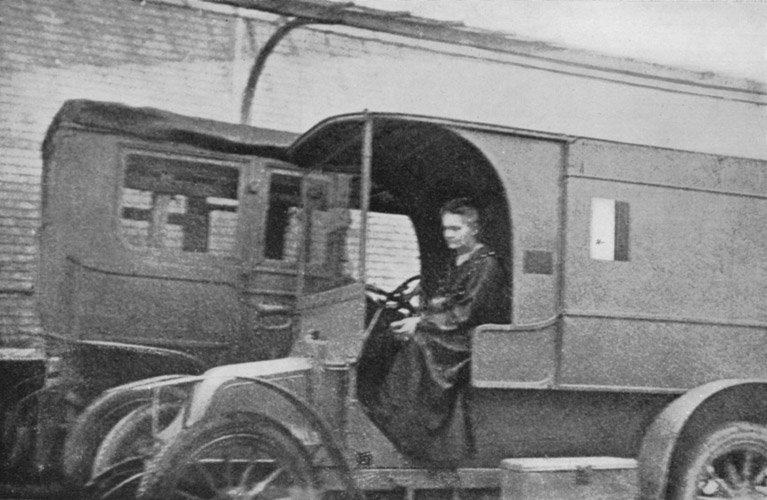
Marie Curie at the wheel of an X-ray car during the First World War.. Photo: Marie Curie - Mobile X-Ray-Unit, Tuntematon, Public domain, modified: reduced in size 6. Marie Curie's life in dates
Marie Curie died in 1934. There is a museum dedicated to her both in Paris and in Warsaw.
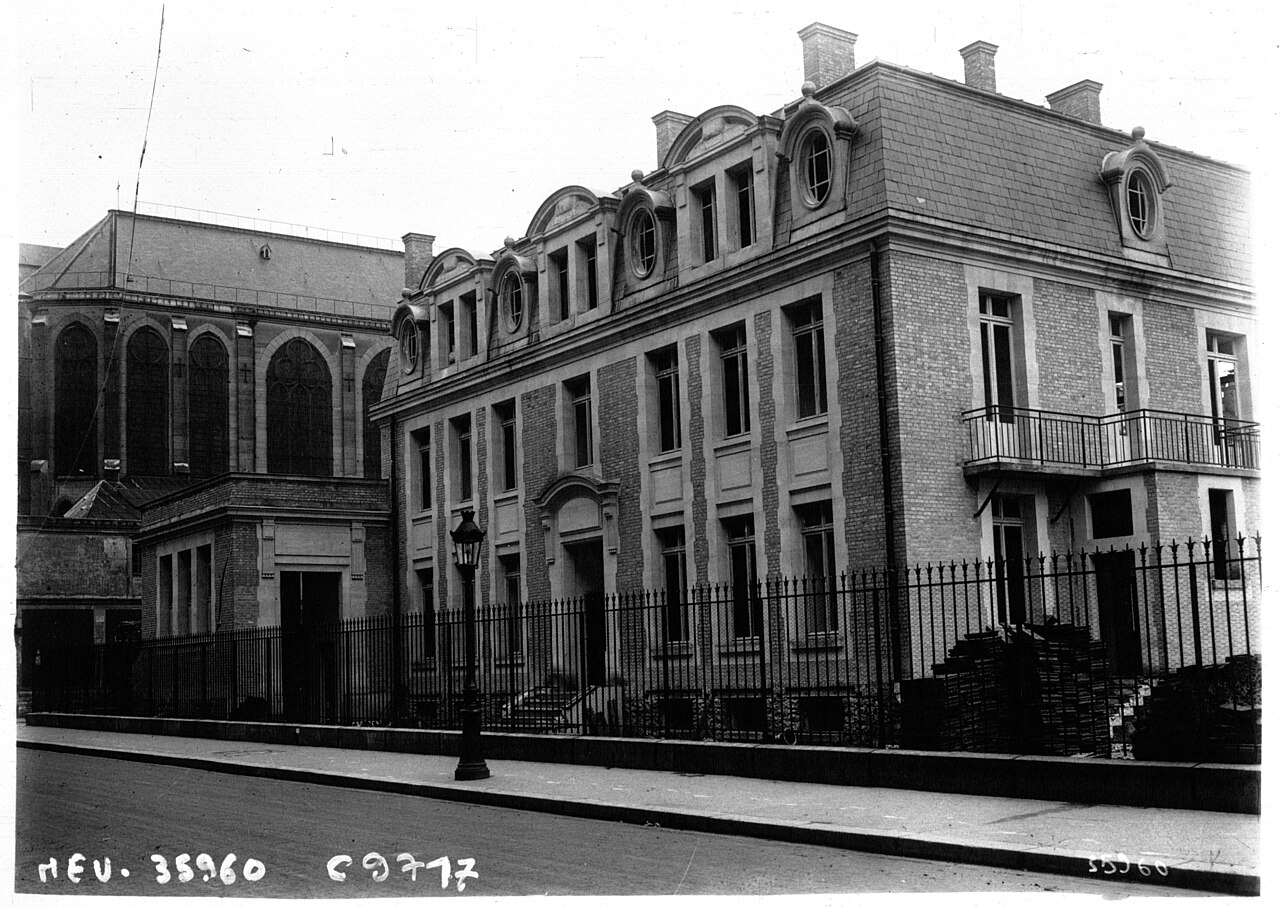
The Curie Pavilion of the Radium Institute in Paris in 1913. The building was finished the following year.. Photo: Institut du Radium : pavillon de Mme Curie, Agence de presse Meurisse, Public domain, modified: reduced in size 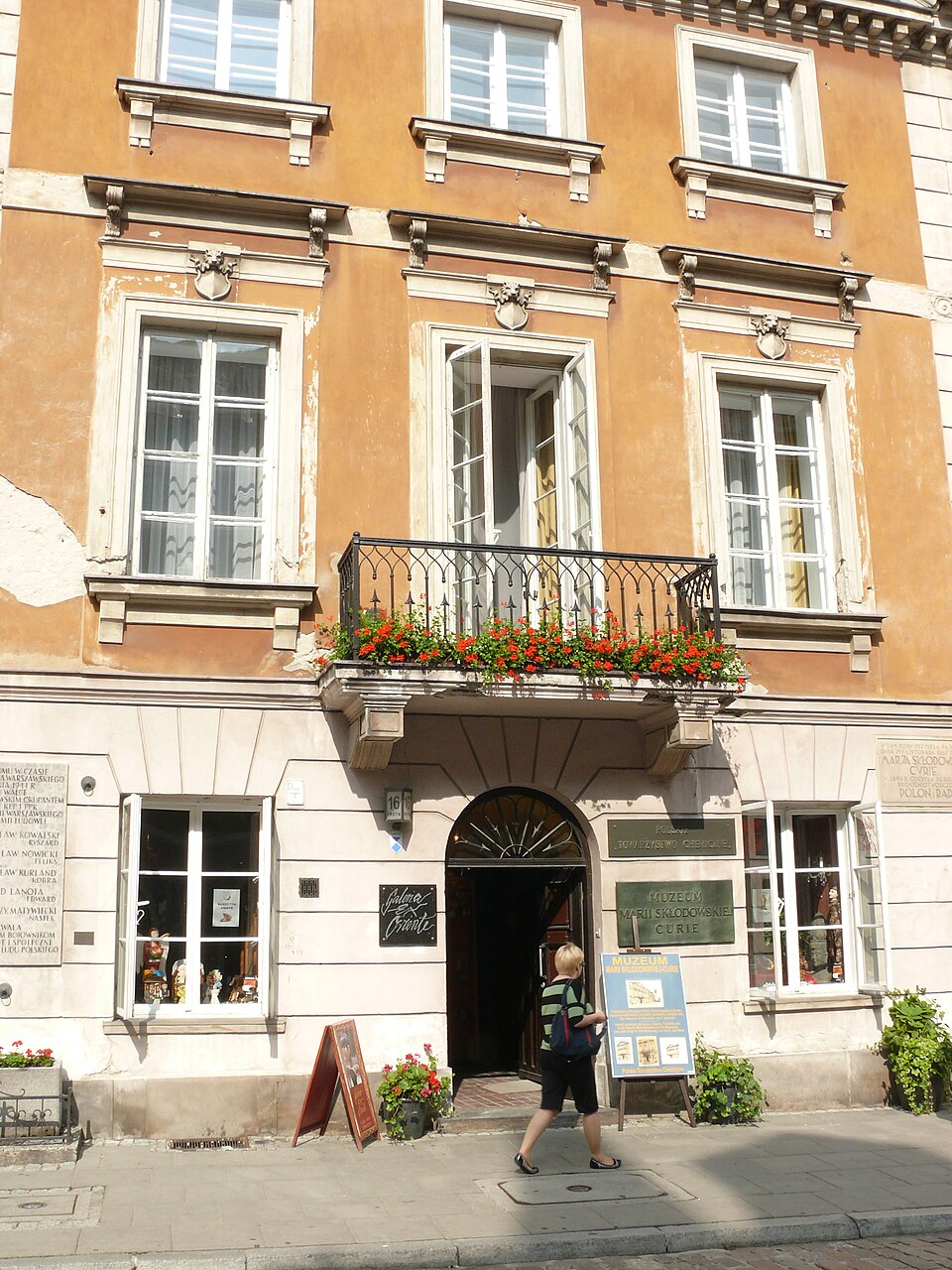
The Marie Curie Museum in Warsaw. Marie was born in the house on Freta Street in 1867. The plaques and signs on the wall are in Polish.. Photo: Skladowska muzeum Warszawa, Дар Ветер, CC BY-SA 3.0, modified: reduced in size - 1867 Born in Warsaw
- 1891 Moves to Paris to study
- 1898 Polonium and radium discovered
- 1903 Nobel Prize in Physics
- 1911 Nobel Prize in Chemistry
- 1914 Radium Institute is completed
7. Try it yourself and think
Try it yourself: keep notes like a scientist for a week and write down the date and the outdoor temperature every day.
Why could Marie not study at the university in Warsaw?
What does radioactivity mean?
What were the X-ray cars needed for?
Why are radioactive materials handled with care today?


Summary
Marie Curie was born in Warsaw in 1867 and studied in Paris. Together with Pierre Curie she discovered the elements polonium and radium in 1898. She received the Nobel Prize in Physics in 1903 and in Chemistry in 1911. In the First World War she arranged X-ray cars for doctors. The radiation from radioactive materials can harm health, but it is also used in medicine, for example in treating cancer patients.
Frequently asked questions
What is radioactivity?
All materials are made of atoms. Some atoms give off invisible radiation, and it can be measured with special instruments. This is called radioactivity. Marie Curie began to use the word. Strong radiation harms the body. In medicine radiation is used under careful control, for example in treating cancer patients.
Why is polonium named after Poland?
Marie Curie wanted to honour her homeland. Poland was not an independent state then; its lands belonged to Russia, Prussia and Austria. The Curies announced the new element in 1898. Marie wanted the name to remind people of Poland.
Was Marie Curie's daughter also a scientist?
Yes. Marie Curie's daughter Irène Joliot-Curie studied radioactivity, just like her mother. In 1935 she received the Nobel Prize in Chemistry together with her husband Frédéric Joliot. So mother and daughter have both received a Nobel Prize.
Related content
Try exercises
Have you taught this topic? Create an exercise on it for your class.