
Months of the year: order, days and the calendar
The 12 months of the year in order, number of days, seasons and calendar. Slides, explanations and exercises for grades 3–4 (ages 9–10).
A year has 12 months. Months tell us when a birthday, Christmas or the summer holidays come. A calendar shows the months and days in order.
This article is made for grades 3–4 (ages 9–10), and every step is ready to show to the class as a slide. At the end, pupils know the months in order and how many days they have.
Key concepts
- month
 About four weeks. A year has twelve months.
- year
 The time it takes the Earth to go once around the sun, about 365 days.
- calendar
 A list of the days, weeks and months of the year. Important days are marked on it.
- winter
 The cold season, when it snows and the water freezes.
- spring
 The season when the snow melts and plants start to grow.
- summer
 The warmest season, when the days are long and bright.
- autumn
 The season when leaves turn yellow and fall from the trees.
- birthday
- On your birthday you celebrate being one year older.
Related exercises
There is no exercise for this topic yet
Teacher or creator: make the first exercise with Puro Editor and choose Months as its topic. It will appear here as soon as it is published.
1. How many months are in a year?
A year has 12 months. Every month has a number.
January is the first and December the twelfth. After that a new year begins.
2. Month and calendar
A month is a part of the year. It has 28–31 days, which is about four weeks.
On a calendar you see the months and days. You can mark birthdays and other important days on it.
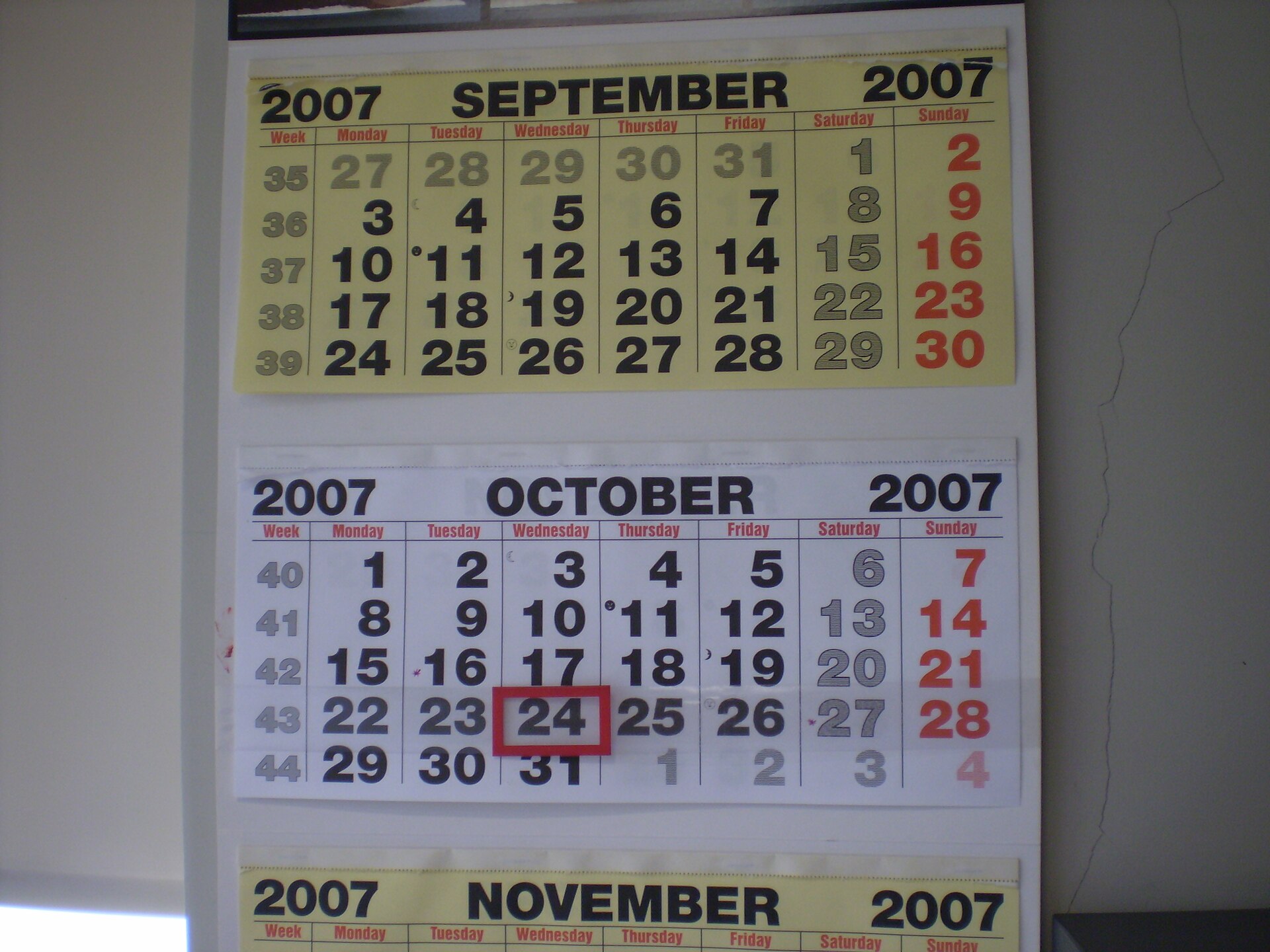
A wall calendar shows one month at a time. The red frame marks a day.. Photo: WallCalendar, Claudio Elias, Public domain, modified: reduced in size 3. The months in order
January, February, March, April, May, June, July, August, September, October, November and December.
In a date, the month can be a number. In many countries the day comes first: 24/12 is 24 December. In the USA the month comes first: 12/24.
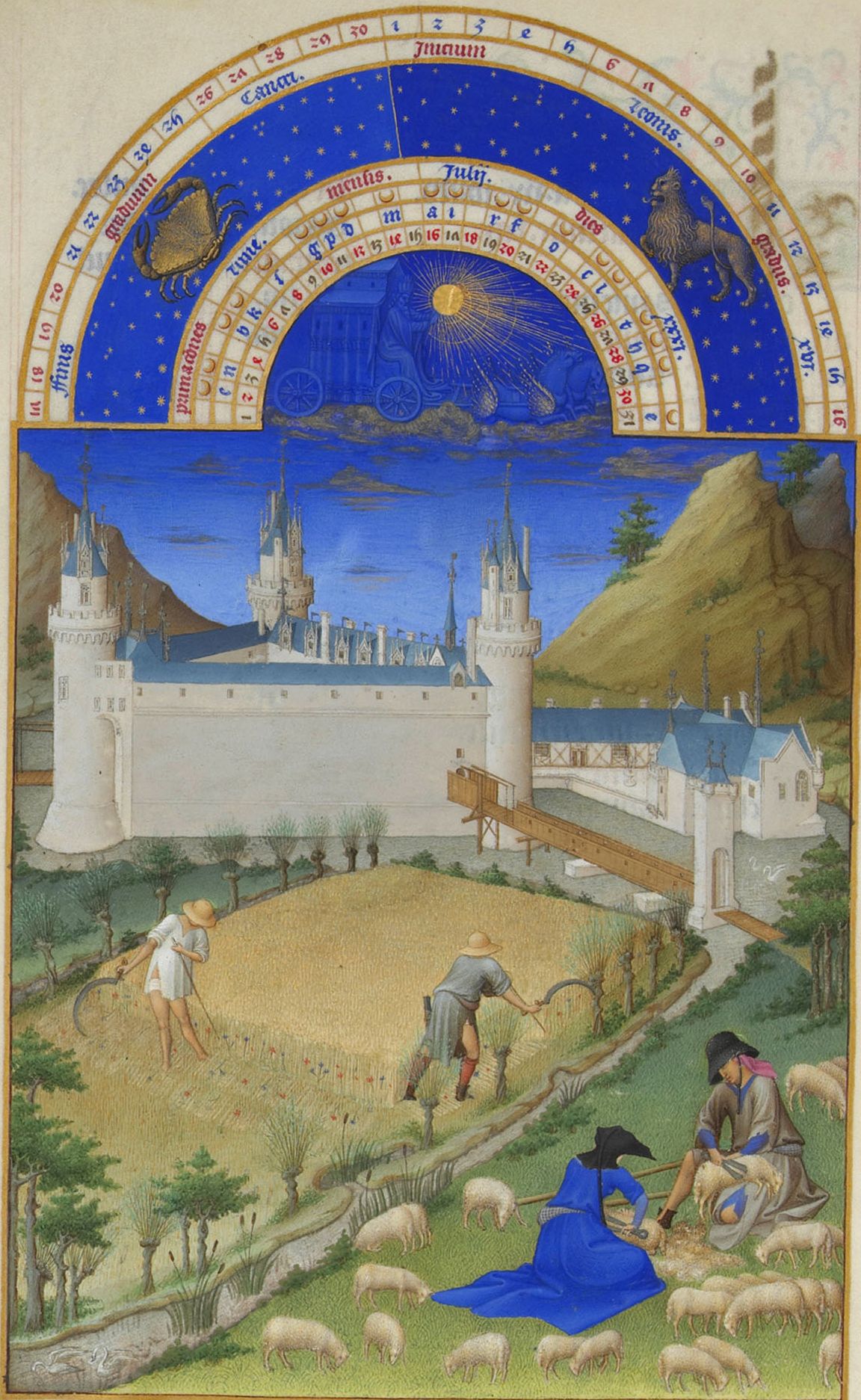
July: the grain is cut and the sheep are sheared. Photo: Très Riches Heures du duc de Berry Folio 7, verso: July, Limbourg brothers / Barthélemy d'Eyck, Public domain, modified: reduced in size 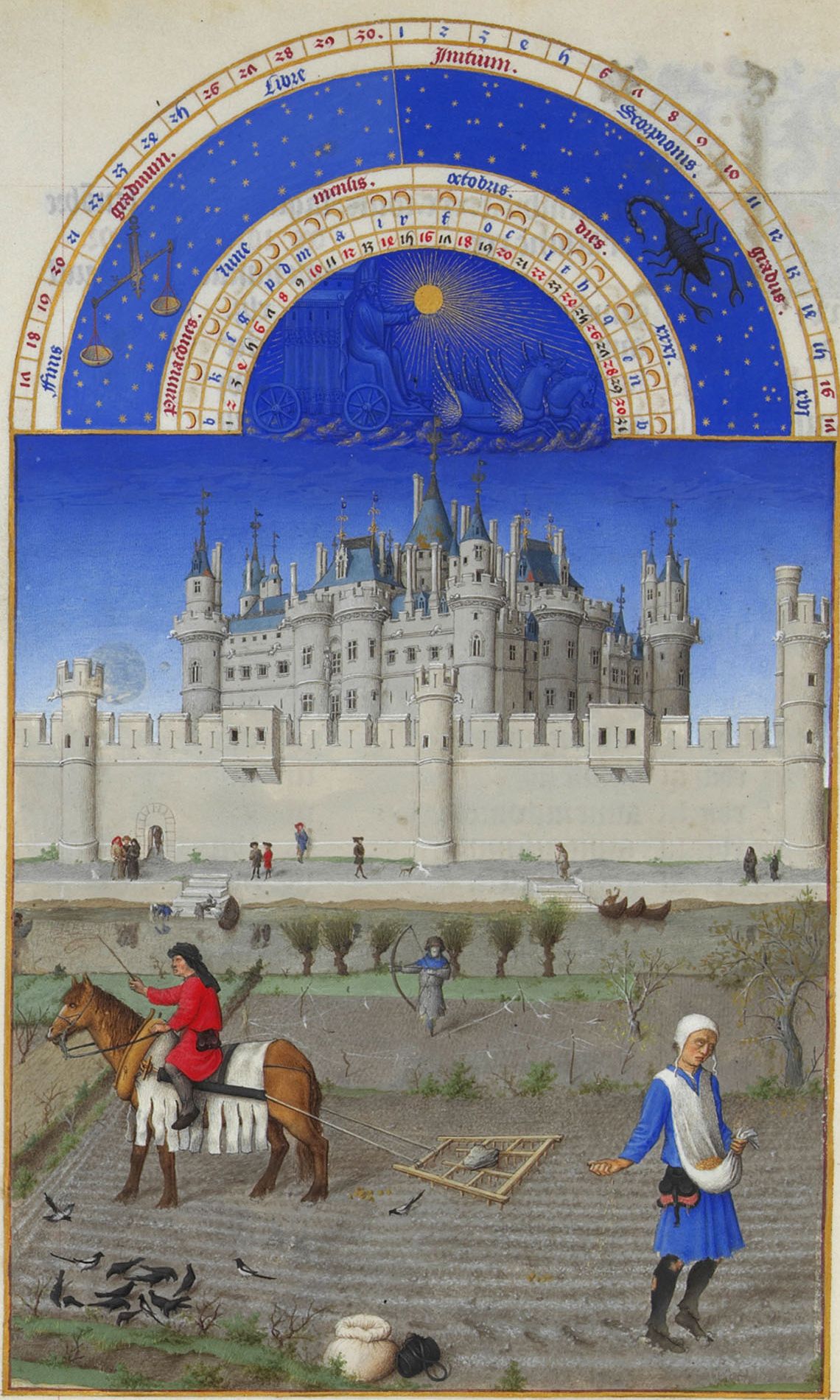
October: seeds are sown in the field. Photo: Très Riches Heures du duc de Berry Folio 10, verso: October, Limbourg brothers / Barthélemy d'Eyck, Public domain, modified: reduced in size 4. Seasons and months
The seasons are winter, spring, summer and autumn. In the northern hemisphere, often three months belong to each season.
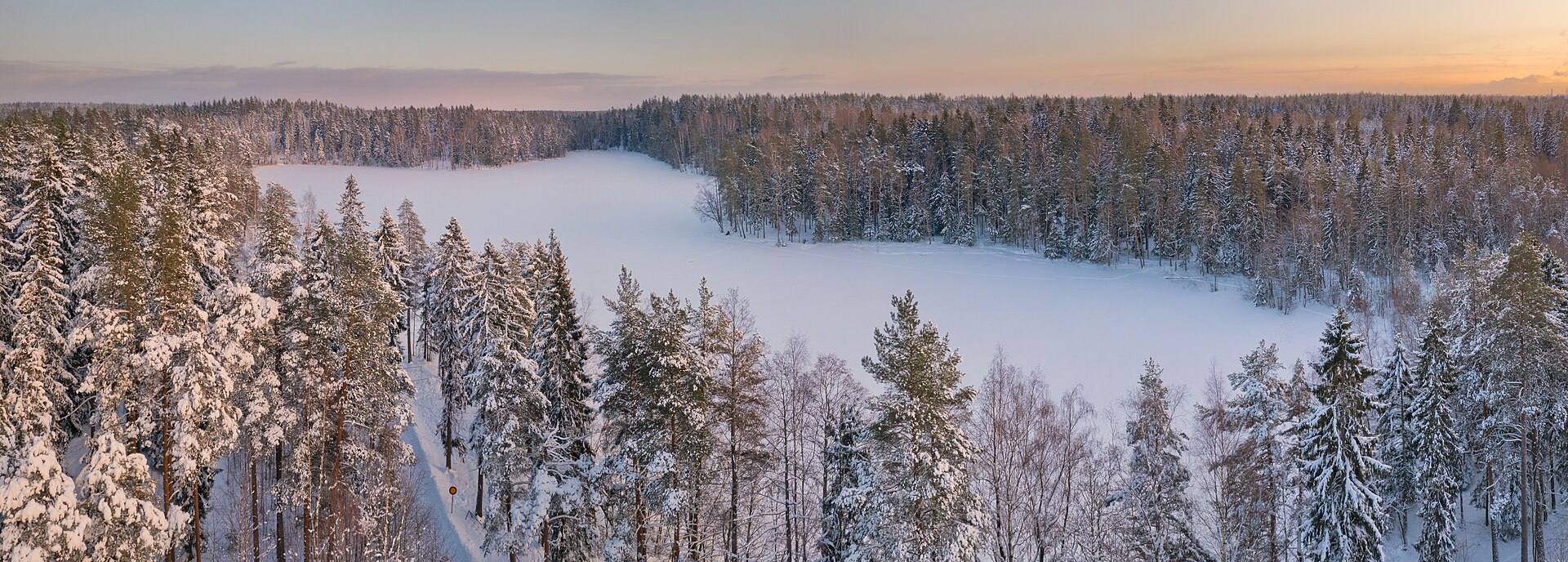
Photo: Kuusijärvi in Vantaa, Finland, 2021 February, Ximonic (Simo Räsänen), CC BY 3.0, modified: reduced in size 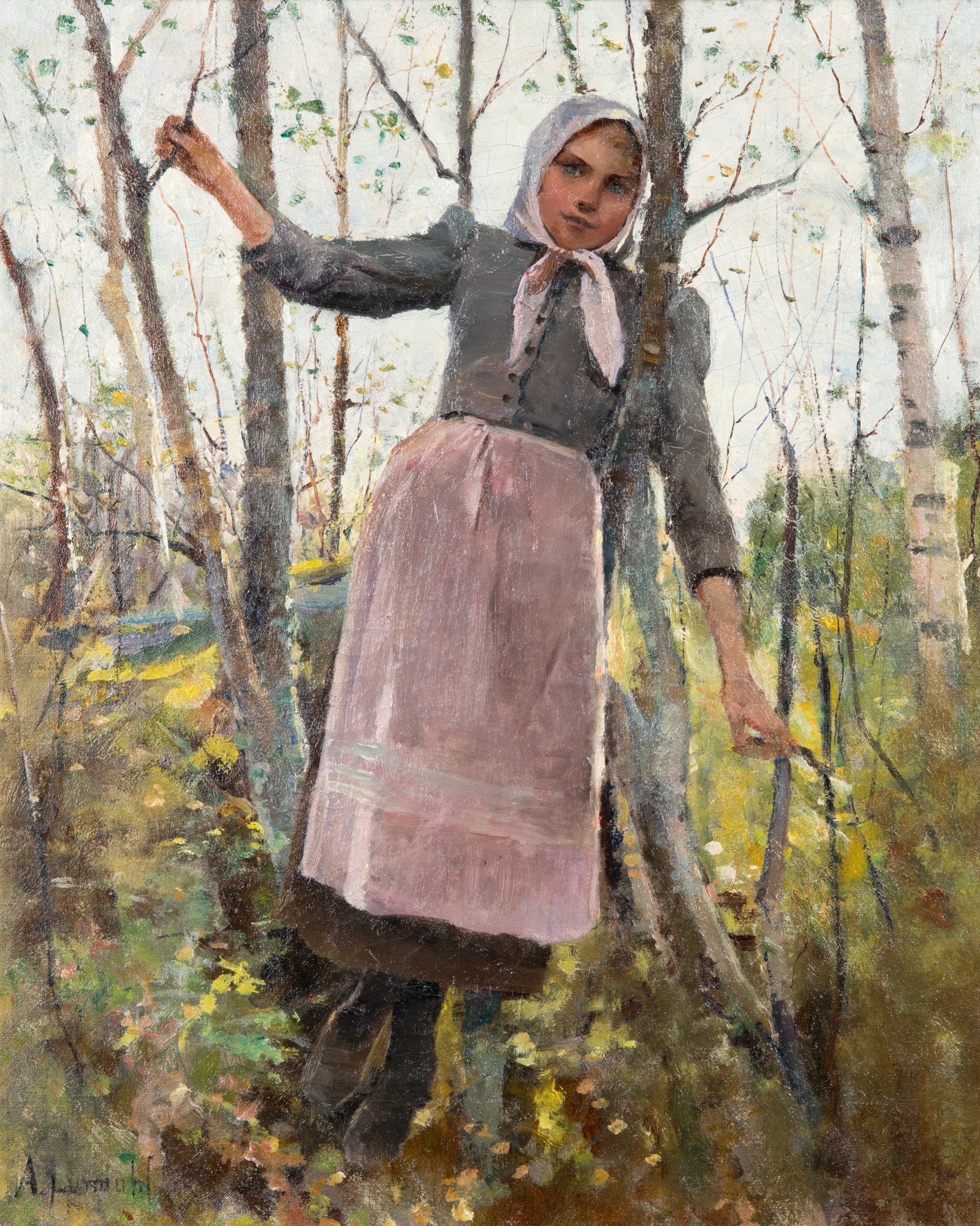
Photo: Spring; Girl in a Birch Forest, Amélie Lundahl, Public domain, modified: reduced in size 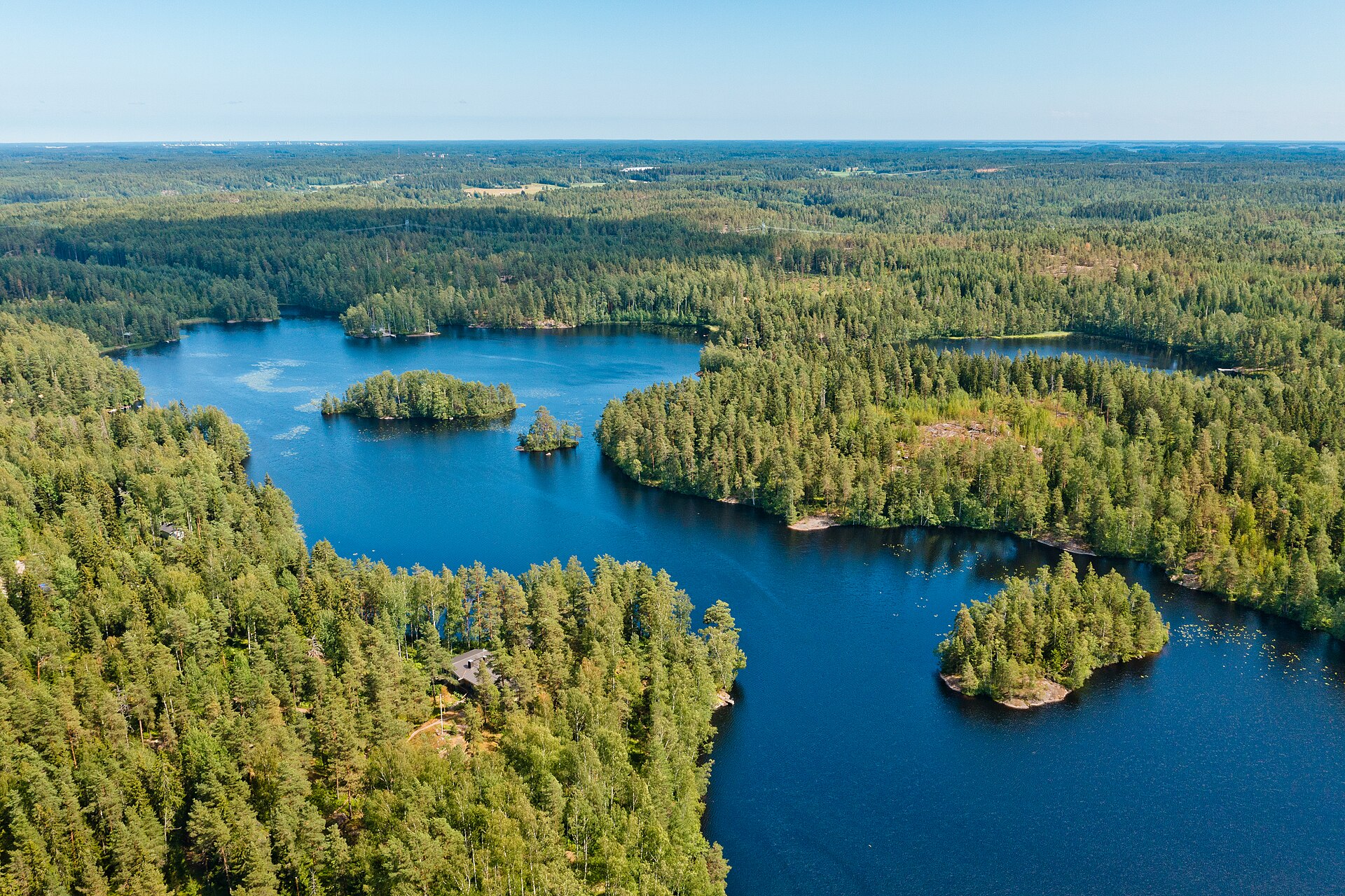
Photo: Fiskträsk in Sipoonkorpi, Sipoo, Finland, 2021 July - 2, Ximonic (Simo Räsänen), CC BY-SA 3.0, modified: reduced in size 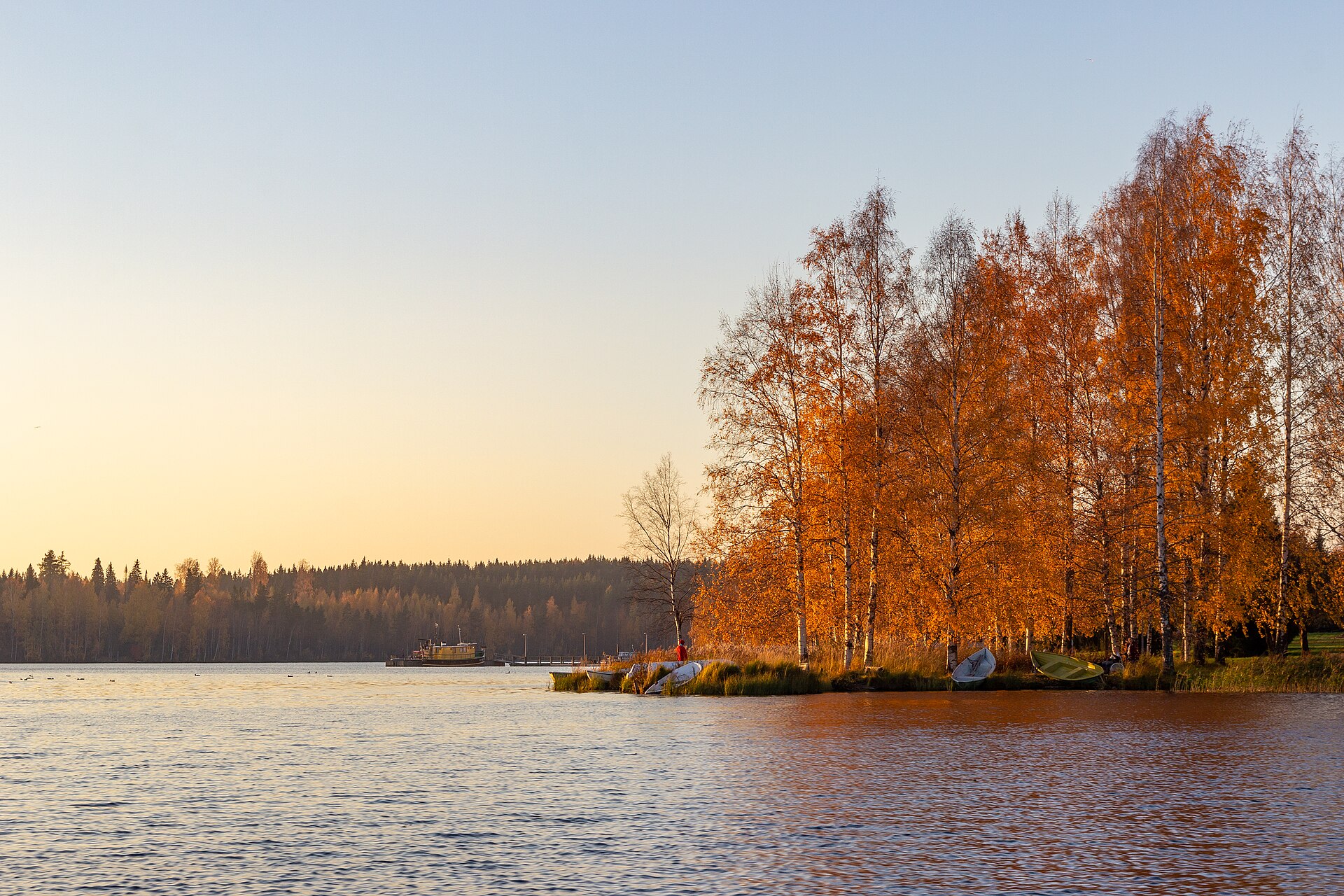
Photo: Autumn colours in Heinola, Finland (October 2018), Markus Säynevirta, CC BY-SA 4.0, modified: reduced in size - December, January and February Winter: Cold, sometimes snow
- March, April and May Spring: It gets warmer, the days get longer
- June, July and August Summer: Warm and bright
- September, October and November Autumn: Leaves fall, evenings get darker
5. How many days? Ask your knuckles
Make a fist and start at the knuckle of your index finger: January.
A knuckle is 31 days, a dip is 30 days.
February falls in a dip and has 28 or 29 days.
After July start again: August is a knuckle again.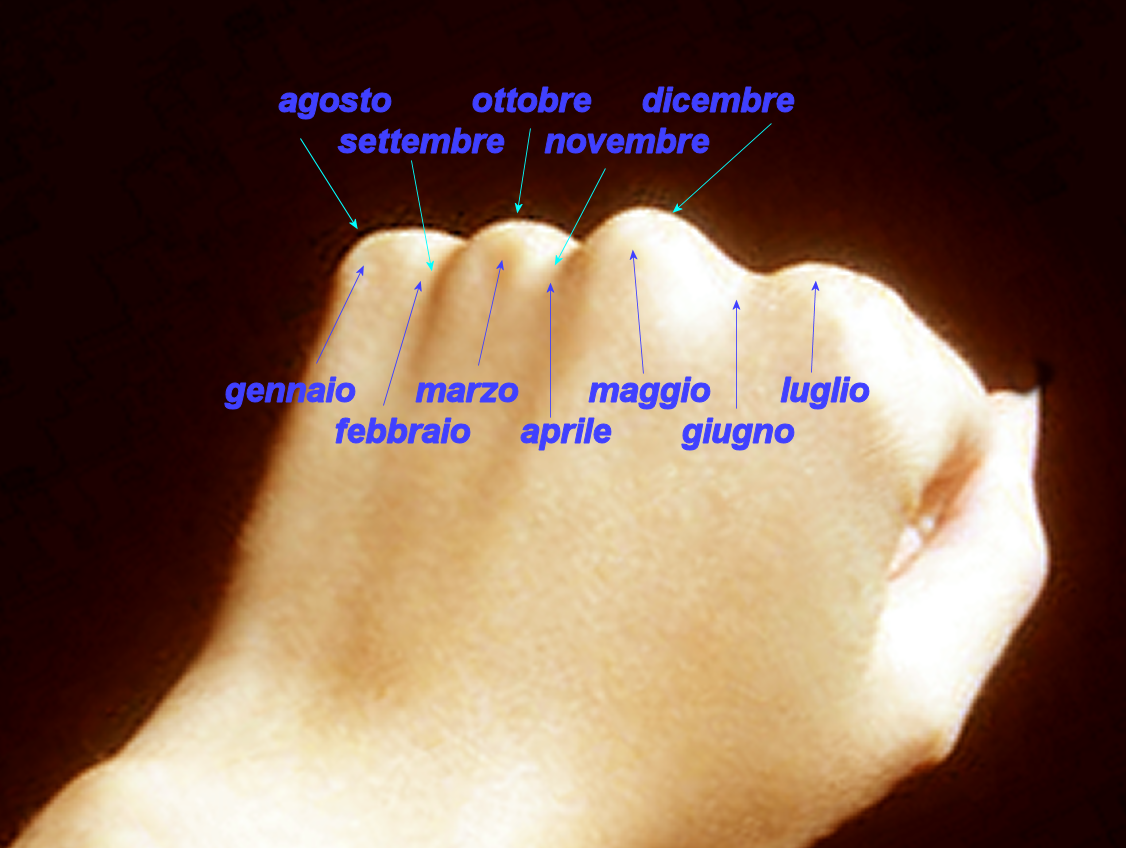
The knuckle rule with Italian month names: gennaio is January and luglio is July. Photo: Mano con mesi, Horatius, ipse, Public domain, modified: reduced in size 6. The school year in months
In many countries the school year starts in late summer or early autumn. The calendar year starts in January.
When school starts and when the holidays are differs by country and by school. Look at your own school's calendar.
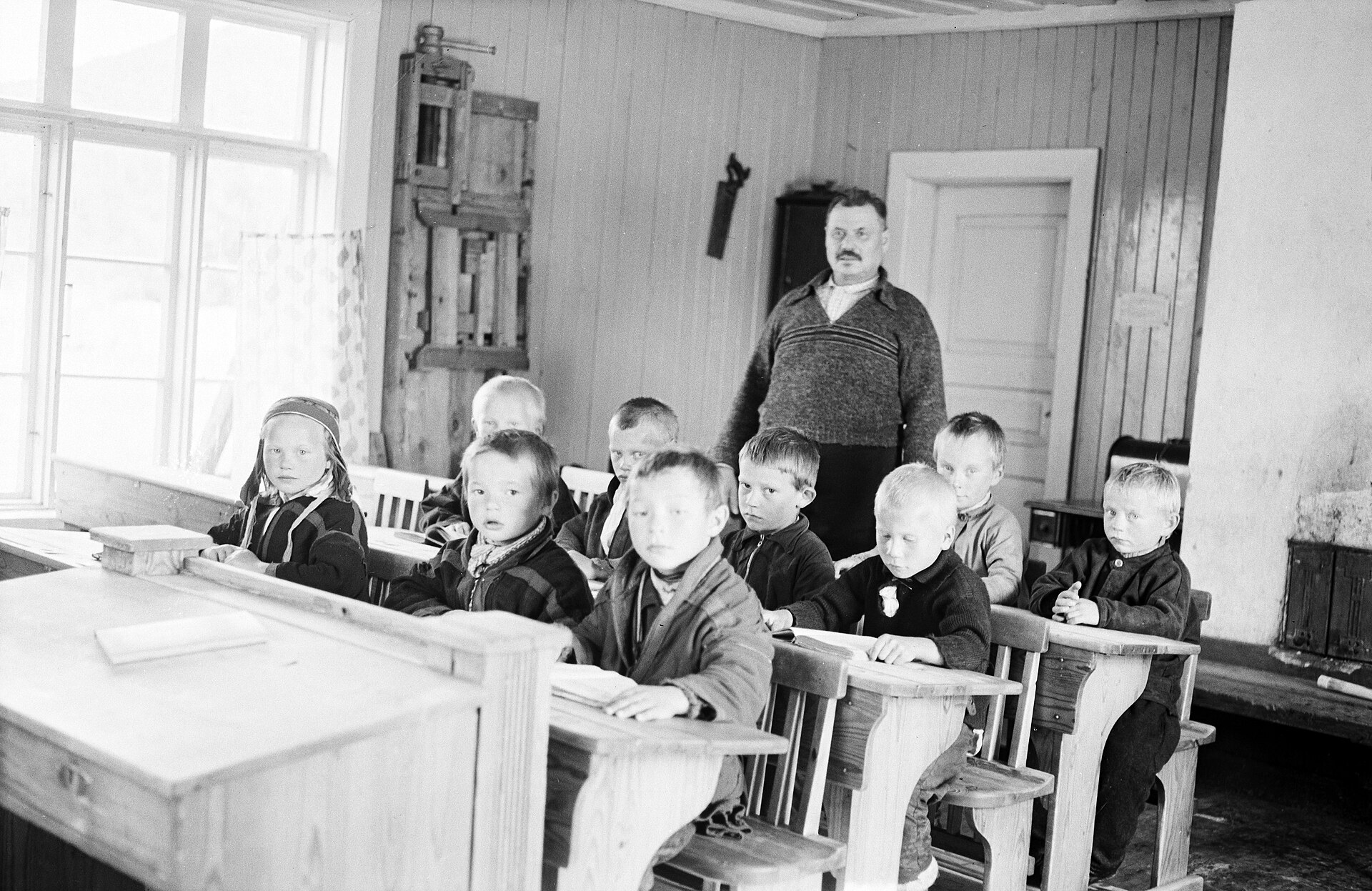
Photo: Outakoski Primary School in Utsjoki, Finland in 1938, Tuura, Niilo, CC BY 4.0, modified: reduced in size 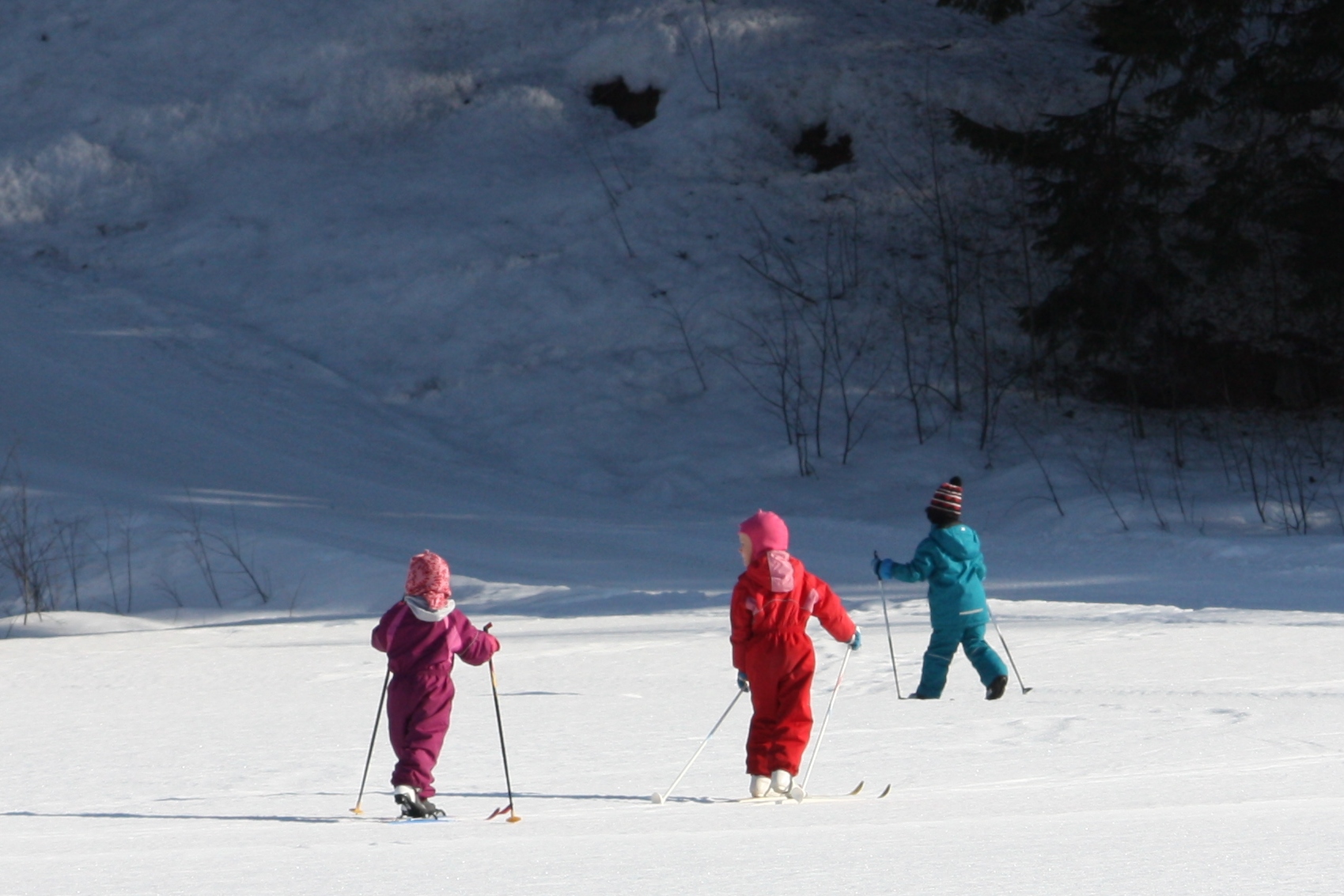
Photo: Children skiing IMG 3920, Anneli Salo, CC BY-SA 3.0, modified: reduced in size 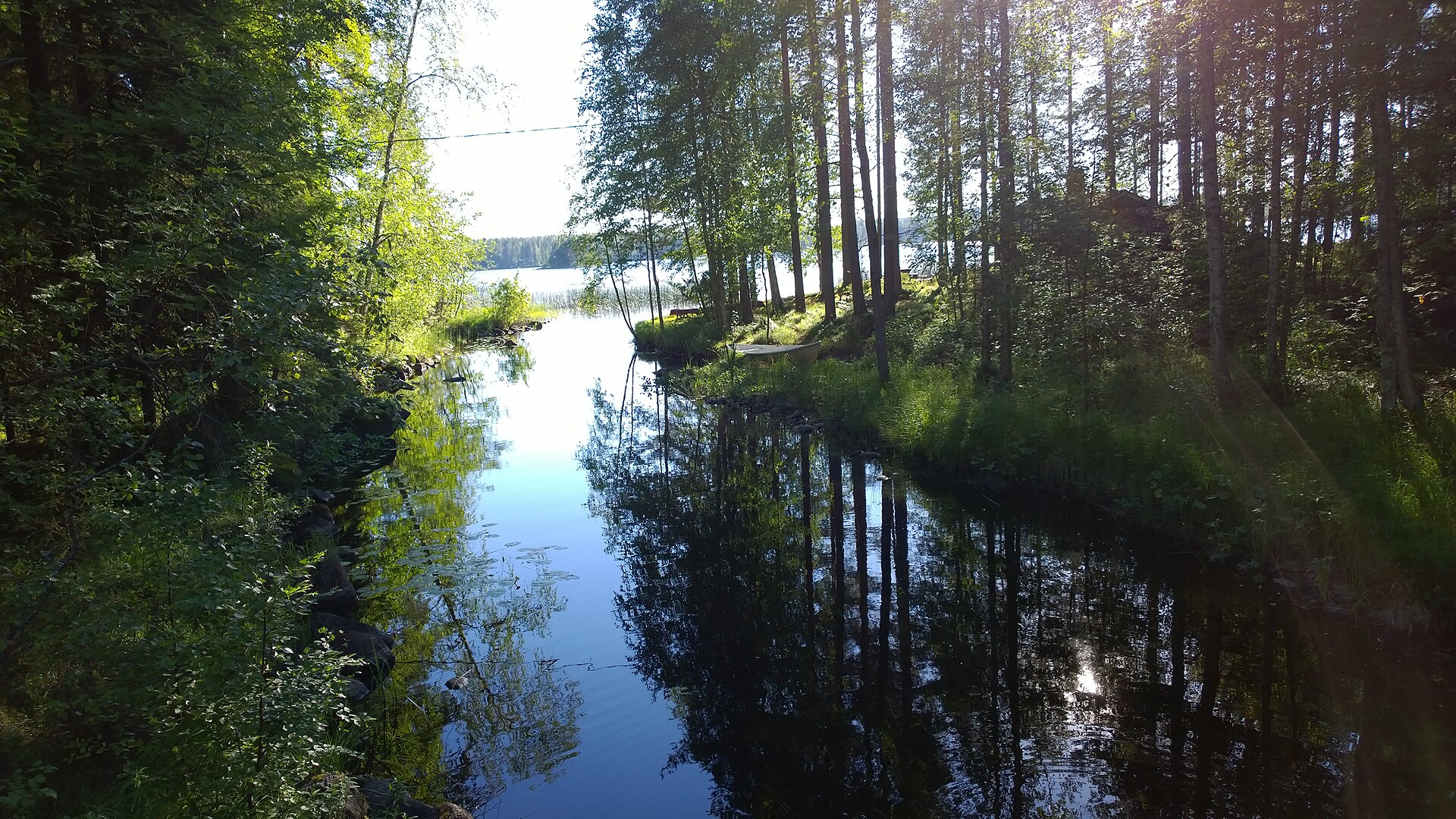
Photo: Finnish summer cottage and a lake in Keuruu, Kospo75, CC BY-SA 3.0, modified: reduced in size - August or September School starts: In many countries
- October Autumn break: In some schools
- December Christmas holidays: Many schools close for a while
- January School starts again
- February or March A short break in some places
- June or July Summer holidays begin
7. Think together
1. In which month is your birthday?
2. Which month comes before March?
3. How many days does April have? Check with your knuckles.
4. Which season is it now? Which months belong to it?


Summary
A year has 12 months, from January to December. A month has 30 or 31 days. February has 28 days, in a leap year 29. The knuckle rule helps you remember the number of days. In the northern hemisphere, often three months belong to each season. On a calendar you see the months and important days.
Frequently asked questions
In which order are the months?
January, February, March, April, May, June, July, August, September, October, November and December. After December a new year begins.
Which months have 31 days?
January, March, May, July, August, October and December have 31 days. April, June, September and November have 30 days. February has 28 days, in a leap year 29.
Why does February sometimes have 29 days?
The Earth goes around the Sun in a little over 365 days. There are just under 6 extra hours each year. In four years they add up to about one day. It is added to February. Such a year is a leap year and has 366 days. The next leap year is 2028.