Negative numbers with a thermometer and number line, grades 5–6
Negative numbers on a thermometer and number line: comparing, ordering, opposites, temperature change and goal difference. Slides and exercises for grades 5–6.
A negative number is less than zero. In winter you see negative numbers on the thermometer, and in a league table when a team's goal difference is negative. Land can also lie below sea level. On the number line, negative numbers are to the left of zero.
The article is written for grades 5–6, and every step is ready to show to the class as a slide. Pupils compare and order negative numbers, find the opposite of a number and work out a change in temperature on the number line.
Key concepts
- negative number
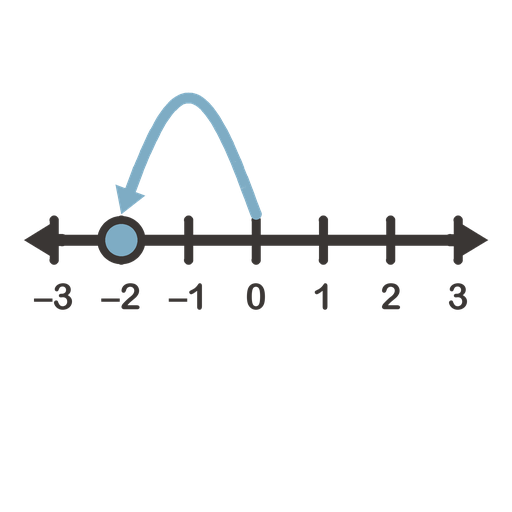 A number smaller than zero, like −5. In frosty weather the temperature is negative.
- number line
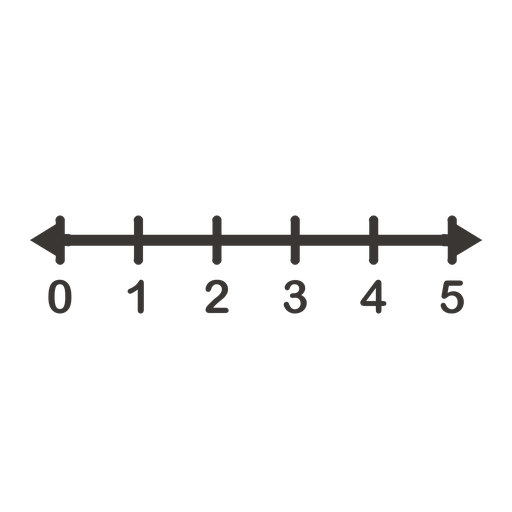 A straight line with numbers marked in order at equal spaces.
- zero
 The number that means none at all.
- less than
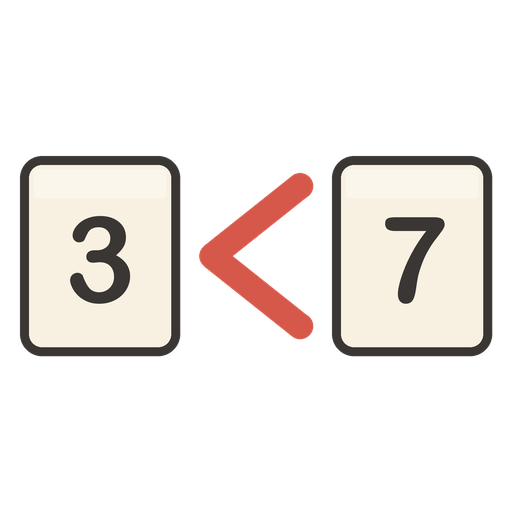 The sign < that shows the number on the left is smaller, like 3 < 7.
- greater than
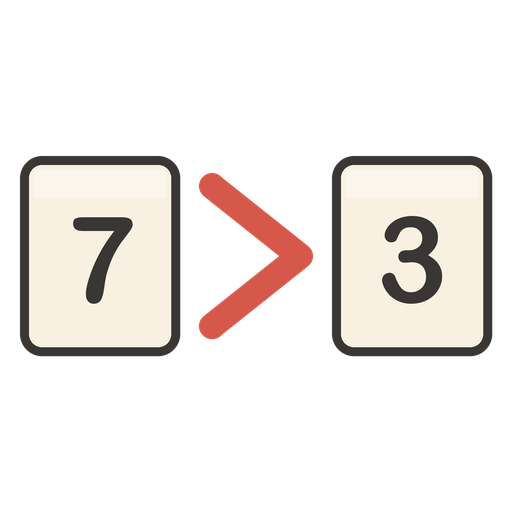 The sign > that shows the number on the left is bigger, like 7 > 3.
- temperature
 It tells how warm or cold it is. It is measured in degrees with a thermometer.
- difference
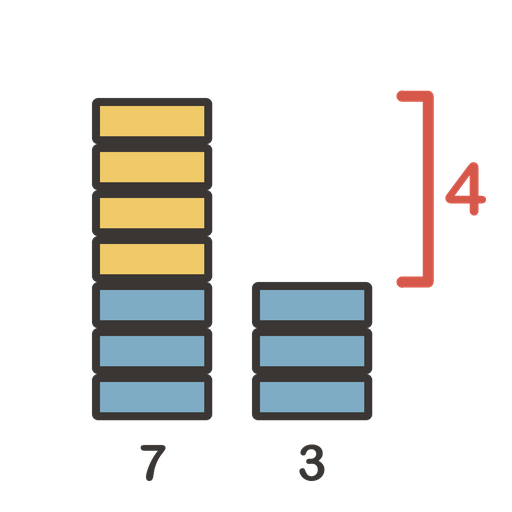 The answer to a subtraction. The difference between 5 and 2 is 3.
- subtraction
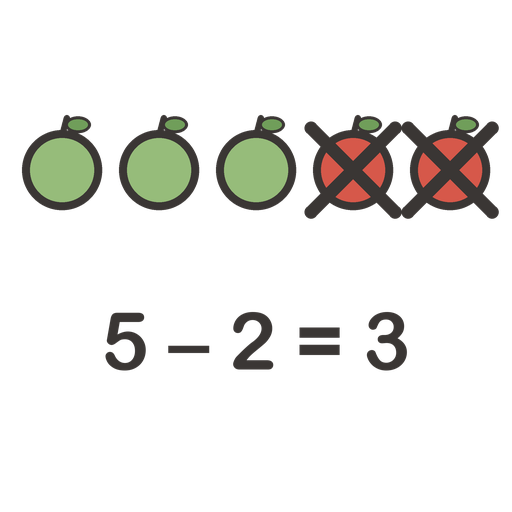 Taking one number away from another, for example 5 − 2 = 3.
1. A frosty morning: temperature below zero
On a winter morning the thermometer shows −8 °C. We read it as “minus eight degrees”. It is eight degrees below freezing outside, and the lake is frozen.
In the afternoon the thermometer shows +2 °C. The number −8 is a negative number: it is less than zero.
2. Negative numbers on the number line
The number line also continues to the left of zero. Positive numbers (1, 2, 3 …) are to the right of zero, and negative numbers (−1, −2, −3 …) are to the left.
A negative number has a minus sign in front of it. Zero is neither positive nor negative.
3. Which is less: −5 or −2?
On the number line, the further to the left a number is, the smaller it is. Of the positive numbers, 2 is less than 5. Of the negative numbers, −5 is less than −2, because −5 is further from zero on the left.
Positive: 2 < 5 Negative: −5 < −2 4. Putting temperatures in order
Morning temperatures on five days: −1, 3, −7, 0 and −4 °C.
First find the negative numbers: −1, −7 and −4.
The smallest is the one furthest left of zero: −7.
Order: −7 < −4 < −1 < 0 < 35. The temperature rises and falls
When the temperature rises, you move right on the number line, and when it falls, you move left. When you pass zero, it helps to count in two parts.
In the morning it is −3 °C and in the afternoon +4 °C: a rise of 3 + 4 = 7 degrees. In the evening it is 2 °C, and at night it is 6 degrees colder: 2 − 6 = −4.
Rise: 3 + 4 = 7 degrees Fall: 2 − 6 = −4 6. Goal difference in a football league
In a football league, the Lynxes scored 12 goals and conceded 15. Goal difference is the difference between goals scored and goals conceded, and you find it by subtraction: 12 − 15 = −3.
A negative goal difference means that the team conceded more goals than it scored. The Foxes have a goal difference of 0 and the Bears +5.
7. Solve and explain in pairs
1. Order from smallest to largest: 2, −9, −3, 0, −5.
2. What is the opposite of −7?
3. The temperature is 1 °C and falls 5 degrees. What is the new temperature?
4. A team scored 8 goals and conceded 13. Work out the goal difference.
5. A friend says: “−8 is greater than −3, because 8 > 3.” What would you say?
Summary
A negative number is less than zero and has a minus sign in front of it. On the number line, negative numbers are to the left of zero. The further left a number is, the smaller it is: −5 < −2. A number and its opposite are the same distance from zero. When the temperature rises, you move right, and when it falls, you move left. When you pass zero, it helps to count in two parts.
Frequently asked questions
Is zero a positive or a negative number?
Neither. On the number line, zero lies between the positive and the negative numbers. A temperature of 0 °C is neither below zero nor above zero.
Why is −8 less than −3, even though 8 is greater than 3?
On the number line, −8 is further left of zero than −3. On a thermometer, −8 °C is colder than −3 °C. The further a negative number is from zero, the smaller it is.
Where else are negative numbers used?
A freezer is usually kept at about −18 °C. In the Netherlands, part of the land lies below sea level. The lowest point is about 7 metres below sea level, at a height of −7 m.
Related content
Try exercises
Have you taught this topic? Create an exercise on it for your class.