Nouns for kids: common and proper nouns, singular and plural
What is a noun? Common and proper nouns, singular and plural, countable and uncountable nouns, and common mistakes. Slides and exercises for ages 9–10.
A noun is a word that names a person, an animal, a place, a thing or an idea. Nouns are one word class. The article is made for English lessons with children aged 9–10, and every step is ready to show to the class as a slide.
At the end the pupil recognises a noun in a sentence and knows its singular form. They tell a common noun from a proper noun and write a proper noun with a capital letter. They can also change a noun from singular to plural, and they know that some nouns cannot be counted.
Key concepts
- noun
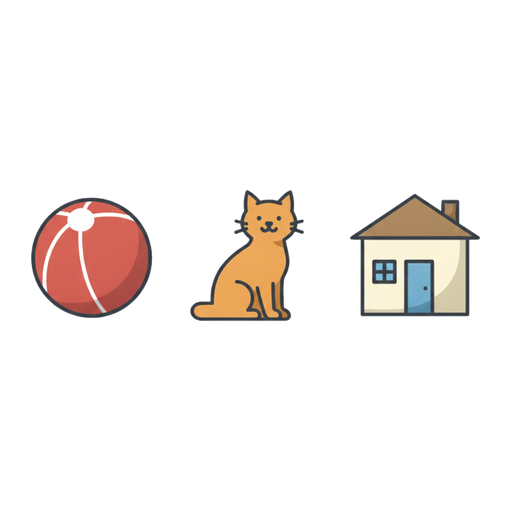 A noun is a word that names a person, an animal, a place or a thing, for example dog or house.
- word class
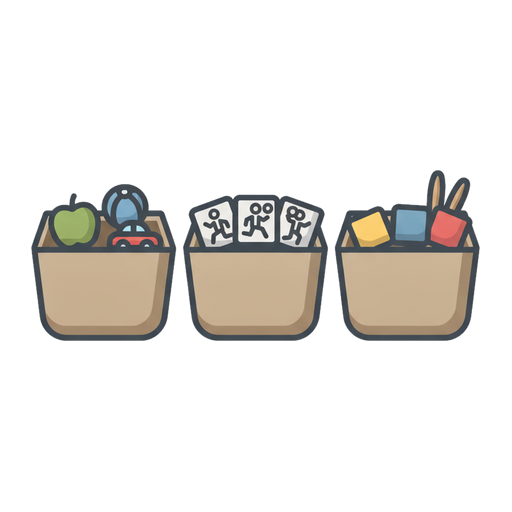 A word class is a group of words that work in the same way in a language. Nouns, verbs and adjectives are word classes.
- verb
- A verb is a word that tells what someone does or what happens, for example run or rain.
- common noun
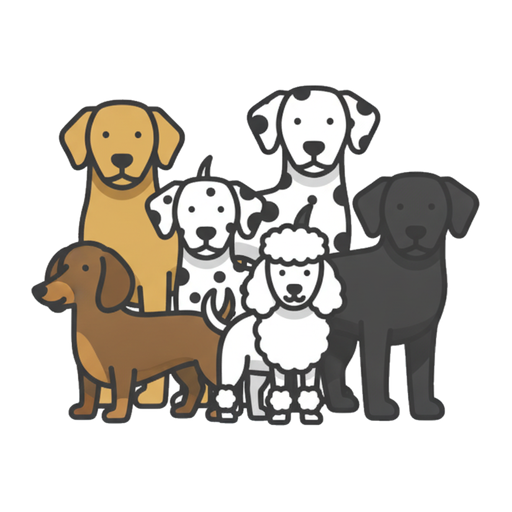 A common noun is a word for any thing of the same kind, for example dog or city. It is written with a small letter.
- proper noun
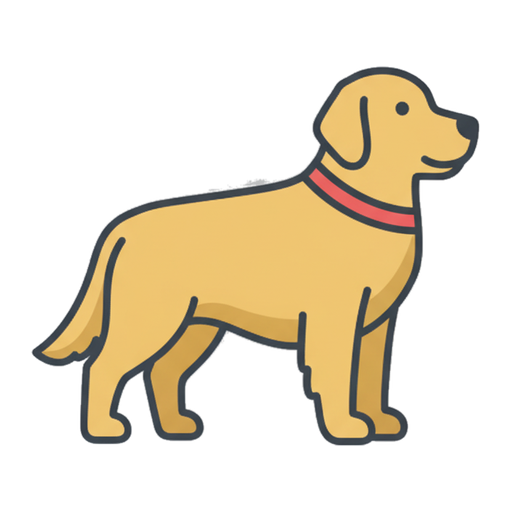 A proper noun is the name of one particular person, animal or place, for example Anna or London. It is written with a capital letter.
- plural
 The plural shows that there is more than one of something, for example cat and cats.
Related exercises
There is no exercise for this topic yet
Teacher or creator: make the first exercise with Puro Editor and choose Nouns and Pronouns as its topic. It will appear here as soon as it is published.
1. Which words name something?
Read the sentence: Mia and the team are playing on the field.
Which words tell who or what?
Mia, team and field name something.
They are nouns.2. The noun, a naming word
A noun names a person, an animal, a place, a thing or an idea.
Mother, fox, forest, ball and joy are nouns. Nouns are one word class.
3. How to recognise a noun
Ask: who or what? You can also put a, an or the in front: a ball, the team.
A verb tells what someone does, for example swim.
A noun names, for example swimmer.
In a dictionary you find the singular: balls is listed under ball.4. Common noun and proper noun
A common noun fits any thing of the same kind: lake, lighthouse, mountain. A proper noun is the own name of one place, person or animal: Pielinen, Bengtskär, Saana. A proper noun is written with a capital letter.

lake: Pielinen in Finland. Photo: Lake Pielinen from Ukko-Koli, Koli National Park, Finland, Pentti Rautio, CC BY-SA 3.0, modified: cropped to 512 × 512 px 
lighthouse: Bengtskär in Finland. Photo: Bengtskär lighthouse, Finland, Marjutlo, CC BY-SA 4.0, modified: cropped to 512 × 512 px 
mountain: Saana in Finland. Photo: Saana at Kilpisjärvi, 2012 March, Ximonic (Simo Räsänen), CC BY-SA 3.0, modified: cropped to 512 × 512 px 5. Singular and plural
Singular means one, for example one squirrel. Plural means more than one, for example squirrels.
Most plurals end in -s: ball – balls. After s, x, ch and sh we add -es: fox – foxes. Some words change: foot – feet. Some nouns cannot be counted, like water and milk: we do not say waters.
Singular: squirrel Plural: squirrels 6. Common mistakes
Months and days start with a capital letter: January, Monday.
Write the name of a city with a capital letter: London, not london.
Joy and friendship are nouns, even though you cannot touch them.
After a number we use the plural: three squirrels, not three squirrel.7. Practise in pairs
Find the nouns in the sentence “The goalkeeper stopped the ball in the match.”
Think of three common nouns and three proper nouns.
Make the words ball, fox and foot plural.
Correct the mistakes: Sam went to london on monday.


Summary
A noun names a person, an animal, a place, a thing or an idea. You recognise it by asking who or what, or by putting a, an or the in front. A common noun fits any thing of the same kind. A proper noun is an own name and is written with a capital letter. Plural means more than one, and most plurals end in -s.
Frequently asked questions
What is a noun?
A noun names a person, an animal, a place, a thing or an idea. For example, father, horse, shop, ball and joy are nouns.
Do months and days of the week get a capital letter?
Yes, in English they do. Write January and Friday with a capital letter, just like names such as Mia and London.
What is an uncountable noun?
It is a noun you cannot count one by one, like water, milk, music or homework. It has no plural: we say some water, not waters. To count it, use a unit: two glasses of water.