Ones and tens: slides and exercises for grades 1–2 (ages 7–8)
The decimal system for the early grades: two-digit numbers as tens and ones, and comparing numbers. Slides, explanations and exercises for grades 1–2.
In the decimal system, ten ones make one ten. That is why the number 47 can be read as four tens and seven ones. In this article, pupils practise reading two-digit numbers as tens and ones, and comparing numbers.
The article is made for grades 1–2, and every step is ready to show to the class as a slide. By the end, pupils can say how many tens and ones a number has, and decide which of two numbers is greater.
Key concepts
- decimal system
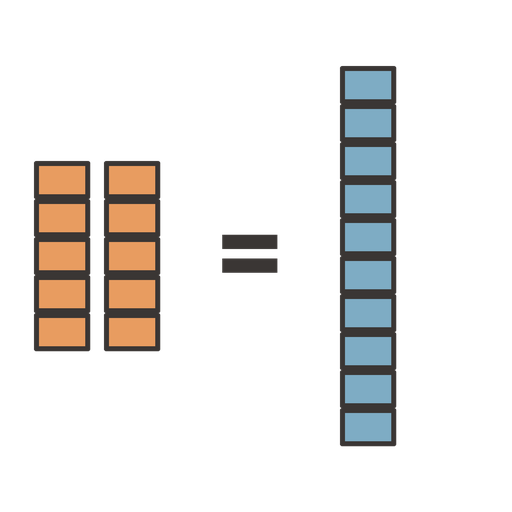 A number system in which ten of one unit make one of the next bigger unit, for example ten ones make one ten. It uses the ten digits 0 to 9.
- place value
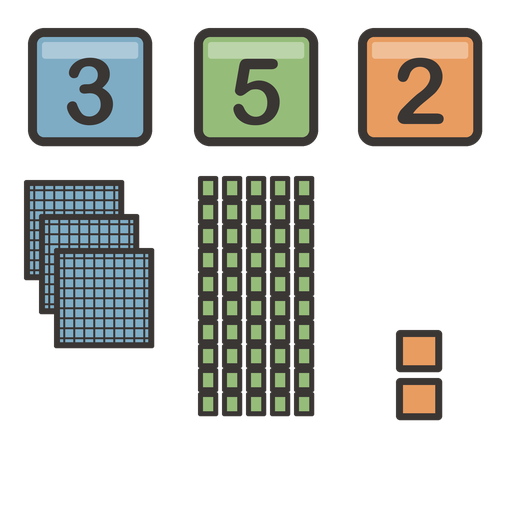 A digit's value depends on its place. In 352 the 3 means three hundred.
- tens
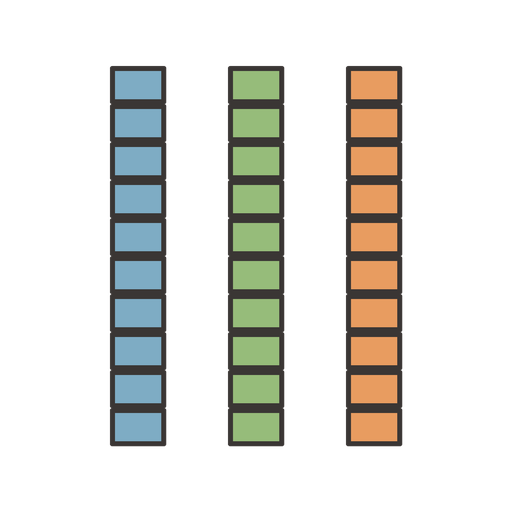 The second digit from the right tells how many tens a number has.
- digit
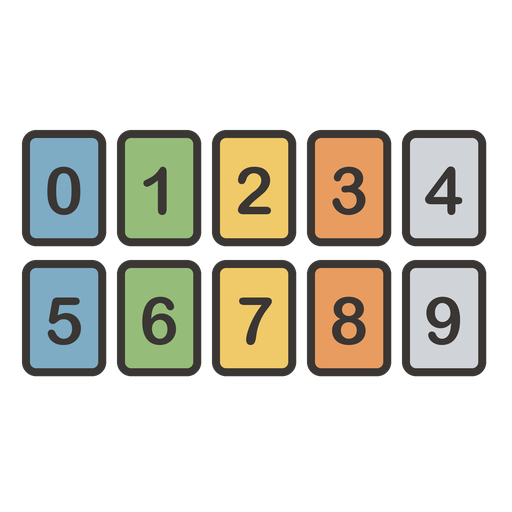 A sign used to write numbers. There are ten digits: 0 to 9.
- hundred
 Ten tens, or 100.
- greater than
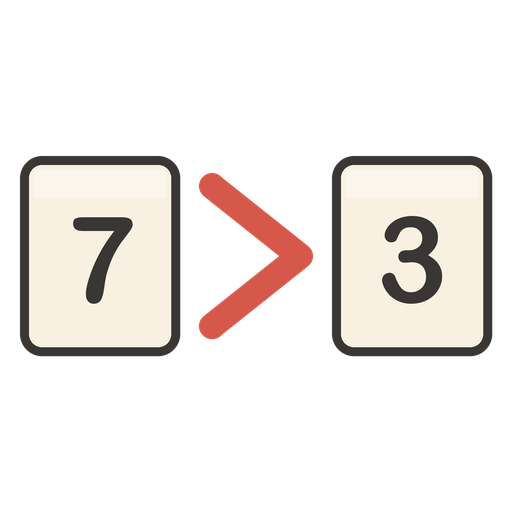 The sign > that shows the number on the left is bigger, like 7 > 3.
Related exercises
1. Four tens and seven
On a trip to the forest, 4 bags of ten pine cones and 7 loose cones are collected. How many cones are there in total?
Four bags are 40 cones. 40 + 7 = 47.
2. Tens and ones
A two-digit number has two digits. The left digit tells the tens, the right digit the ones.
The number 47 has 4 tens and 7 ones.
3. Read the number in parts
Let us look at the number 38: a team scored 38 goals in a season.
The digit 3 is in the tens place: 3 tens is 30.
The digit 8 is in the ones place: 8 ones.
So 38 = 30 + 8.4. Same digit, different value
The place of the digit decides.
In the number 24, the digit 2 is 2 tens. In the number 42, it is 2 ones.
24 = 20 + 4 42 = 40 + 2 5. Which is greater?
In the morning there are 41 birds in the tree, in the evening 38. Compare the tens first. The number 41 has 4 tens, the number 38 only 3.
So 41 > 38, even though it has fewer ones.
6. A common mistake: 407
Forty-seven is written 47.
Wrong: 407, where 40 and 7 are written one after the other.
Only 4 goes in the tens place.
In the ones place goes 7.7. Discuss in class
1. How many tens and how many ones are there in the number 29?
2. One team scored 35 goals, another 53. Which number is greater? Why?
3. There are 3 boxes of ten blueberries and 6 loose berries. Which number is 3 tens and 6 ones?
Summary
In the decimal system, ten ones make one ten. The left digit of a two-digit number tells the tens and the right digit the ones: 47 is 4 tens and 7 ones. The value of the same digit depends on its place. Numbers are compared by the tens first and then by the ones.
Frequently asked questions
What do ones and tens mean?
The tens tell how many groups of ten the number has, and the ones tell how many are left over. The number 47 has 4 tens and 7 ones.
How do you compare two numbers?
First compare the tens. If there are the same number of tens, compare the ones. For example, 53 > 35, because 5 tens is more than 3 tens.
What happens when there are ten tens?
Ten tens make a hundred, or 100. Then the number has three digits.