Percentages: hundredths, fractions and decimals, grades 5–6
Percent as a hundredth: link to fractions and decimals, part of a number, share as a percent and price reduction. Slides and exercises for grades 5–6.
A percent is a hundredth: 1% is 1/100 of a whole. You see percentages on a phone battery, in sales and in sports statistics, for example a goalkeeper's save percentage. Percent, fraction and decimal number can describe the same amount, and they all fit on the same number line.
The article is written for grades 5–6, and every step is ready to show to the class as a slide. Pupils convert a percent to a fraction and a decimal number, find a part of a number, work out a share as a percent and calculate a price reduction.
Key concepts
- percent
 One hundredth. 50 percent (50%) means half.
- hundredth
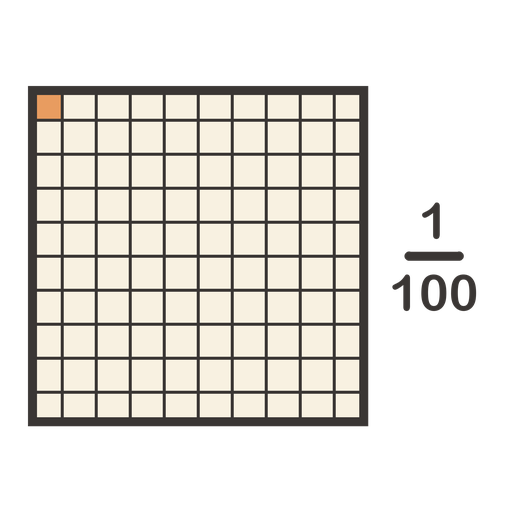 One of a hundred equal parts, 1/100 or 0.01.
- fraction
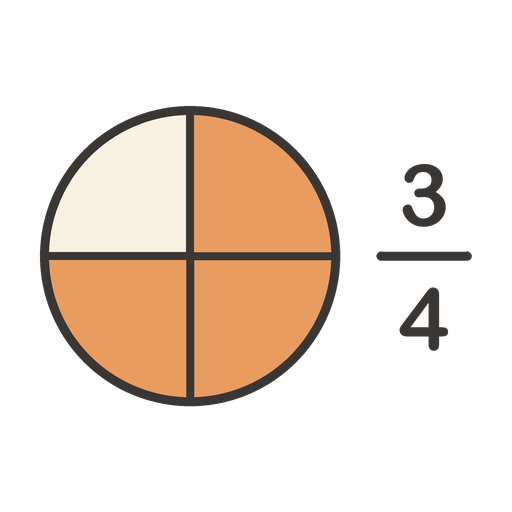 A number that shows part of a whole, like 3/4.
- decimal number
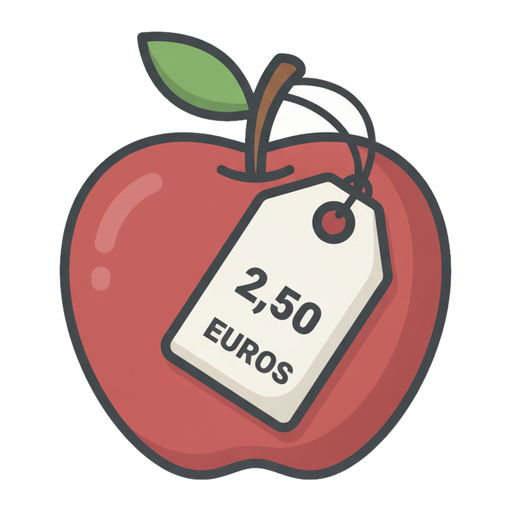 A number with a decimal point followed by parts smaller than one, like 2.5.
- tenth
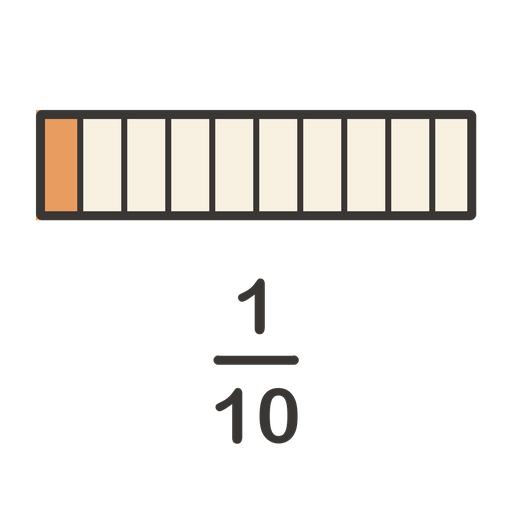 One of ten equal parts, 1/10 or 0.1.
- quarter
 One of four equal parts, 1/4.
- number line
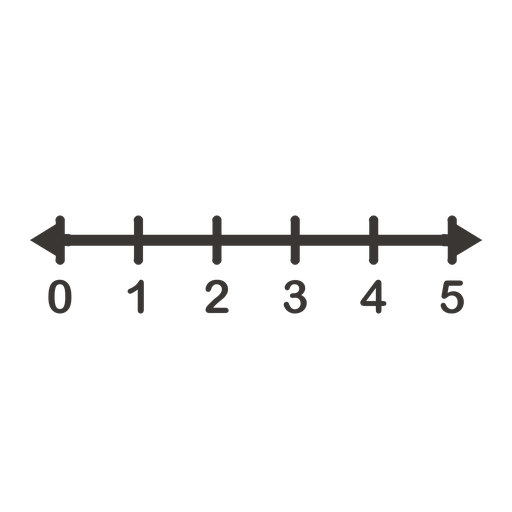 A straight line with numbers marked in order at equal spaces.
1. A percent is a hundredth
A percent is a hundredth. The whole is 100%, and 1% is 1/100 of it.
A phone battery is full when the charge is 100%. When the charge is 50%, half the battery is left. When the charge is 10%, a tenth is left.
2. The same amount in three ways
Percent, fraction and decimal number can describe the same amount. A percent is a hundredth: 25% is 25/100. In lowest terms it is one quarter, or 1/4, and as a decimal number it is 0.25.
3. Part of a number: 10%, 50% and 25%
Work out 10%, 50% and 25% of a football team's 80 shots.
10% is 1/10: 80 : 10 = 8
50% is 1/2: 80 : 2 = 40
25% is 1/4: 80 : 4 = 204. From one percent to any percent
On a nature trail, 200 trees were counted, and 35% of them were birches. How many birches are there?
First find 1%: 200 : 100 = 2 trees. Then 35 · 2 = 70 birches.
5. Which goalkeeper saves more?
Goalkeeper A saved 18 of 20 shots and goalkeeper B saved 7 of 10. The number of shots differs, so compare the save percentages, the share of shots saved: expand the fraction to a denominator of 100.
A: 18/20 = 90/100 = 90% B: 7/10 = 70/100 = 70% 6. The price falls by 20%
A ball costs 50 € and the price falls by 20%.
10% is 50 : 10 = 5
20% is 2 · 5 = 10 €
The new price is 50 − 10 = 40 €7. Solve and explain in pairs
1. Write 75% as a fraction and as a decimal number.
2. Work out 10% and 25% of 120.
3. A forest has 40 trees, and 10 of them are spruces. What percent are spruces?
4. A jacket costs 80 € and the price falls by 25%. What is the new price?
5. A friend says: “First 50% of the shots went in and then 50%, so 100% altogether.” What do you say?
Summary
A percent is a hundredth, and the whole is 100%. A percent can be written as a fraction and as a decimal number: 25% is 25/100, 1/4 and 0.25. You find a part of a number with a fraction (10% is 1/10) or by finding 1% first. You find a share as a percent by expanding the fraction to a denominator of 100. For a price reduction, first work out the amount of the percent and then subtract it. A percent is always a share of some whole.
Frequently asked questions
Is 50% always the same amount?
No. 50% is always a half, but a half of different wholes is a different amount. 50% of 10 is 5, and 50% of 200 is 100. A percent tells you the share, not the amount.
Can a percent be greater than 100?
Yes. 100% is the whole, and more than 100% is more than the whole. For example, 150% of 40 is 60. A part of a whole, however, is at most 100%.
Can you add up percents from different situations?
No, not if the wholes are different sizes. If the first match had 10 shots and the second 20, then 5 + 10 = 15 shots out of 30 went in. That is 50%, not 100%.
Related content
Try exercises
Have you taught this topic? Create an exercise on it for your class.