
The Renaissance: teaching, slides and questions
The Renaissance in Florence and Venice, the Medici, Leonardo, Michelangelo, Gutenberg's printing press and humanism, with pictures and maps for grades 4–6.
The Renaissance is a period in European history that began in the cities of Italy in the 1300s. The article looks at Florence and Venice, artists and scholars, the printing press and humanism. It suits history in grades 4–6, and each step can be shown to the class as a slide.
At the end, students can tell where and when the Renaissance began, who the famous people of the Renaissance were and why the printing press changed Europe. They know the words Renaissance, humanist, patron and printing press.
Key concepts
- Renaissance
 The Renaissance was a cultural period that began in Italy in the 1300s and spread to the rest of Europe in the 1400s and 1500s. The word means rebirth, because people began to study the science and art of antiquity again. Its best-known artists include Leonardo da Vinci and Michelangelo.
- humanist
 During the Renaissance a humanist was a scholar who studied ancient writings and emphasized human abilities and education. One well-known humanist was Erasmus of Rotterdam. Today the word can also mean a scholar in the humanities or a person who bases their values on humanity rather than religion.
- patron
 A rich person who paid artists and scholars for their work. The Medici of Florence were famous patrons, and many Renaissance works of art would not exist without them. Popes also ordered great works of art.
- printing press
 The machine Johannes Gutenberg developed in Mainz in the 1450s to print many books quickly. It used movable type, which was put together one page at a time. Printing spread knowledge and helped the Reformation spread.
- dome
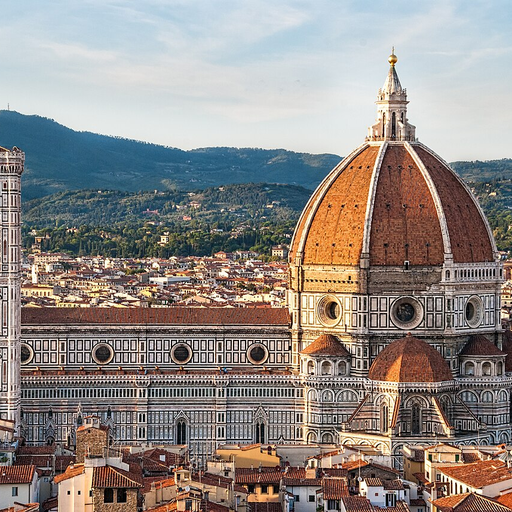 A roof shaped like half a ball. Filippo Brunelleschi built a huge dome for Florence Cathedral from 1420 to 1436 without wooden supports, which people thought was a marvel. It is still the largest brick dome in the world.
- fresco
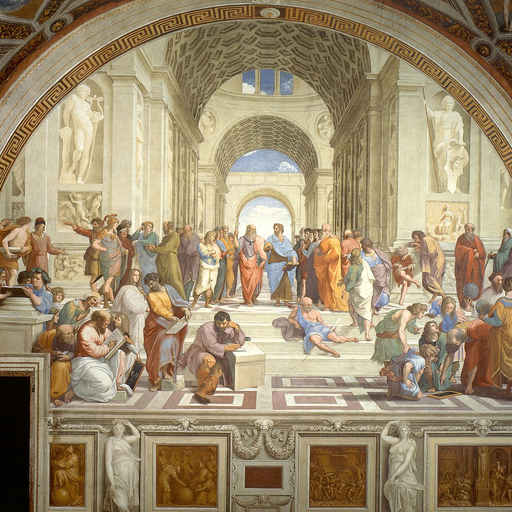 A painting on wet plaster on a wall or ceiling, where the colour soaks into the wall and lasts for centuries. The artist had to paint quickly before the plaster dried. Raphael's School of Athens and Michelangelo's Sistine Chapel ceiling are famous frescoes.
- telescope
 A tube with lenses that makes faraway things look closer. The telescope was invented in the Netherlands in 1608, and Galileo Galilei soon pointed one at the sky. He saw craters on the Moon and moons of Jupiter.
- city-state
- A city-state is an independent state made up of a city and the countryside around it. In ancient Greece a city-state was called a polis, and the best known were Athens and Sparta. There were also city-states in medieval Italy, for example, and Singapore is one today.
Related exercises
There is no exercise for this topic yet
Teacher or creator: make the first exercise with Puro Editor and choose Renaissance and Reformation as its topic. It will appear here as soon as it is published.
1. What do you know about the Renaissance?
What does the word Renaissance mean?
In which country did the Renaissance begin?
What did Leonardo da Vinci and Michelangelo do?
How were books made before the printing press?2. A new beginning in Italy
Renaissance means rebirth. It began in Italy in the 1300s and flourished in the 1400s and 1500s. Italy was not one country. It had many city-states, such as Florence, Venice and Milan. People became excited again about the books and art of ancient Rome and Greece.
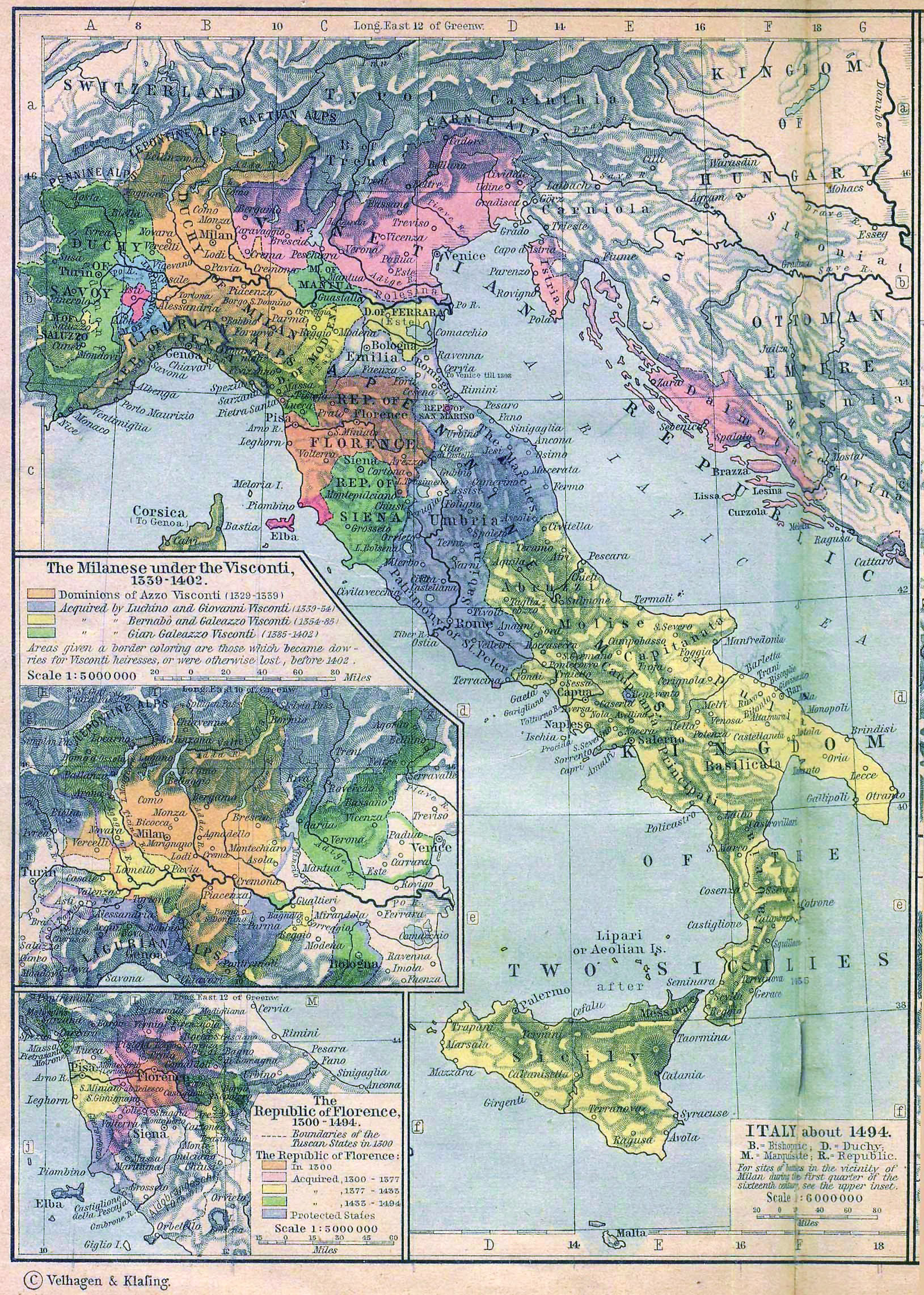
Italy around 1494. An old history map with the names in English. Different colours show the areas of different states.. Photo: Italy 1494 shepherd, William R. Shepherd (Historical Atlas), Public domain, modified: reduced in size 3. Florence and Venice: the rich cities
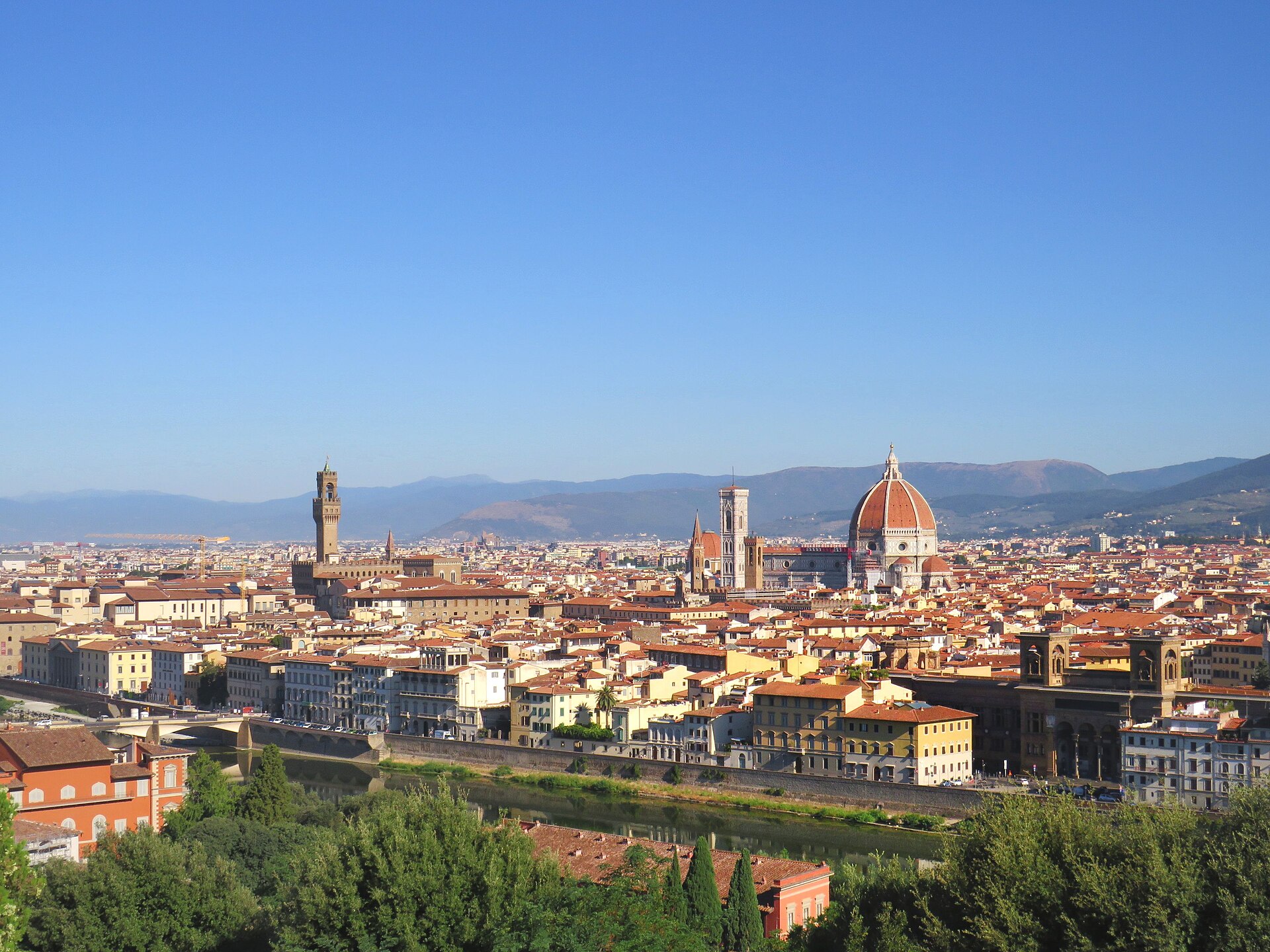
Florence and Venice grew rich through trade and banking. In Florence the Medici family ran a bank and supported artists. A rich supporter of the arts is called a patron. The dome of Florence Cathedral was completed in 1436 according to Brunelleschi's plans.
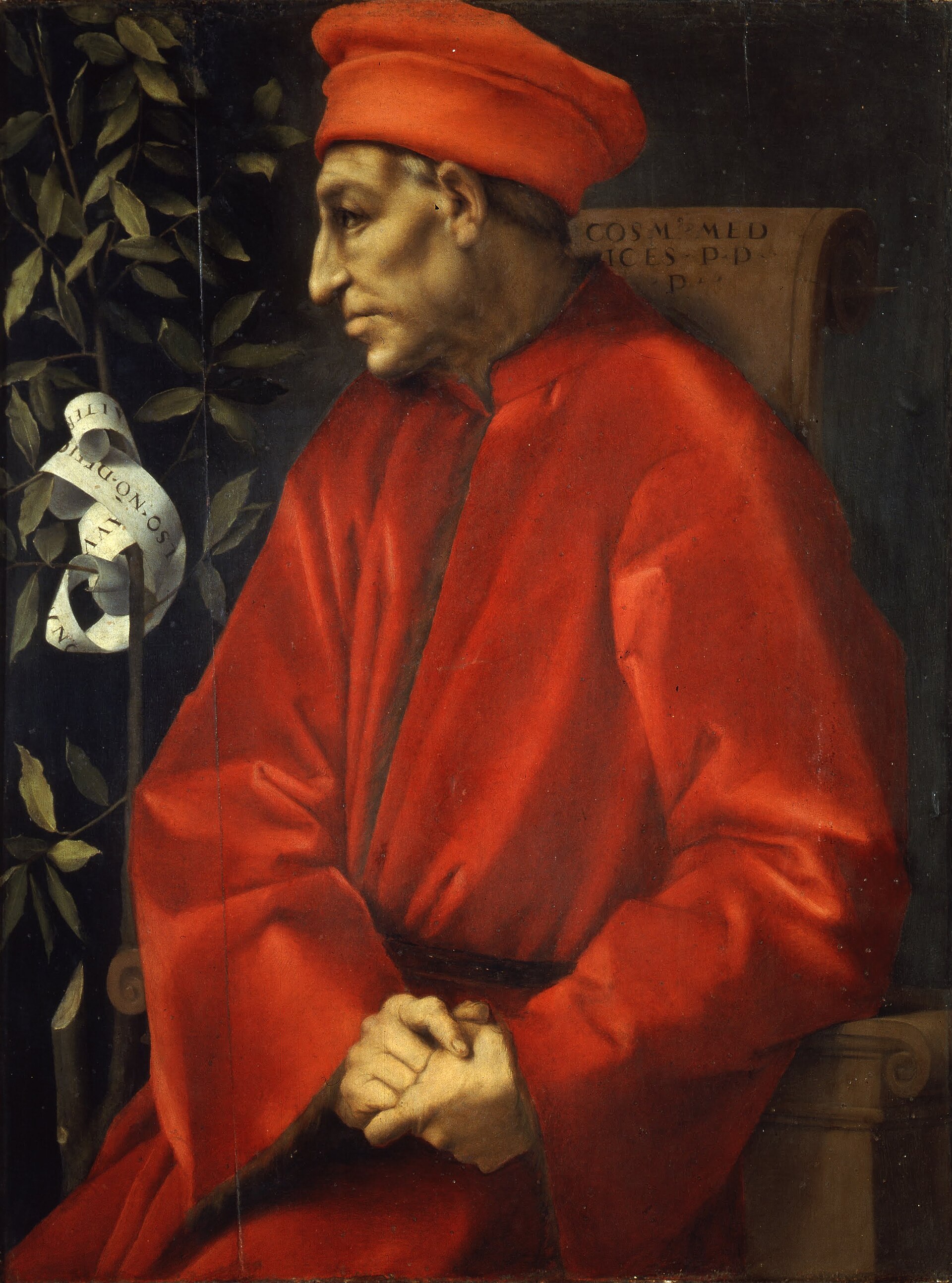
Cosimo de’ Medici (1389–1464), the richest banker in Florence. The portrait was painted only around 1520, long after his death.. Photo: Ritratto di Cosimo il Vecchio, Jacopo Pontormo, Public domain, modified: reduced in size 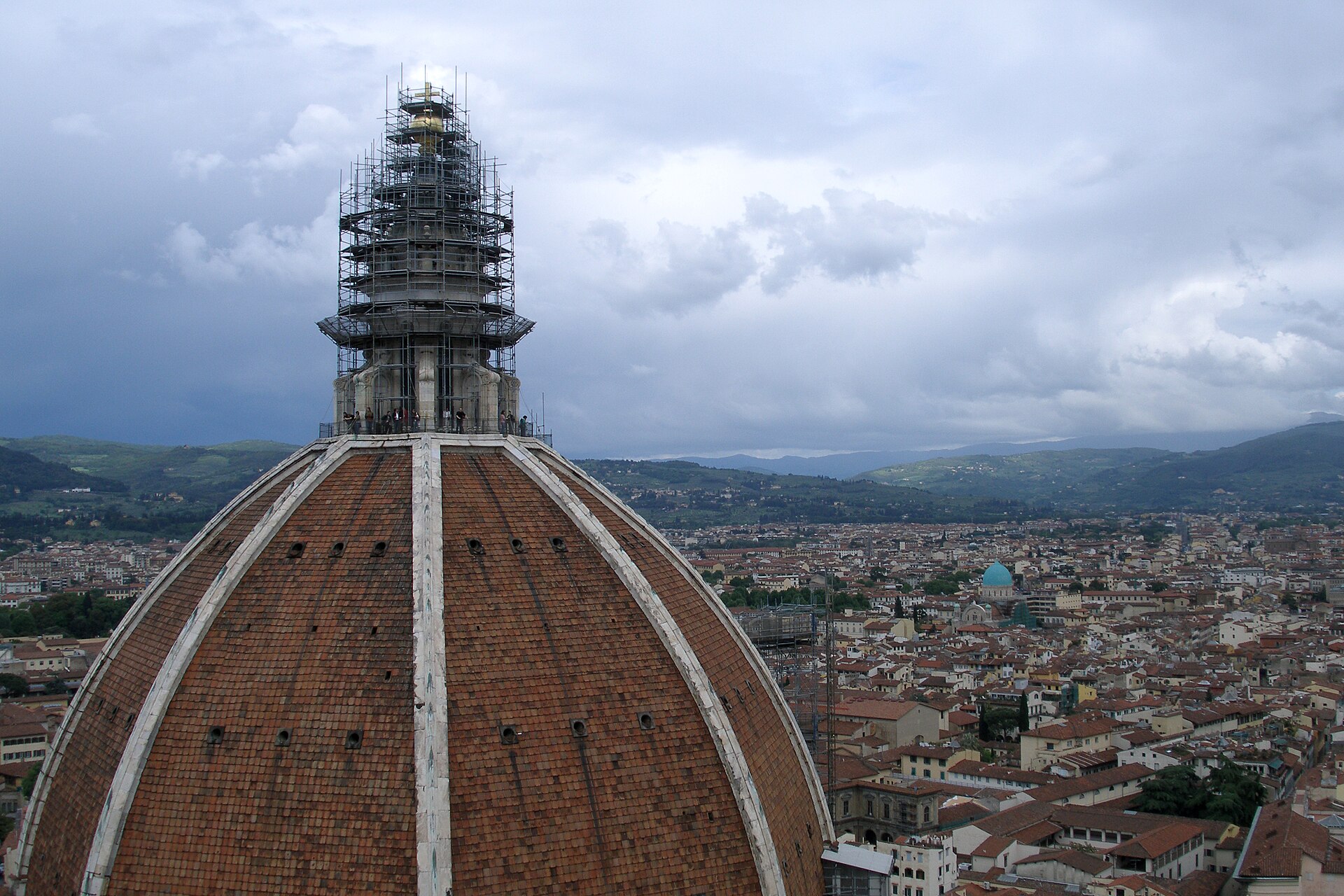
The dome of Florence Cathedral seen from the bell tower. Brunelleschi's dome was completed in 1436. In the picture the lantern at the top is in scaffolding.. Photo: Florence, Italy, Brunelleschi’s Dome of Florence Cathedral, Vyacheslav Argenberg, CC BY 4.0, modified: reduced in size 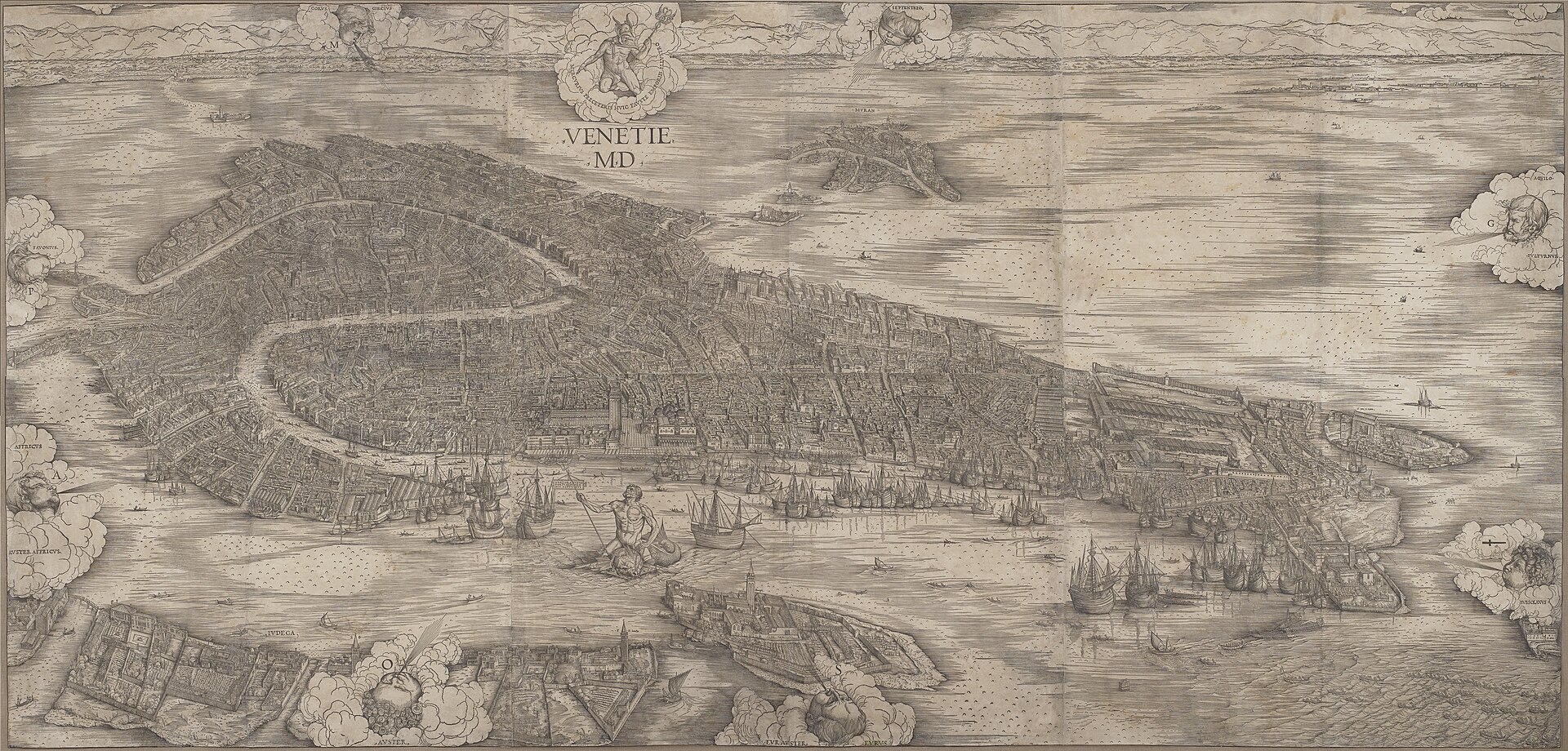
Venice in 1500 in Jacopo de’ Barbari's large woodcut. There are many sailing ships in the lagoon.. Photo: View of Venice, Jacopo de’ Barbari, Public domain, modified: reduced in size 4. Artists and scholars
Renaissance artists studied people and nature. Leonardo drew the proportions of the body, Michelangelo carved and painted frescoes and Raphael painted Madonnas. Scholars looked at the sky with new eyes: Copernicus thought that the Earth goes around the Sun, and Galileo used a telescope.
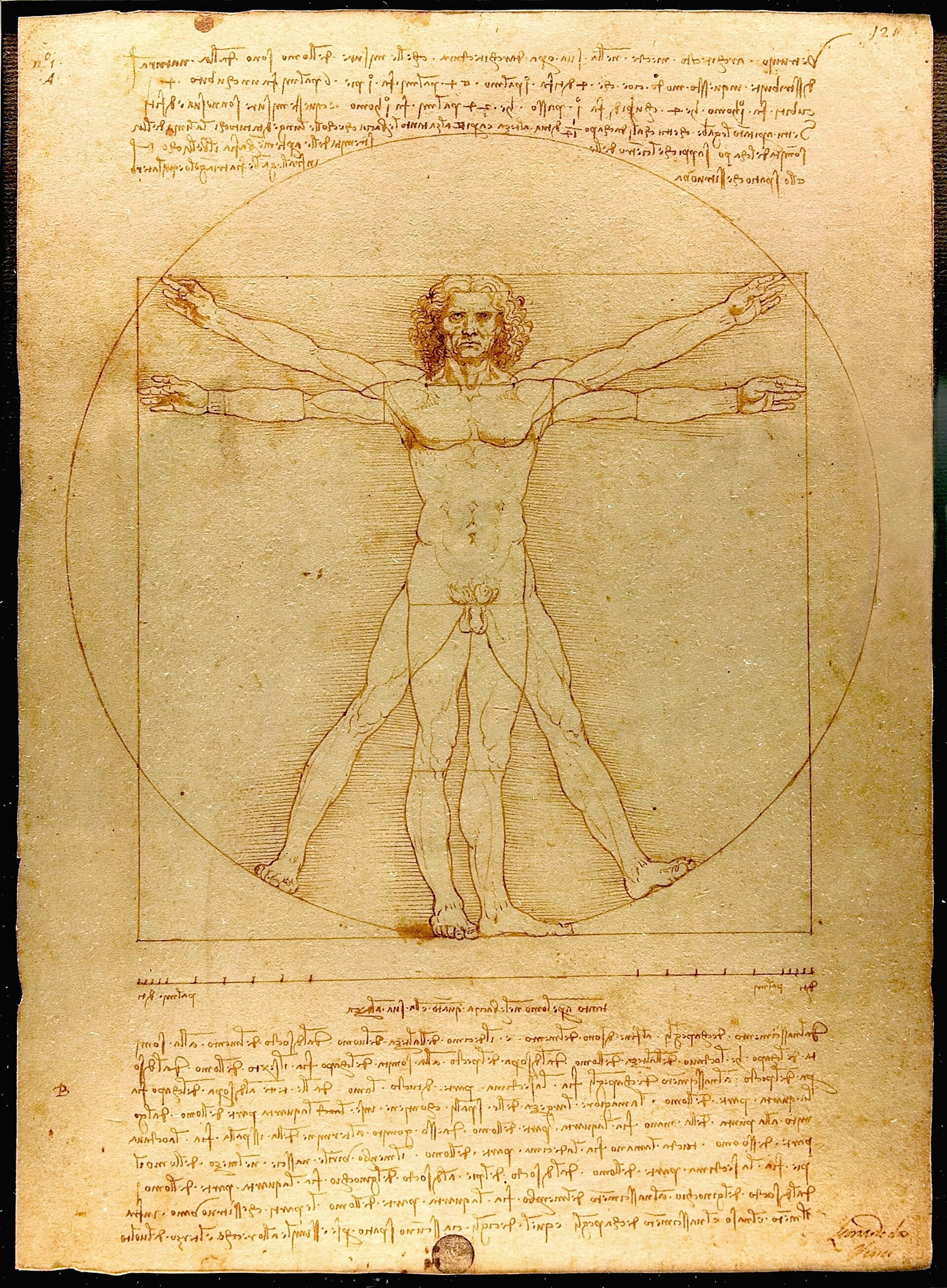
Leonardo da Vinci's drawing of human proportions (c. 1490). The text is written in mirror writing.. Photo: Vitruvian Man, Leonardo da Vinci, Public domain, modified: reduced in size 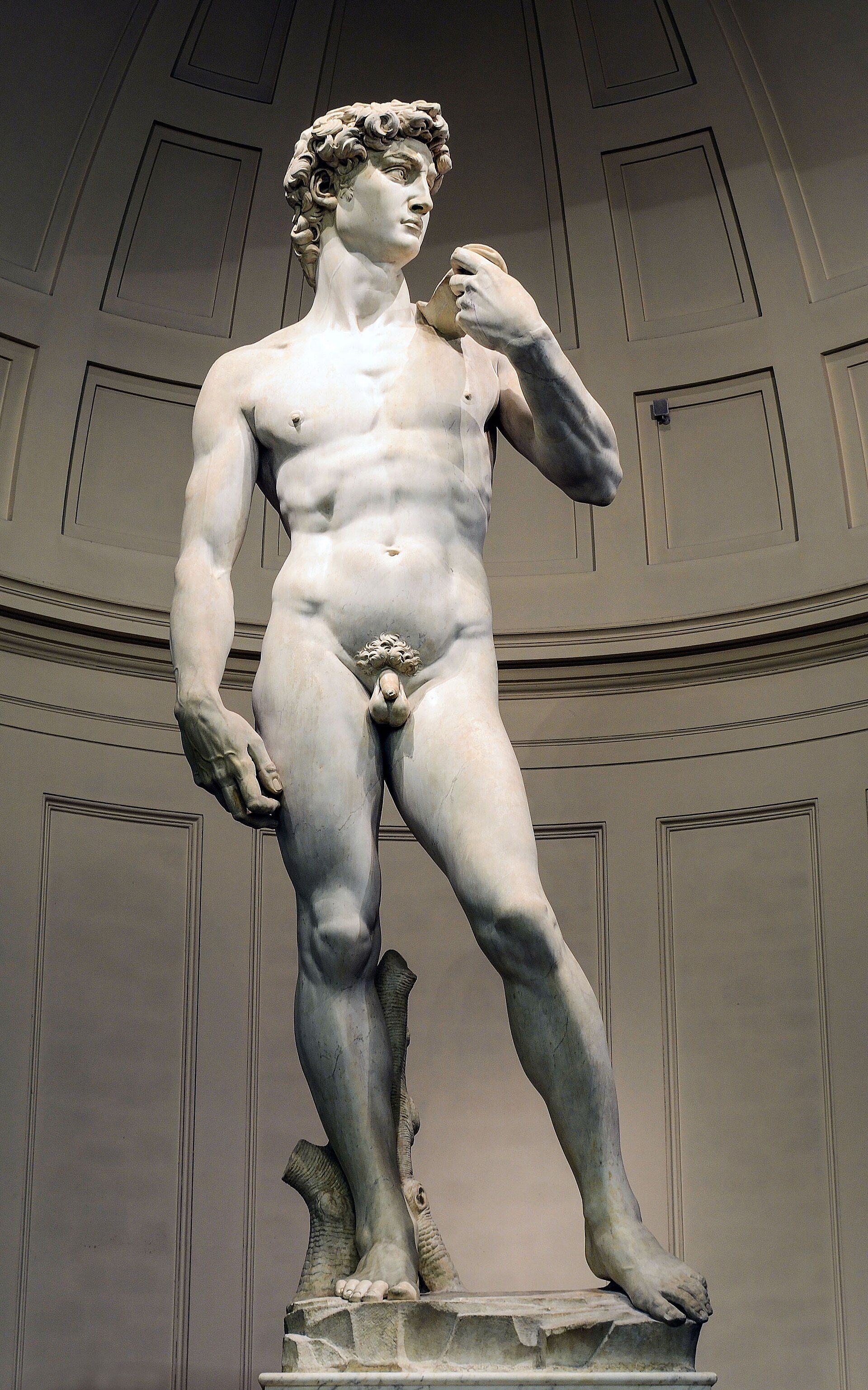
Michelangelo's statue of David in the Accademia Gallery in Florence. The statue is over 5 metres tall.. Photo: Michelangelo’s David 2015, Livioandronico2013, CC BY-SA 4.0, modified: reduced in size 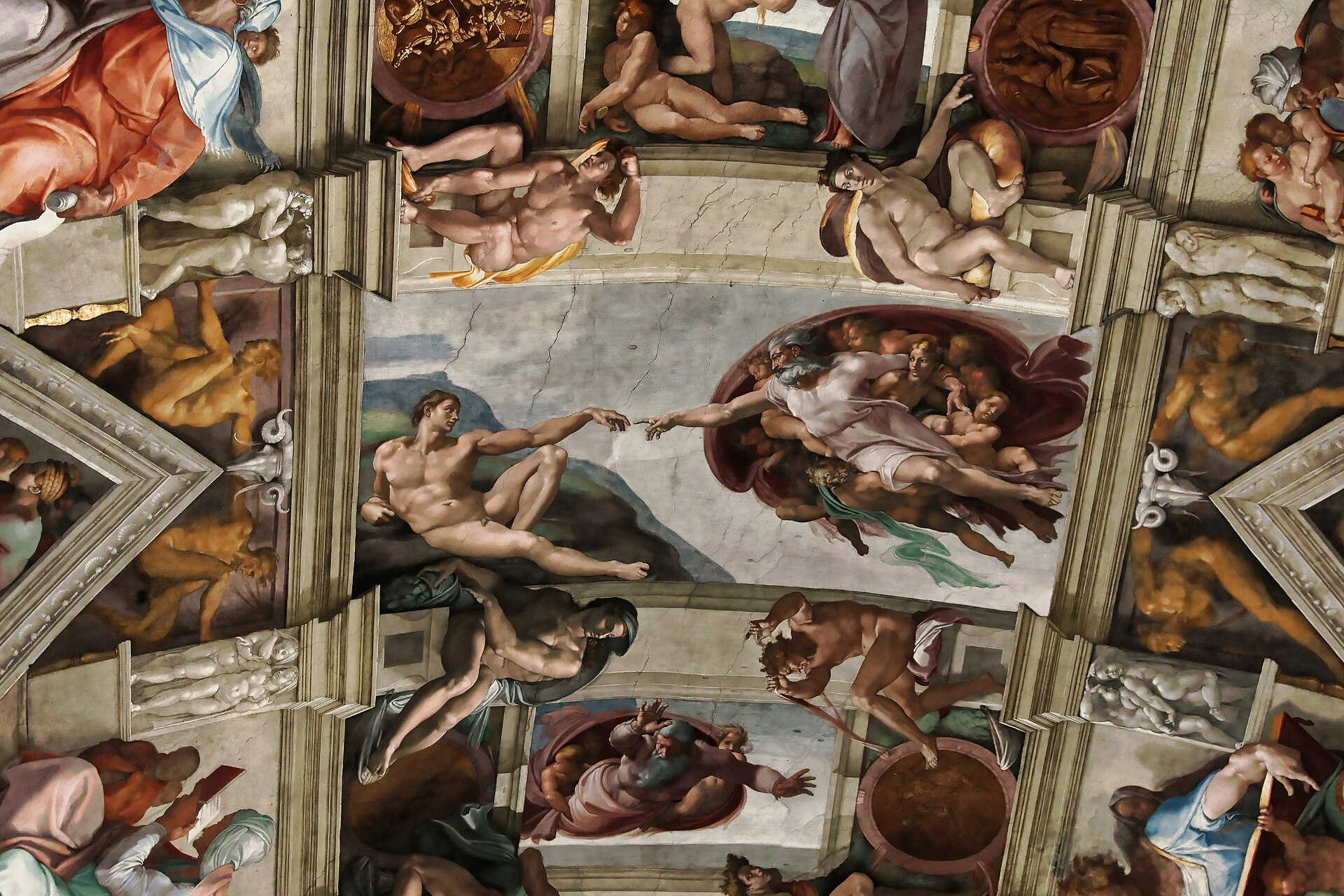
Michelangelo's The Creation of Adam on the ceiling of the Sistine Chapel in the Vatican. The ceiling was painted in 1508–1512.. Photo: Sistine Chapel ceiling, Creation of Adam, Michelangelo, Public domain, modified: reduced in size 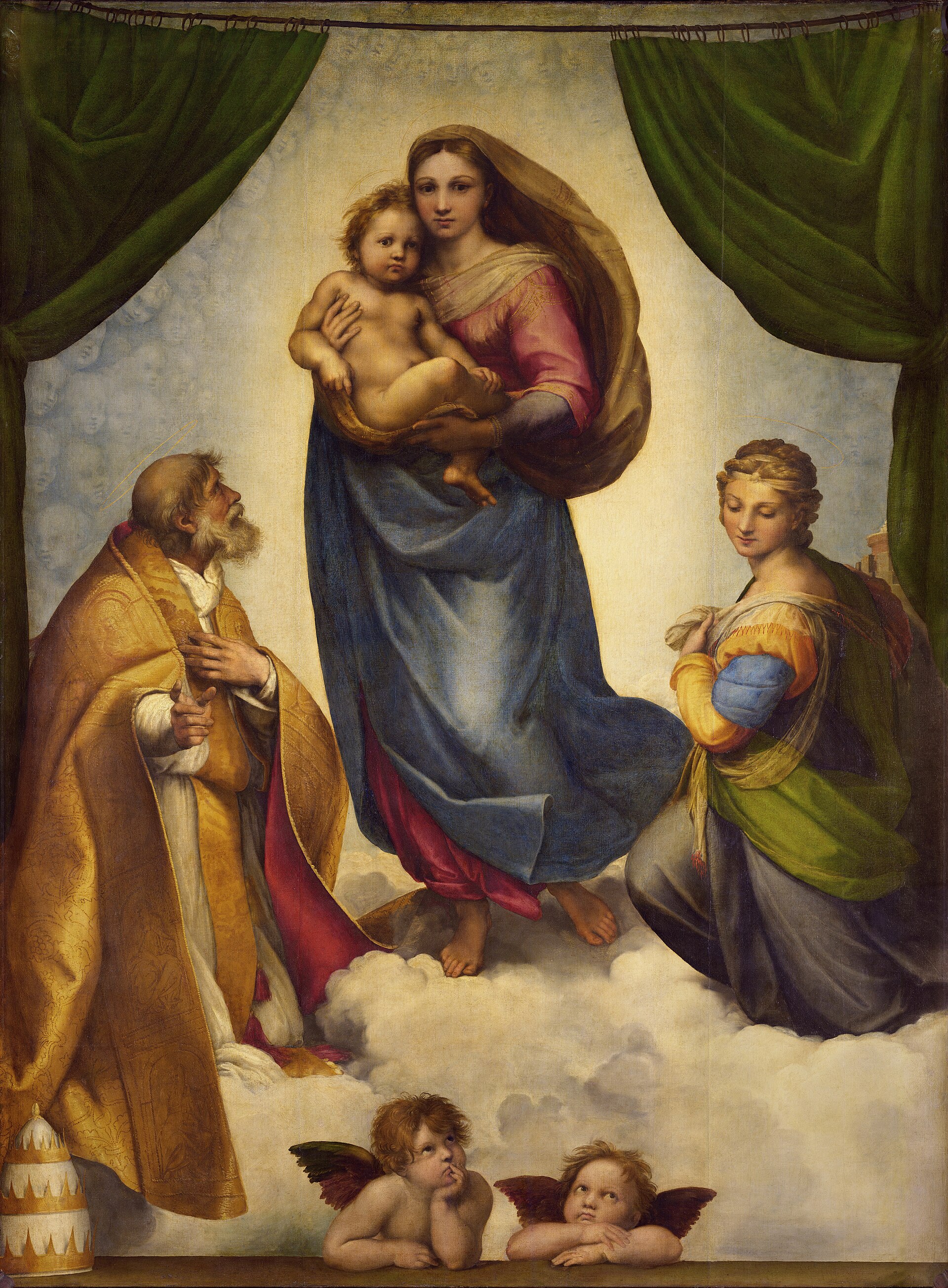
Raphael's Sistine Madonna (c. 1512). The painting is now in Dresden, Germany.. Photo: The Sistine Madonna, Rafael (Raffaello Sanzio), Public domain, modified: reduced in size 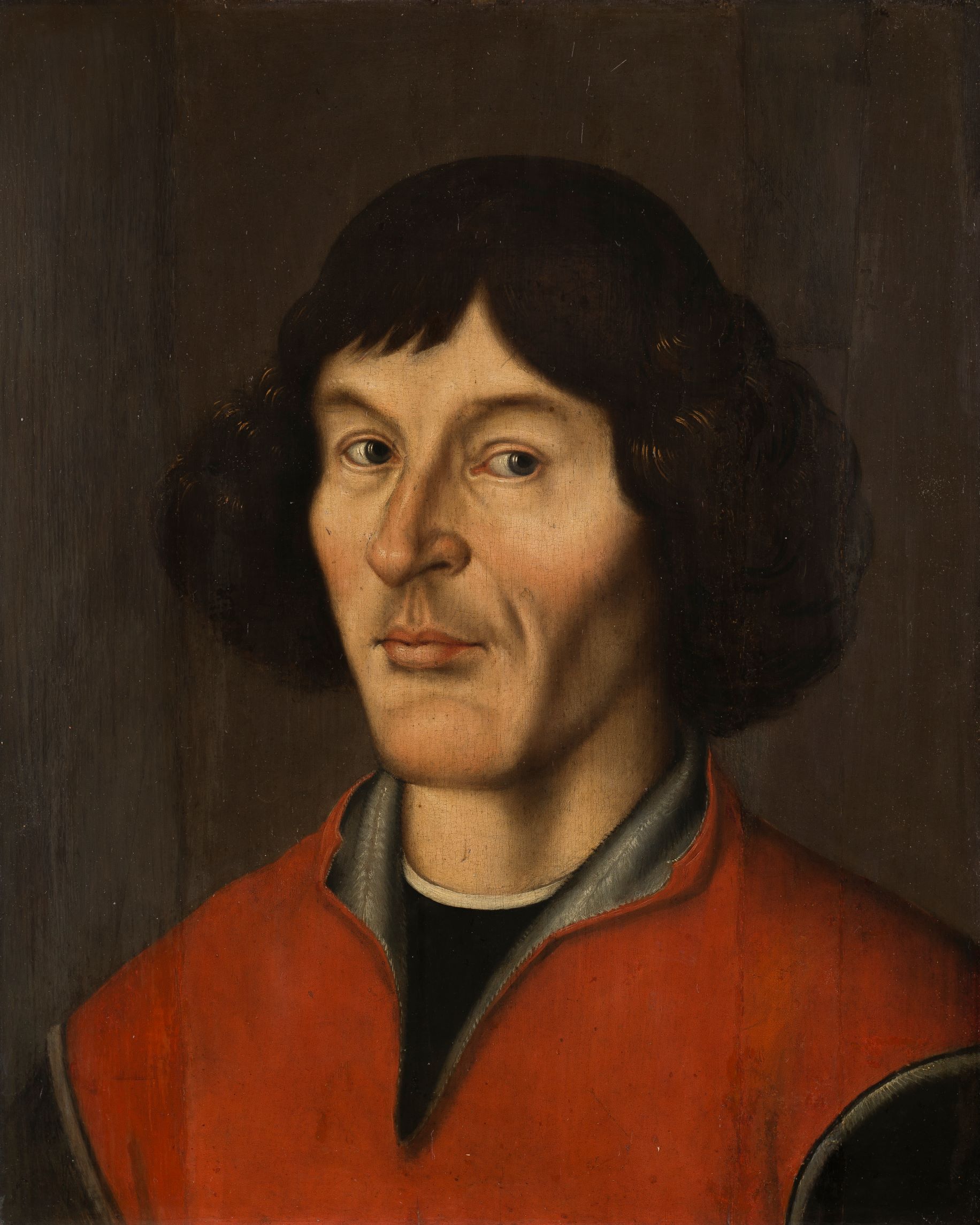
Portrait of Nicolaus Copernicus from Toruń Town Hall. The picture was painted after his death, around 1580.. Photo: Nikolaus Kopernikus MOT, tuntematon taiteilija, Public domain, modified: reduced in size 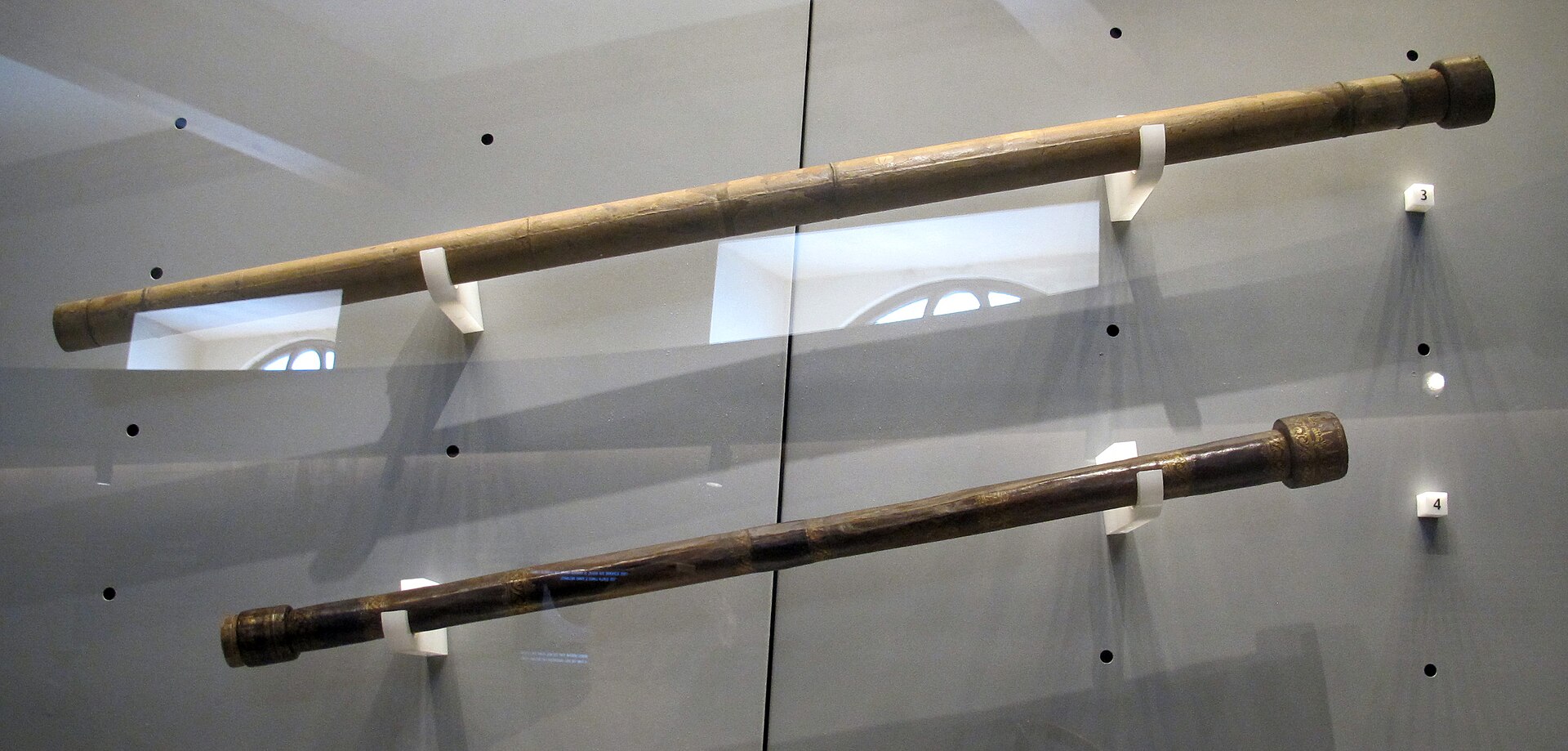
Two telescopes made by Galileo Galilei in 1609–1610 in the Museo Galileo in Florence.. Photo: Galileo galilei, telescopi del 1609-10 ca., Sailko, CC BY-SA 3.0, modified: reduced in size - c. 1490 Leonardo da Vinci draws human proportions
- 1501–1504 Michelangelo carves David for Florence
- 1508–1512 Michelangelo paints the ceiling of the Sistine Chapel
- c. 1512 Raphael paints the Sistine Madonna
- 1543 Copernicus publishes a book: the Earth goes around the Sun
- 1609–1610 Galileo studies the sky with a telescope
5. The printing press spreads ideas
The German Johannes Gutenberg invented in Mainz, around 1450, a way of printing books with movable type. The printing press made books cheaper and faster to produce. Before that, books were copied by hand. Printed books spread new ideas quickly to different countries.
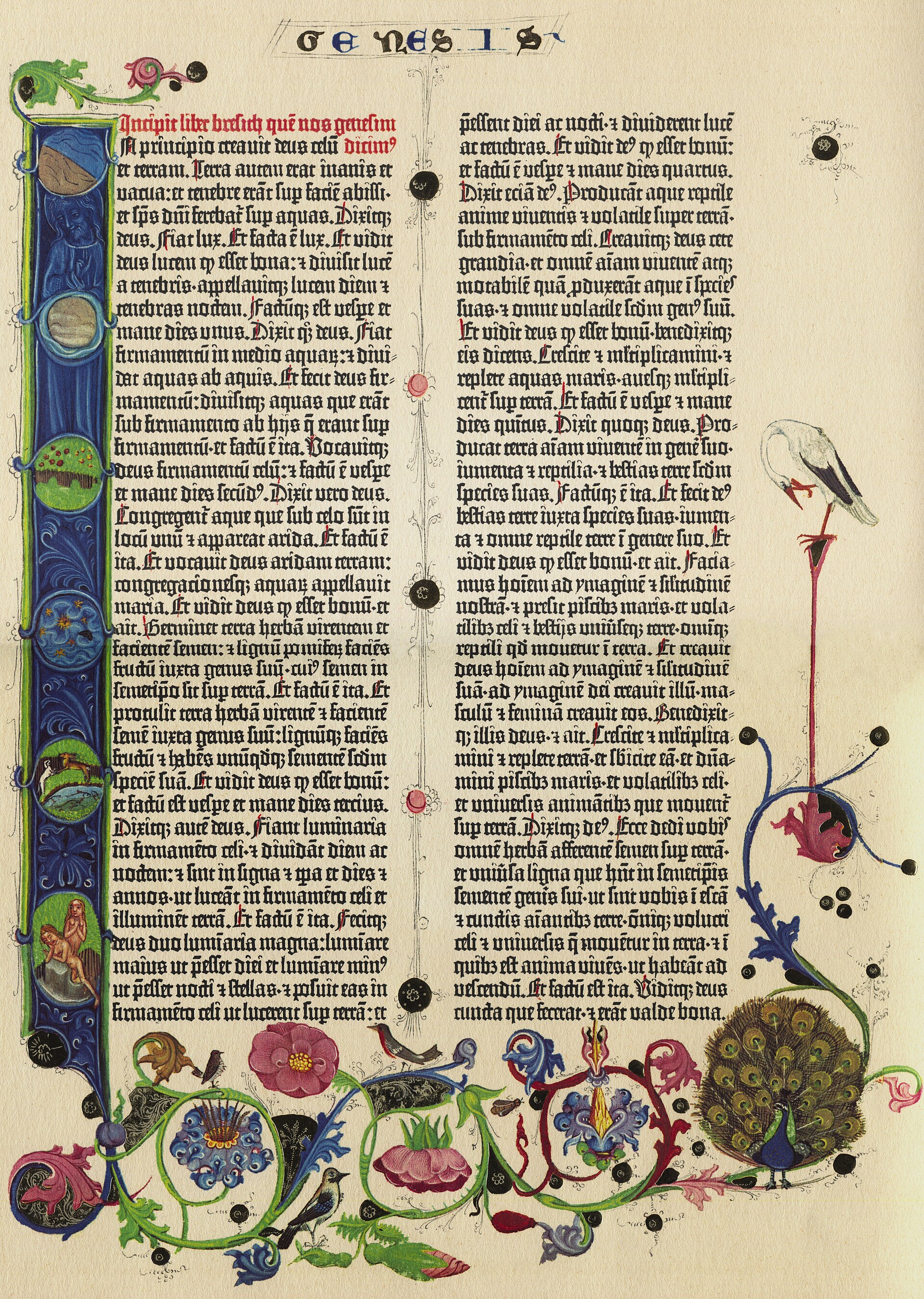
The beginning of the Book of Genesis in the Gutenberg Bible, printed around 1455. This decorated copy is in the Berlin State Library.. Photo: Gutenberg Bible B42 Genesis, Johannes Gutenberg (painaja), skannaus Jossi, Public domain, modified: reduced in size 6. Humanism spreads north
Humanists studied the writers of antiquity and wanted schools to teach Latin, Greek and history. Their ideas spread north of the Alps. Erasmus of Rotterdam wrote books, and Dürer of Nuremberg painted and drew. The voyages of exploration also began during the Renaissance.
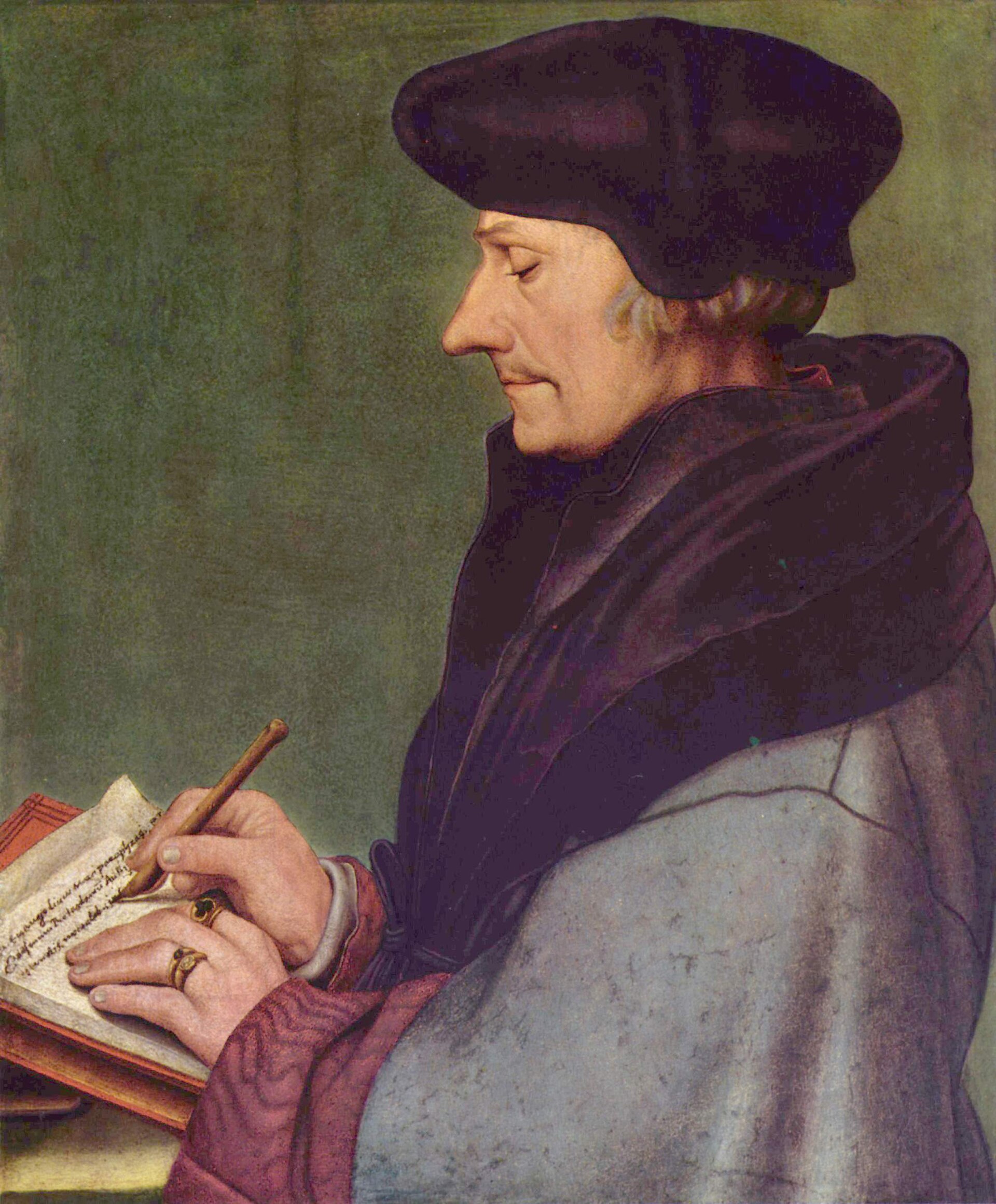
Erasmus of Rotterdam writing. Hans Holbein the Younger painted him around 1523.. Photo: Portrait of Erasmus of Rotterdam, Hans Holbein nuorempi, Public domain, modified: reduced in size 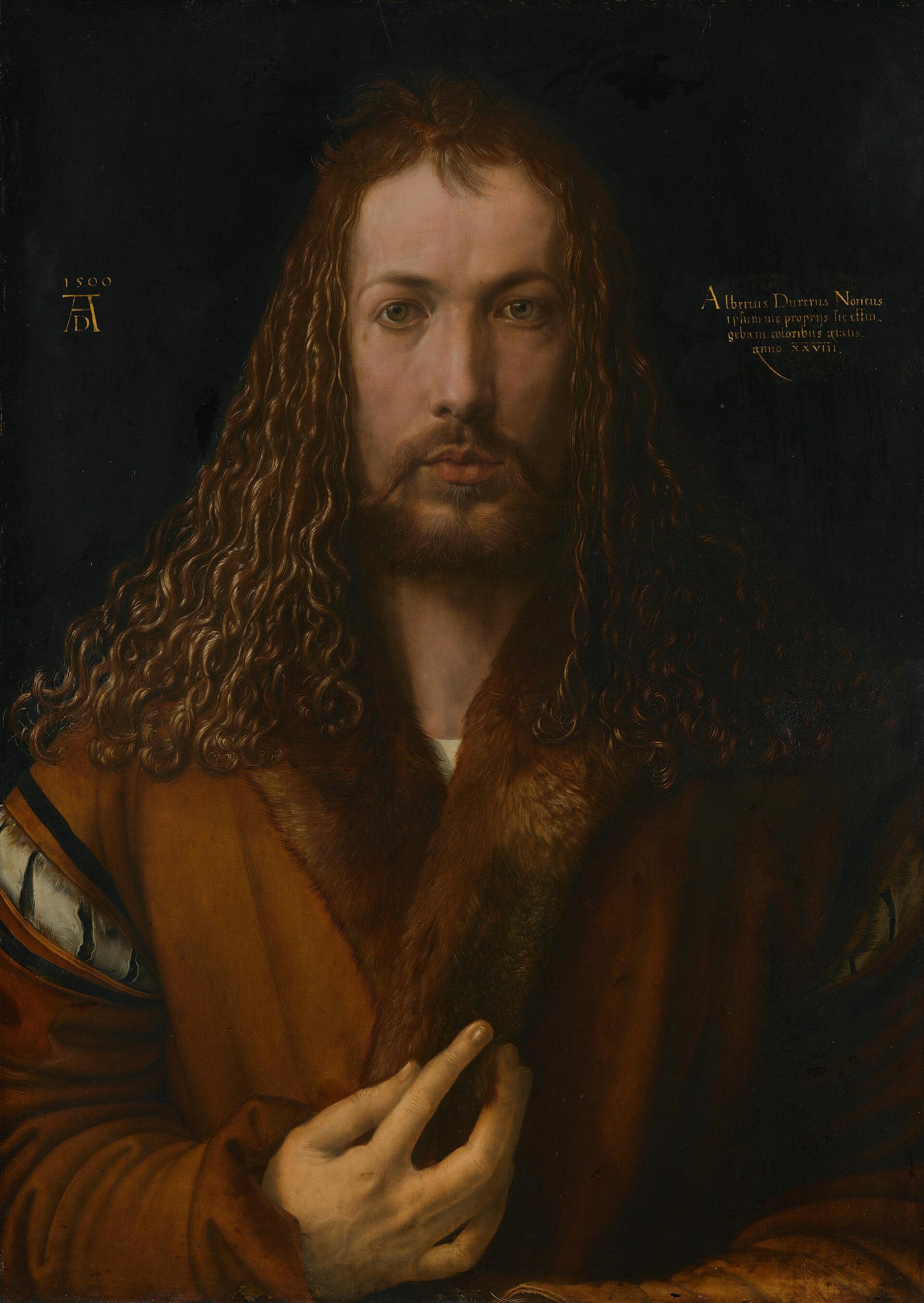
Albrecht Dürer's self-portrait from 1500. Dürer lived in Nuremberg. The inscription in the picture is in Latin.. Photo: Self-portrait (Alte Pinakothek, Munich), Albrecht Dürer, Public domain, modified: reduced in size 7. Discuss in pairs
Why did the Renaissance begin in rich cities?
Why did rich families pay artists?
How did the printing press change what people knew?
Why is the Renaissance called a rebirth?


Summary
Renaissance means rebirth. It began in the 1300s in the rich city-states of Italy, such as Florence and Venice. Patrons like the Medici family supported artists, and Brunelleschi designed the dome of Florence. Leonardo, Michelangelo and Raphael made famous works, and Copernicus and Galileo studied the sky. Gutenberg developed the printing press around 1450, and printed books spread the ideas of the humanists north of the Alps. The voyages of exploration began at about the same time.
Frequently asked questions
What does Renaissance mean?
The word means rebirth. In Italy, people became excited again about the books, art and buildings of ancient Rome and Greece. The period lasts from about the 1300s to the 1500s.
Why did the Renaissance begin in Italy?
There were several reasons. The cities of Italy grew rich through trade and banking, and rich families paid for art. Italy also had many ruins of ancient Rome and old books.
Was the Middle Ages a dark age?
No, it was not. In the Middle Ages universities were founded and great cathedrals were built. People of the Renaissance built on these. There is no single year that draws a line between the Middle Ages and the Renaissance.