
Roman government: teaching, slides and questions
How was Rome ruled? The republic, the senate and the consuls, Julius Caesar, Augustus and the emperors, with pictures, for grades 4–6.
Rome was first a republic and then an empire. The article looks at who made the decisions in Rome and how power changed. It suits history lessons in grades 4–6, and every step can be shown to the class as a slide.
At the end, the pupil can tell what a consul and the senate were and who was allowed to vote. They also know why Rome got an emperor and who the well-known emperors were.
Key concepts
- republic
- A republic is a form of state in which the head of state is not a hereditary monarch but is usually chosen for a fixed term. Finland has been a republic since 1919. The word comes from the Latin res publica, meaning public matter.
- emperor
 The highest ruler of the Roman Empire. The first emperor was Augustus, who came to power in 27 BC. The emperor's face and name were stamped on coins, and many emperors were worshipped as gods after they died.
- forum
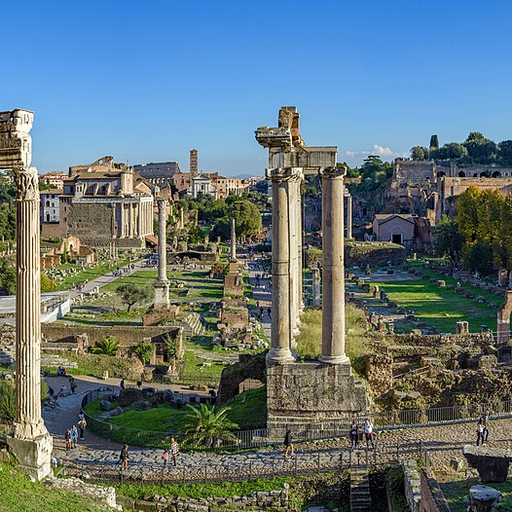 The central square of a Roman town, surrounded by temples, shops and government buildings. Speeches, trials and festivals took place there. The Forum Romanum in Rome was the heart of the whole empire.
- denarius
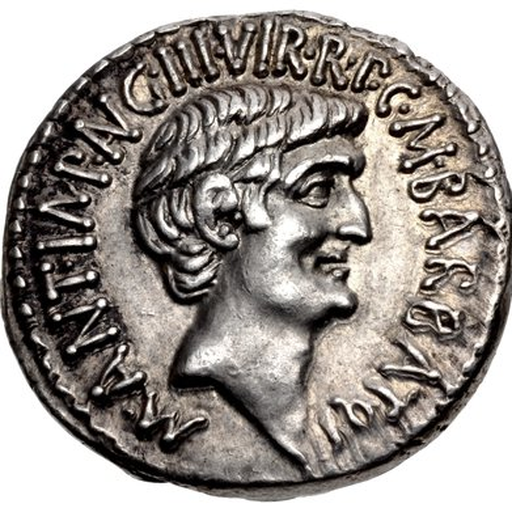 A Roman silver coin, often with the emperor's portrait and name. For hundreds of years the denarius was Rome's most important coin, used for example to pay soldiers. From coins, researchers can tell who ruled and when.
- voting
 Voting means that a person states their own choice in an election or a decision. In Finland, citizens aged 18 or over have the right to vote in national elections, and the secret ballot means that no one can find out how another person voted.
- law
 A law is a shared rule of society that everyone must follow. In Finland laws are passed by parliament, and the courts decide whether a law has been broken.
Related exercises
There is no exercise for this topic yet
Teacher or creator: make the first exercise with Puro Editor and choose Ancient Rome as its topic. It will appear here as soon as it is published.
1. What do you know about how Rome was ruled?
Who made the decisions in Rome?
What does republic mean?
Why did Rome get an emperor?
Was everyone allowed to vote?2. From kings to emperors
According to tradition, the last king of Rome was expelled in 509 BCE. After that Rome was a republic for nearly 500 years. In 27 BCE the empire began.
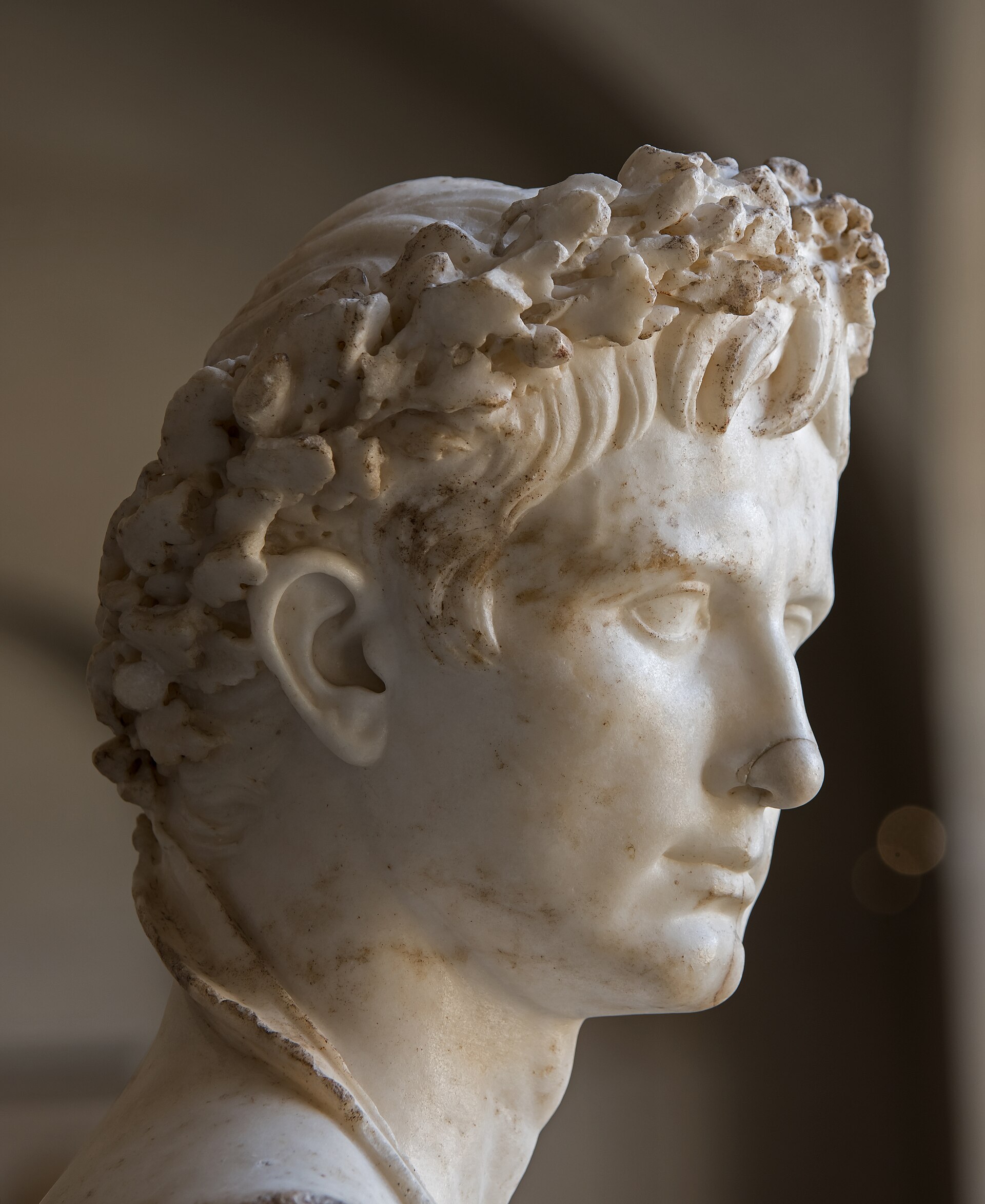
The emperor Augustus (27 BCE–14 CE). He ruled for about 40 years. The sculpture is in the Glyptothek in Munich.. Photo: Glyptothek München – 18.04.2022 – Augustus Bevilacqua (1), Dan Mihai Pitea, CC BY-SA 4.0, modified: reduced in size 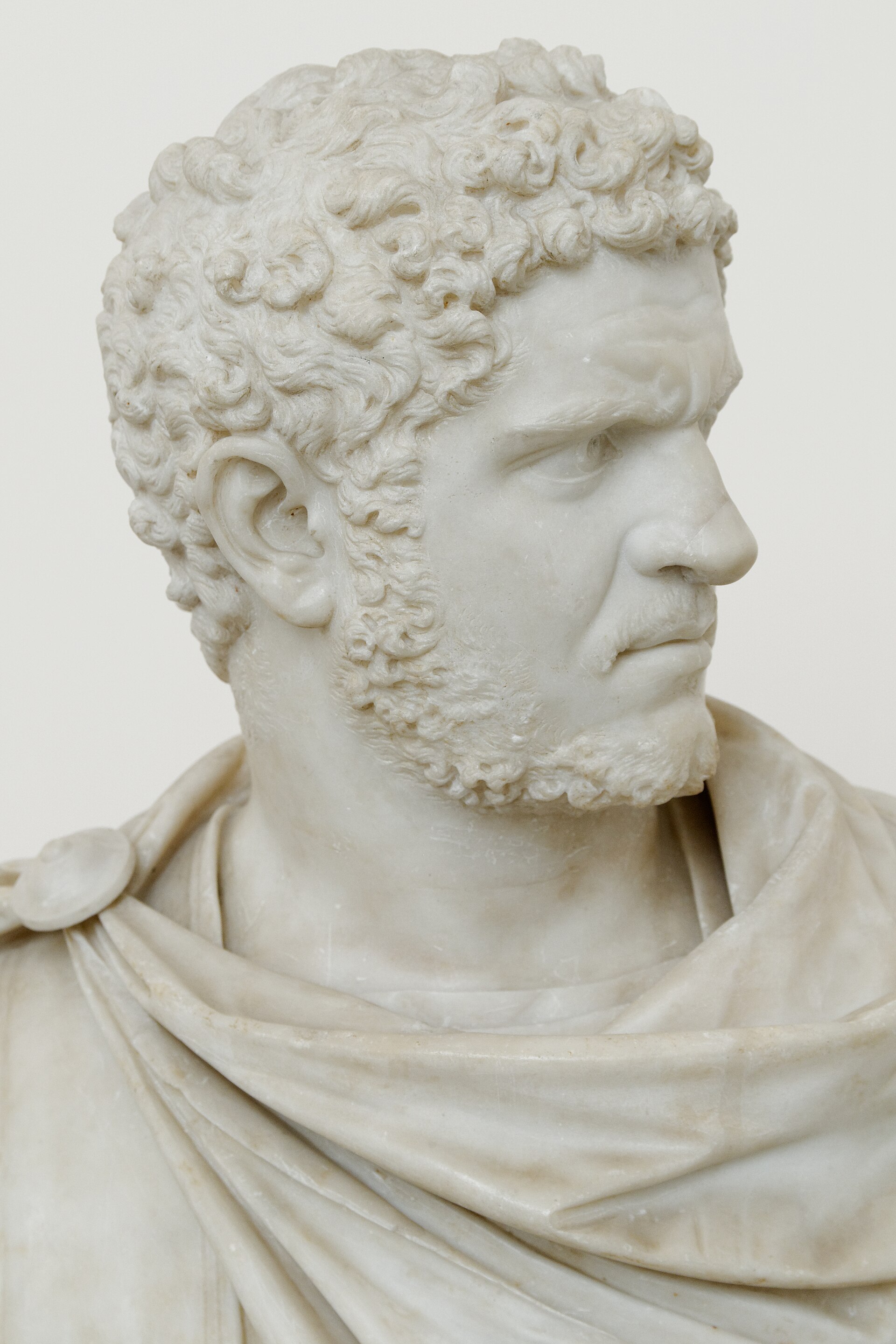
The emperor Caracalla (211–217). In 212 he gave citizenship to almost all free inhabitants.. Photo: Caracalla Farnese (Caracalla MAN Napoli Inv6033 n06), Marie-Lan Nguyen (2011), CC BY 2.5, modified: reduced in size - 509 BCE According to tradition, the last king is expelled. Rome is now a republic.
- 494–287 BCE The plebeians, or ordinary citizens, demand the same rights as the patricians, or noble families
- 44 BCE Julius Caesar dies, and the republic begins to totter
- 27 BCE Augustus is Rome's first emperor
- 212 Caracalla gives citizenship to almost all free inhabitants
3. Who decided in the republic?
Two consuls led the republic for one year at a time. The senate, a council of hundreds of men, advised them. Citizens voted for their leaders, but only free men were allowed to vote. Women and slaves were left out.
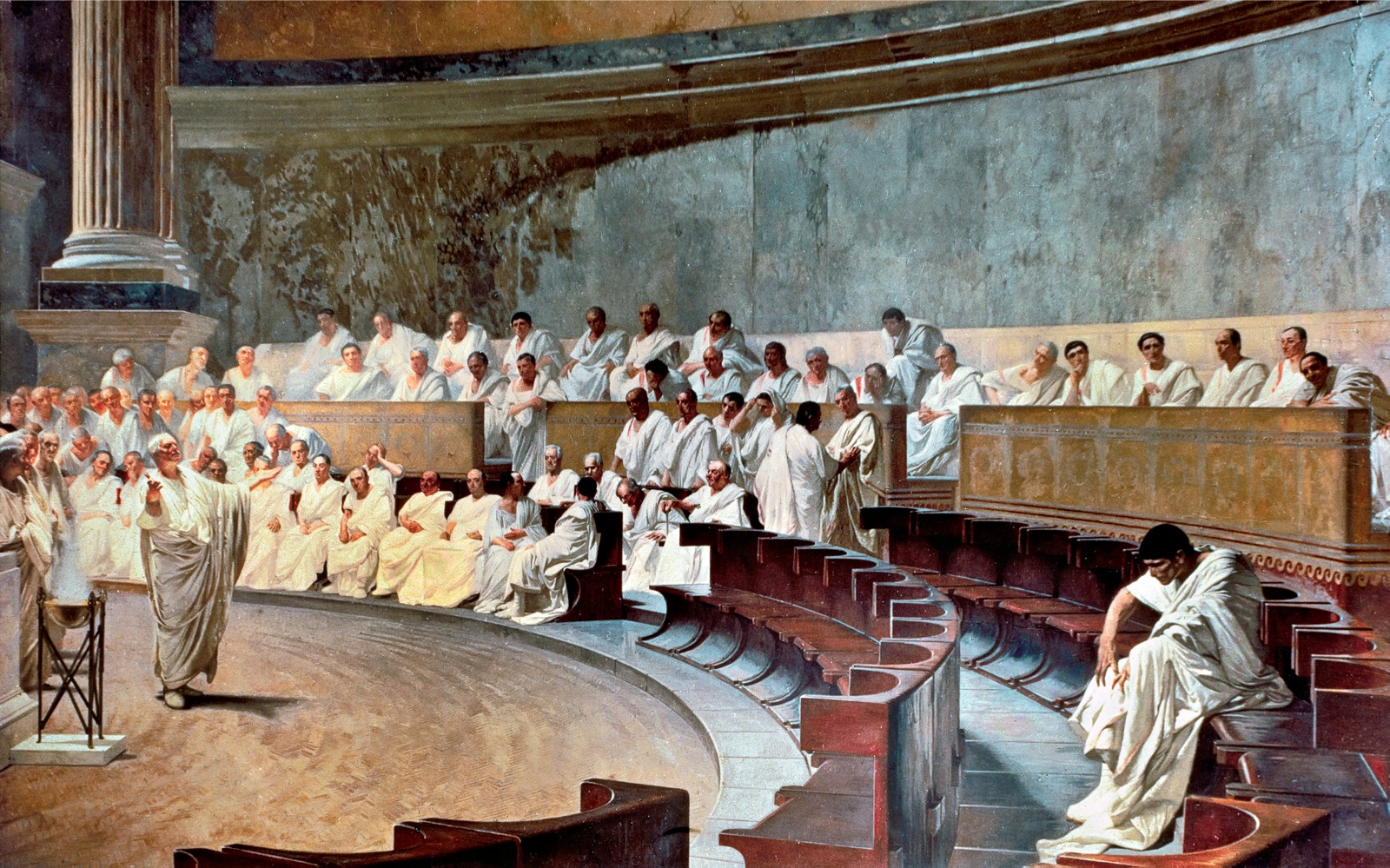
Cicero speaks in the senate in 63 BCE. The painting was made in the 1800s, so it is a later artist's idea of the scene.. Photo: Cicero Denounces Catiline in the Roman Senate by Cesare Maccari - 4, Cesare Maccari, Public domain, modified: reduced in size 4. The Forum, the place of politics
The Forum was the central square of Rome. The senate met in the Curia, the senate house. Speakers addressed the people from the Rostra platform. According to tradition, the Twelve Tables, Rome's first written law, were put on display in the Forum.
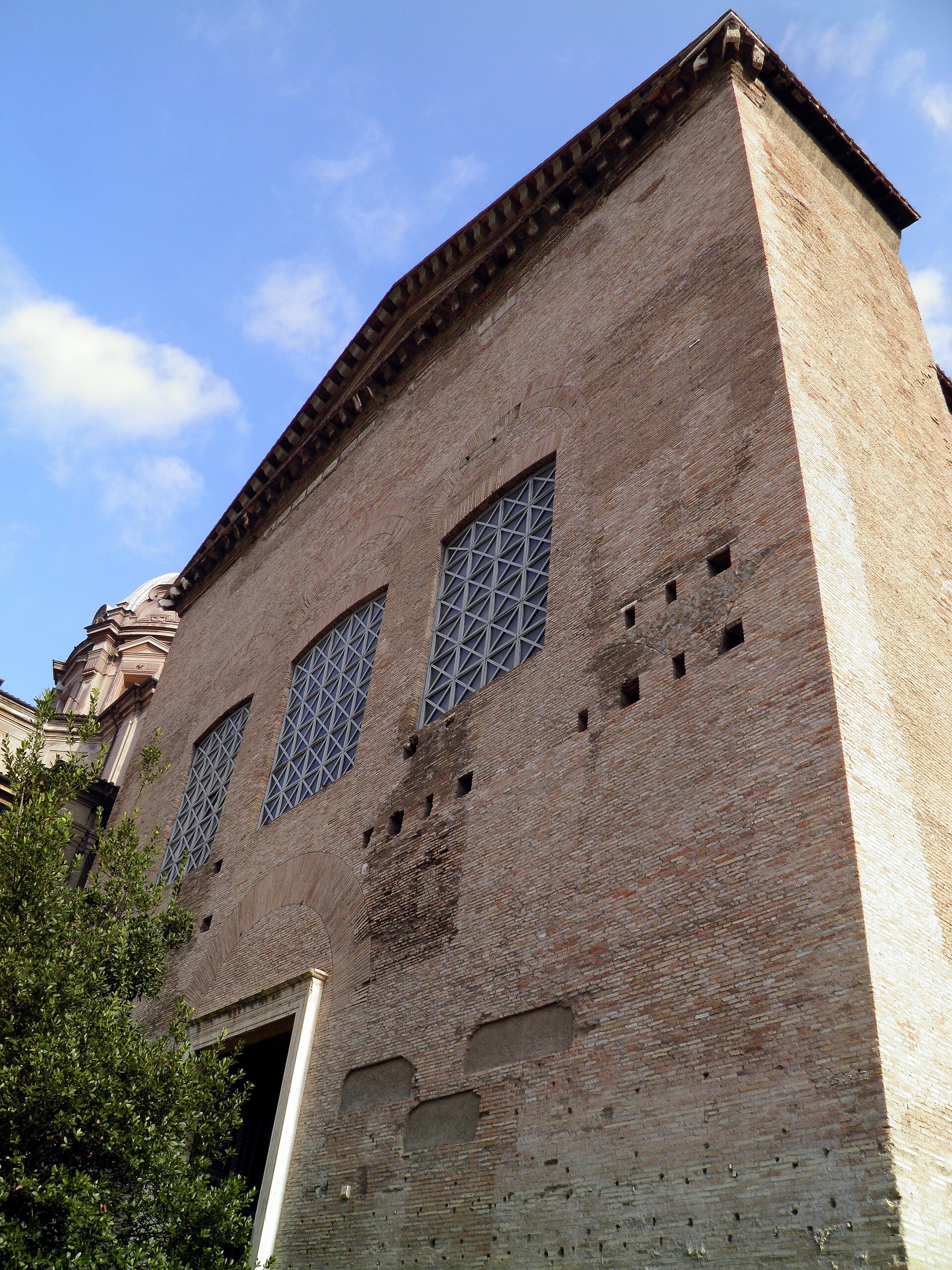
The Curia Julia in the Forum, the meeting house of the senate. The present building has been restored.. Photo: Curia Julia (Senate House), Roman Forum, Rome (9115853194), Carole Raddato, CC BY-SA 2.0, modified: reduced in size 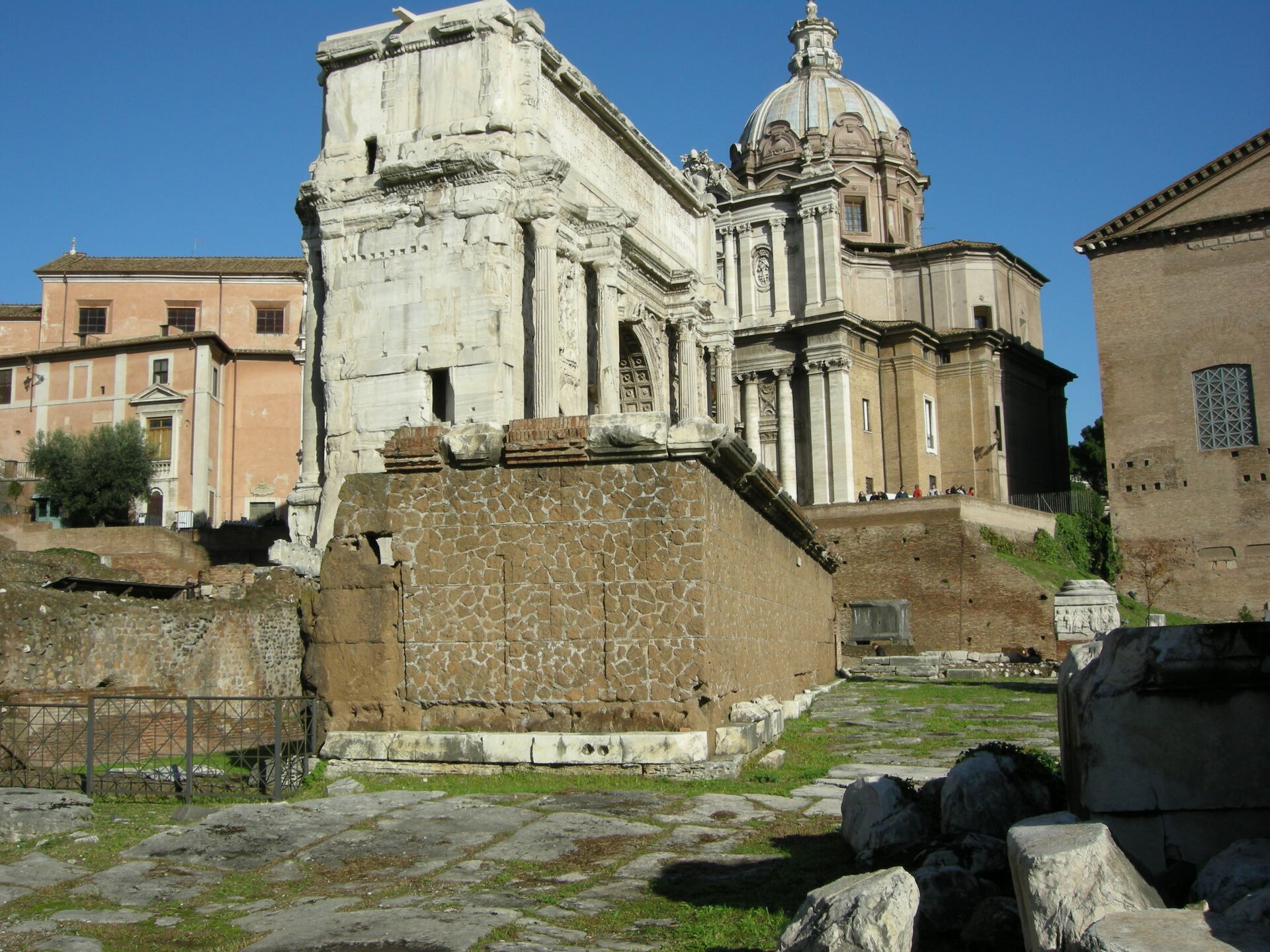
The Rostra in the Forum Romanum. Speakers addressed the people from this platform. On the right you can see the senate house.. Photo: Rostra foro romano, sailko, CC BY 2.5, modified: reduced in size 5. Julius Caesar and the end of the republic
Julius Caesar was a general who conquered Gaul, the area of present-day France. He gained more and more power in Rome. Some of the senators feared it and killed him in 44 BCE. A civil war went on for years.
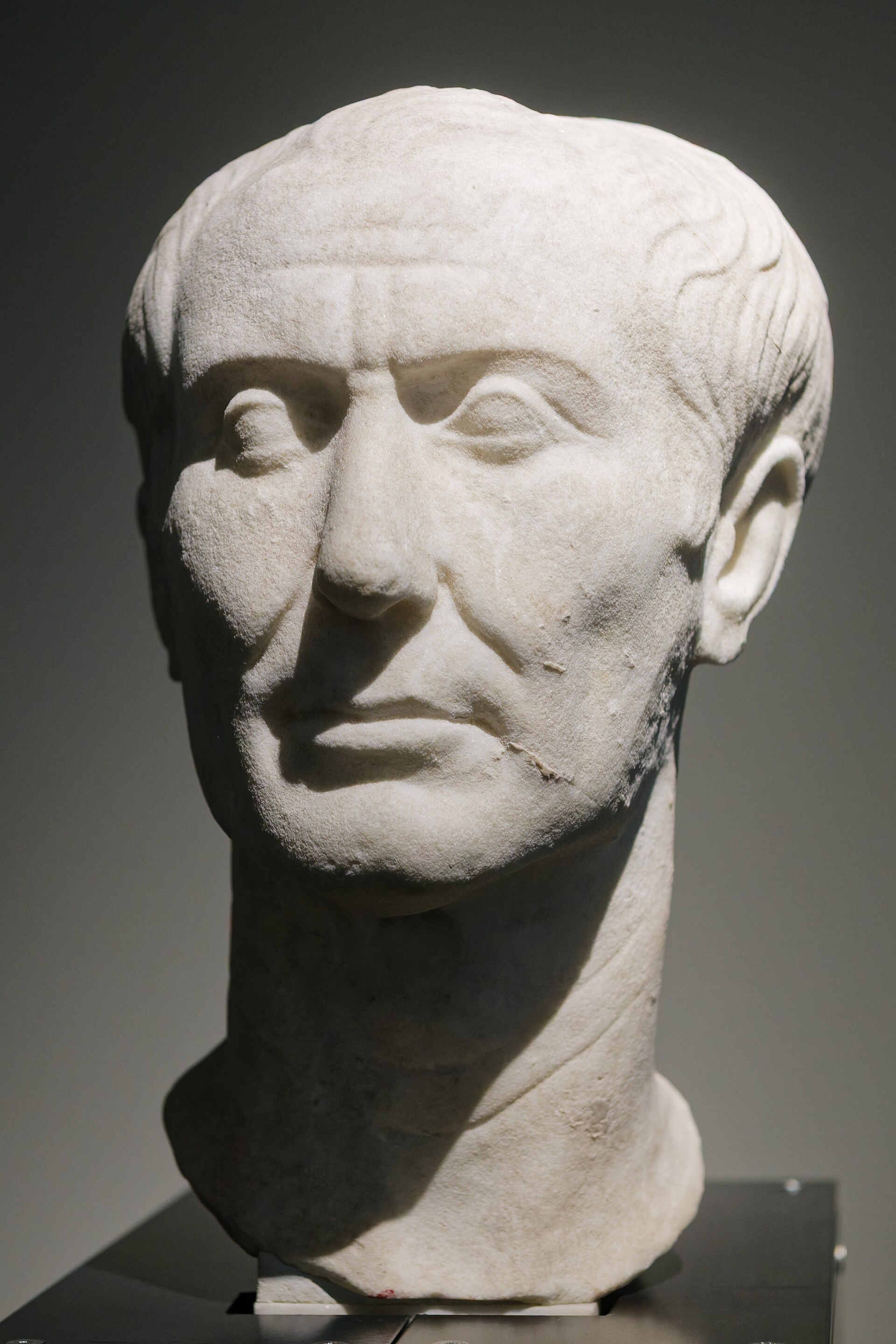
A portrait of Julius Caesar, thought to have been made during his lifetime. The sculpture is in Turin.. Photo: Head of Julius Caesar from Tusculum MAntTorino 2089 n01, Marie-Lan Taÿ Pamart, Public domain, modified: reduced in size 6. The emperor and the empire
In the empire the highest power belonged to the emperor, but in the republic power was shared among many. The emperor led the army, appointed the leaders of the provinces and decided on laws. His image was stamped on the coins, or denarii. The first emperor was Augustus.
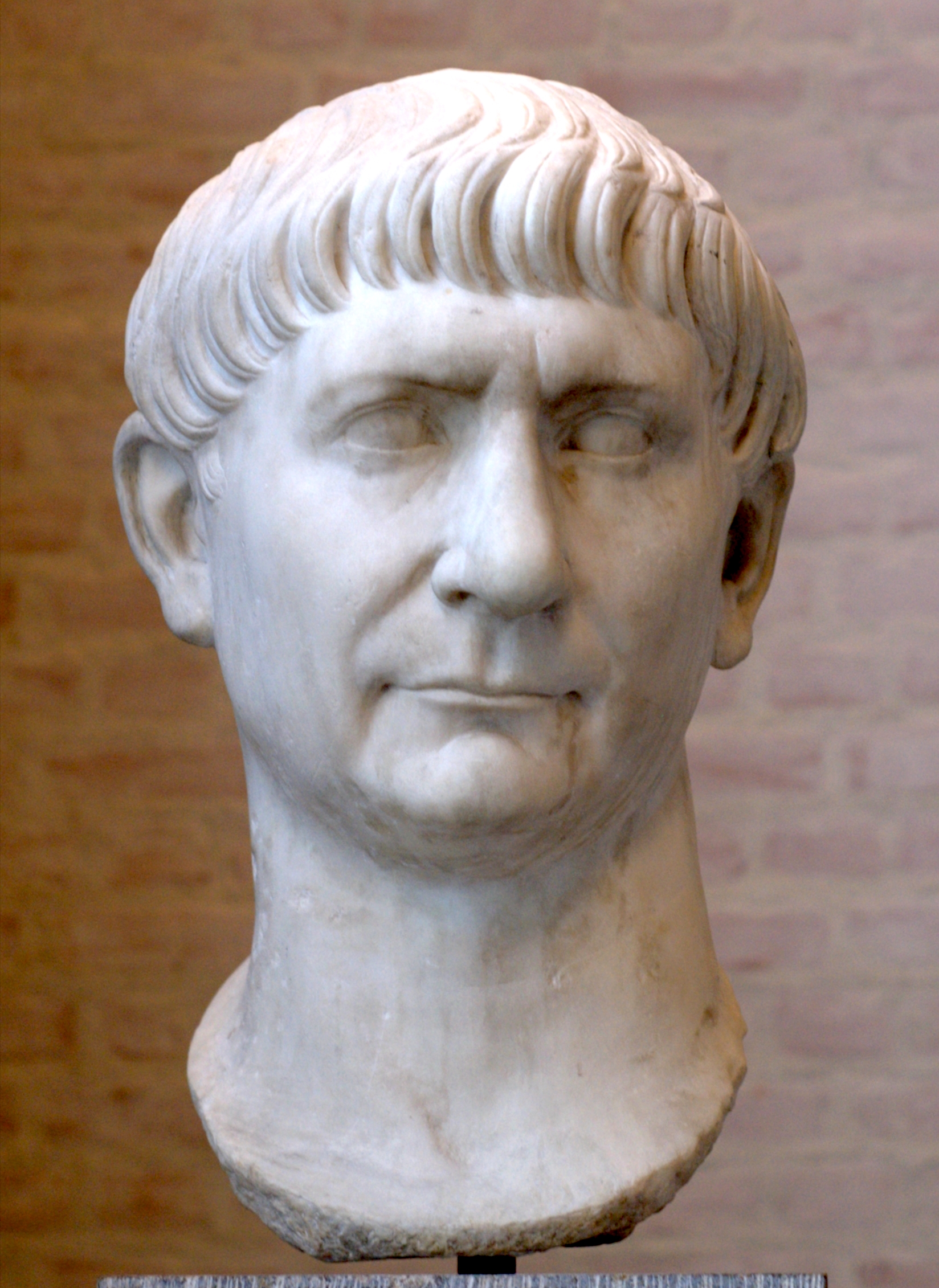
Trajan (98–117). The empire was at its largest in his time.. Photo: Traianus Glyptothek Munich 336, Unknown author, Public domain, modified: reduced in size 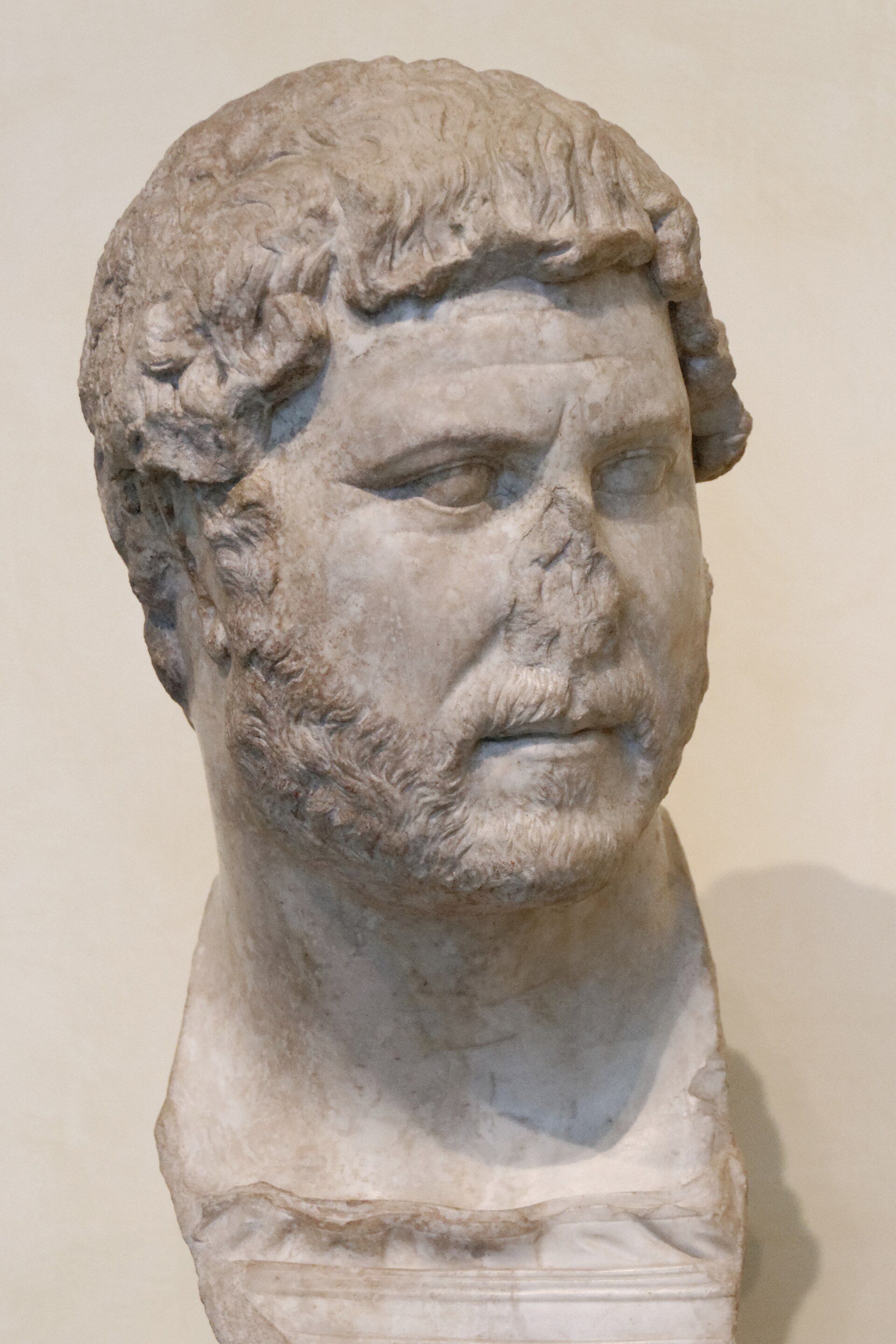
Hadrian (117–138). The building of Hadrian's Wall began in his time.. Photo: Hadrian Musei Capitolini MC890, Marie-Lan Nguyen (2009), CC BY 2.5, modified: reduced in size Marcus Aurelius (161–180). He wrote down his thoughts in a book that is still read.. Photo: Rome Capitoline Marcus Aurelius statue original, Nicholas Hartmann, CC BY-SA 4.0, modified: reduced in size 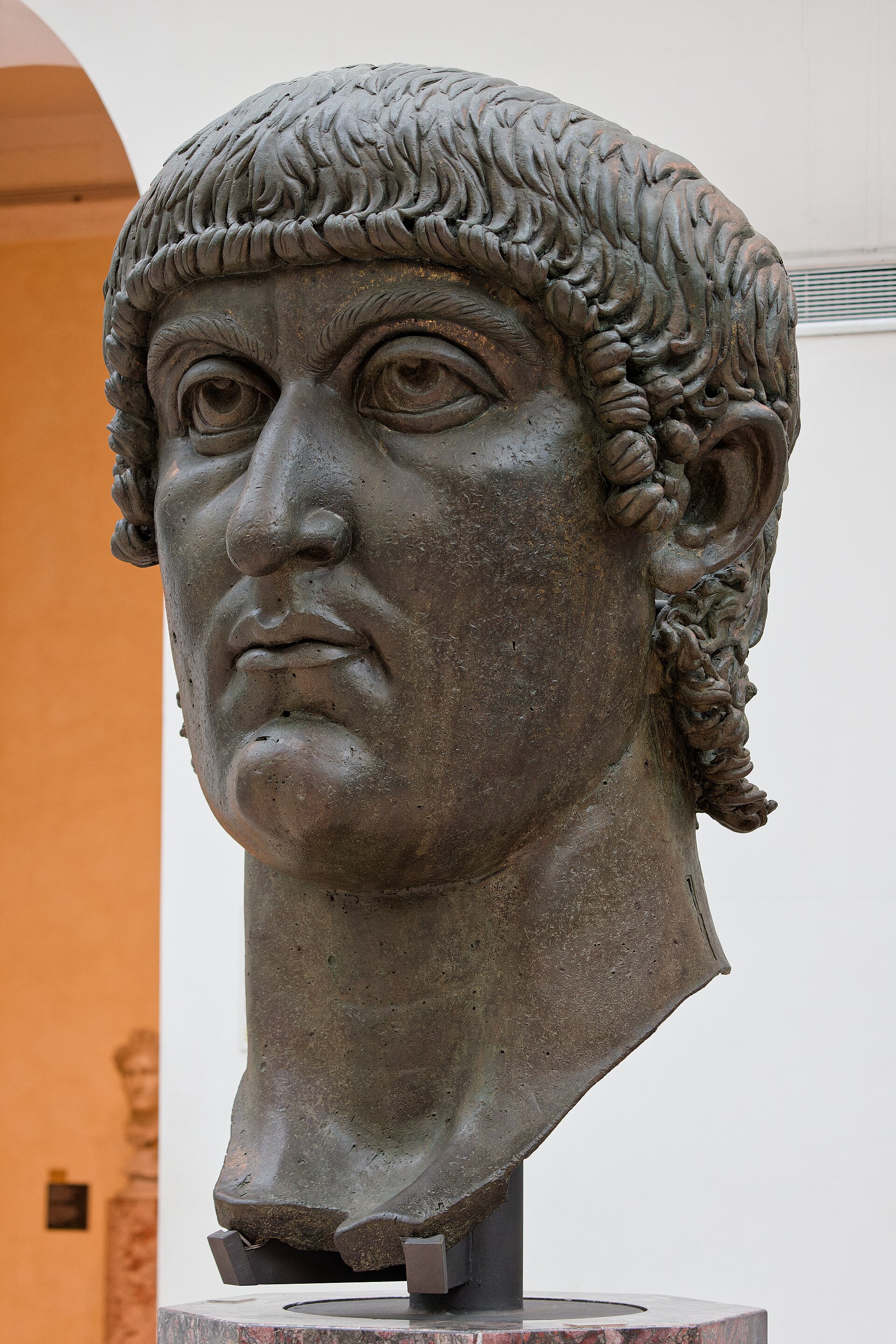
Constantine (306–337). He founded Constantinople in 330.. Photo: Colossal head of Constantine (M.C. inv. 1072), August 24, 2021, D. Benjamin Miller, Public domain, modified: reduced in size 7. Think in pairs
Why did Rome have two consuls and not one leader?
What was the biggest difference between the republic and the empire?
What is the difference between voting rights in Rome and voting rights today?
What have the Romans left to us, for example in our laws?


Summary
Rome was first ruled by kings. According to tradition, the republic began in 509 BCE. Two consuls led it, and the senate advised them. Only free men were allowed to vote. The plebeians gained more rights from the patricians. Julius Caesar gained a lot of power and died in 44 BCE. In 27 BCE Augustus became the first emperor. The emperor had the highest power, and his image was stamped on coins. In 212 almost all free inhabitants received Roman citizenship. Roman law is still the basis of the laws of many countries.
Frequently asked questions
Was everyone allowed to vote in Rome?
No. Only free male citizens were allowed to vote. Women, slaves and people who came from elsewhere were left out. Voting was therefore the right of only part of the people.
What was the difference between the republic and the empire?
In the republic power was held by many, for example by the consuls and the senate, and officials changed every year. In the empire the highest power belonged to the emperor. The senate and the officials remained, but the emperor decided the most important matters.
What has remained to us from Roman law?
The Romans wrote down their laws so that everyone knew the rules. Roman law is the basis of the laws of many European countries. Latin words are still used in court.