
Roman power and the legions: teaching, slides and questions
The Punic Wars and Hannibal, the structure and equipment of a legion, roads and forts, provinces and slavery, and the decline of the empire, with pictures, for grades 4–6.
Rome was at first just one city in Italy. It became an empire that stretched from Britain to Egypt. What made that possible? The article suits history lessons in grades 4–6, and every step can be shown to the class as a slide.
At the end, the pupil can tell how Rome conquered the area around the Mediterranean, how a legion worked and why roads were important. They also know what the conquered people gained and lost, and why Roman power finally weakened.
Key concepts
- legionary
 A professional Roman soldier with a helmet, a rectangular shield and a short sword. A legionary served for as long as 25 years and, between campaigns, built roads, bridges and camps. One legion had about 5,000 soldiers.
- Roman road
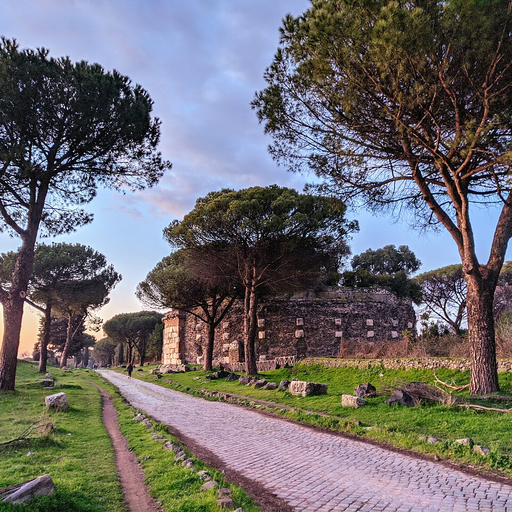 A straight road paved with stones. The Romans built more than 80,000 kilometres of paved roads across their empire so that soldiers and traders could travel fast. The oldest and most famous is the Via Appia, begun in 312 BC.
- emperor
 The highest ruler of the Roman Empire. The first emperor was Augustus, who came to power in 27 BC. The emperor's face and name were stamped on coins, and many emperors were worshipped as gods after they died.
- tax
 A tax is a compulsory payment that people and businesses make to the state, municipalities or other public bodies. Taxes pay for things like schools, health care and roads. In Finland, taxes include income tax and value added tax, for example.
- trade
- Trade means buying and selling goods and services. It existed long before money in the form of barter, and today it takes place both between countries and online. Through trade, people get products they do not make themselves.
Related exercises
There is no exercise for this topic yet
Teacher or creator: make the first exercise with Puro Editor and choose Ancient Rome as its topic. It will appear here as soon as it is published.
1. How did a city become a great power?
How did one city defeat a large part of the known world?
What was a Roman soldier like, and why were roads important?
What did the conquered people gain and lose?
Why did a mighty empire finally weaken?2. From Italy around the Mediterranean
Rome conquered Italy first. Then it fought three wars against Carthage: the Punic Wars. Hannibal, the Carthaginian general, crossed the Alps with elephants, but Rome won and destroyed Carthage in 146 BCE. After that it took Greece and Spain, and later Gaul and Egypt.
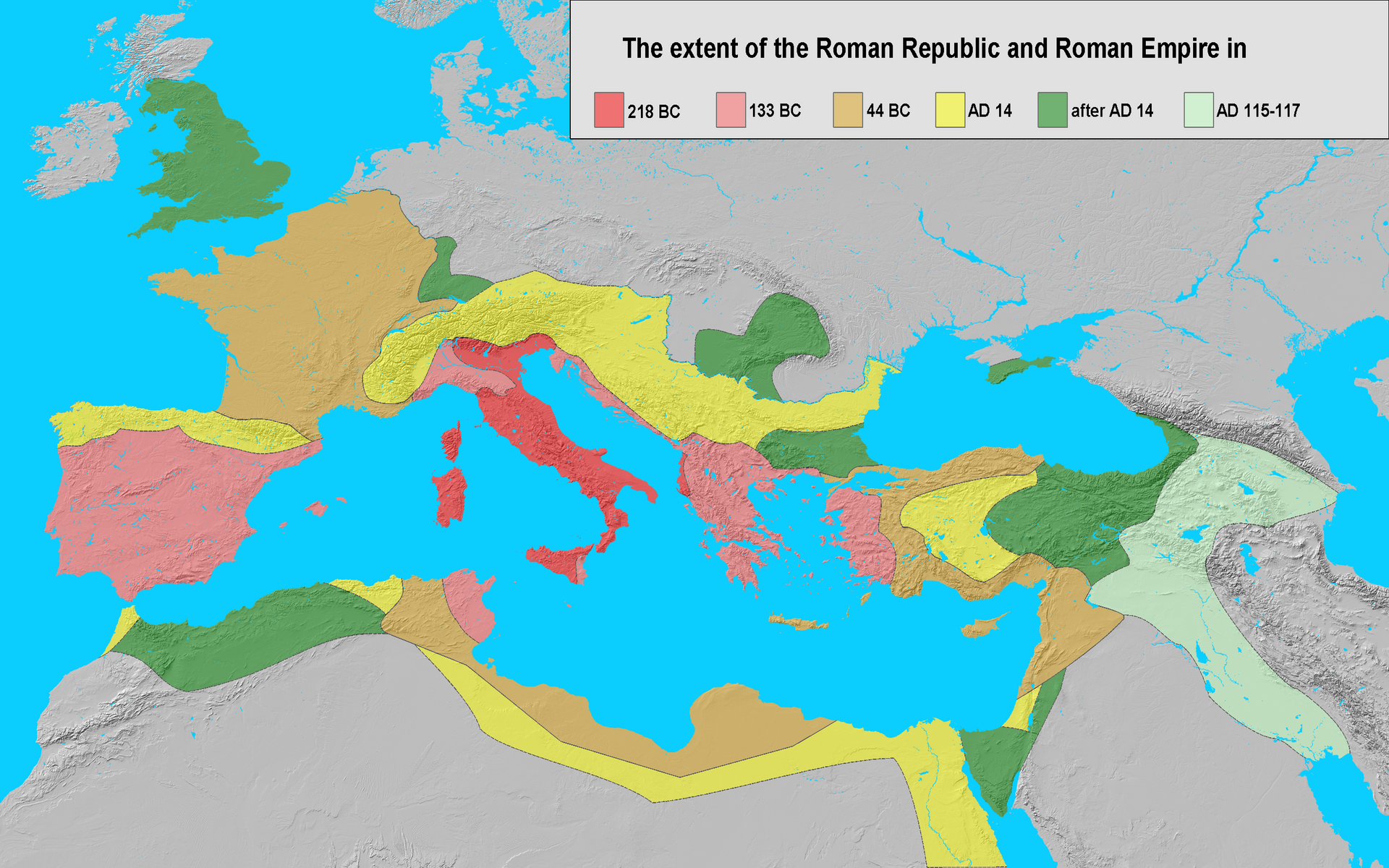
Roman power grew in stages. The colours show the year: dark red 218 BCE, pink 133 BCE, orange 44 BCE, yellow 14 CE, dark green after that and light green 115–117. The key on the map is in English.. Photo: Extent of the Roman Republic and the Roman Empire between 218 BC and 117 AD, Varana, CC BY-SA 3.0, modified: reduced in size 3. The legion: the Roman army
A legion had about 5,000 soldiers. It was divided into ten cohorts, and each had six centuries. One century had about 80 men and was led by a centurion. A legionary trained every day and carried a shield, a sword, a javelin and iron armour.
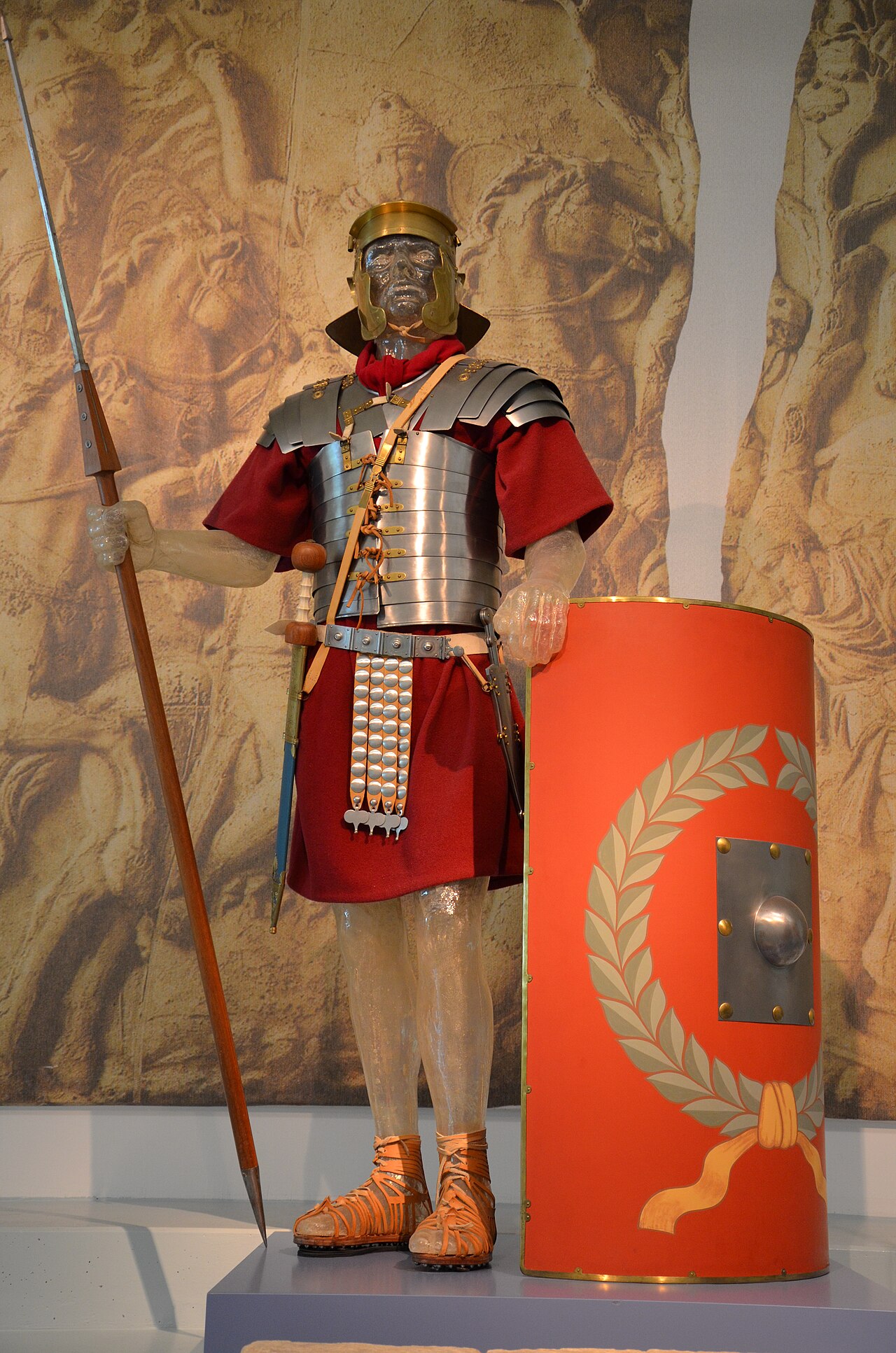
A legionary's equipment. A reconstruction in the Museum het Valkhof in Nijmegen, the Netherlands.. Photo: Reconstruction of a Roman legionary, Museum het Valkhof, Nijmegen (Netherlands) (9567092987), Carole Raddato from FRANKFURT, Germany, CC BY-SA 2.0, modified: reduced in size 4. Camps, forts and roads
A soldier did not only fight. After a march he built a camp, and on the borders he built forts. The legions also made roads, along which the army, the post and merchants could travel quickly. That is why roads were a tool of power.
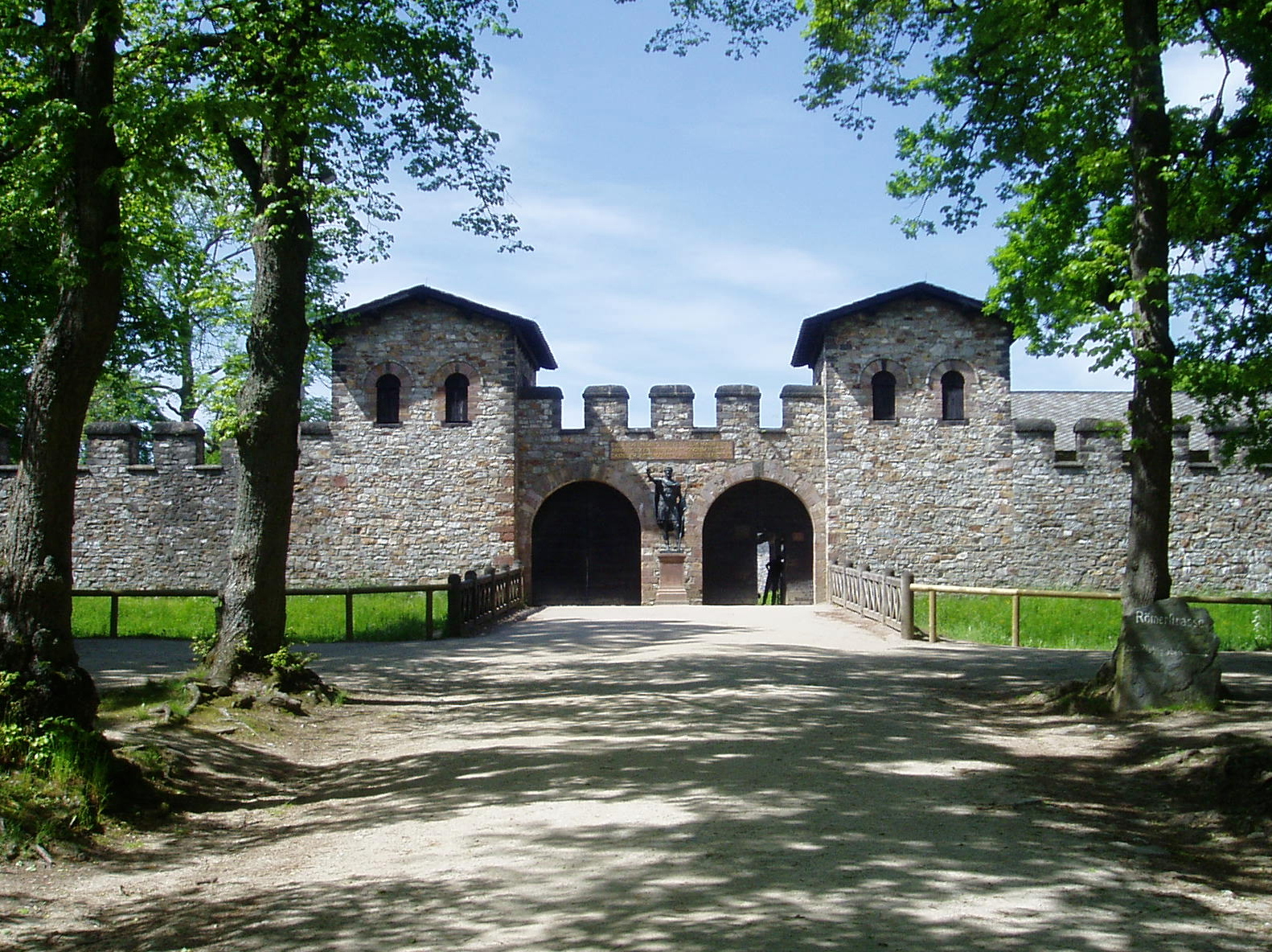
The main gate of the Saalburg fort in Germany. The fort has been rebuilt on the basis of the original.. Photo: Saalburg Main Gate (Porta Praetoria), Ekem (en.wikipedia), Public domain, modified: reduced in size 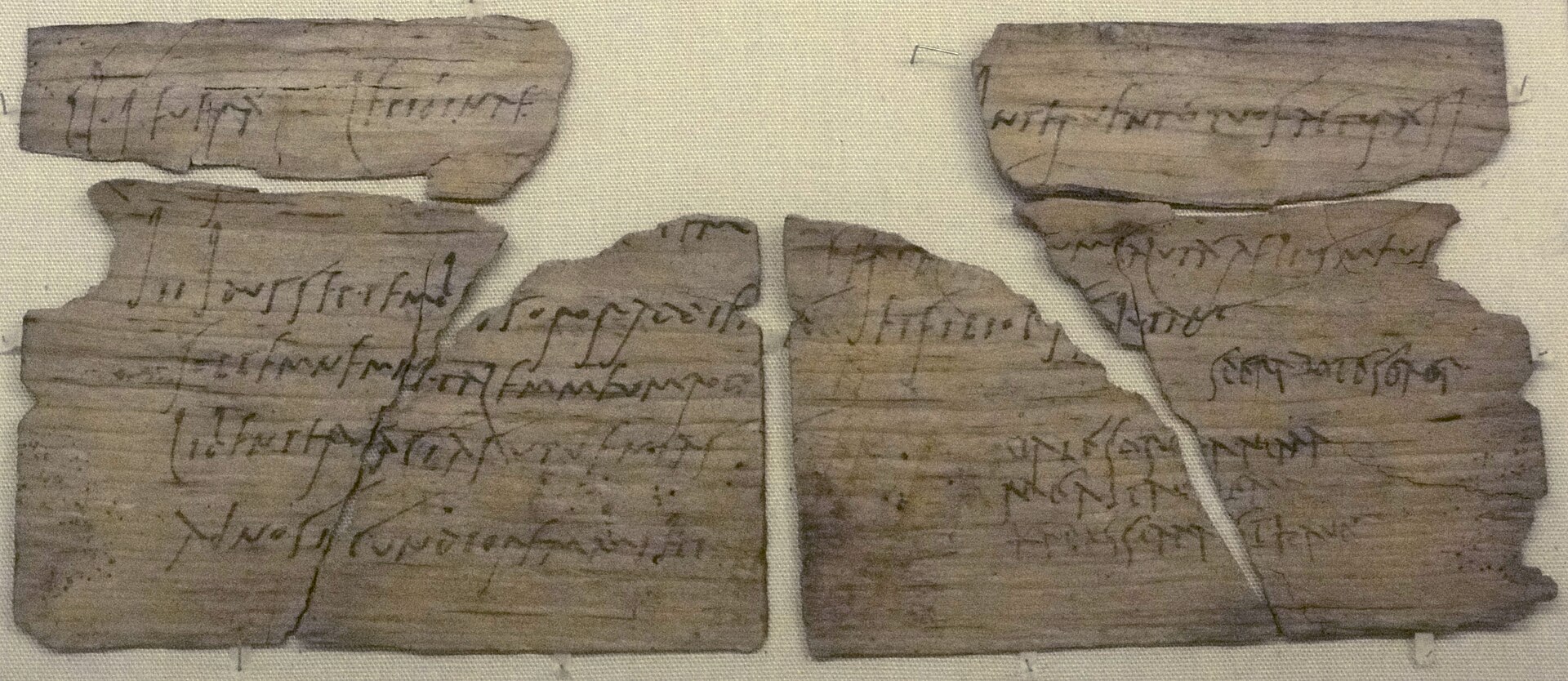
A Vindolanda wooden tablet from northern England. Soldiers and their families wrote Latin on the tablets.. Photo: Vindolanda tablet 291, Fæ, CC BY-SA 3.0, modified: reduced in size 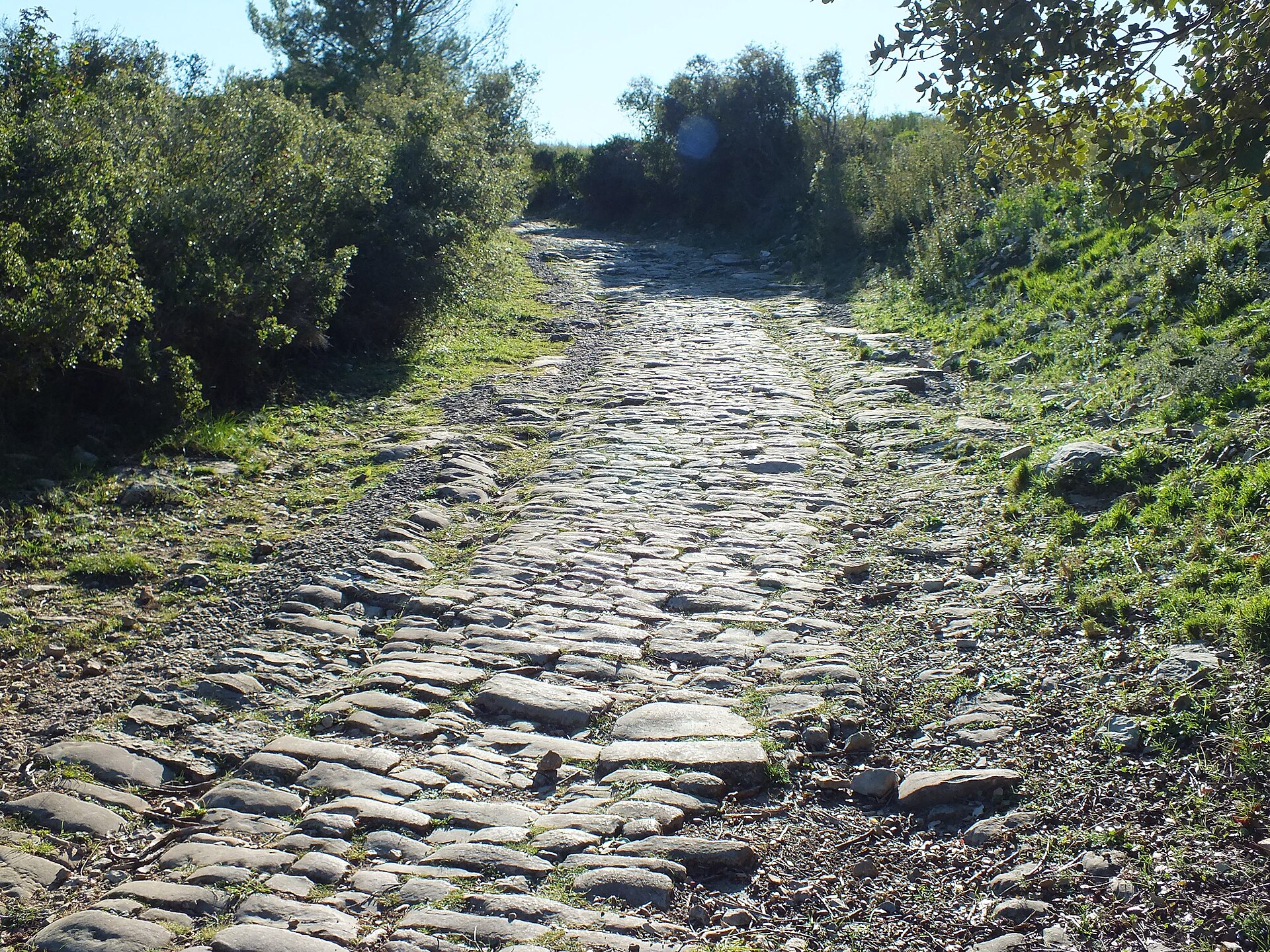
A paved Roman road in the town of Ambrussum in southern France. The Via Domitia ran at the foot of the town.. Photo: Ambrussum Paved Road 0406, Clem Rutter, Rochester, Kent, CC BY 3.0, modified: reduced in size 5. The life of the conquered
A conquered area became a province. People paid taxes to Rome and often lost their own power to decide, but they gained roads, cities and trade. In 212 almost all free inhabitants received citizenship. People captured in wars were sold as slaves, and they had no freedom.
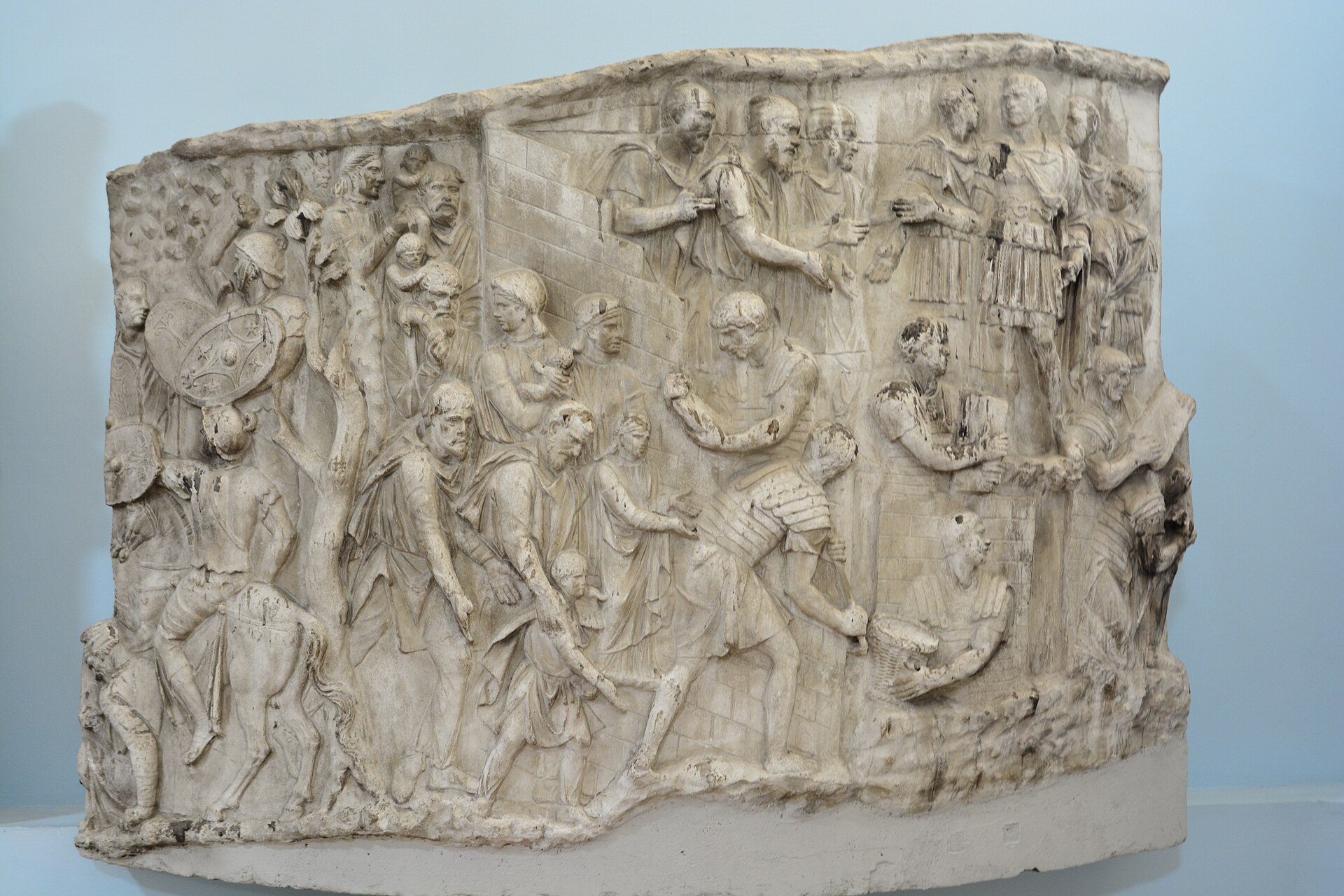
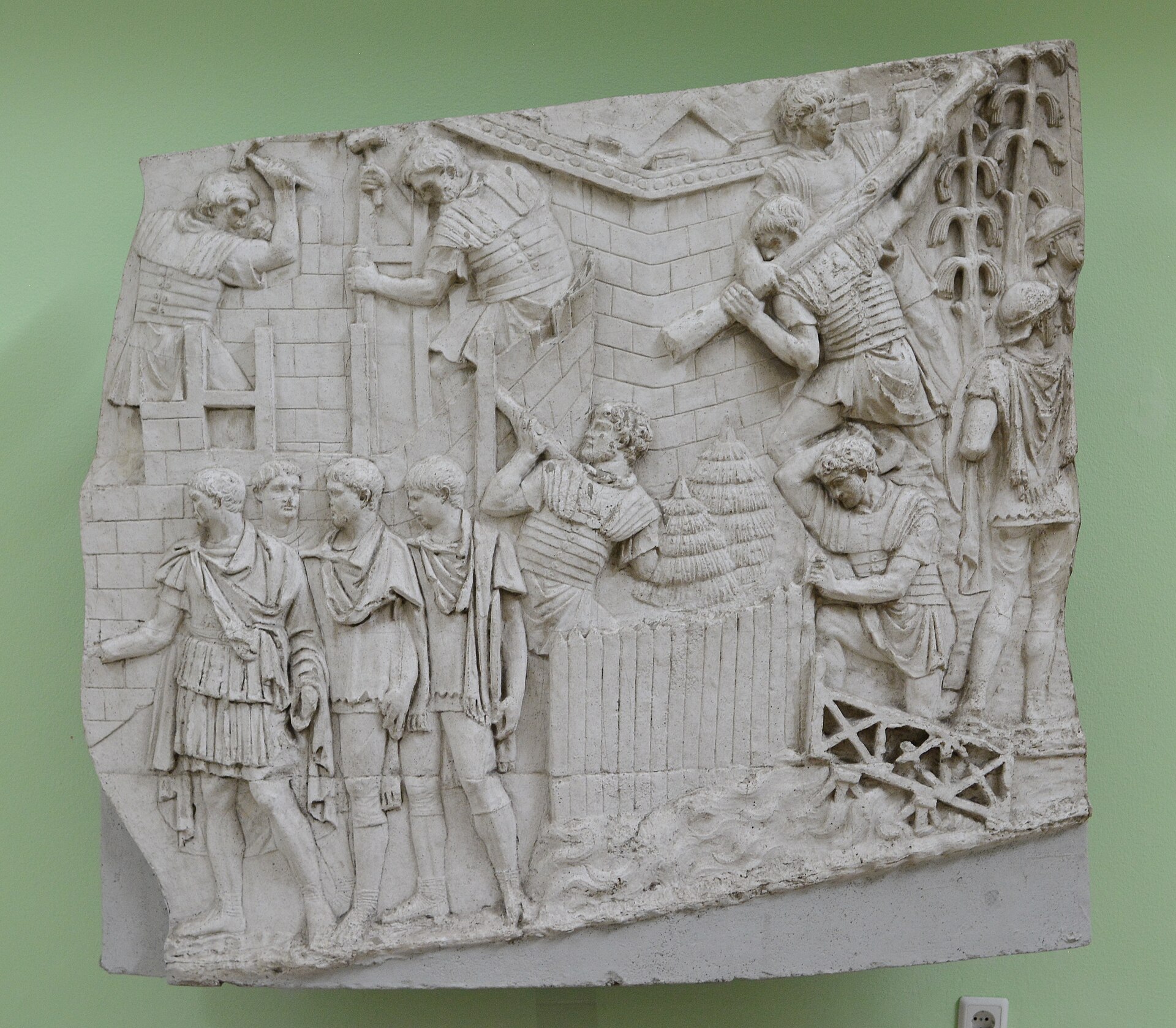
The Roman war in Dacia, in the area of present-day Romania. A plaster cast of a relief on Trajan's Column, showing soldiers and civilians, also children.. Photo: Trajan's Column - NMR - panel 030 A, Joe Mabel, Public domain, modified: reduced in size 6. Why did the power weaken?
There were many reasons. Emperors changed often and fought each other for power. The borders were hard to defend, and the army cost a lot. New peoples, such as the Goths, came into the territory of the empire.
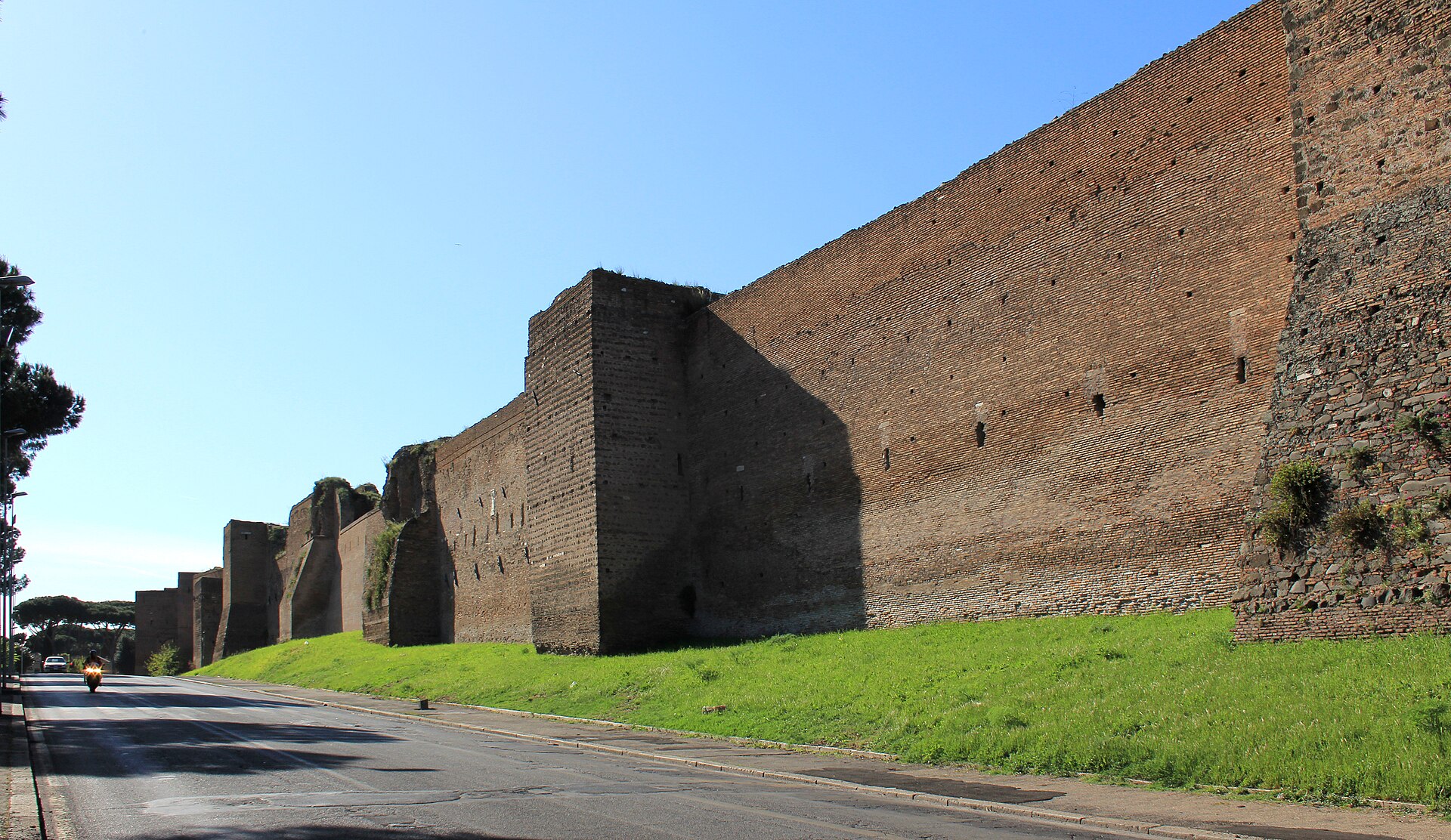
The Aurelian Wall in Rome. It was built in the 270s.. Photo: Aurelian Walls Rome 2011 1, Karelj, Public domain, modified: reduced in size 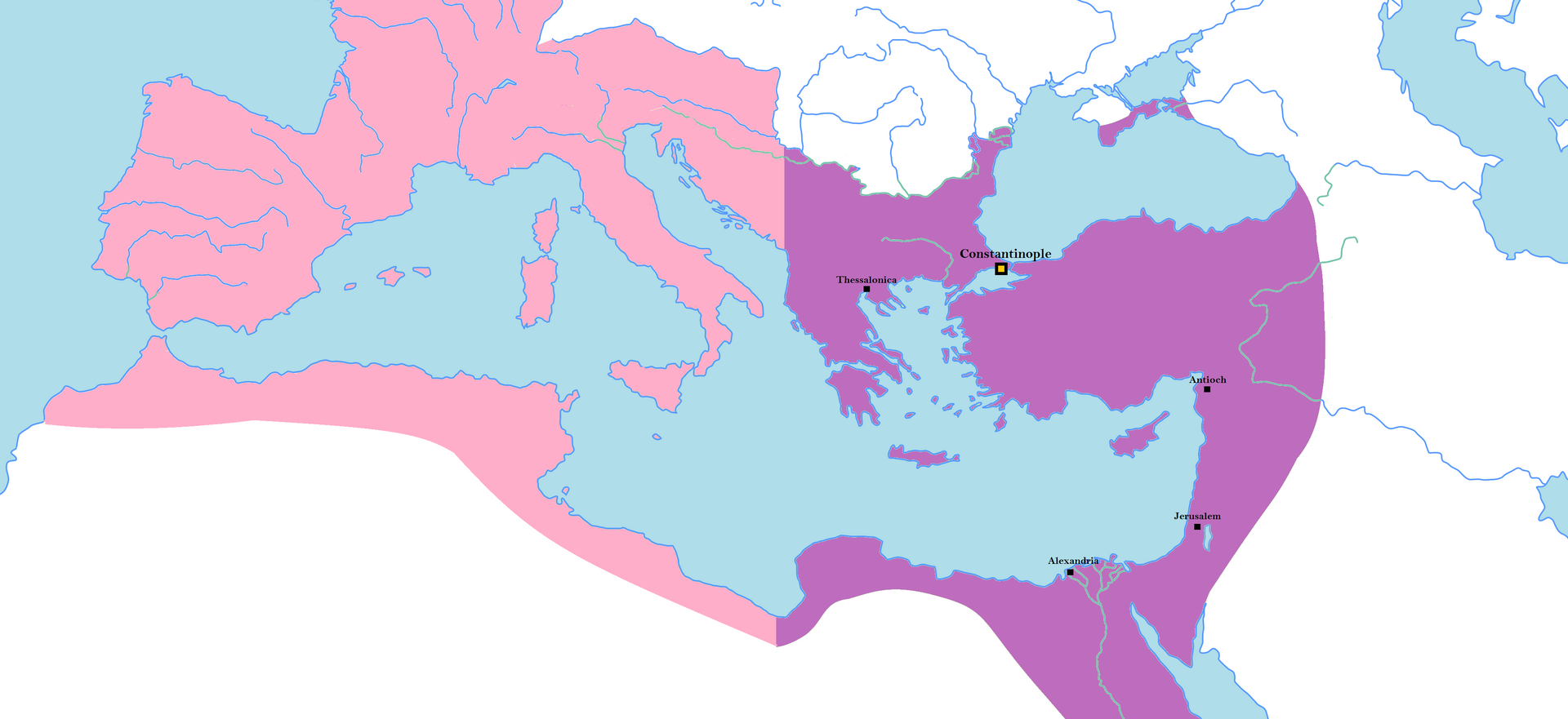
The division of the Roman Empire: the western part in pink, the eastern part in purple. The names on the map are in English.. Photo: Eastern Roman Empire with West, Ichthyovenator, CC BY-SA 4.0, modified: reduced in size - 235–284 A time of crisis: emperors change quickly and wars go on
- the 270s A wall is built around Rome because attacks are feared
- 395 The empire is divided into an eastern and a western part
- 410 The Visigoths capture and plunder the city of Rome
- 476 The last emperor of the western empire is deposed
7. Think in pairs
Why was the legion important for Roman power?
Why did roads help the empire to hold together?
What did the conquered people gain and what did they lose?
Why do we say that there were many reasons for the decline of the empire?


Summary
Rome grew from a city in Italy into an empire. It defeated Carthage in the Punic Wars and conquered the Mediterranean region. Power was kept up by the legion: about 5,000 soldiers who fought and built camps and roads. Conquered areas became provinces. People gained roads and trade, but they paid taxes, and many were captured as slaves. The empire weakened for many reasons. The western part ended in 476.
Frequently asked questions
Who was Hannibal?
Hannibal was a general of Carthage. He led his army over the Alps into Italy in 218 BCE and defeated the Romans many times. Rome still did not give up, and it won the war in 201 BCE.
How long did a legionary serve?
A legionary served for up to 25 years. After service he often received land or money. During his service he marched, trained and built.
Why did Rome win so many wars?
There were many reasons. The soldiers trained carefully, the army was well organised and the roads helped it to move quickly. Rome also got more soldiers from its allies. It still lost some battles, for example to Hannibal.