Subtraction over 100: teaching, slides and exercises for grades 3–4 (ages 9–10)
Column subtraction one place at a time: regrouping a ten and a hundred, a zero on top and checking with addition. Slides for grades 3–4.
In subtraction, one number is taken away from another, and the result is the difference. When the numbers are over a hundred, we subtract in columns, one place at a time. If there are too few ones or tens on top, one ten or one hundred is regrouped into smaller parts. In everyday language this is often called borrowing.
The article is made for grades 3–4, and every step is ready to show to the class as a slide. By the end, pupils can subtract in columns, regroup a ten and a hundred, and check the answer with addition.
Key concepts
- subtraction
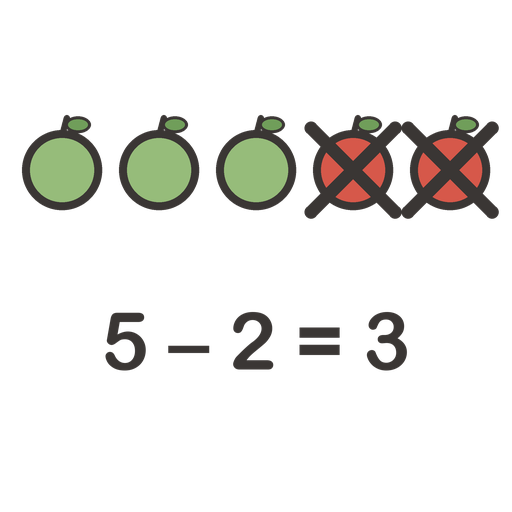 Taking one number away from another, for example 5 − 2 = 3.
- difference
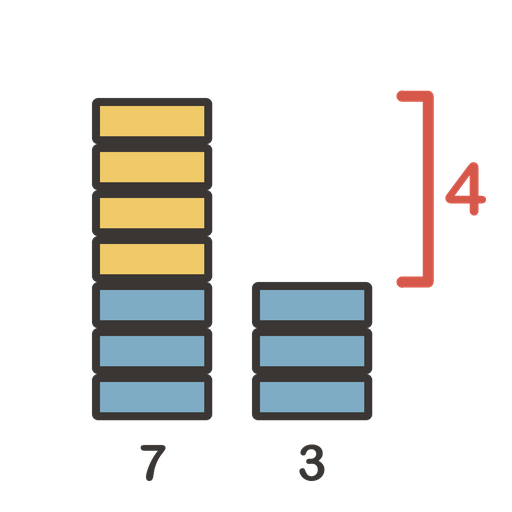 The answer to a subtraction. The difference between 5 and 2 is 3.
- place value
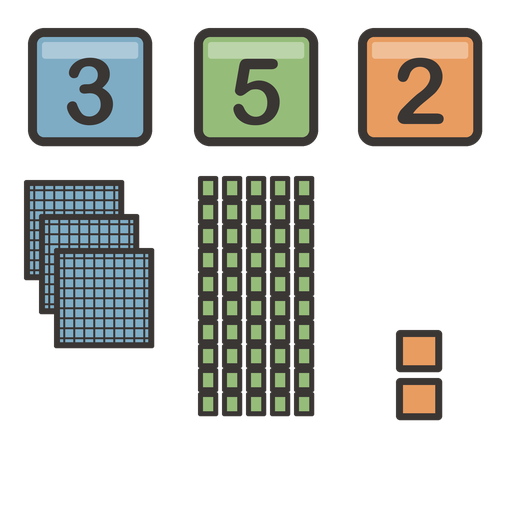 A digit's value depends on its place. In 352 the 3 means three hundred.
- addition
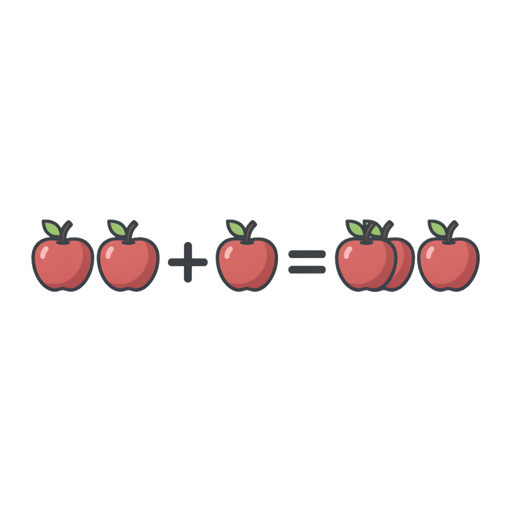 Adding numbers together, for example 3 + 2 = 5.
- sum
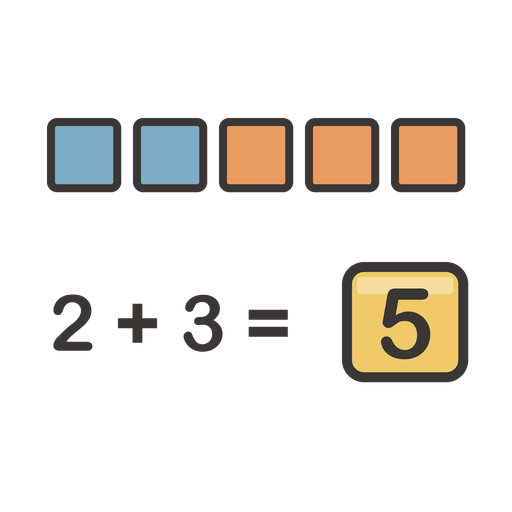 The answer to an addition. The sum of 3 and 2 is 5.
- zero
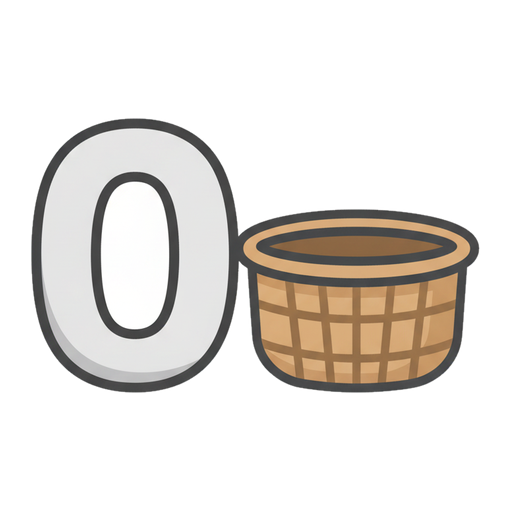 The number that means none at all.
- hundred
 Ten tens, or 100.
Related exercises
1. How many tickets at the door?
524 tickets were sold for an ice hockey game.
186 of them were sold in advance.
How many tickets were sold at the door?
Estimate first: 524 is about 500 and 186 is about 200, so the answer is about 300.2. Column subtraction
In subtraction, one number is taken away from another. The result is the difference.
When we subtract in columns, place value decides: ones under ones, tens under tens and hundreds under hundreds. The number we subtract from is written on top.
3. Subtract one place at a time
476 birds are swimming on a lake. 152 of them flew away. How many are left? Let's work out 476 − 152.
Ones: 6 − 2 = 4.
Tens: 7 − 5 = 2.
Hundreds: 4 − 1 = 3.
So 476 − 152 = 324.4. Regroup one ten
If there are too few ones on top, regroup one ten into 10 ones. For example, 4 ones and 10 ones make 14 ones in all. There is now one ten fewer.
1 ten = 10 ones 5. Regrouping in column subtraction
Let's work out the tickets sold at the door: 524 − 186.
Ones: 4 is less than 6. Regroup a ten: 14 − 6 = 8.
Only 1 ten is left, and that is less than 8. Regroup a hundred: 11 − 8 = 3.
Hundreds left, 4: 4 − 1 = 3.
So 524 − 186 = 338.6. A common mistake and checking
A common mistake: in every place, the smaller digit is subtracted from the bigger one. Then 524 − 186 would give 462.
Check with addition: difference + the number subtracted. 338 + 186 = 524, so 338 is correct. 462 + 186 = 648, so 462 is wrong.
Correction: 1 hundred = 10 tens 7. Talk about it as a class
1. Work out 403 − 157. What do you do when there is a 0 in the tens place?
2. Check your answer with addition.
3. Make up a story about the forest or sports in which you work out 750 − 325.
Summary
The result of a subtraction is the difference. Big numbers are subtracted in columns, one place at a time, starting from the ones. If there is too little on top, one ten is regrouped into 10 ones or one hundred into 10 tens. The answer can be checked with addition: the sum of the difference and the number subtracted is the starting number.
Frequently asked questions
What does borrowing mean in subtraction?
It is an everyday name for regrouping. One ten is taken from the next place, and it becomes 10 ones. The next place is left with one fewer.
What do I do if there is a zero on top?
First regroup the hundred into tens, and then one ten into ones. In 403 − 157, what is left on top is 3 hundreds, 9 tens and 13 ones. 13 − 7 = 6, 9 − 5 = 4 and 3 − 1 = 2, so 403 − 157 = 246.
How can you check a subtraction?
Add the difference and the number subtracted. For example, 524 − 186 = 338 and the check is 338 + 186 = 524. If the sum is the starting number, the answer is correct.