
The Human Body: Organs, Senses, and Well-being
The basic structure of the human body: skeleton, muscles, heart, lungs, and senses explained clearly for primary school students.
The human body consists of many parts that work together. Every organ has its own job, and together they keep the body functioning.
Key concepts
- muscle
 Tissue that tightens and makes the body move.
- heart
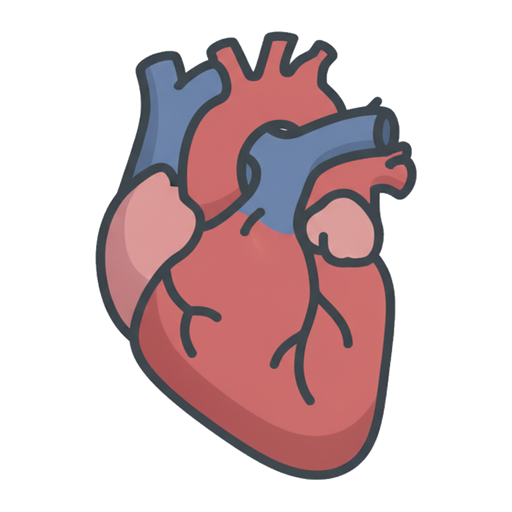 A muscle that pumps blood around the whole body.
- blood
 A red liquid that carries oxygen and nutrients all around the body.
- blood circulation
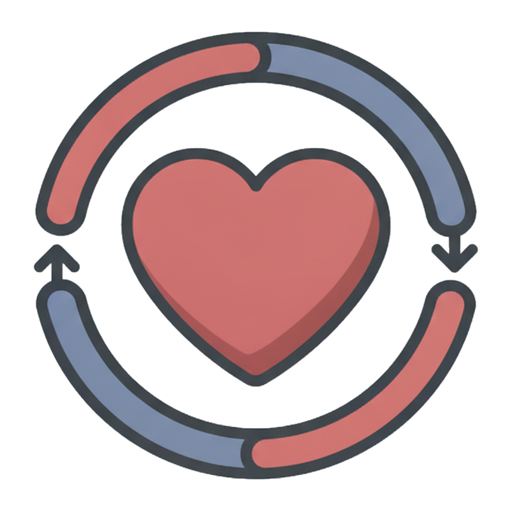 In blood circulation, the heart pumps blood through the vessels around the body. The blood carries oxygen and nutrients to the cells.
- lungs
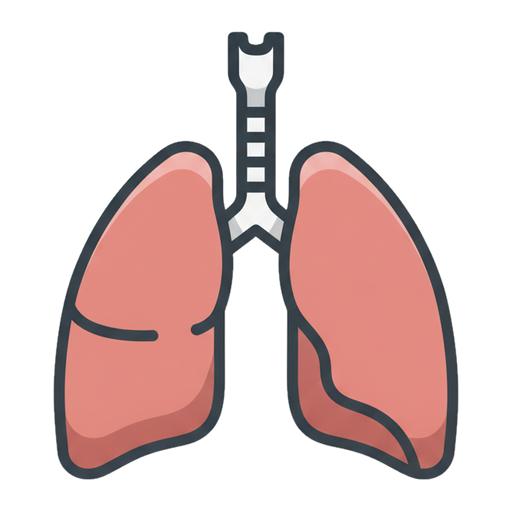 The organs we breathe with. They take oxygen from the air into the blood.
- breathing
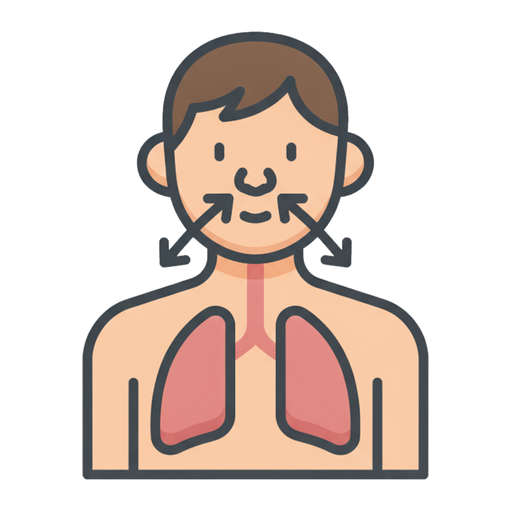 In breathing, air moves into the lungs and out again. The body takes oxygen from the air and gets rid of carbon dioxide.
- senses
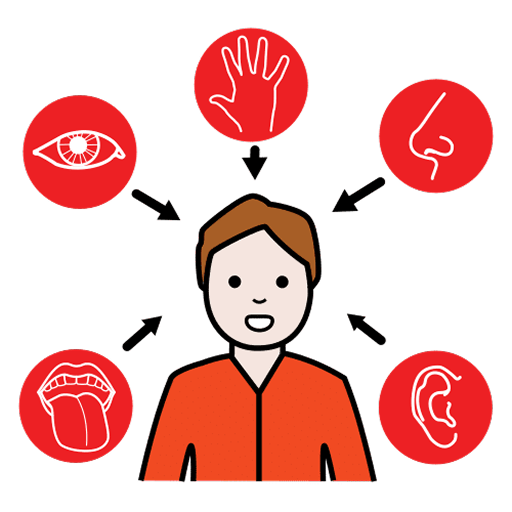 The ways your body notices the world: sight, hearing, smell, taste and touch.
- sight
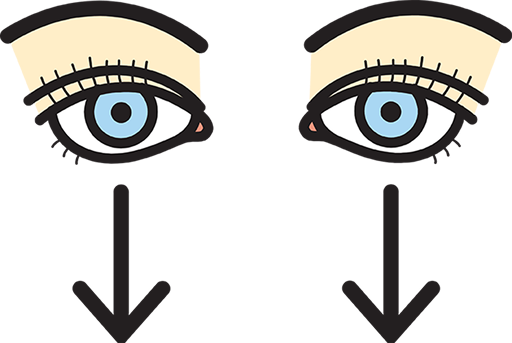 The sense that lets your eyes see colours, shapes and movement.
Related exercises
1. The Skeleton
The skeleton gives the body its shape and protects internal organs. There are about 206 bones in an adult body.
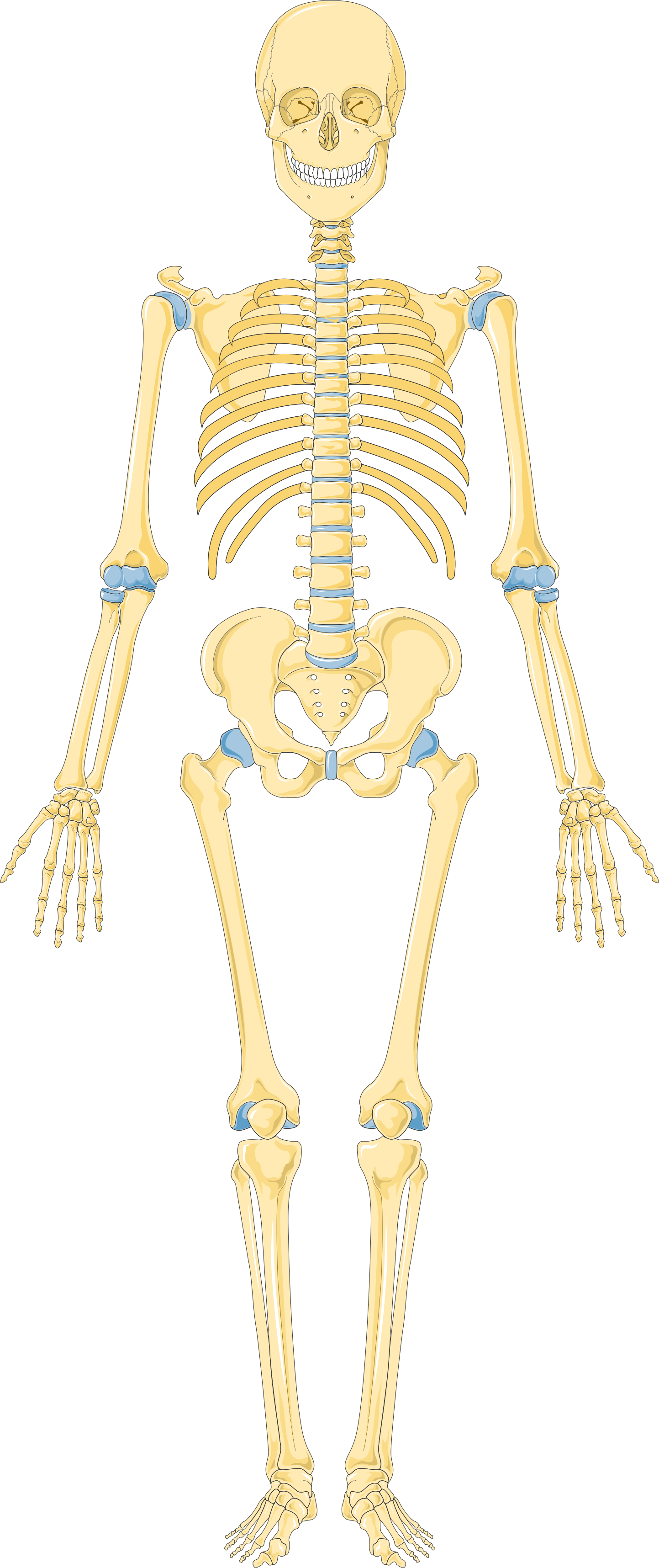
An adult skeleton from the front. It has about 206 bones. The blue parts are the cartilage at the joints and between the vertebrae.. Photo: Skeleton 3 -- Smart-Servier, Laboratoires Servier, CC BY-SA 3.0, modified: reduced in size 2. Muscles
Muscles move the body by contracting. Some muscles work involuntarily, such as the heart muscle.
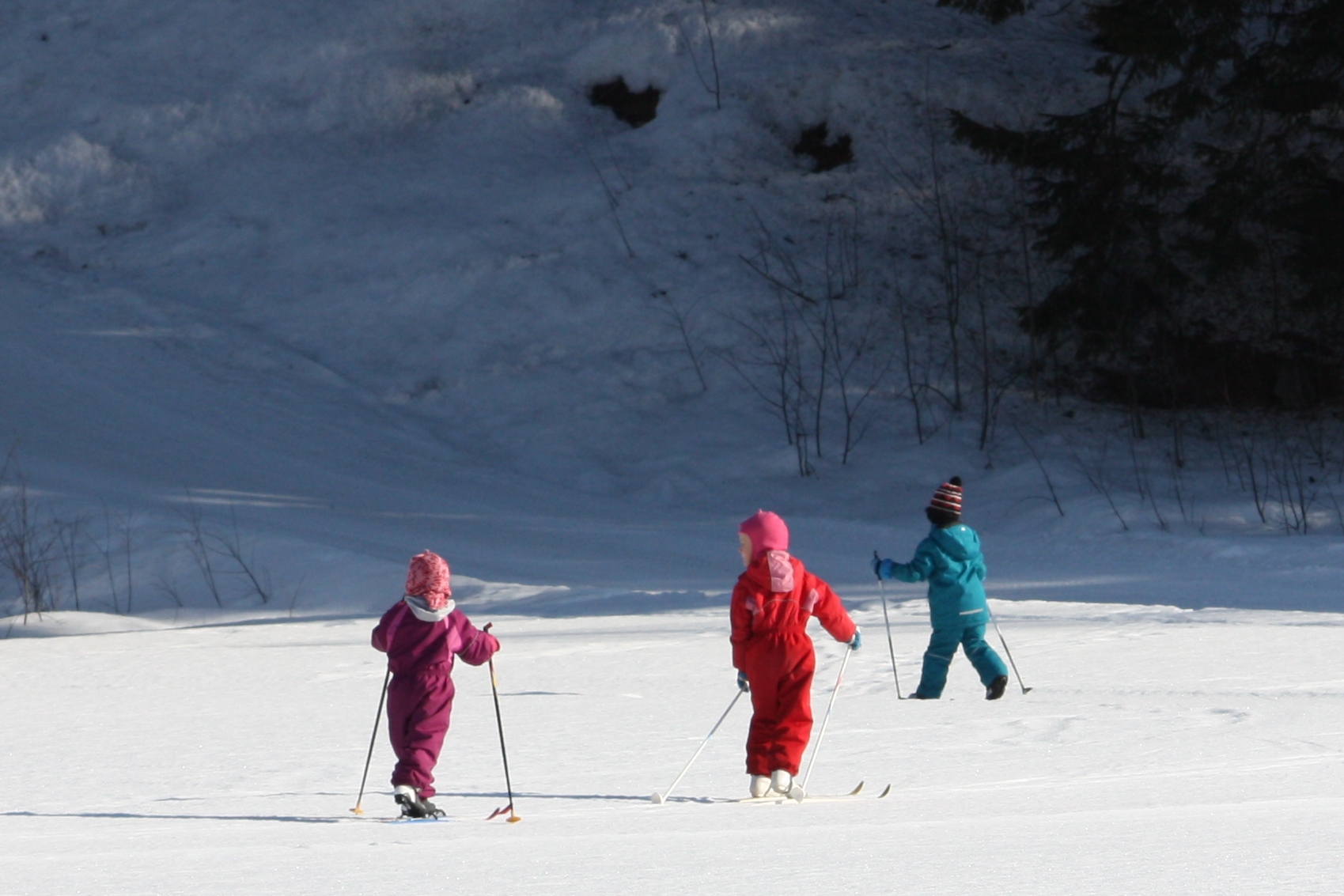
In skiing, the muscles of both the arms and the legs do the work.. Photo: Children skiing IMG 3920, Anneli Salo, CC BY-SA 3.0, modified: reduced in size 3. Heart and Circulation
The heart pumps blood, which carries oxygen and nutrients everywhere in the body. Blood returns to the heart through veins.
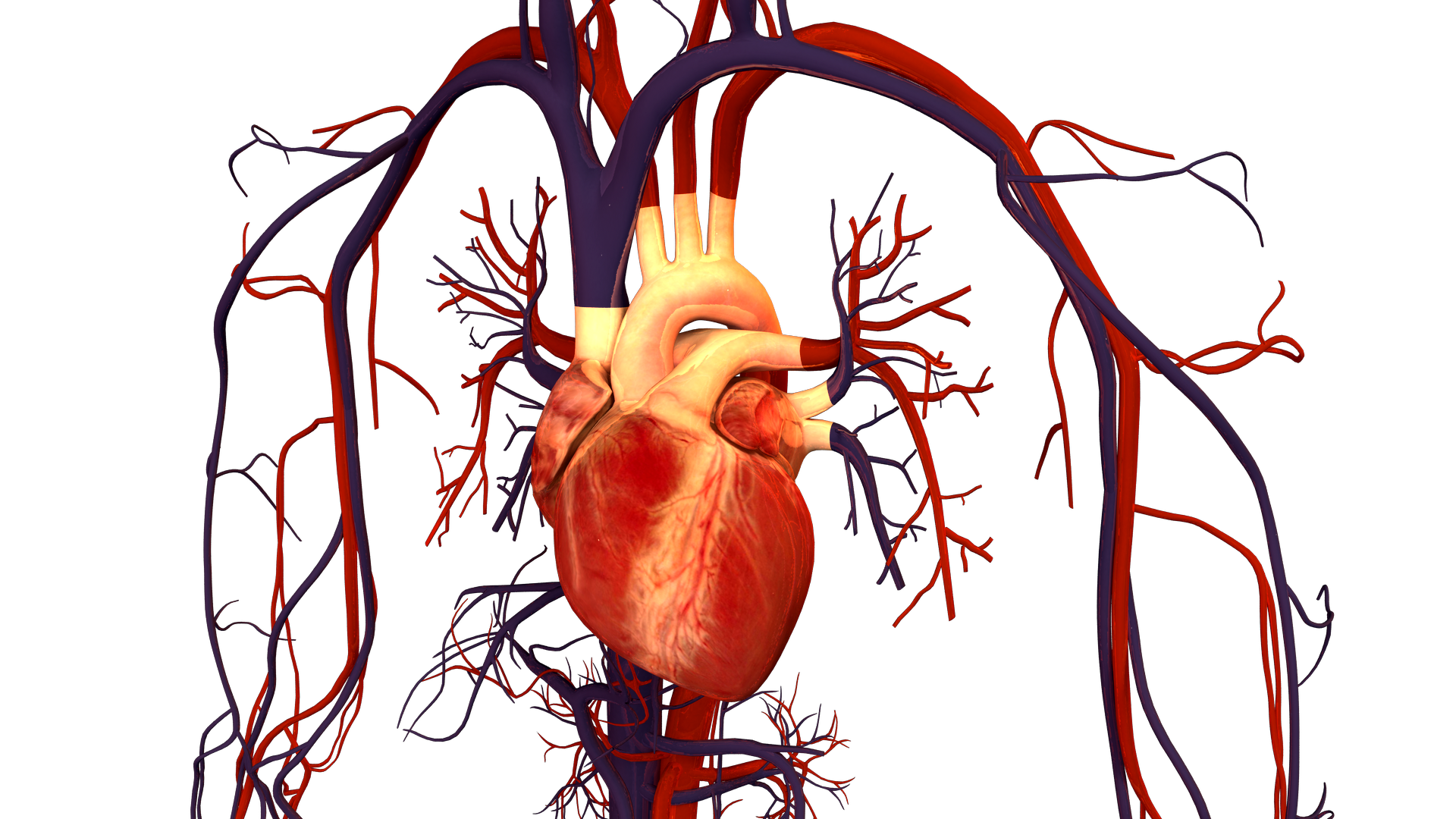
The heart and blood vessels. Arteries carry blood away from the heart and veins bring it back.. Photo: Human Heart and Circulatory System, Bryan Brandenburg, CC BY-SA 3.0, modified: reduced in size 4. Lungs
In the lungs, oxygen from the air you breathe moves into the blood, and carbon dioxide is removed. This is why your breathing speeds up when you exercise.
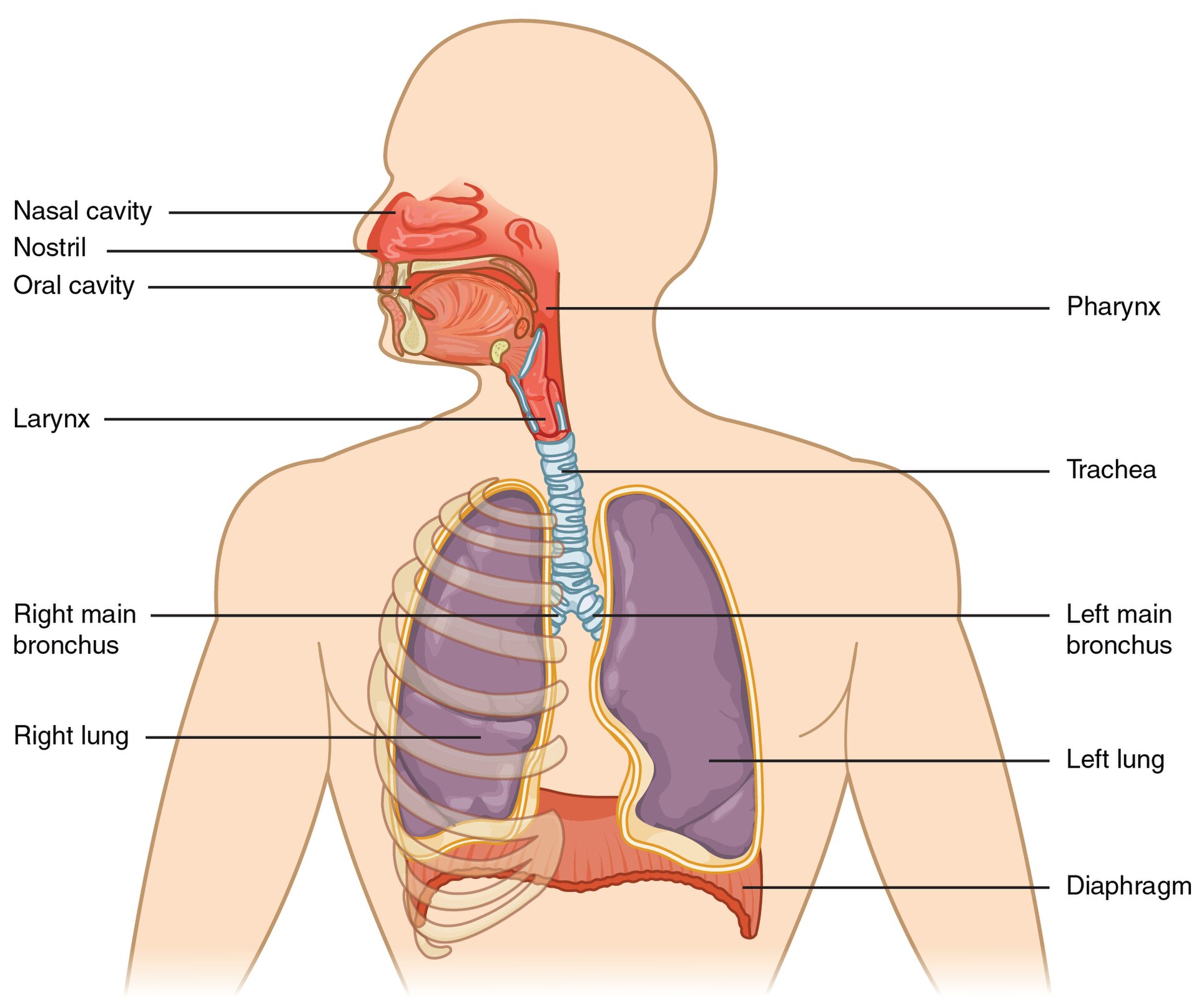
The respiratory organs. The labels are in English: nasal cavity, trachea (windpipe), lung, diaphragm.. Photo: 2301 Major Respiratory Organs, OpenStax College, CC BY 3.0, modified: reduced in size 5. Senses
Sight, hearing, smell, taste, and touch transmit information from the environment to the brain. The brain interprets the messages and guides your actions.
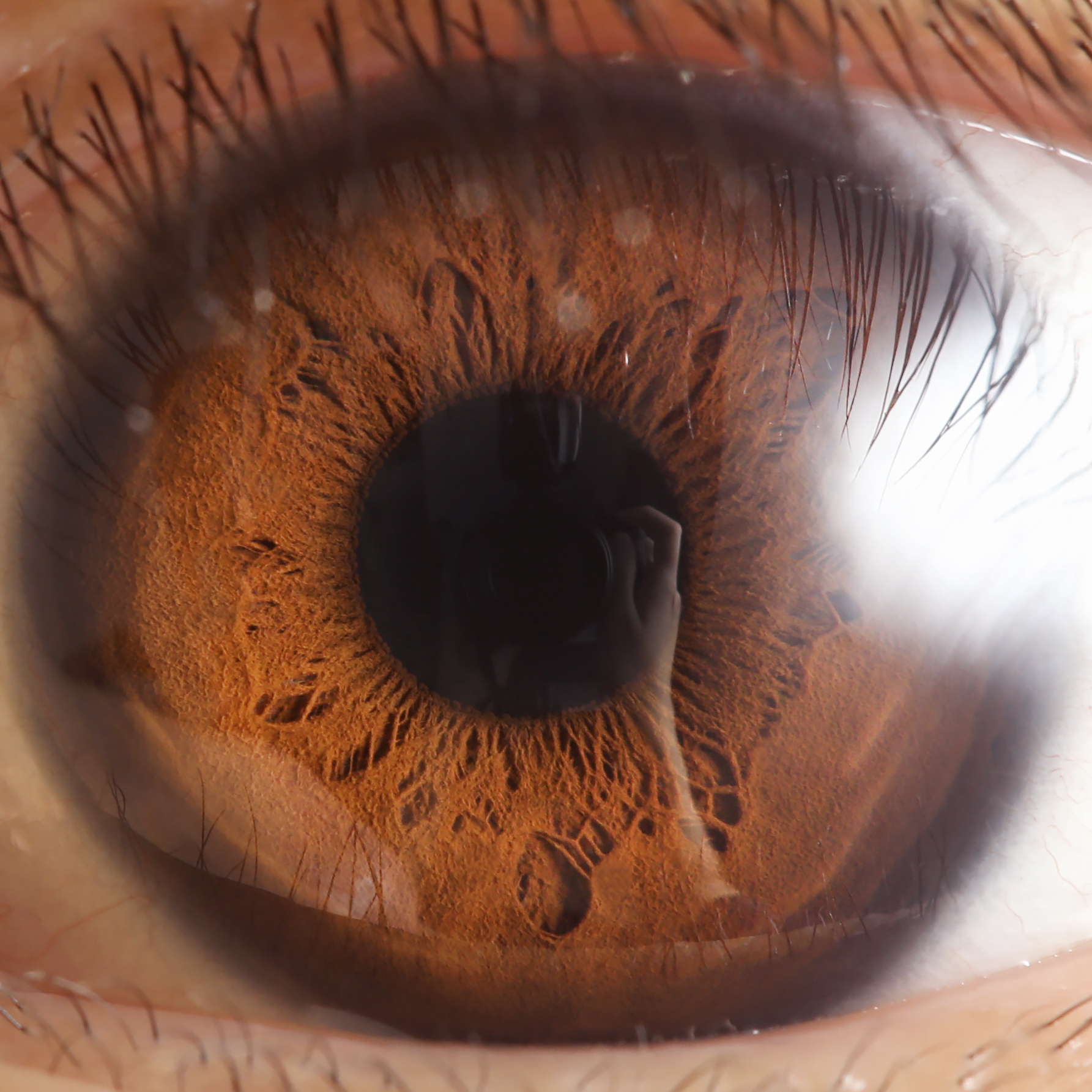
A close-up of an eye. The pupil is the black opening in the middle that lets light into the eye.. Photo: Human eye close up, anterior view, Rapidreflex, CC BY-SA 4.0, modified: reduced in size 
Smell: the nose senses scents.. Photo: A curious child, smelling flower, India, ☻☺, CC BY-SA 2.0, modified: reduced in size 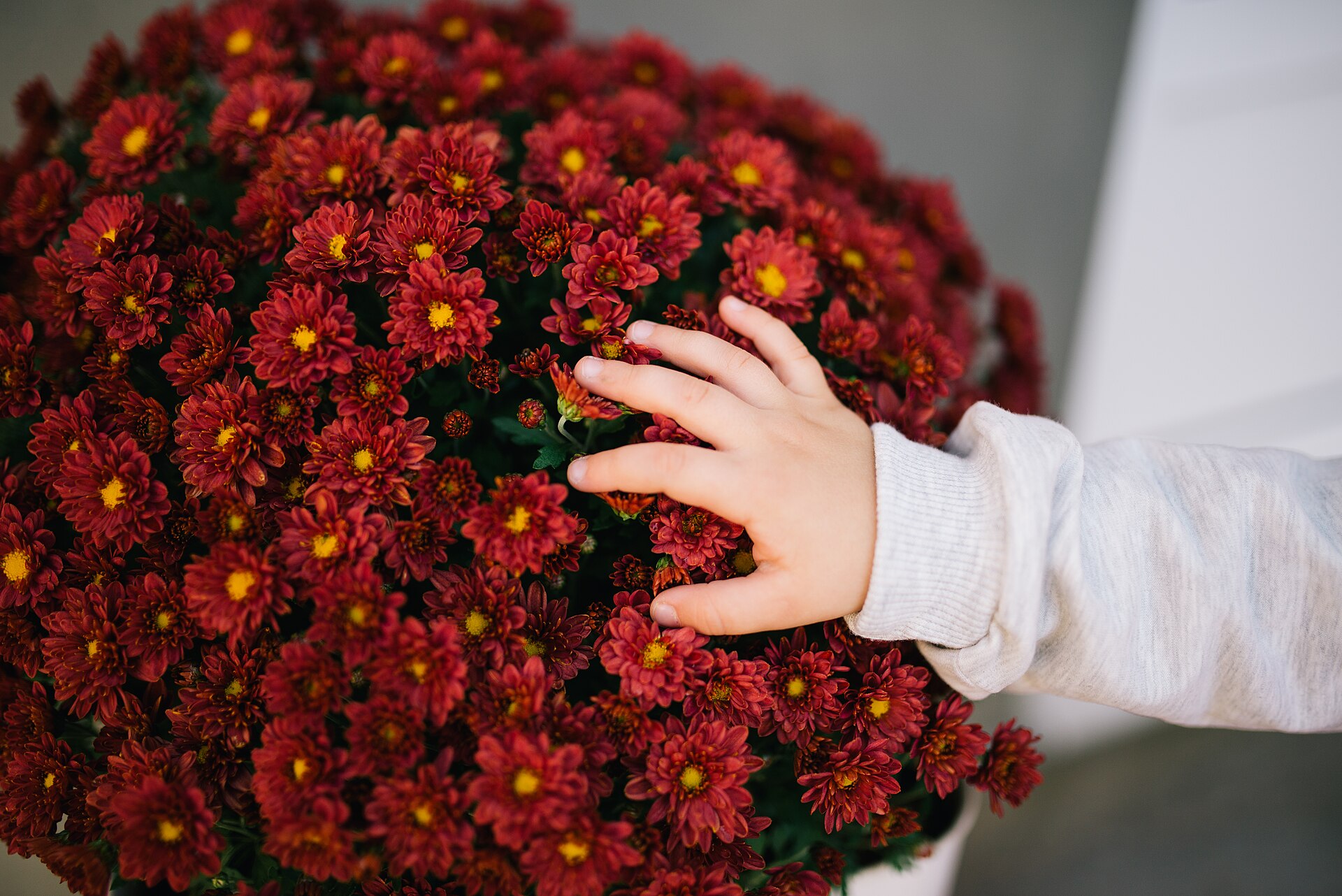
Touch: through the skin we feel, for example, how soft flower petals are.. Photo: Child touching red chrysanthemums in a flower pot, Shixart1985, CC BY 2.0, modified: reduced in size


Summary
The body is a whole system where the skeleton, muscles, circulation, breathing, and senses support each other. Sleep, nutrition, and exercise keep this system in good condition.
Frequently asked questions
Why does your heart rate increase during exercise?
Because your muscles need more oxygen, and the heart must pump blood faster.
How much sleep does a child need?
School-aged children usually need about 9–11 hours of sleep per night.
Why are senses important?
They provide information about the environment and warn of danger, such as heat or loud noises.