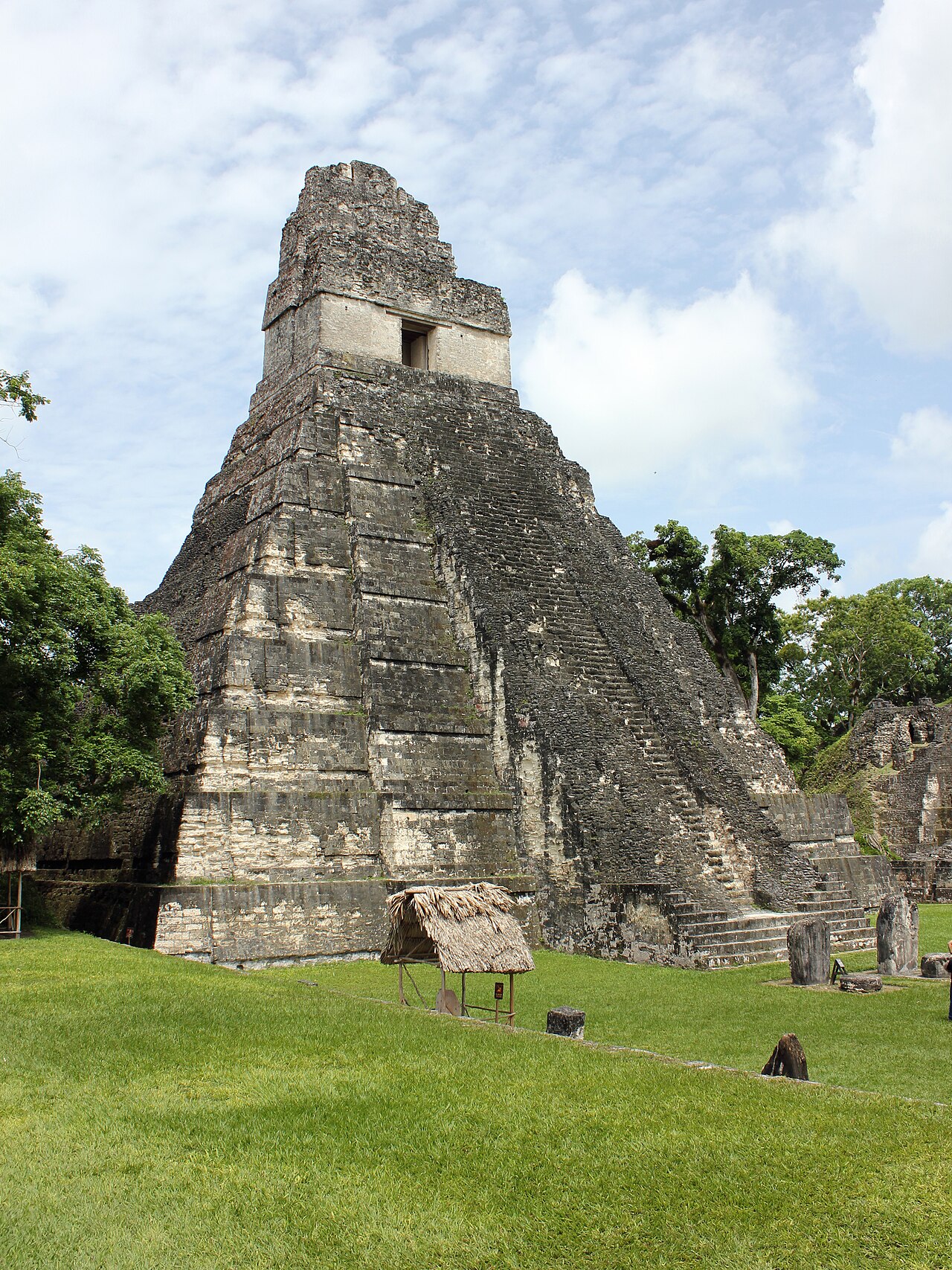

The Maya: pyramids, calendar and writing
The cities, pyramids, hieroglyphs, numbers and calendar of the Maya in pictures and maps. Slides and questions for grades 4–6.
The Maya civilization flourished more than a thousand years ago in southern Mexico and Central America. The Maya built cities and stepped pyramids, and many of them are still standing. The article looks at the time from about 250 to 900 CE, which is called the Classic period. It suits history in grades 4–6, and every step can be shown to the class as a slide.
By the end, pupils can tell where and when the Maya lived and what they used their pyramids for. They know how the Maya wrote and counted, and can explain why the Maya did not disappear. They know the words civilization, city-state, maize, archaeologist, zero and calendar.
Key concepts
- civilization
- A civilization is a society with cities, organized government, people specialized in different jobs and usually writing. The first civilizations arose more than 5,000 years ago in Mesopotamia and Egypt. The word does not mean that other cultures are worse.
- city-state
- A city-state is an independent state made up of a city and the countryside around it. In ancient Greece a city-state was called a polis, and the best known were Athens and Sparta. There were also city-states in medieval Italy, for example, and Singapore is one today.
- corn
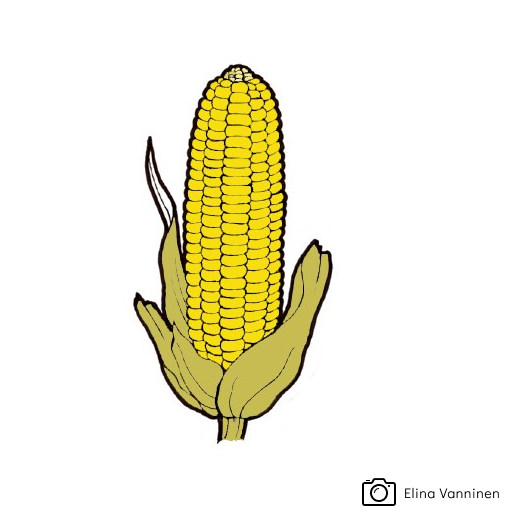 A tall plant with yellow kernels on its cobs.
- archaeologist
 A scientist who digs up old objects and remains to find out about the past. An archaeologist digs carefully with a trowel and a brush and records exactly where each find was. We know almost everything about the Stone Age thanks to archaeologists, because there was no writing yet.
- zero
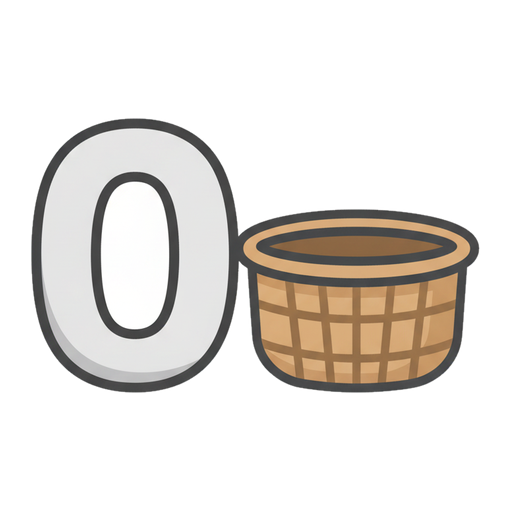 The number that means none at all.
- calendar
 A list of the days, weeks and months of the year. Important days are marked on it.
1. What do you know about the Maya?
Where did the Maya live?
What did the Maya use their pyramids for?
How did the Maya write and count?
Do the Maya still exist?2. Where and when did the Maya live?
The Maya lived in southern Mexico, Guatemala, Belize and western Honduras. From about 250 to 900 CE they had many city-states, such as Tikal and Palenque. Each city was ruled by its own king. The Maya have not disappeared: today there are millions of Maya people.
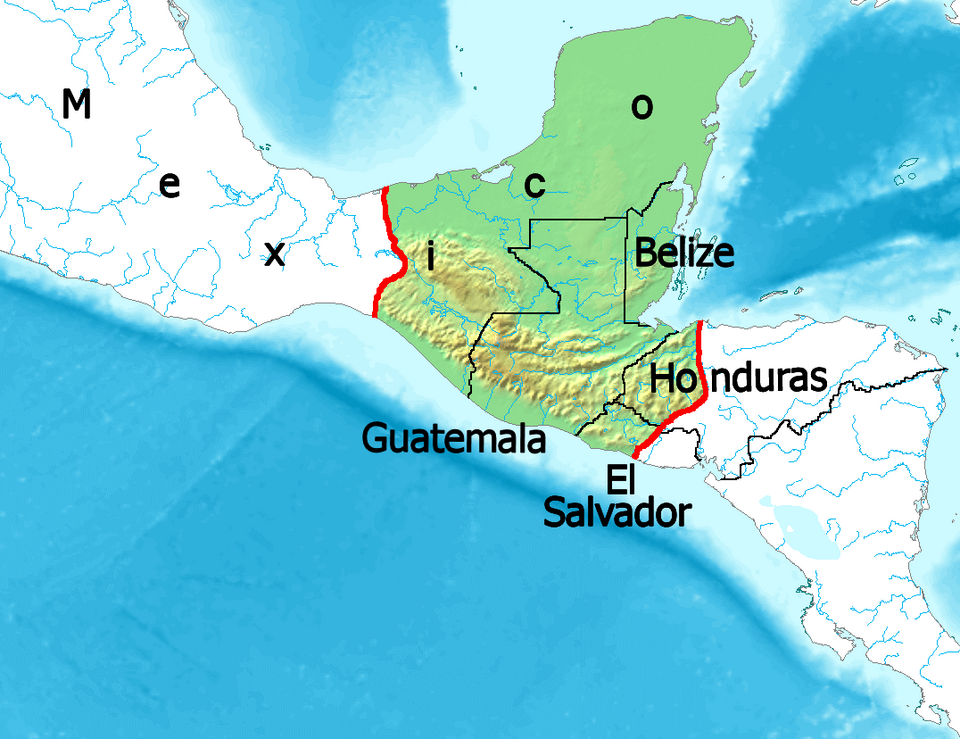
The Maya area (green). The country names are in English. The markers for the cities show only roughly where they are.. Photo: Maya region w english names, Nepenthes (englanninkielinen versio: Kaldari), CC BY-SA 3.0, modified: reduced in size 3. The pyramids of the cities
In the cities of the Maya there were squares and stepped pyramids of stone, with a temple on top for ceremonies. The Temple of the Inscriptions at Palenque was built around the year 680 as a burial temple for King Pakal. Archaeologists found the tomb inside the pyramid in 1952. The Maya grew maize, their most important food plant.
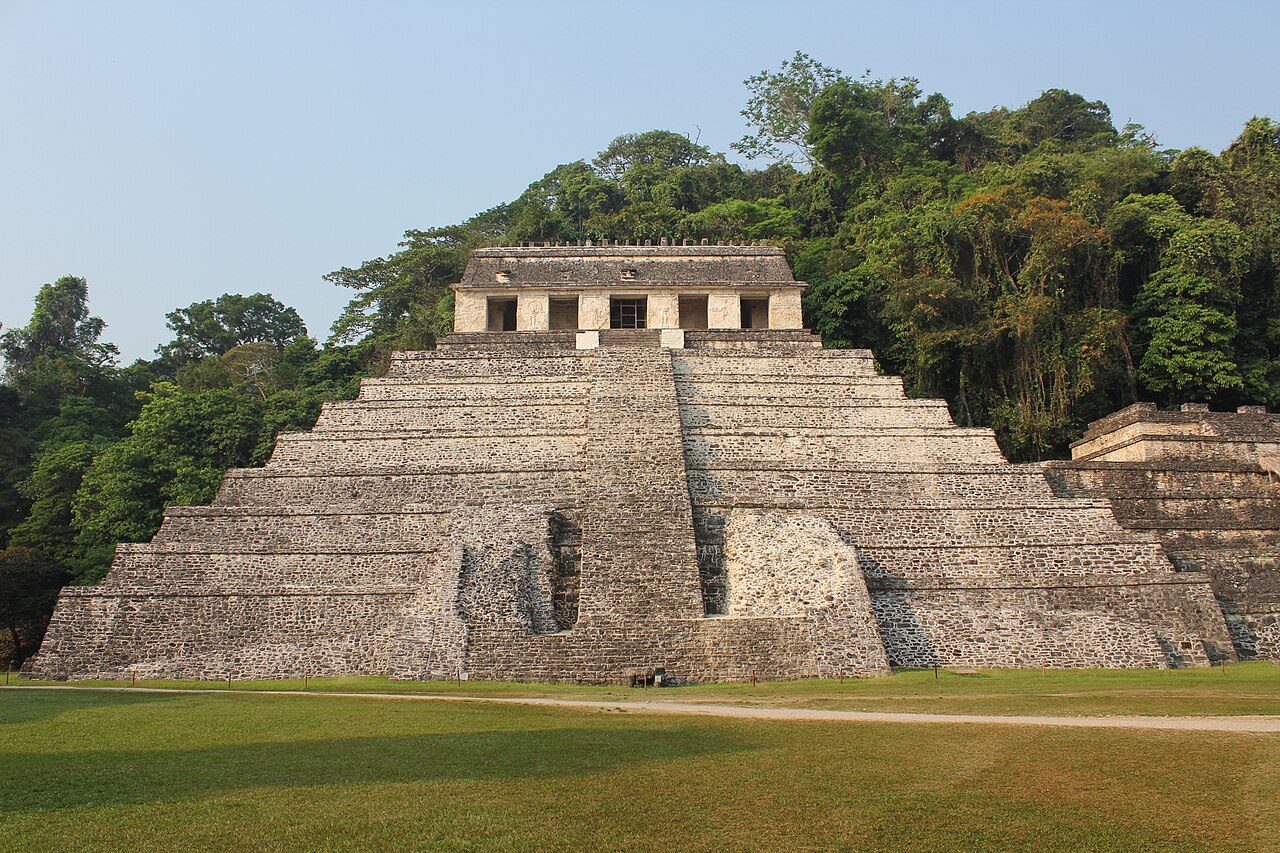
The Temple of the Inscriptions at Palenque in Mexico, from around the year 680. The name comes from the long hieroglyph texts inside the temple.. Photo: Palenque, Temple of the Inscriptions (20498755918), Arian Zwegers, CC BY 2.0, modified: reduced in size 4. Writing: hieroglyphs and books
The Maya wrote with picture signs, hieroglyphs, that stand for a word or a syllable. The texts were carved in stone and painted in books. Only a few Maya books have survived, one of them in the library in Dresden. Today researchers can read a large part of the texts.
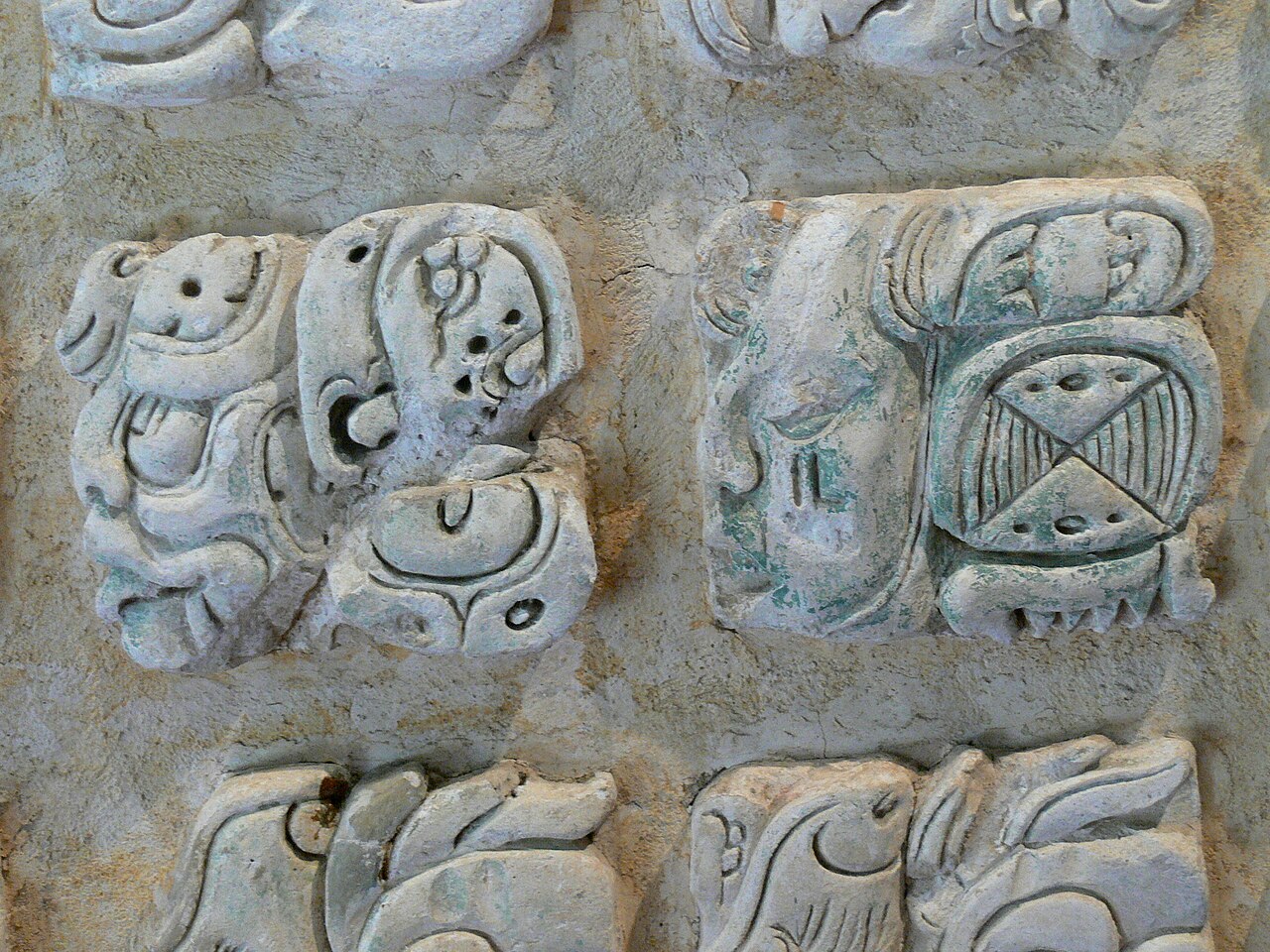
Maya hieroglyphs in the museum at Palenque. Each sign is a small picture, and the signs are grouped in blocks.. Photo: Palenque - Maya-Glyphen 5, Wolfgang Sauber, CC BY-SA 3.0, modified: reduced in size 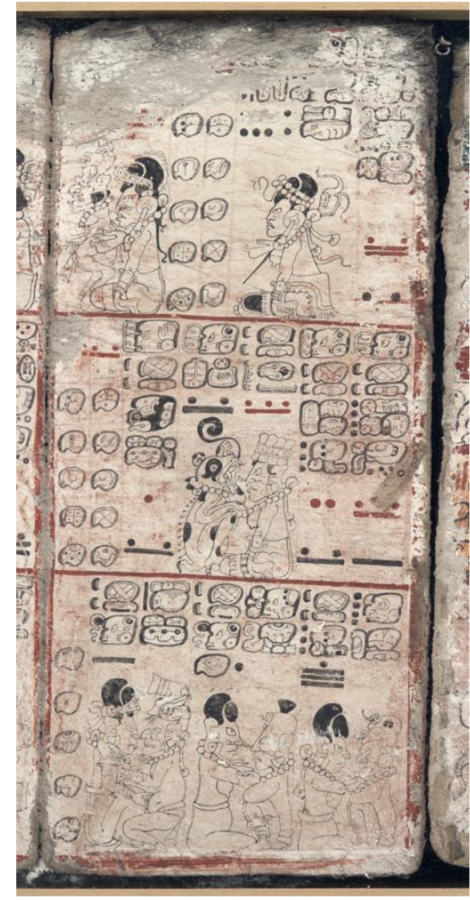
A page from the Dresden Codex. The page shows figures of gods, hieroglyphs and numbers written with dots and bars. The codex was made around the year 1100. The picture is a scan.. Photo: Dresden Codex 21, Tuntematon mayakirjuri (skannaus: Library of Congress), Public domain, modified: reduced in size and cropped 5. Numbers and calendar
The Maya counted with dots and bars: a dot is 1, a bar is 5. A bar and two dots make 5 + 2 = 7, and zero was drawn as a shell. The Maya had two calendars, of 260 and 365 days, to plan ceremonies and farming. They ran side by side: the same combination came back only after 52 years.
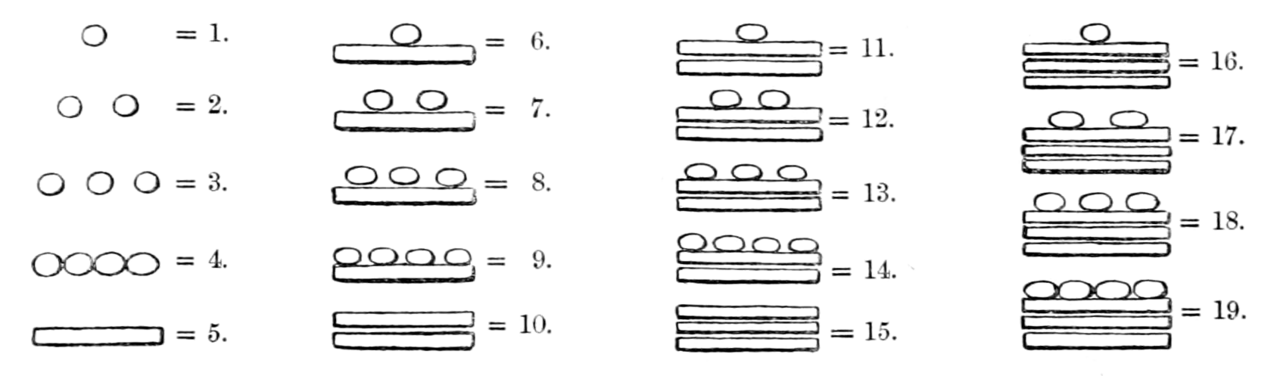
Maya numbers 1–19. A dot (small oval) is 1 and a bar (long rectangle) is 5. The drawing is from a book published in 1899. The sign for zero is not in the picture.. Photo: A glimpse of Guatemala - Maya Numerals 1-19, Alfred Percival Maudslay, Public domain, modified: reduced in size 6. The cities fall silent, the Maya remain
Many cities in the south were abandoned. The cause is not fully known: drought and war are thought possible. The Maya did not disappear.
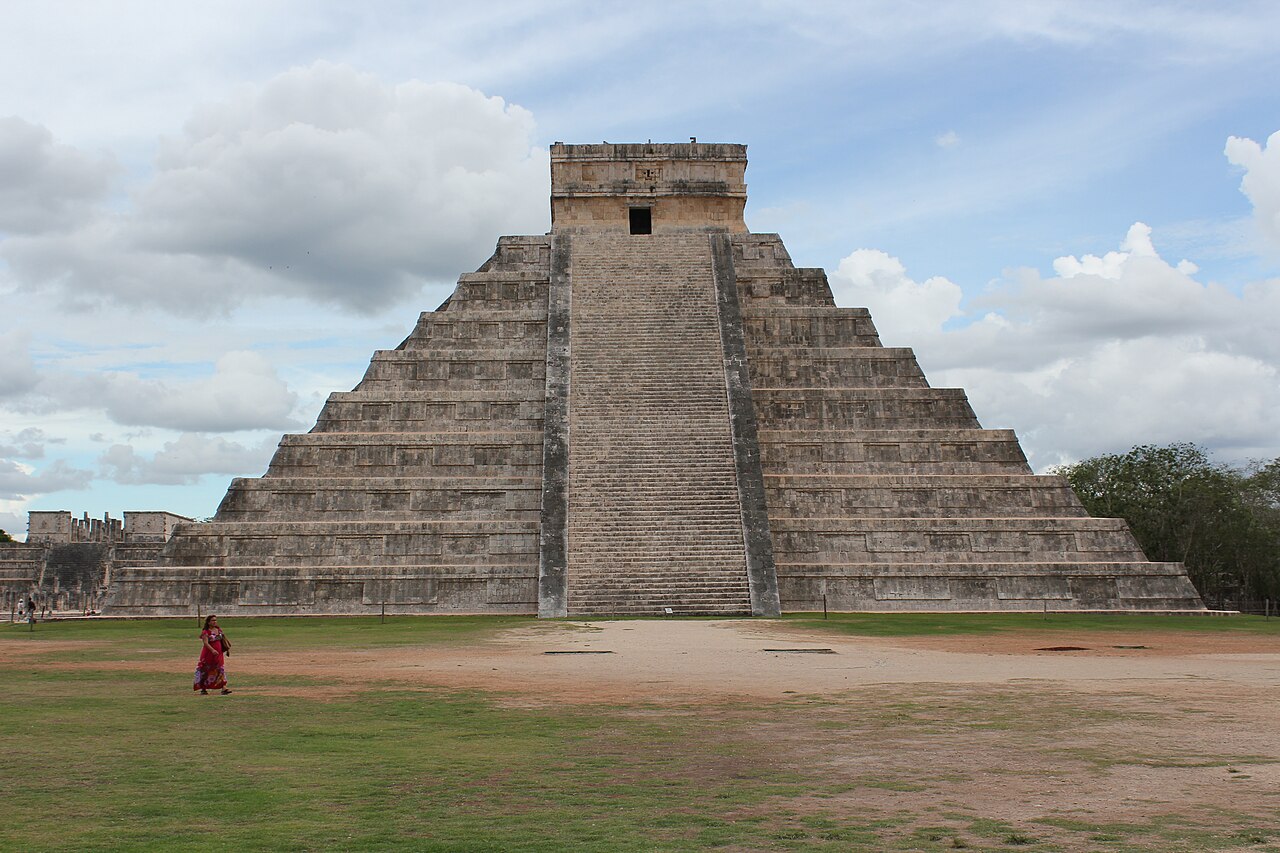
El Castillo, the pyramid at Chichén Itzá on the Yucatán Peninsula in Mexico. It was built some time between 800 and 1200. The steep staircase leads up to the temple.. Photo: Chichen Itza, El Castillo (14180679857), Arian Zwegers, CC BY 2.0, modified: reduced in size 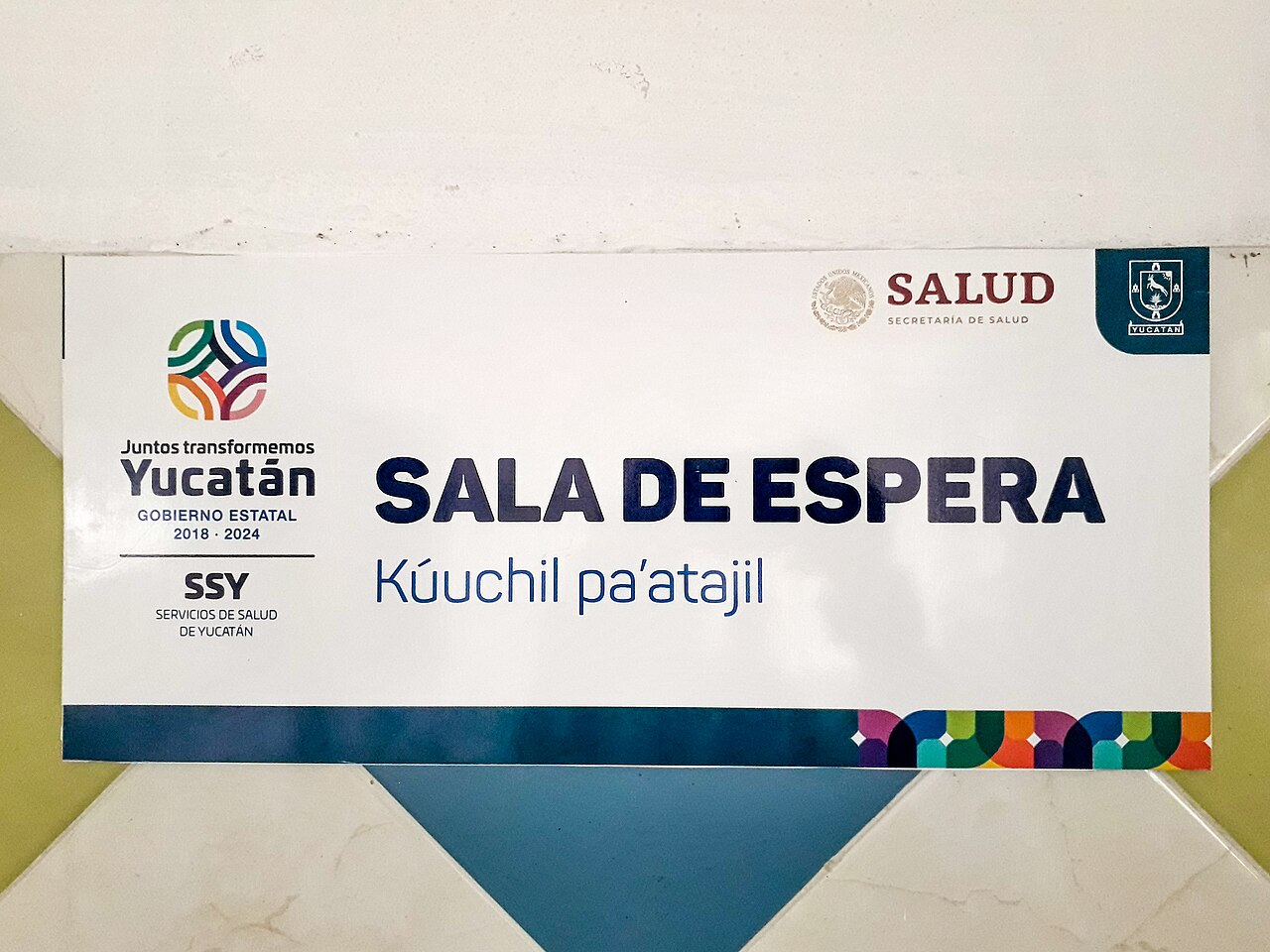
Sign for a waiting room in a health centre in Yucatán. The text is in Spanish (Sala de espera) and in a Maya language (Kúuchil pa’atajil). Maya languages are still spoken today.. Photo: Sala de espera en maya yucateco, Addicted04, CC BY-SA 4.0, modified: reduced in size - about 250–900 CE Classic period: city-states flourish
- about 800–900 CE Many cities in the south are abandoned
- about 900–1200 CE Chichén Itzá is a large city
- about 1520 The Spanish arrive in the region
- Today Millions of Maya speak Maya languages
7. Discuss in pairs
What did the Maya use their pyramids for?
Why did the Maya need a calendar?
How do we know anything about the Maya, even though many books are lost?
Why can we not say that the Maya disappeared?


Summary
The Maya lived in southern Mexico, Guatemala, Belize and western Honduras. In the Classic period, about 250–900 CE, they had many city-states ruled by kings. The Maya built stepped pyramids, grew maize and wrote with hieroglyphs. They counted with dots and bars, used zero and had two calendars. Many cities in the south were abandoned about 800–900 CE, but the cause is not fully known. The Maya did not disappear: today there are millions of Maya people.
Frequently asked questions
Did the world end in 2012?
No. In the long Maya count of time, one great period ended in December 2012, and a new one began straight away, like a year turning into the next. According to researchers, no known Maya text predicts the end of the world.
What did the Maya eat?
The most important crops were maize (corn), beans and pumpkins. Maize dough was made into bread. The Maya also drank a drink made from cacao. The cacao tree grows in the rainforests of Central America.
Did the Maya play ball games?
Yes. The Maya played with a rubber ball on a ball court. The ball was moved with the hips, for example. According to researchers, the game was also part of religious ceremonies.
Related content
- Video: We're the Thinkers Song | Groovy Greeks | Horrible Histories
- Video: The Pyramids of Egypt and the Giza Plateau: Ancient Egyptian History for Kids - FreeSchool
- Video: The History of Civilization for Kids: How Civilization Began - FreeSchool
- Video: Exploring Maya Civilization for Kids: Ancient Mayan Culture Documentary for Children - FreeSchool
Try exercises
Have you taught this topic? Create an exercise on it for your class.