
The Solar System: Planets, the Sun, and the Moon
The structure of the Solar System: the Sun, eight planets, the phases of the Moon, and the variation of the day explained.
The solar system consists of the Sun and the objects that orbit it. Earth is one of eight planets.
Key concepts
- solar system
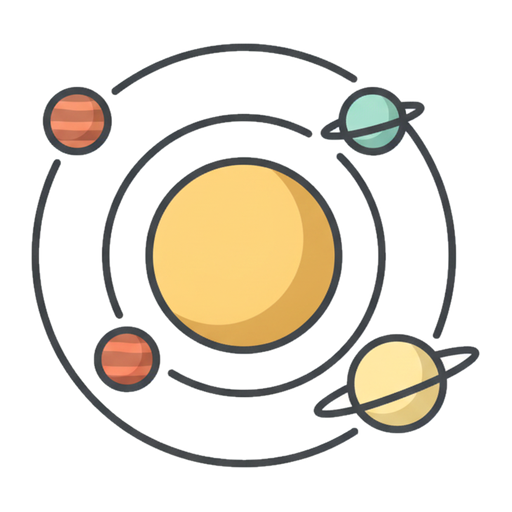 The solar system is the Sun and everything that orbits it. This includes eight planets, and Earth is one of them.
- star
- A star shines in the sky at night.
- Mercury
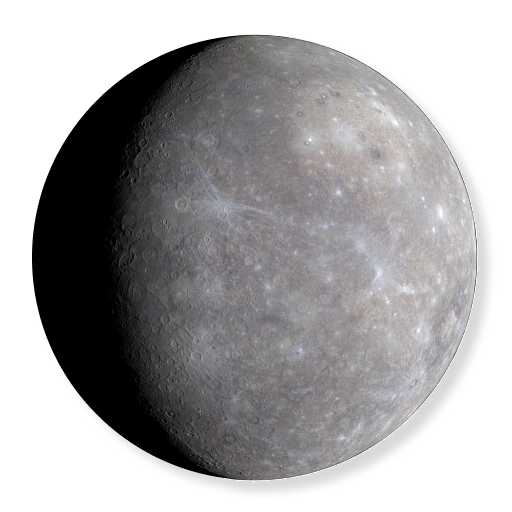 A small planet that is the closest of all to the Sun.
- Venus
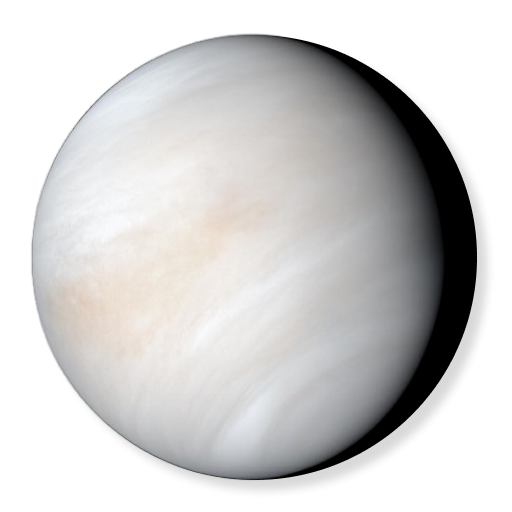 Earth's neighbour planet, which is very hot and shines brightly in the sky.
- Earth
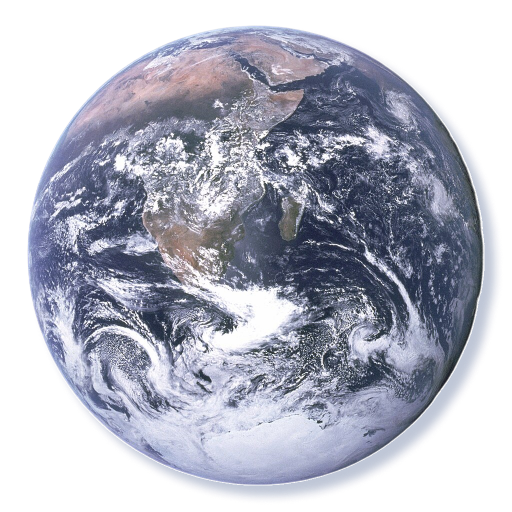 The planet we live on, which has water and air.
- Mars
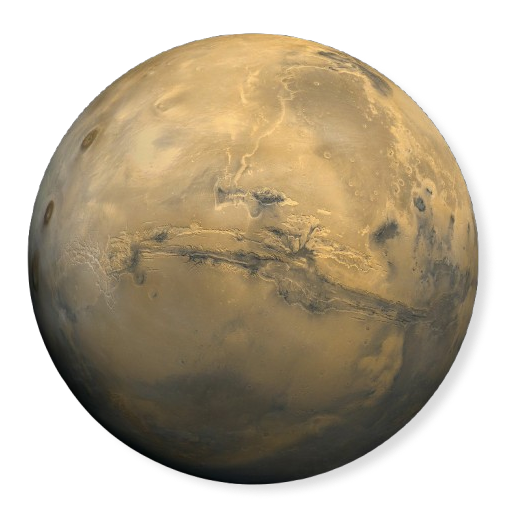 A reddish planet that is Earth's neighbour.
- Jupiter
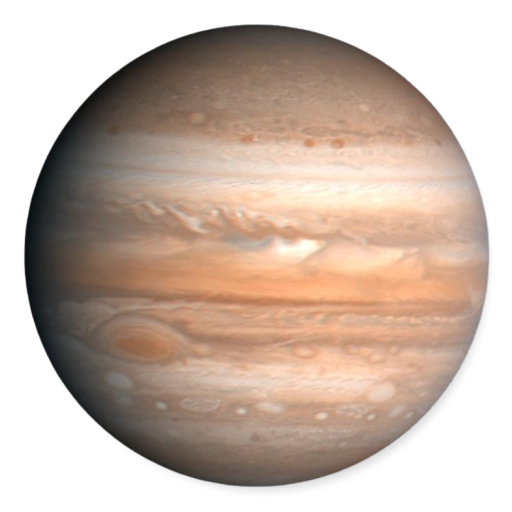 The biggest planet in our solar system, with stripes and a big red spot.
- Saturn
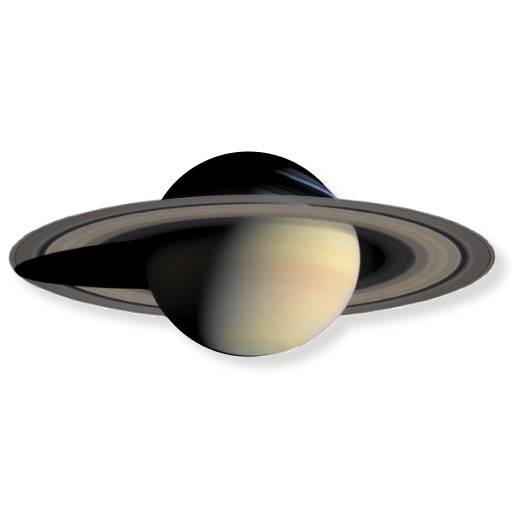 A planet with wide rings around it.
Related exercises
1. The Sun
The Sun is a star that produces light and heat. Its gravity keeps the planets in their orbits.
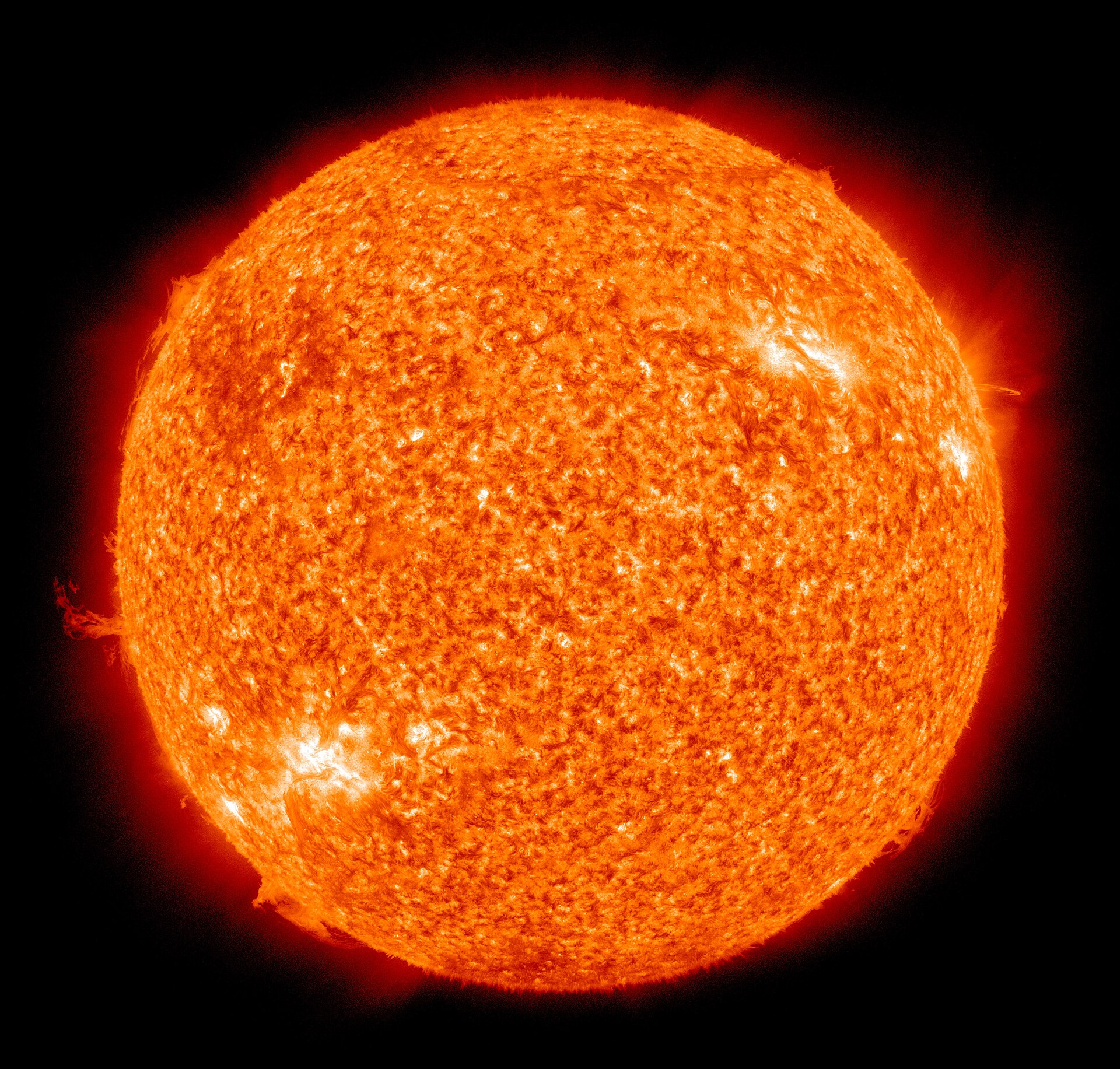
The Sun as seen by NASA's SDO satellite (false-colour ultraviolet image). Photo: The Sun by the Atmospheric Imaging Assembly of NASA's Solar Dynamics Observatory - 20100819, NASA/SDO (AIA), Public domain, modified: reduced in size 2. Eight Planets
In order outwards from the Sun: Mercury, Venus, Earth, Mars, Jupiter, Saturn, Uranus, and Neptune.
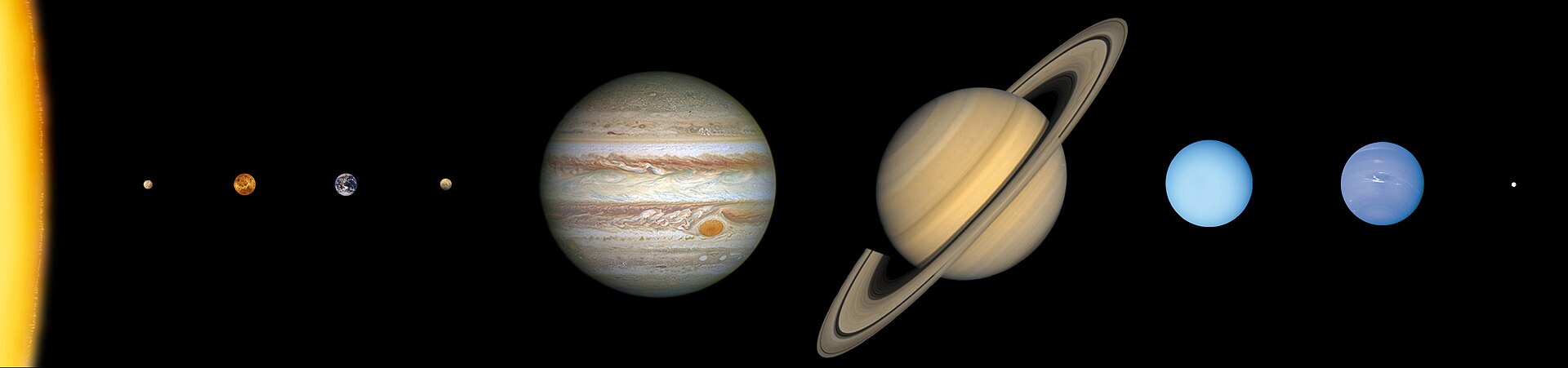
The planets from the Sun outwards. The sizes are to the same scale, the distances are not.. Photo: Solar system scale wide, Lunar and Planetary Laboratory; NASA, ESA, A. Simon (Goddard Space Flight Center); Martin Kraft, Public domain, modified: reduced in size 3. Terrestrial and Gas Planets
The four innermost planets are rocky, while the four outermost are large gas and ice giants.
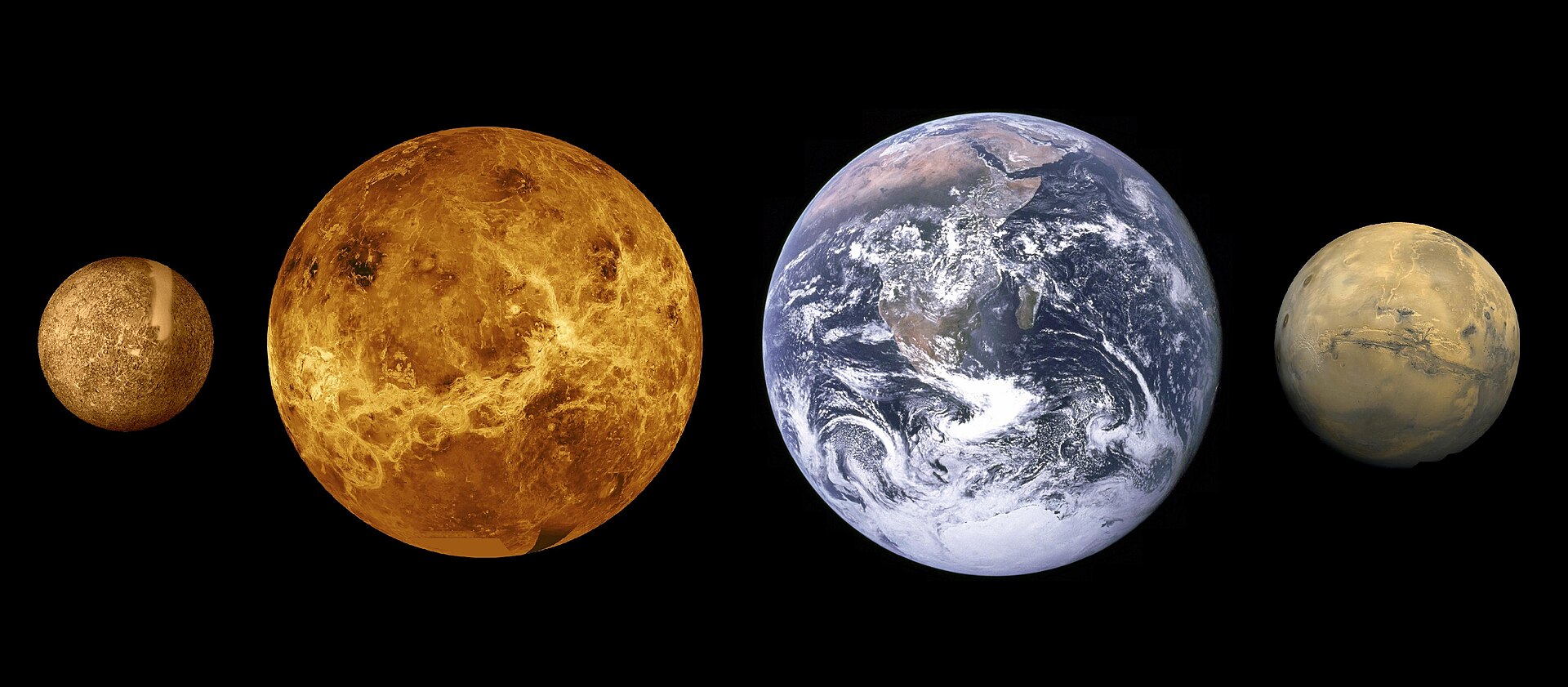
The rocky planets: Mercury, Venus, Earth and Mars. Photo: Terrestrial planet size comparisons edit, Jack (edit); NASA, Public domain, modified: reduced in size 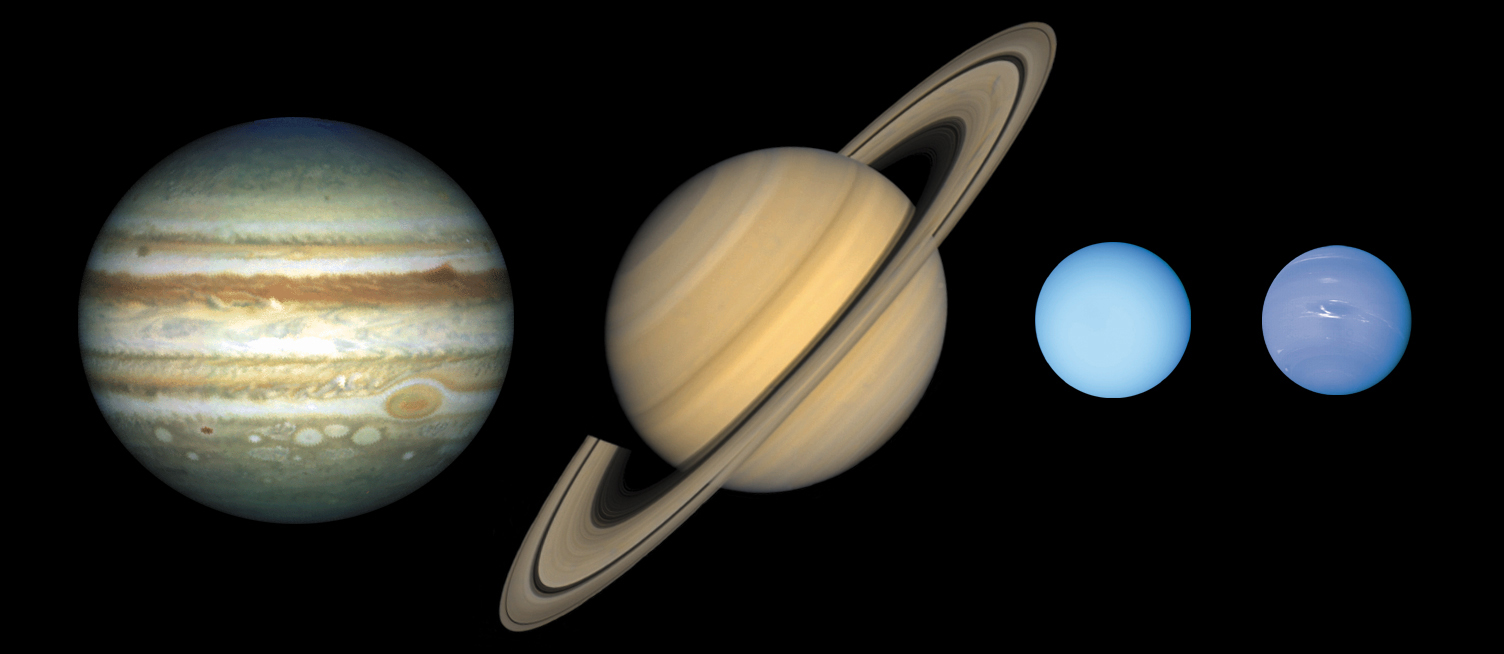
The large gas and ice giants: Jupiter, Saturn, Uranus and Neptune. Photo: Gas planet size comparisons, Solar System Exploration, NASA, Public domain, modified: reduced in size 4. Day and Year
Earth rotates on its axis in about 24 hours, which creates a day. One revolution around the Sun takes about 365 days.
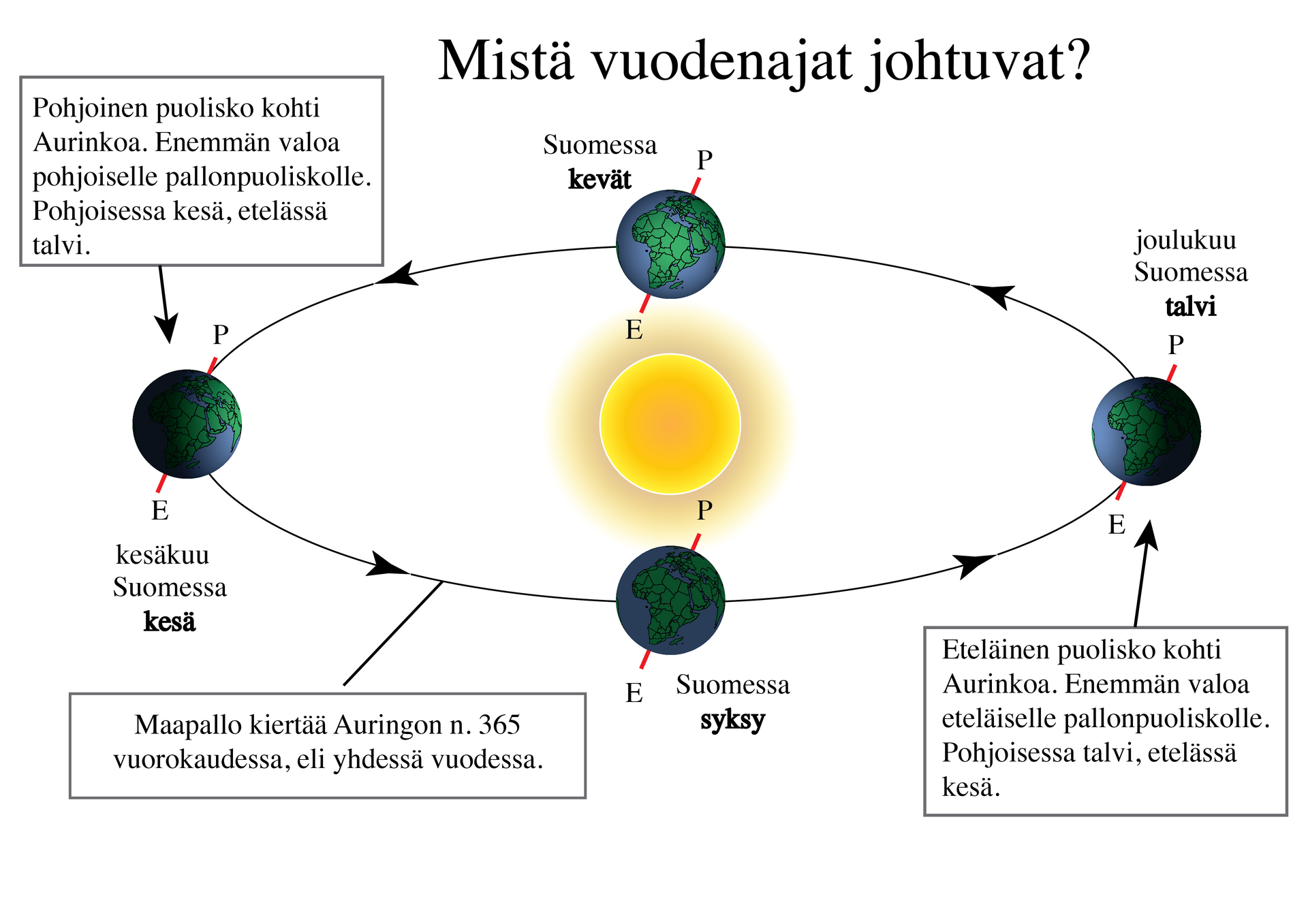
Earth orbits the Sun in a year. The tilt of its axis brings the seasons.. Photo: Mistä vuodenajat johtuvat, Opetustuubi, CC BY-SA 4.0, modified: reduced in size 5. The Moon
The Moon orbits the Earth and reflects sunlight. The phases of the Moon result from how much of the illuminated side is visible from Earth.
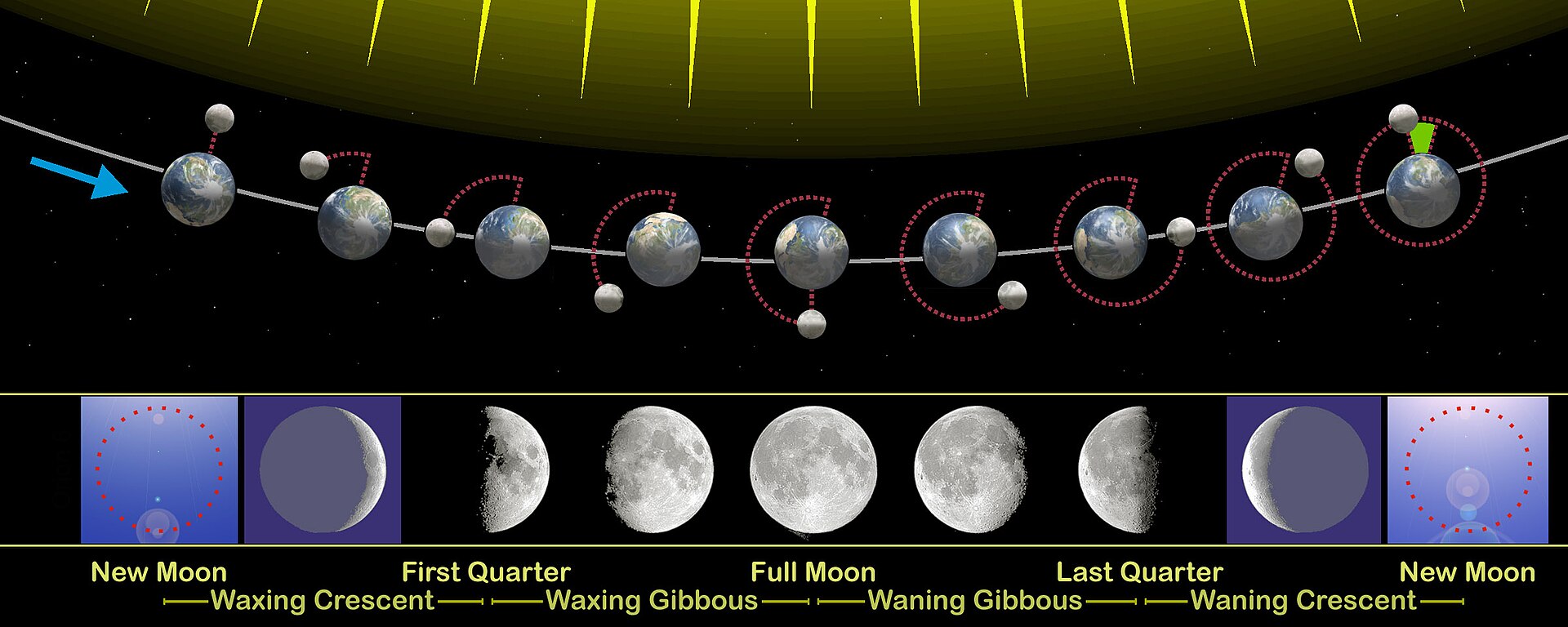
The phases of the Moon appear as the Moon goes around Earth. Photo: Moon phases en, Orion 8, CC BY-SA 3.0, modified: reduced in size


Summary
In the solar system, the Sun is the center and the planets orbit it. Earth's rotation and orbital motion explain the day, seasons, and the phases of the Moon.
Frequently asked questions
Why is Pluto no longer a planet?
It was reclassified as a dwarf planet in 2006 because it has not cleared its orbital neighborhood of other objects.
Why does the Moon appear to change shape?
Because as the Moon orbits the Earth, we see different portions of its illuminated side.
How far away is the Sun?
The Sun is an average of about 150 million kilometers away from Earth.