
The Vikings: teaching, slides and questions
Who were the Vikings, where did they sail and how did they live? Ships, runes, sagas and the horned helmet myth, with pictures, for grades 4–6.
The Vikings sailed from the Nordic region as far as North America and Constantinople. The article suits history in grades 4–6, and every step can be shown to the class as a slide.
By the end, pupils can tell who the Vikings were, when and where they travelled and how they lived. They also know what runes and sagas are and how we know about the Vikings.
Key concepts
- Viking
 Vikings were Nordic seafarers who went on trading and raiding voyages from about 800 to 1050. They also settled Iceland and Greenland and reached as far as North America. Horned helmets are a later invention, as there is no evidence for them from the Viking Age.
- trade
- Trade means buying and selling goods and services. It existed long before money in the form of barter, and today it takes place both between countries and online. Through trade, people get products they do not make themselves.
- settlement
 Settlement means the places where people live in an area and how they have settled there. Settlements often arise near waterways, farmland and travel routes, because people have needed them to live.
- monastery
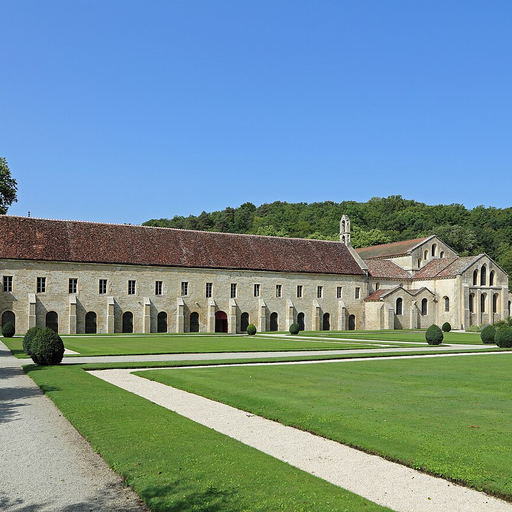 A place where monks or nuns lived, prayed and worked together. Monasteries copied books, cared for the sick and grew gardens. In the Middle Ages there were a few monasteries in Finland, such as the Bridgettine abbey in Naantali.
- archaeologist
 A scientist who digs up old objects and remains to find out about the past. An archaeologist digs carefully with a trowel and a brush and records exactly where each find was. We know almost everything about the Stone Age thanks to archaeologists, because there was no writing yet.
- historical source
 A historical source is any material that tells about the past, such as a letter, photograph, object or building. A primary source comes from the time being studied, while research literature is written later. A researcher must always consider who made a source and why.
- myth
- A myth is a sacred or traditional story that explains things like the origin of the world or natural phenomena. Greek stories of the gods and tales in the Kalevala contain myths. In everyday language a myth also means a common but false belief.
1. What do you know about the Vikings?
Where did the Vikings come from?
What did they use to travel across the sea?
Did the Vikings have horns on their helmets?
How do we know how they lived?2. The Viking Age, about 793–1066
The Vikings were seafarers from the area of present-day Norway, Sweden and Denmark. Not all Nordic people were Vikings. Most were farmers who stayed at home. The years are traditional limits.
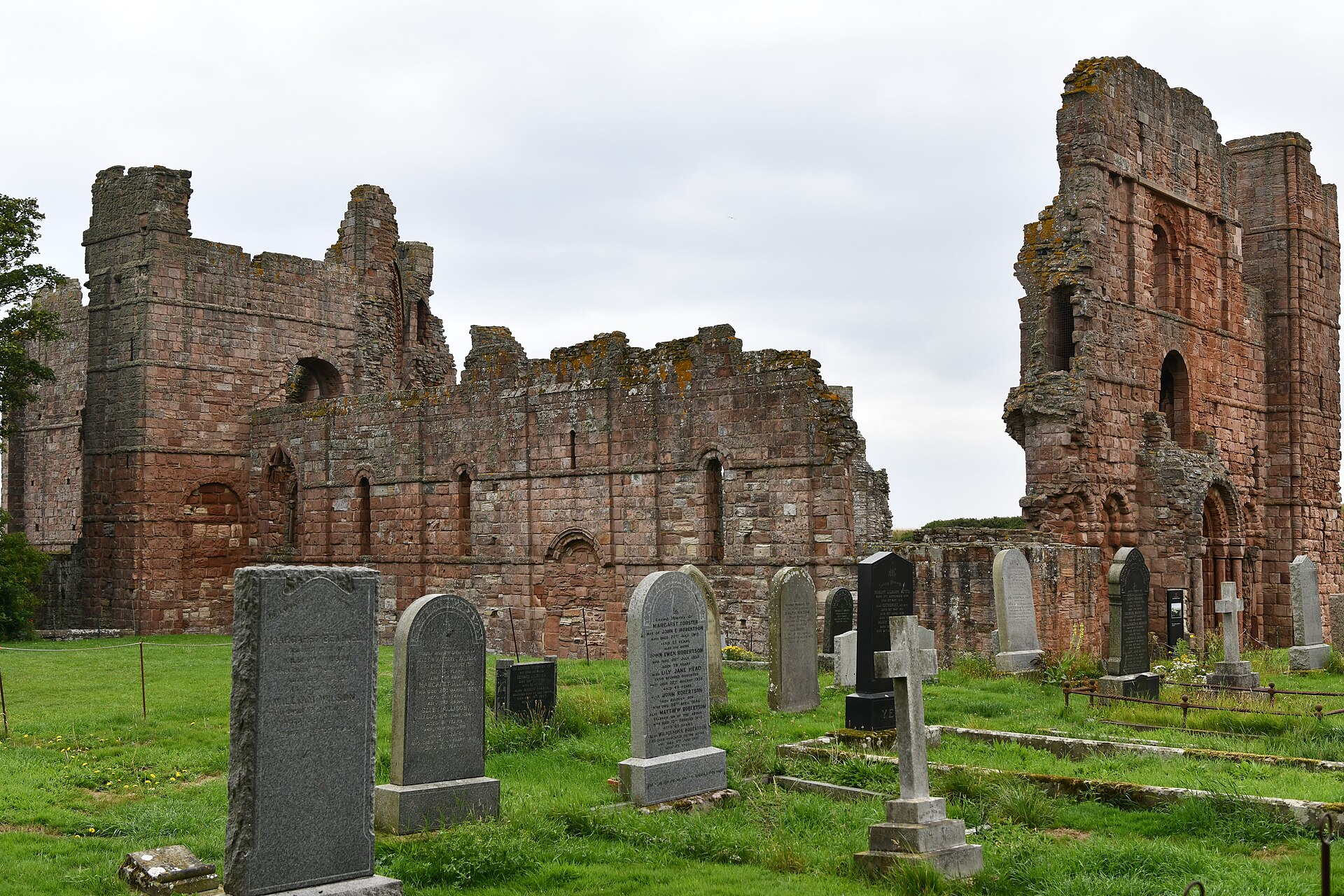
The island of Lindisfarne in England. The ruins are from a later monastery.. Photo: Holy Island, Lindisfarne Priory - geograph.org.uk - 8137764, Michael Garlick, CC BY-SA 2.0, modified: reduced in size 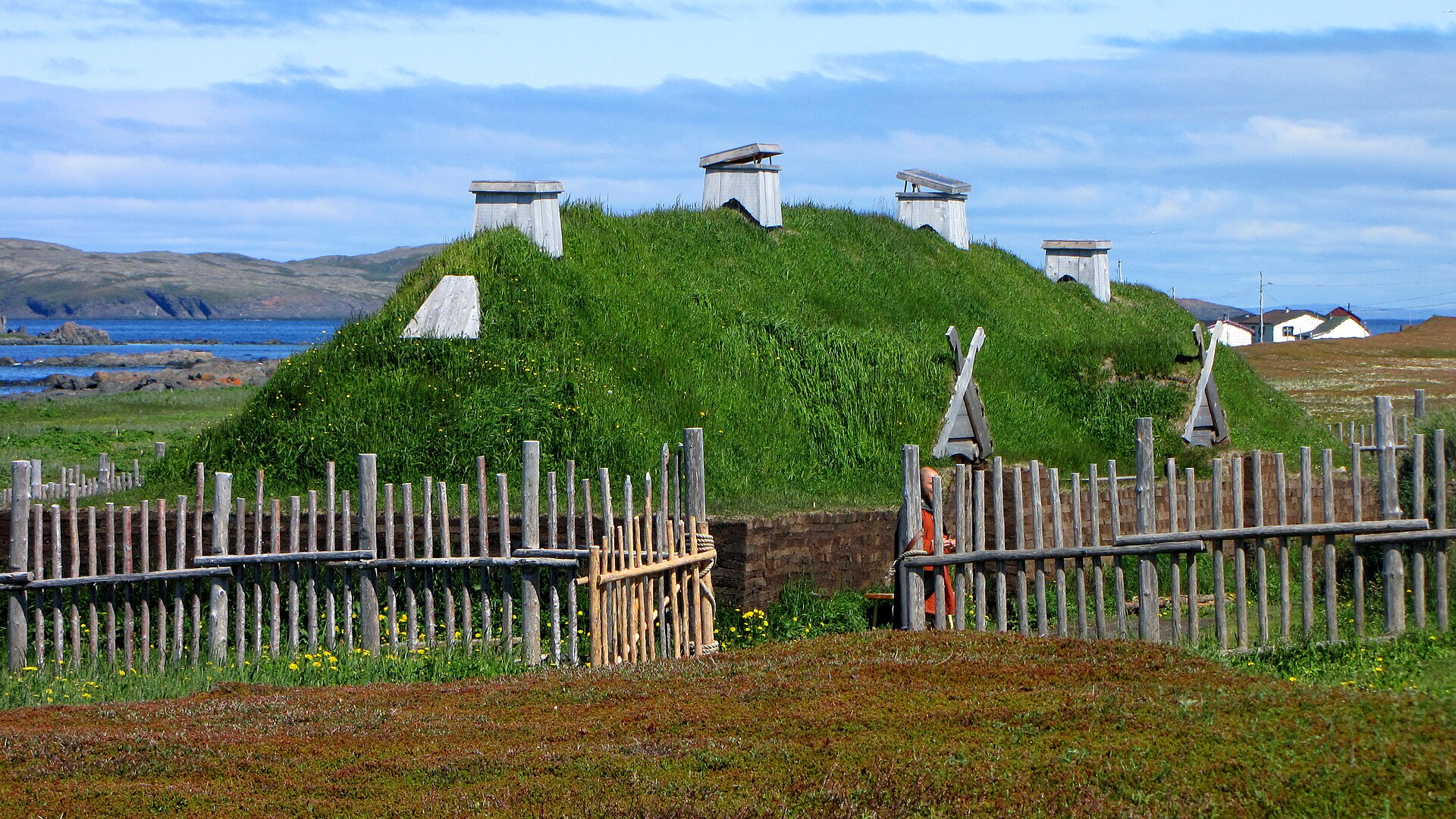
A replica of a turf house at L'Anse aux Meadows in Canada. Photo: L'Anse aux Meadows, recreated long house, D. Gordon E. Robertson, CC BY-SA 3.0, modified: reduced in size - 793 The Vikings raid the monastery of Lindisfarne on the coast of England
- 800s Raiding and trading voyages west and east
- about 870 The Vikings begin to settle Iceland
- about 1000 Ships sail from Greenland to North America, to L'Anse aux Meadows
- 1066 King Harald of Norway falls in England. This is seen as the end of the Viking Age.
3. Raids, trade and new homes
The Vikings raided rich monasteries and towns. Trade took them far away, because they sold furs and slaves and received silver in return. They also settled new lands, such as Iceland. In the east, the route ran along rivers to Novgorod, Kyiv and Constantinople.
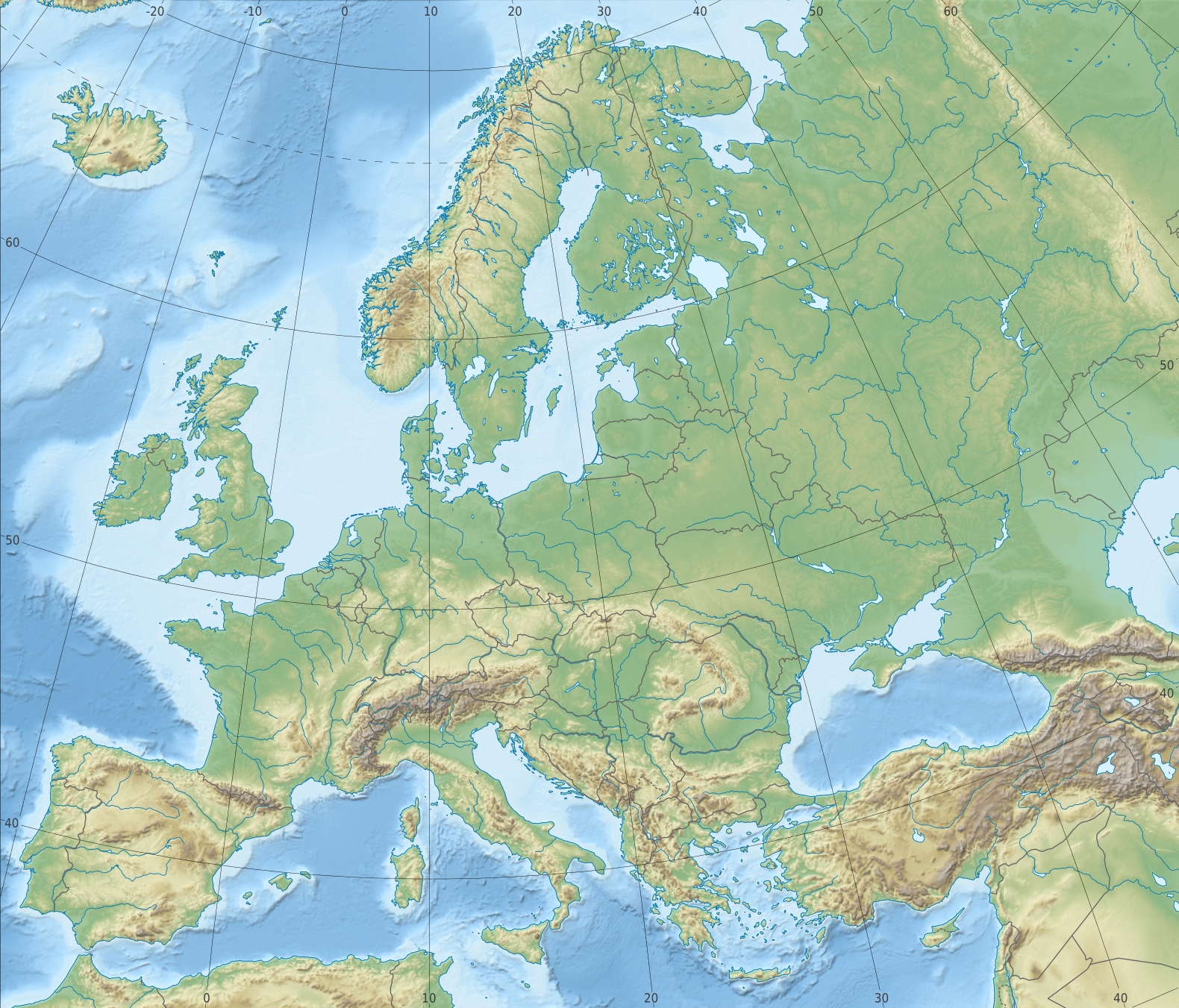
Destinations of the Vikings' voyages on the map of Europe. Photo: Europe relief laea location map, Alexrk2, CC BY-SA 3.0, modified: reduced in size 4. The Viking ship
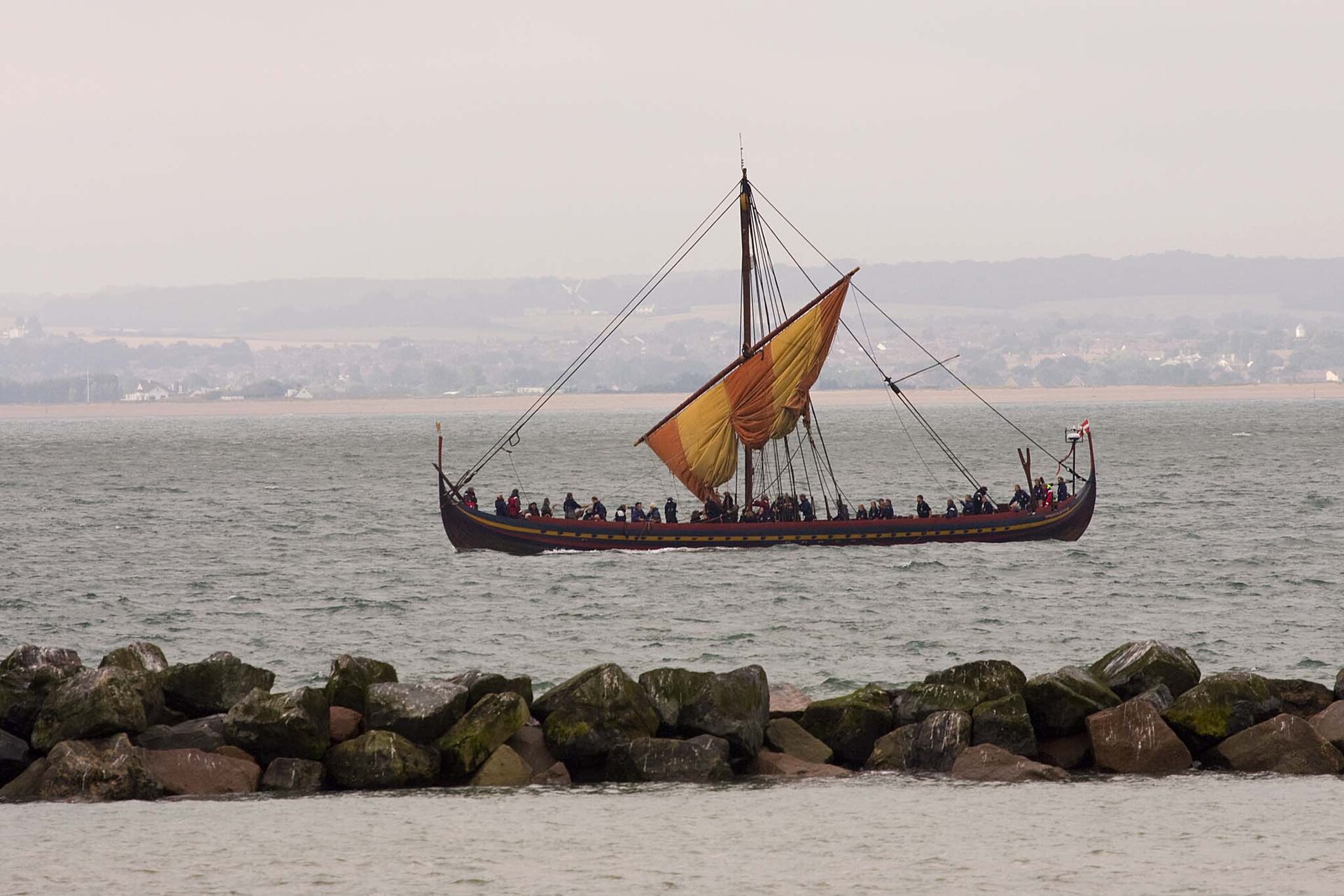
Archaeologists dug up the Gokstad ship from a burial mound in Norway in 1880. The ship, about 23 metres long, was narrow and shallow, so it could travel on rivers as well as the sea. With wind, they sailed; in calm weather, they rowed. Another famous ship burial is the Oseberg ship.
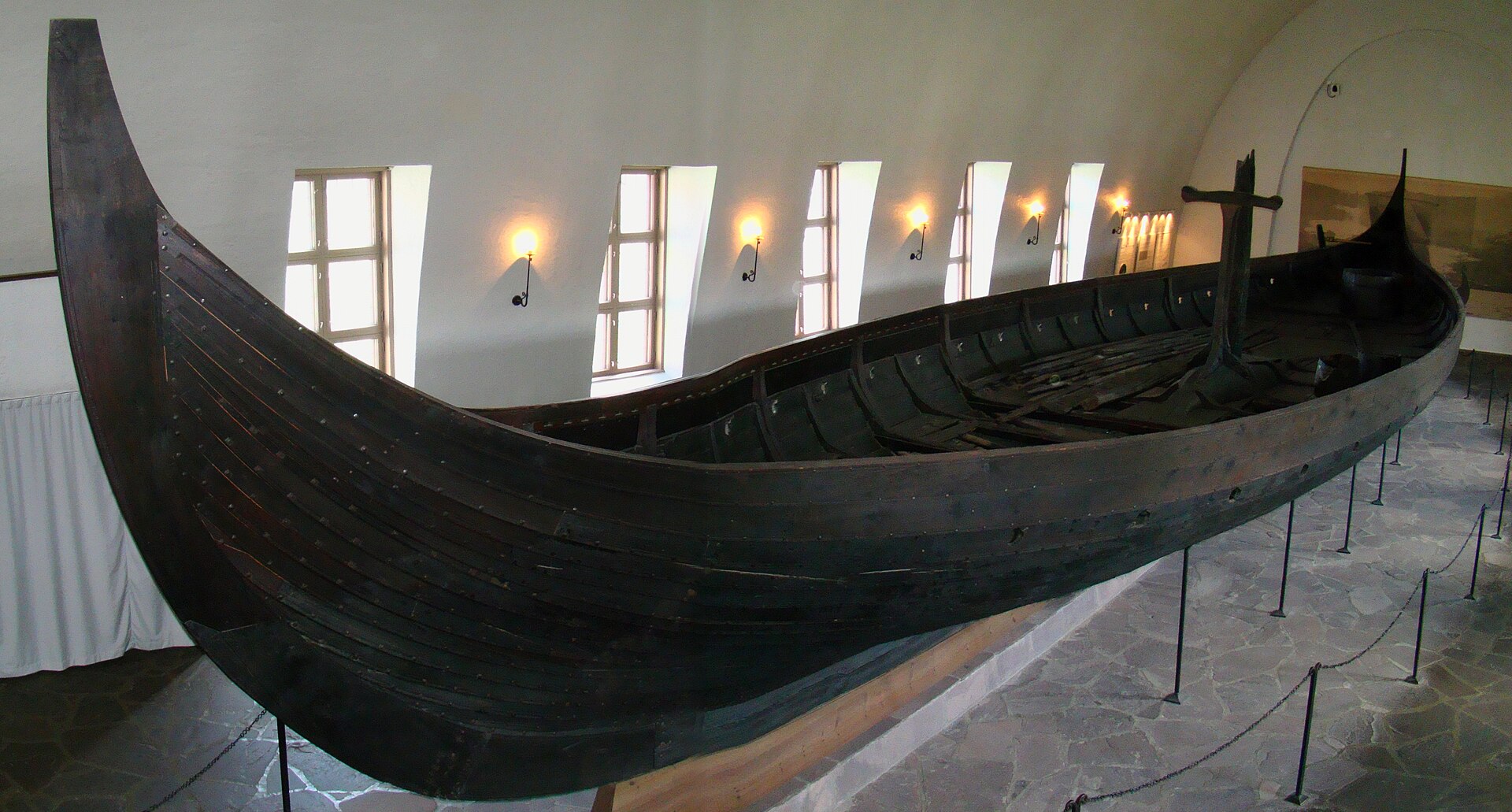
The Gokstad ship in a museum in Oslo. Photo: Gokstad Ship Side View, Bjørn Christian Tørrissen, CC BY-SA 3.0, modified: reduced in size 5. Daily life, society and gods
Most Vikings were farmers, and the whole family lived together in a longhouse. Society had chieftains, free people and slaves, and disputes were settled at assemblies. The Vikings worshipped many gods, such as Odin and Thor. Christianity spread to the Nordic region at the end of the Viking Age.
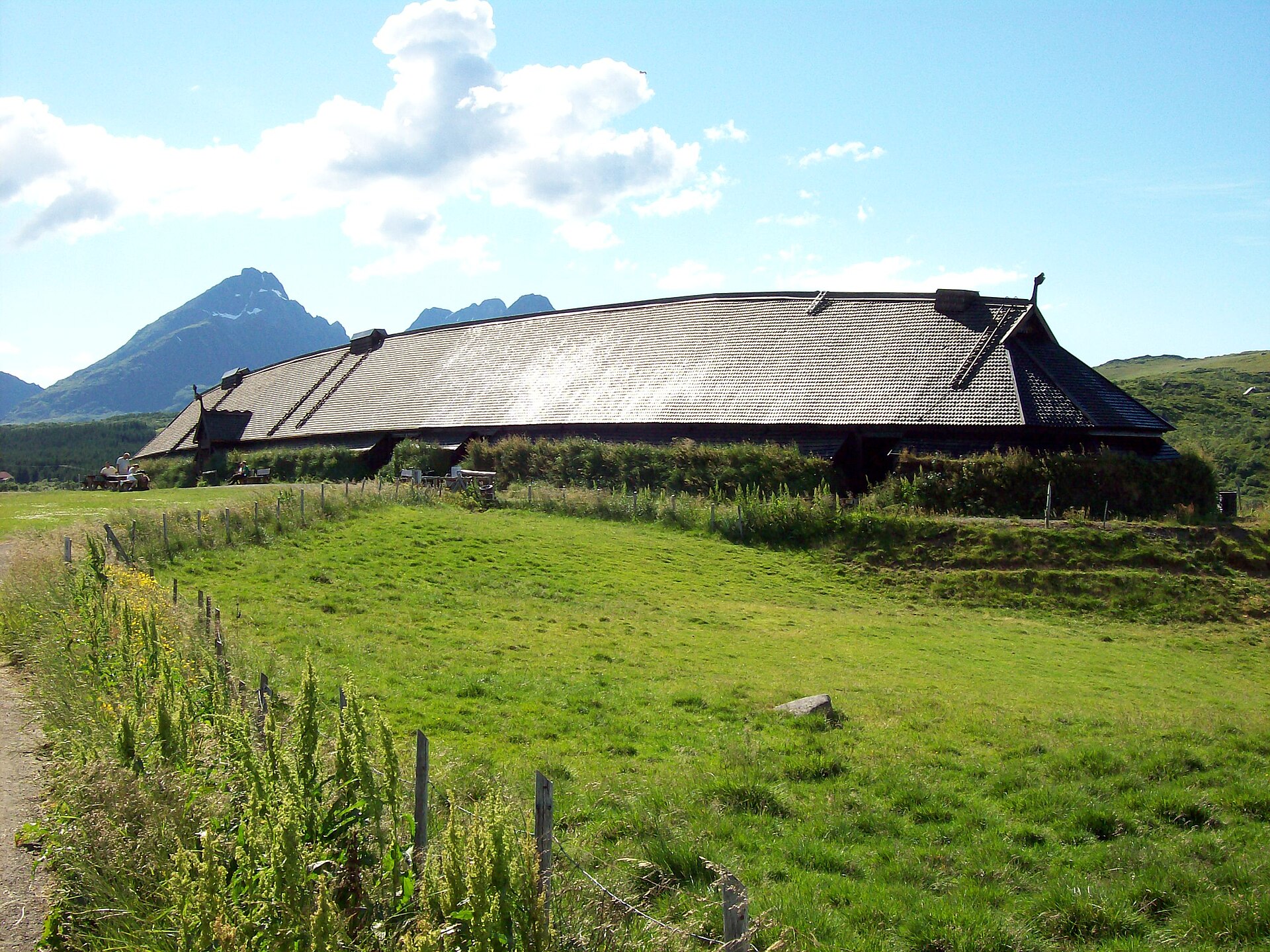
A replica of a chieftain's longhouse in the Lofoten Islands in Norway. Photo: Viking museum -Longhouse, Paul Berzinn, CC BY-SA 3.0, modified: reduced in size 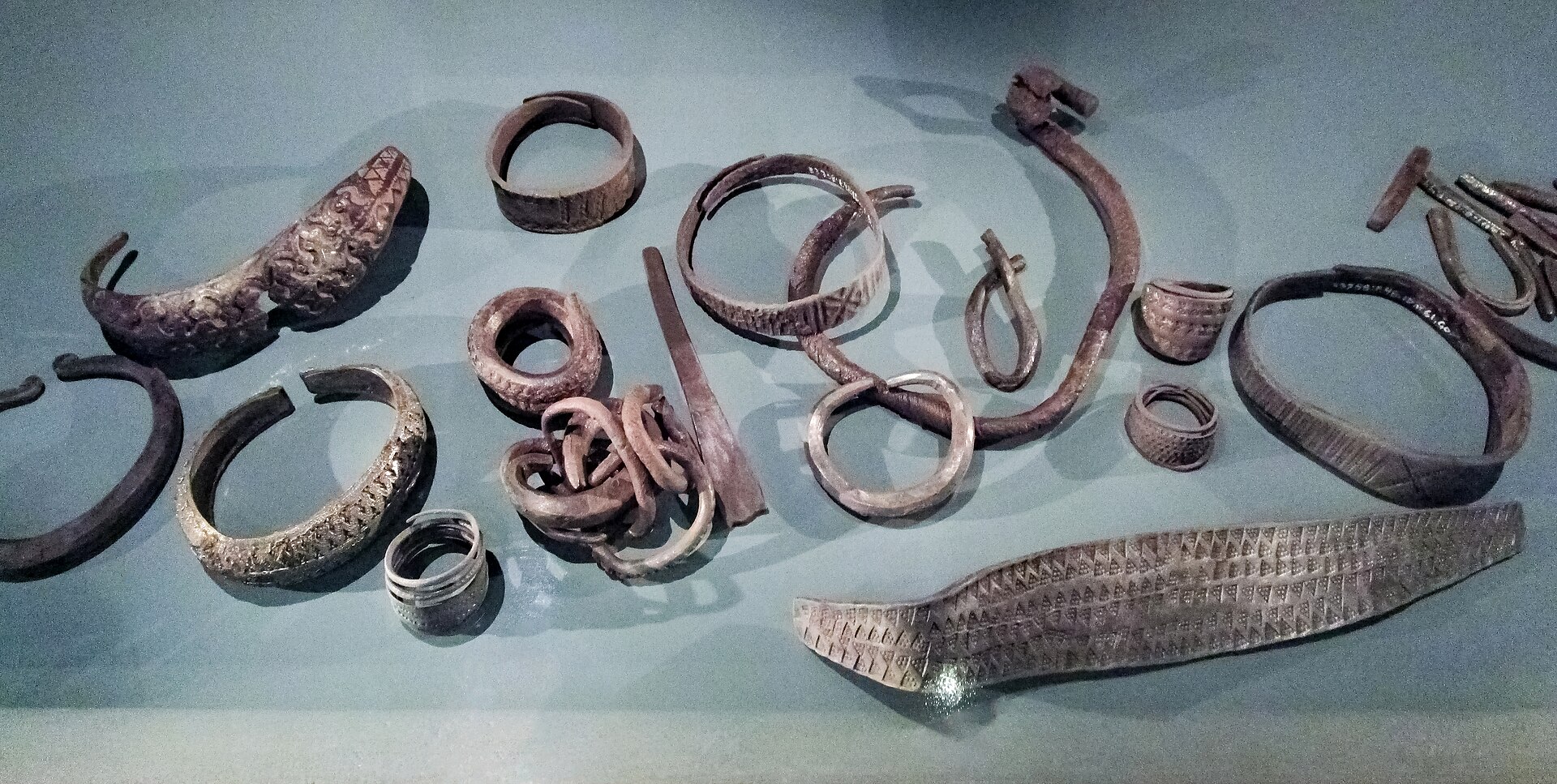
A silver hoard from Gotland. Silver was weighed out as payment.. Photo: Hacksilver Spillings Hoard 1, W.carter, CC BY-SA 4.0, modified: reduced in size 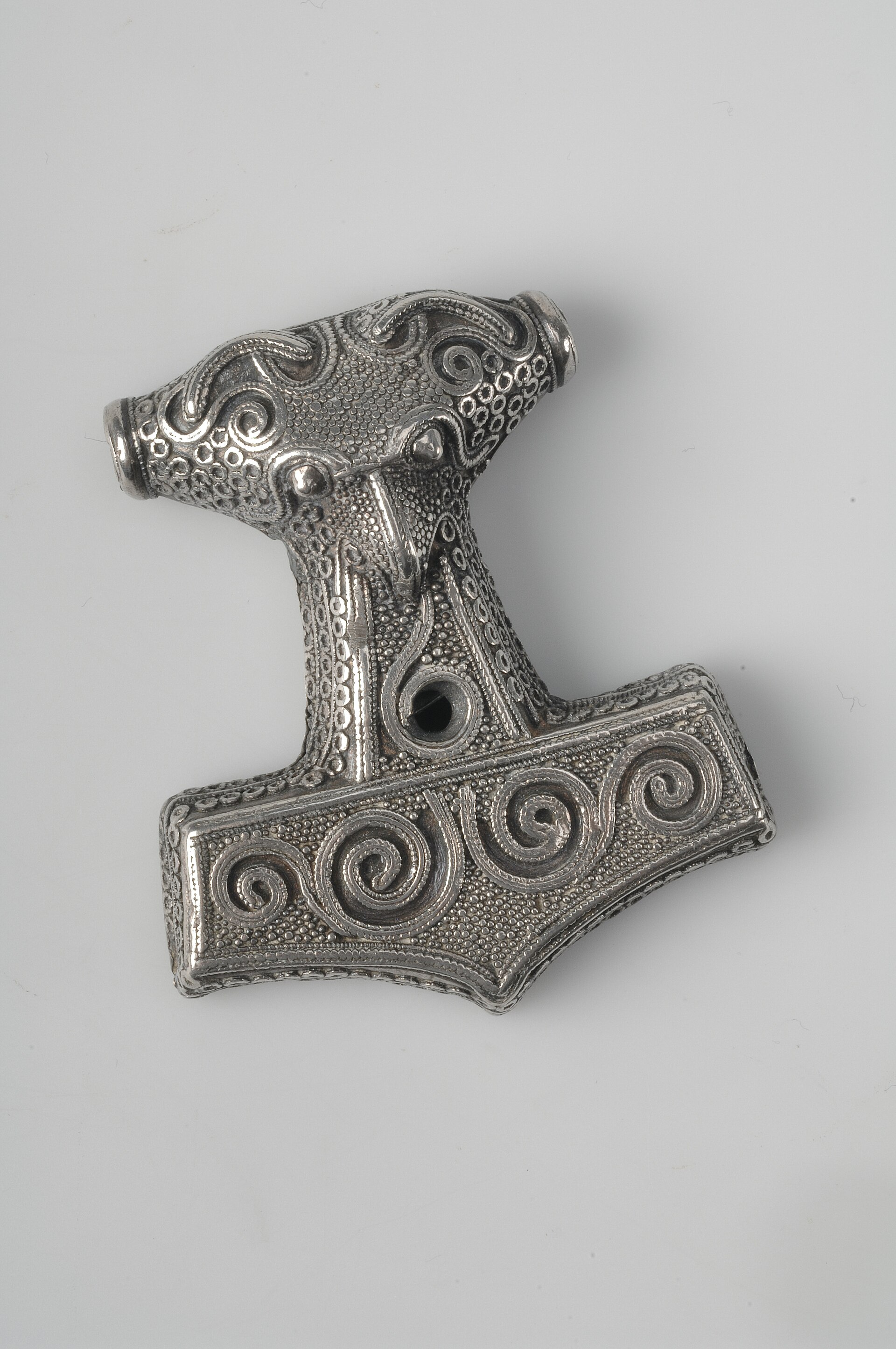
A silver pendant showing Thor's hammer. Photo: Pendant, Thor’s hammer (6851003113), The Swedish History Museum, Stockholm, CC BY 2.0, modified: reduced in size 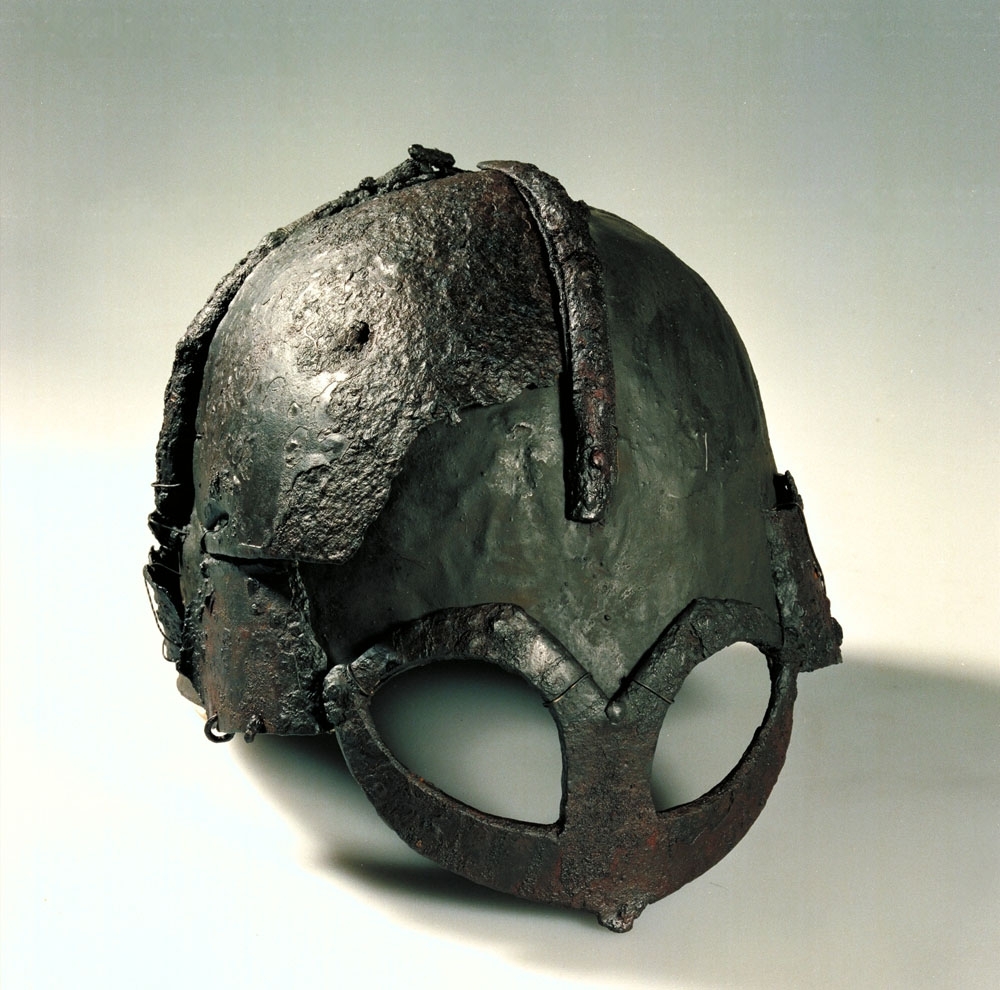
A Viking Age helmet from Gjermundbu in Norway. It has no horns.. Photo: Hjelm av jern fra vikingtid fra Gjermundbu, NTNU Vitenskapsmuseet, CC BY 2.0, modified: reduced in size 6. Runes and sagas tell us
The Vikings wrote with runes, angular signs that were easy to carve into stone. On the Jelling stone, King Harald of Denmark tells how he made the Danes Christians. Sagas are stories written in Iceland in the 1200s. They are an important historical source, but some of them are storytelling.
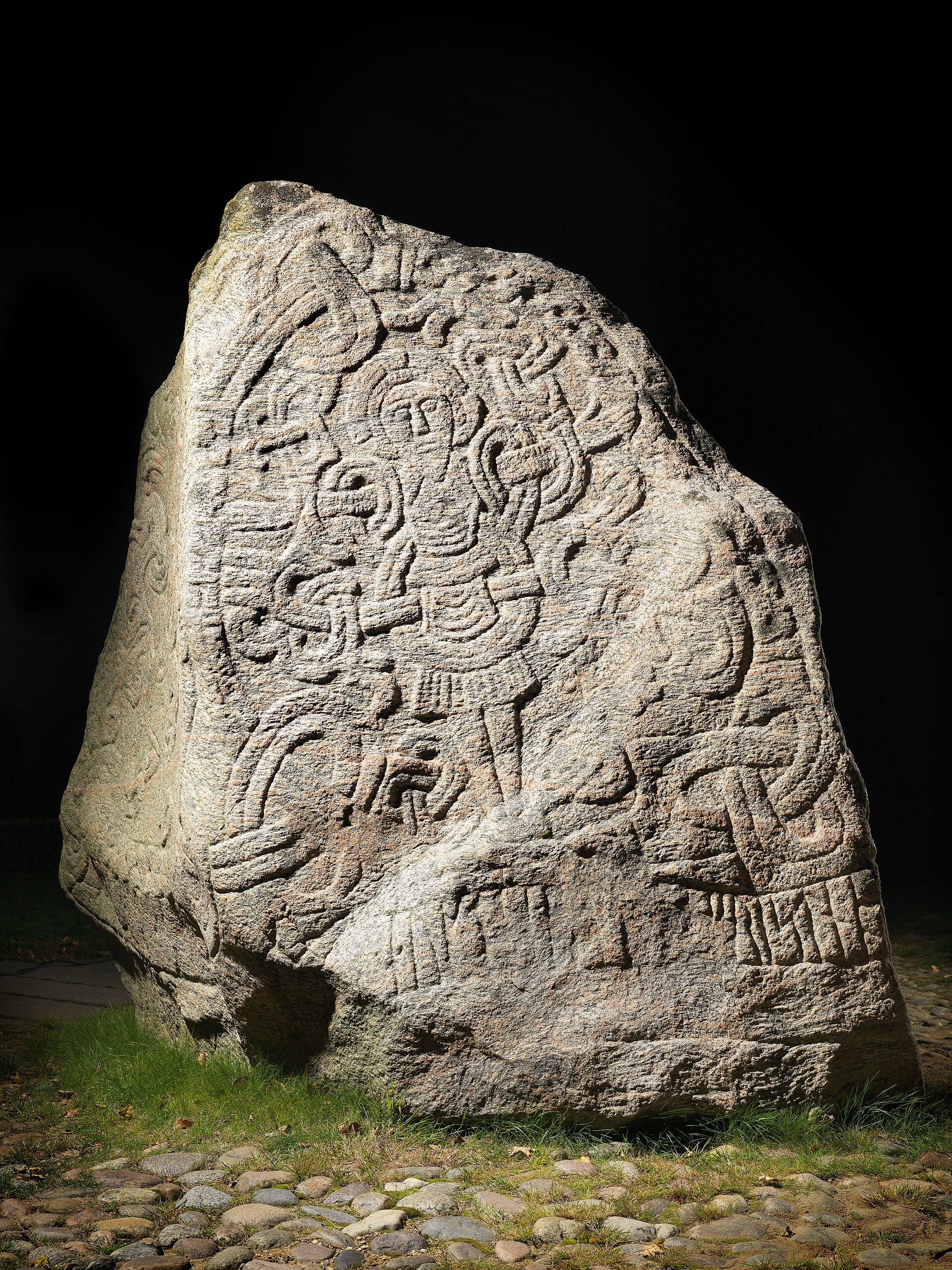
The great Jelling runestone in Denmark. Photo: Jellingsten stor 1, Photographer Roberto Fortuna, commisioned by the Danish National Museum, CC BY-SA 3.0, modified: reduced in size 7. Discuss in pairs
Why was the Viking ship suited to both the sea and rivers?
Why were monasteries tempting targets for the Vikings to raid?
What is the difference between a runestone and a saga as a historical source?
Why do many people still imagine Vikings wearing horned helmets?


Summary
The Vikings were seafarers from the area of present-day Norway, Sweden and Denmark. The Viking Age lasted from about 793 to 1066. The Vikings raided, traded and settled new lands from Iceland to North America. Most of them were farmers who worshipped many gods. We know about them from archaeologists' finds, runestones and sagas. The horned helmet is a later myth.
Frequently asked questions
Did the Vikings have horned helmets?
No. No horns have been found on Viking Age helmets. The picture of horn-helmeted Vikings arose in the 1800s from paintings and opera costumes.
Were all Nordic people Vikings?
No. A Viking was someone who set out to sea on a raiding or trading trip. Most people were farmers who stayed at home.
Did the Vikings go to America?
Yes. Around the year 1000, the Vikings sailed from Greenland to North America. The remains of their settlement have been found at L'Anse aux Meadows in Newfoundland, Canada.